





 Portuguese
  English
  Spanish
  4 min of reading
  0 comments


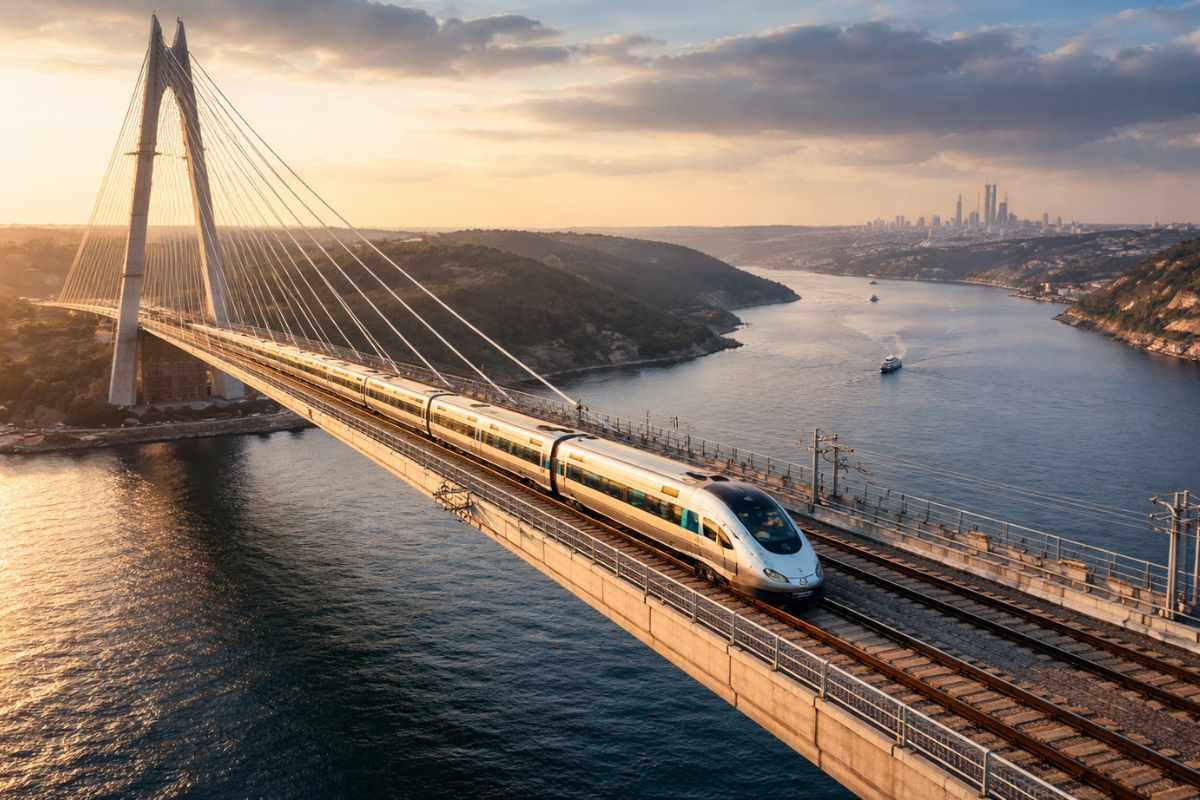
The Bosphorus may gain a new strategic function: Turkey prepares a high-capacity railway line in Istanbul, linking continents, integrating airports, reducing pressure on highways, and strengthening a logistics hub that impacts the region.
Istanbul will gain a new 125-kilometer railway line to connect the European and Asian sides of the city. The project will also connect the two main international airports of the Turkish economic center.
The project is born with strategic weight. In addition to affecting the mobility of a metropolis with 15 million inhabitants, the railway increases the flow of cargo and passengers in one of the most important passages between Europe and Asia.
New route crosses the Bosphorus and links Halkalı to Gebze
The route goes from the European side, in Halkalı, to Gebze, an industrial area on the Asian side. The crossing of the Bosphorus will be made by the Yavuz Sultan Selim bridge, one of the main connection axes of the city.
-
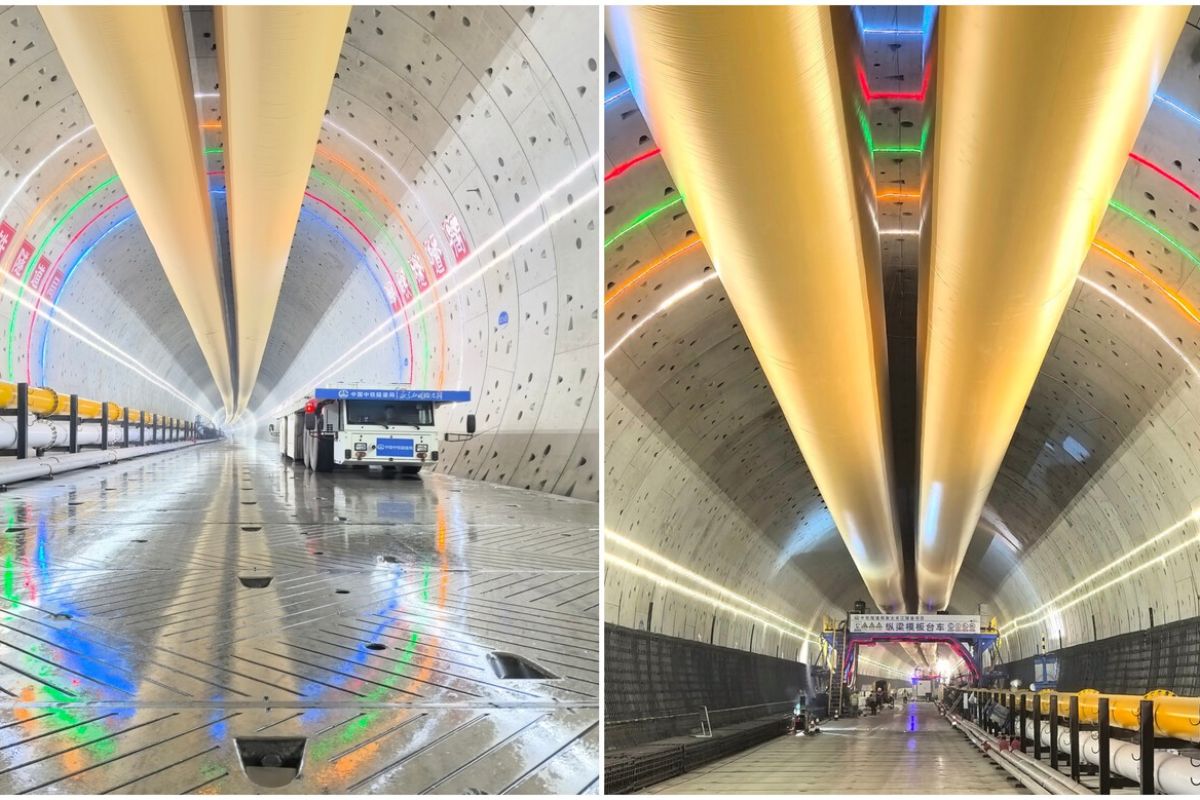
China completes the most critical section under the Yangtze River with the intelligent tunneling machine Linghang, excavating 11.32 continuous kilometers at depths of up to 89 meters and transforming the Chongming-Taicang tunnel into a landmark that redefines the scale of high-speed rail engineering in the 21st century.
-
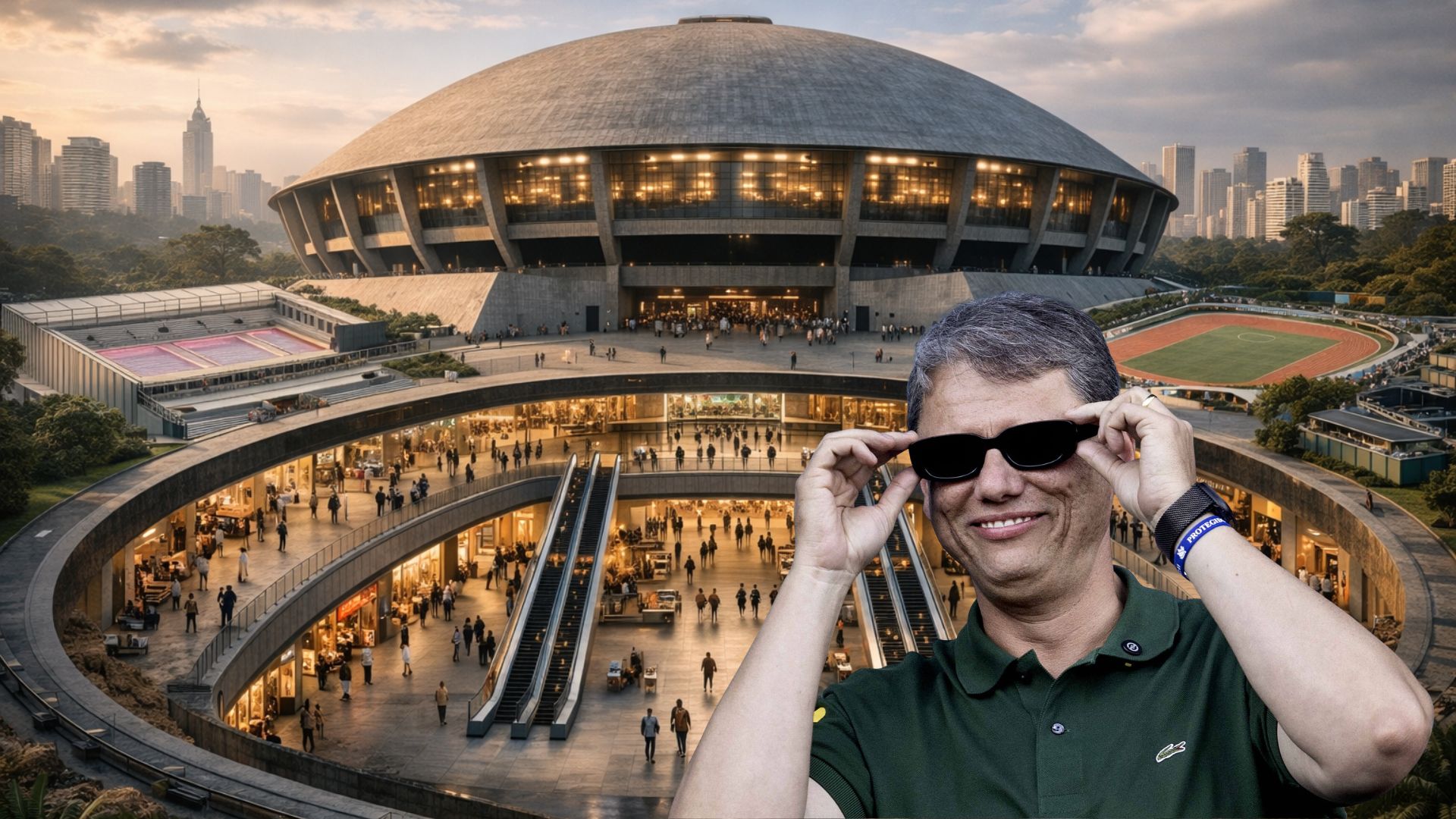
The government of São Paulo surprises South America with a plan to transform the famous Ibirapuera with underground shops, air conditioning, and a 25-year concession in a billion-dollar project that expands the audience, alters a protected area, and provokes an immediate reaction.
-
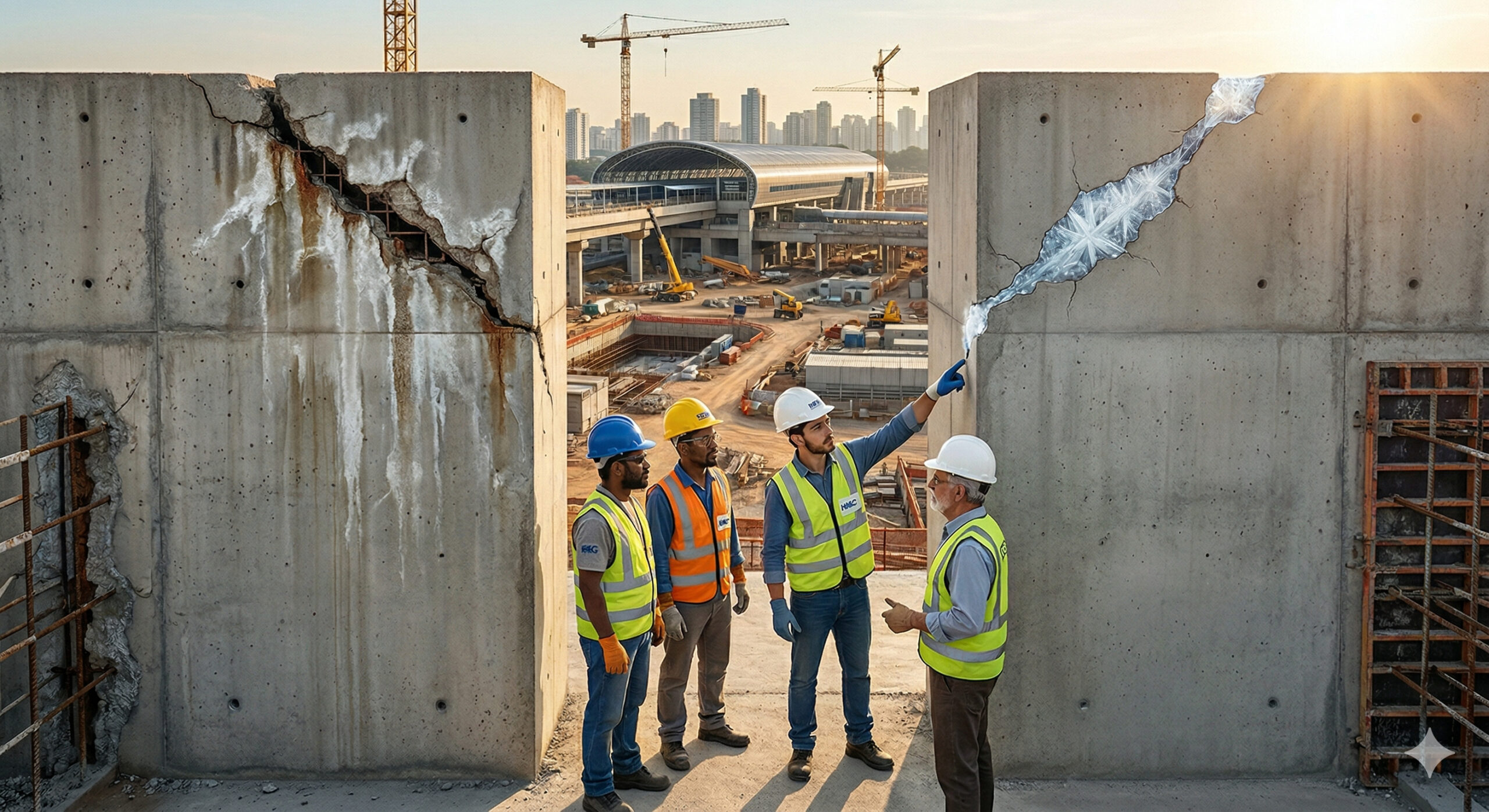
With a lifespan of up to 60 years and a cost up to 30% higher than conventional concrete, self-healing concrete is already being used in Brazil to eliminate leaks, reduce maintenance, and is changing the real cost of construction projects.
-
Engineered wood CLT challenges steel and concrete and promises construction that is up to 2x faster with a lower environmental impact in modern civil engineering.


The proposal is to create a double electrified track capable of transporting passengers and heavy cargo. In the passenger sections, the expected speed reaches 160 km/h. For cargo, the estimated limit is 120 km/h.

Connection between airports changes the city’s mobility
One of the most relevant effects of the project is the railway link between Istanbul Airport and Sabiha Gökçen. This connection does not yet exist by train and fills an important gap in transportation in a city divided by sea, bridges, and daily traffic jams.
In practice, this can reduce the integration time between the two sides of the metropolis and alleviate some of the weight currently concentrated on the highways. The impact affects passengers, logistics, and urban circulation simultaneously.
Project forecasts 33 million passengers and 30 million tons per year
The scale of the project helps explain the international interest. The forecast is for 33 million passengers per year and 30 million tons of cargo in the same period, a volume that can reshape Turkish transportation.
According to the World Bank, a multilateral financial institution focused on development projects, the structure was planned for high demand and large operational capacity. This reinforces the role of the railway as a logistical piece with reach beyond Istanbul.
Current tunnel no longer meets demand
Istanbul already has a railway crossing under the Bosphorus, the Marmaray, inaugurated in 2013. The problem is that the structure is already operating at its limit and has restricted use for goods, especially at night.
Moreover, most of the crossing between continents still depends on the three major bridges of the Bosphorus. The result is traffic congestion, higher logistical costs, and more pressure on the road network.
Project will have 44 tunnels, 42 bridges, and billion-dollar cost
The design of the corridor shows the size of the challenge. There will be 44 tunnels and 42 bridges, with over 59 kilometers underground and another 22 kilometers above ground. About 65% of the route will be built in elevated or underground structure.
The total estimated cost is US$ 8.119 billion. Of this amount, US$ 6.75 billion already has international financial support. The remainder is expected to be covered by the Turkish state itself.
Deadline targets 2032 amid seismic and environmental risk
The Turkish government is working to start construction as early as 2026, but the operational start appears on the horizon of December 2032. The timeline is long because the project crosses a difficult urban area, with rugged terrain and significant seismic activity.
There is also environmental and social pressure. The corridor passes through green areas and sensitive zones for water resources, in addition to potentially generating noise and vibration for the population. This increases the complexity and enhances the strategic weight of the project.
The new railway is not just for shortening distances within Istanbul. It strengthens a route between continents, brings airports closer, and opens up space for greater circulation of goods in a decisive point on the map.
If it comes to fruition within the expected timeframe, the initiative will reposition Turkish logistics, reduce historical bottlenecks, and change the strategic landscape of the region.








Seja o primeiro a reagir!