





 Portuguese
  English
  Spanish
  6 min of reading
  0 comments


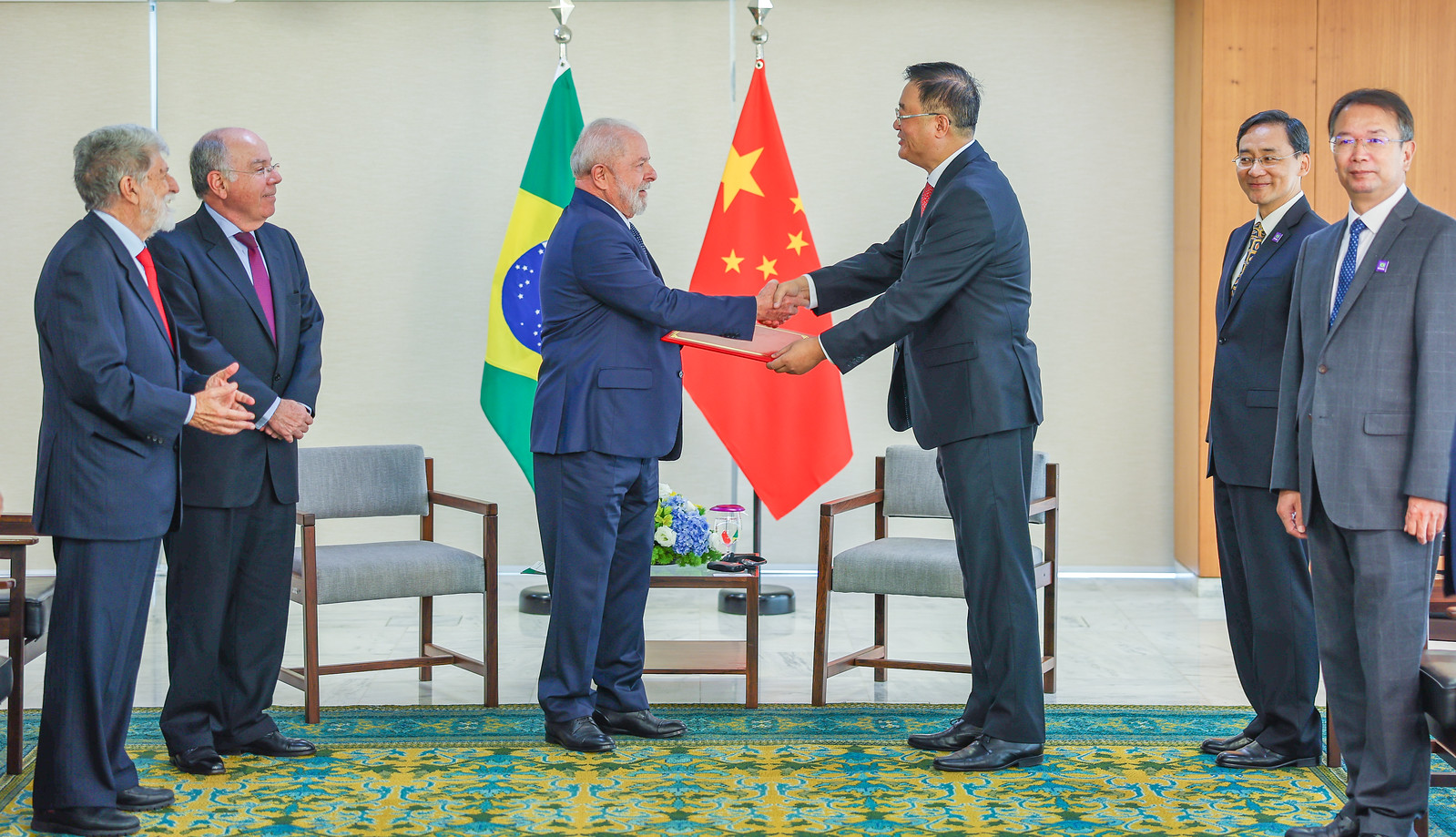
The Brazilian government and Chinese giants accelerate partnerships in green hydrogen, electric vehicles, and ultra-high voltage transmission to consolidate a global green corridor that connects the clean energy production of Latin America to Asian markets.
Brazil and China are advancing in bilateral negotiations to establish the foundations of a global green corridor, integrating renewable energy production chains and sustainable logistics. This strategic partnership focuses on the export of low-carbon commodities and the joint development of technologies for industrial decarbonization.
In 2026, the two nations plan massive investments in port infrastructure and smart transmission networks that facilitate the flow of clean energy between continents.
Brazil contributes with its vast wind and solar potential, while China offers capital and technological expertise in large-scale batteries and electrolysis. This movement not only strengthens Brazilian foreign trade but also positions the country at the center of decisions regarding the new zero-emission economy.
-
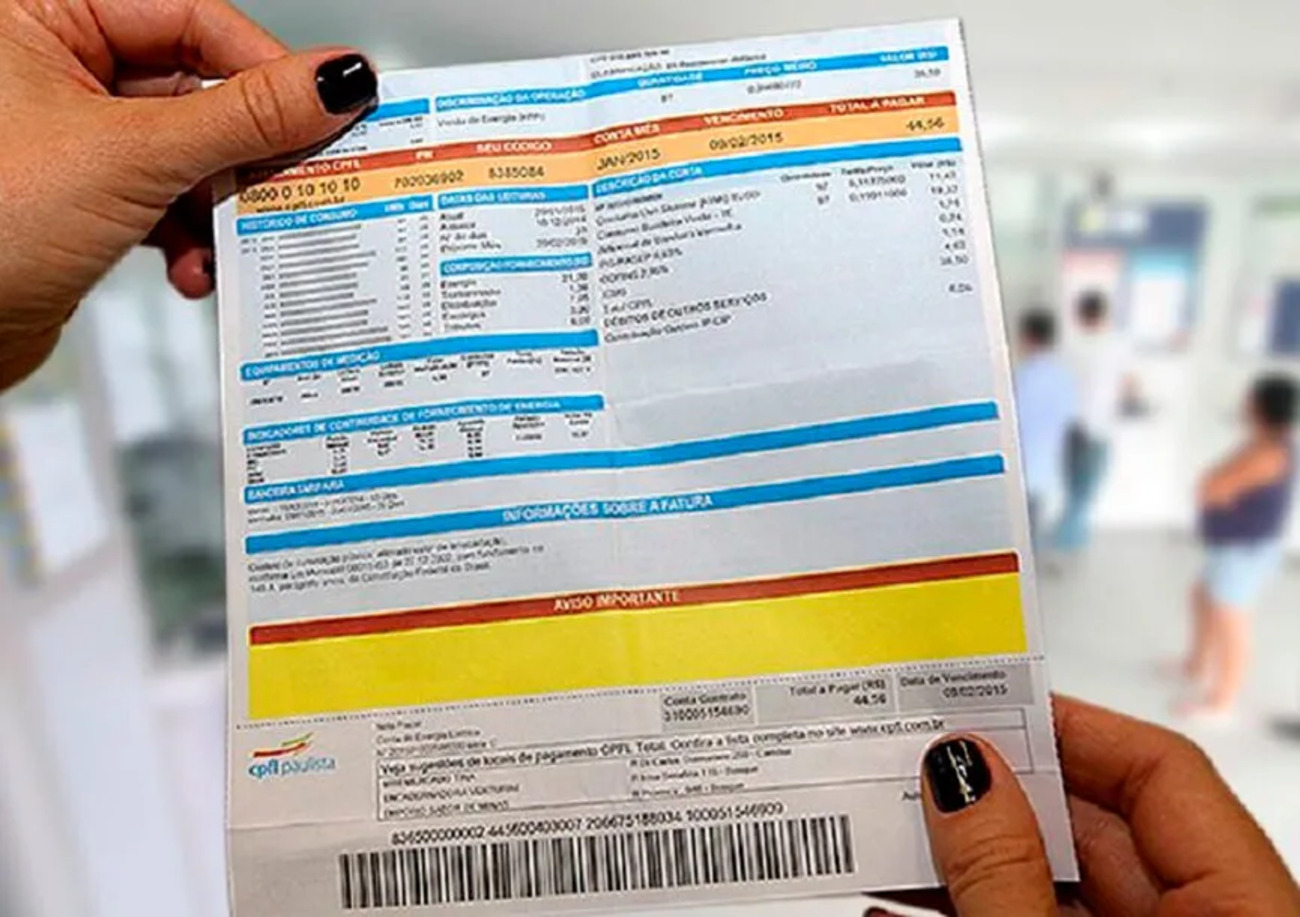
Research reveals that the vast majority of national consumers are not willing to pay more for renewable energy despite their support for sustainability.
-
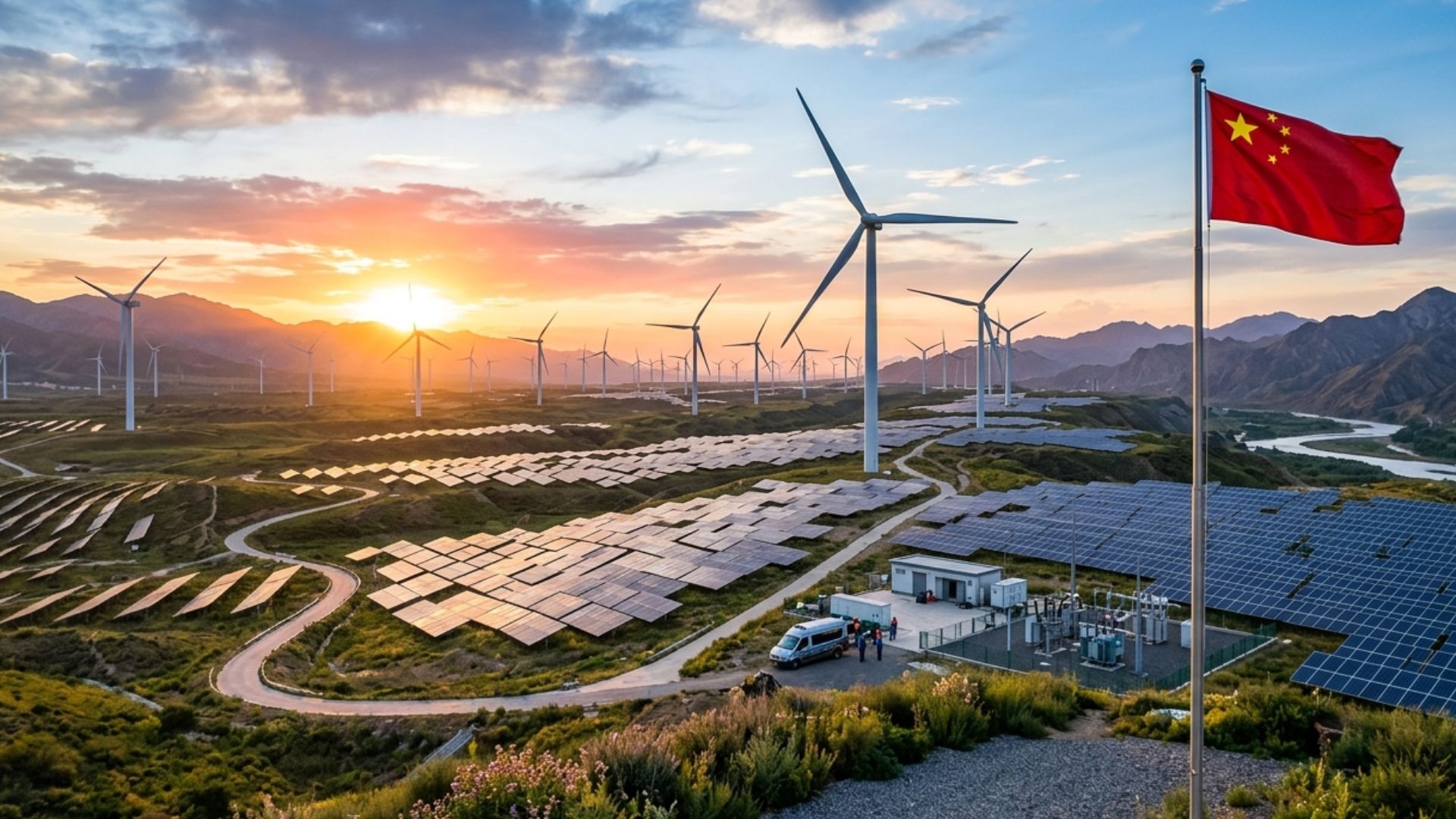
Renewable energy advances globally with Asia taking the lead; Irena’s analysis indicates a strategic progress that drives the energy transition and reduces generation costs.
-
Globo broadcaster achieves 100% renewable energy and advances climate goal, strengthening environmental commitment, reducing emissions, and influencing large companies to adopt more sustainable and competitive strategies.
-
New mapping reveals the Brazilian states with the greatest potential for the production and use of green hydrogen in Brazil to lead the global market.
Through this corridor, large national industries can reduce operational costs and access international financing aimed at sustainable assets, transforming the economic geography of the southern hemisphere.
The technological synergy between Brasília and Beijing
The collaboration between the two countries goes beyond mere commodity exchange. China leads the global market for photovoltaic panels and wind turbines, while Brazil has one of the most decarbonized electricity matrices on the planet. This combination allows for the creation of a productive ecosystem where Chinese technology enhances Brazilian natural resources to sustain the global green corridor.
Companies like State Grid already operate ultra-high voltage transmission lines that cut through Brazilian territory, bringing energy from hydroelectric plants in the North to consumption centers in the Southeast. Now, the plan expands this infrastructure to integrate green hydrogen parks in the Northeast.
This connectivity ensures that energy generated in the interior of Piauí or Ceará reaches the ports with maximum efficiency, ready to be converted into green ammonia and sent to Asia.
Electric vehicles and the revolution in urban mobility
A fundamental pillar of the global green corridor involves the electrification of transportation. Chinese automakers like BYD and GWM are setting up large factories in Brazil, transforming the country into a hub for electric vehicle production for all of Latin America. This shift reduces dependence on petroleum derivatives and accelerates the decarbonization of urban fleets.
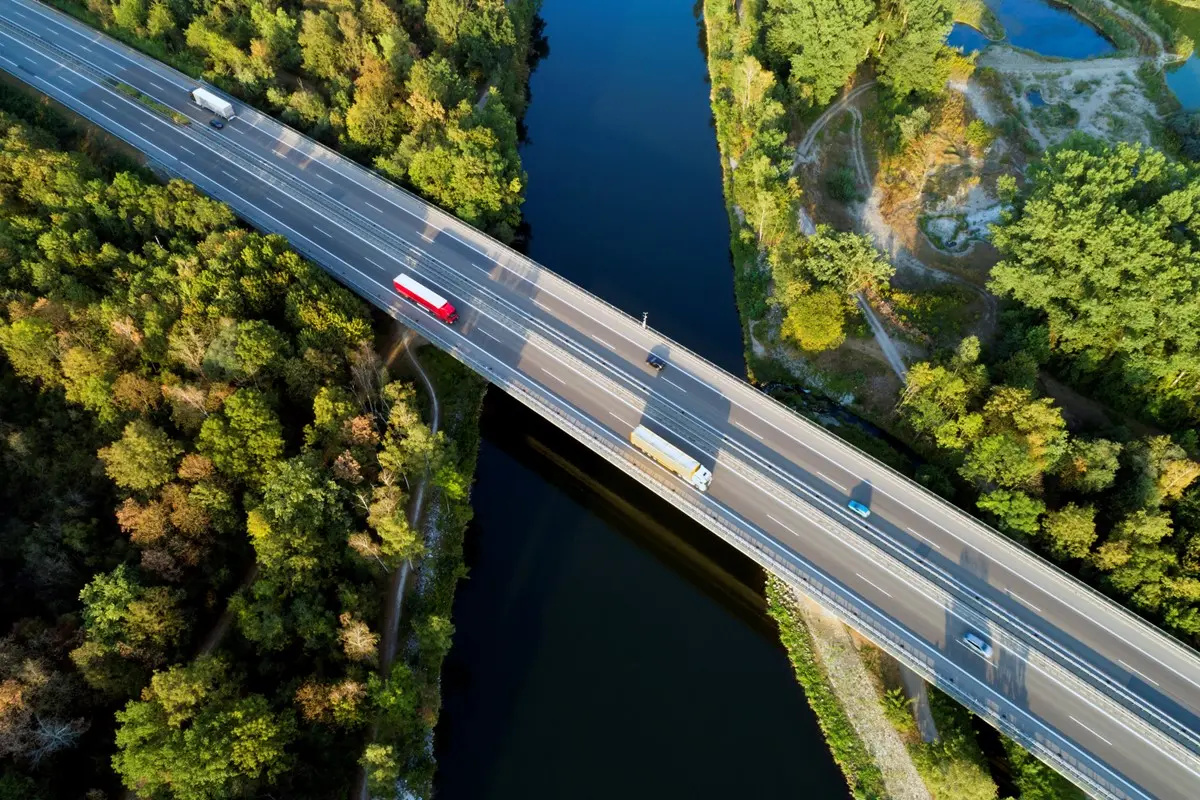
The integration goes beyond passenger cars. Thus, the partnership focuses on the production of electric buses and heavy trucks for cargo logistics. By electrifying the road transport that connects production zones to ports, Brazil and China close the sustainability cycle of the corridor.
Brazilian products reach the Chinese market with an audited and extremely low carbon footprint, ensuring premium prices in an increasingly stringent global scenario regarding environmental standards.

What is the Port of Chancay and its impact?
China is investing billions in the Chancay mega-port in Peru, which acts as the main exit of the global green corridor through the Pacific. This port shortens the maritime journey between South America and China by up to 15 days. Brazil is studying bioceanic rail and road routes that connect the Brazilian Midwest to this terminal.
This logistical connection reduces the export costs of “green” soybeans and iron ore. Instead of circling the continent or crossing the Panama Canal, Brazilian production crosses the Andes in vehicles powered by biofuels or hydrogen.
This new route redefines trade and geopolitical relations, allowing Brazil to access the Asian market with an agility never seen before in the history of foreign trade.
Green Hydrogen: The fuel of the new corridor
Green hydrogen (H2V) represents the “liquid gold” of the global green corridor. Through electrolysis powered by renewable sources, Brazil produces H2V at highly competitive costs. China, in turn, develops the fuel cells and engines necessary to use this input in the steel and naval industries.
Brazilian ports are adapting their structures to become export terminals for green ammonia. This byproduct of hydrogen is easier to transport and serves as a sustainable fertilizer for the Chinese agribusiness.
This exchange creates a positive interdependence: Brazil ensures China’s food security with green inputs, while China finances the expansion of renewable energies in Brazil.
Real impact: Job creation and regional development
The implementation of this global green corridor brings practical benefits to the Brazilian population. The construction of solar component and battery factories generates thousands of jobs for technicians and engineers. Additionally, the Northeast and North regions receive infrastructure investments that previously focused only on the Southeast coast.

The development of “Smart Cities” along the corridor routes improves local quality of life. These cities utilize solar street lighting and zero-emission public transport systems.
The Sino-Brazilian partnership fosters the creation of research centers in national universities, allowing Brazilian scientists to develop patents in conjunction with Chinese researchers, retaining intelligence and technology within the country.
Logistical challenges and rail integration
For the global green corridor to function fully, Brazil needs to overcome its logistical bottlenecks. The country still relies excessively on road transport. The strategic plan for 2026 includes the modernization of railways that use electric or hydrogen-powered locomotives.
China has the largest high-speed rail network in the world and offers this expertise for Brazilian projects. Efficient railways reduce freight costs and diesel burning, making the corridor truly sustainable.
The integration between the tracks and smart ports automates the flow of goods, minimizing ship waiting times and increasing the country’s export capacity.
Green Financing and the role of the New Development Bank
The New Development Bank (NDB), known as the BRICS Bank, plays a crucial role in financing the global green corridor. The institution prioritizes projects that present clear sustainability indicators and positive social impact.
Access to credit lines with lower interest rates allows small and medium-sized Brazilian companies to participate in the corridor’s supply chain. This includes everything from software suppliers for energy management to companies maintaining renewable equipment.
International financial support ensures that Brazil’s energy transition occurs inclusively, without overburdening the federal public budget and allowing the private sector to lead innovations.
Geopolitics: Brazil as a bridge between East and West
By leading the global green corridor alongside China, Brazil strengthens its diplomatic position. The country demonstrates that it can maintain solid trade relations with major powers while retaining its sovereignty over natural resources. Brazilian climate leadership in 2026 becomes a valuable political asset in forums like the G20 and COP.
This corridor serves as a model for other nations in the Global South. Brazil exports not only energy and products but also a development model that unites economic growth and environmental preservation.

Brazil’s political neutrality allows the country to attract diversified investments, ensuring that the green corridor remains open to partnerships with other economic blocs, such as the European Union and the United States, as long as they respect the sustainability criteria.
The future of mining and “Green Iron”
Brazilian mining is undergoing a profound transformation to meet the demands of the global green corridor. Giants like Vale are investing in solutions to produce the so-called “iron ore briquette,” which drastically reduces carbon emissions in steel production at Chinese steel mills.
Giant cargo ships, known as Valemax, now use rigid sails and liquefied natural gas (LNG) or ammonia propulsion to cross the oceans. These vessels constitute the corridor’s fleet, ensuring that maritime transport also follows zero-emission standards.
Mining thus becomes a strategic activity for global decarbonization, providing the necessary materials for the construction of new wind turbines and clean urban infrastructures.
A route of prosperity for the 21st century
The construction of a global green corridor between Brazil and China marks the beginning of a new phase in the history of global energy. The project proves that international cooperation is the most powerful tool to tackle the climate crisis. By uniting Brazil’s natural abundance with China’s industrial capacity, the two countries create a two-way street for sustainable progress.
This corridor thus transports not only energy or products; it carries the hope of a future where the economy thrives without destroying the planet. For Brazilians, the result appears in new jobs, cleaner air, and a resilient economy.
The Sino-Brazilian partnership in 2026 sets new standards for success in global trade, consolidating Brazil as an indispensable protagonist in the energy transition of the 21st century.







Seja o primeiro a reagir!