





 Portuguese
  English
  Spanish
  4 min of reading
  0 comments


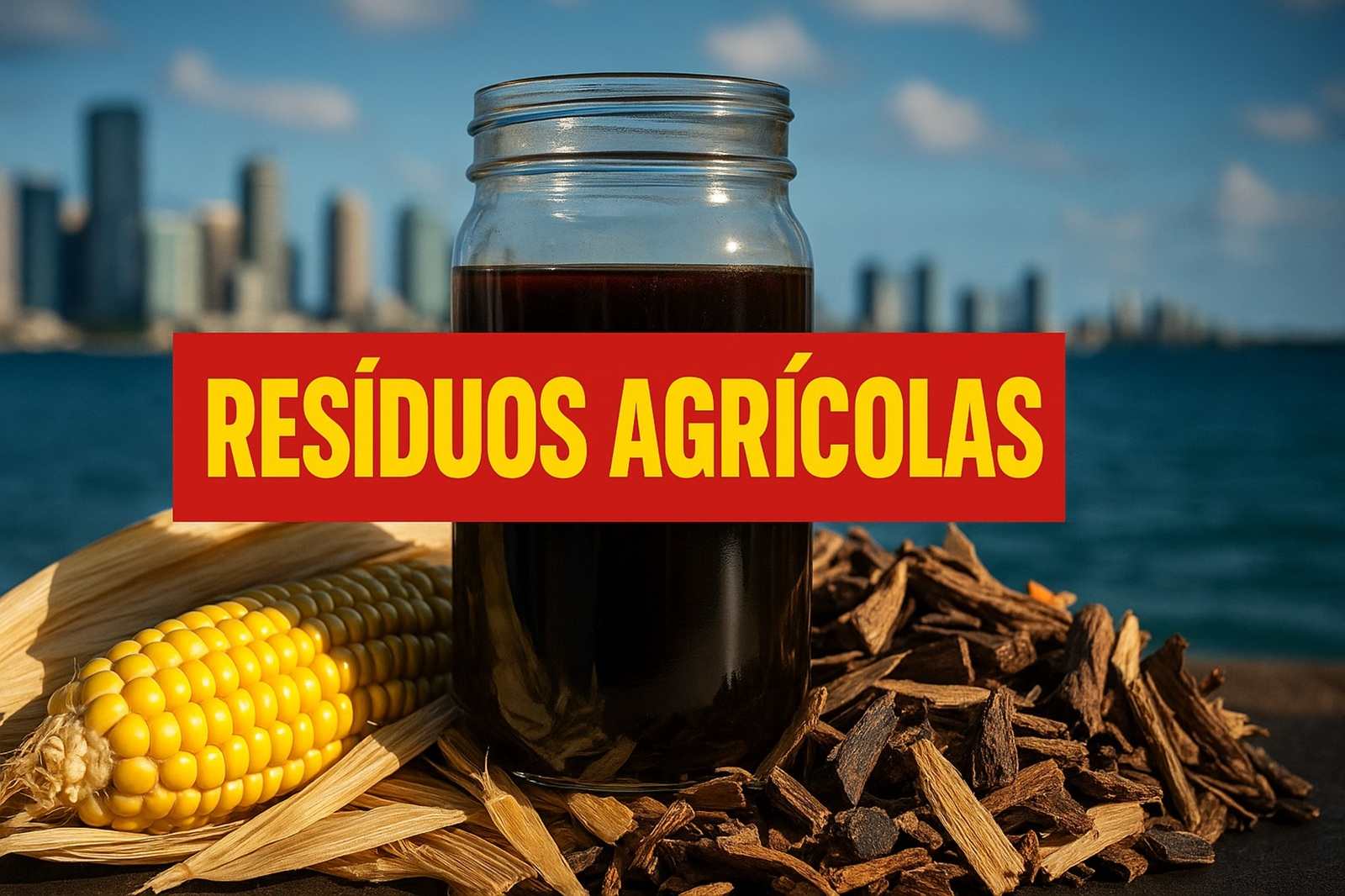
Transforming Waste That Previously Had No Value Into A Powerful Climate Solution Is The Proposal From Researchers At Iowa State University. They Bet On Bio-Oil Made From Corn Stalks And Wood Residues To Fill Abandoned Oil Wells And Efficiently And Affordably Sequester Carbon
Filling abandoned oil and gas wells with bio-oil produced from plant and wood waste is the proposal from a team at Iowa State University.
The idea comes from mechanical engineering professor Mark Mba-Wright and combines two urgent challenges: the excess of agricultural and forestry waste and the environmental risks of abandoned wells.
The method sequesters carbon underground, using structures already opened for fossil fuel extraction.
-
They were brilliant! Scientists discover that our ancestors in China were already making super advanced tools 160,000 years ago, changing everything we knew.

-
Scientists unveil 3 million years of climate secrets hidden in the ice of Antarctica.

-
Ancient farmers created “aggressive plants” that changed nature forever.

-
Astronomers find a “backward” solar system that ignores all the rules of space and leaves scientists scratching their heads!


The professor summarizes the logic: “we have underutilized waste and wells that need to be capped. It’s an abundant resource that meets an urgent demand.”
How Fast Pyrolysis Works
The system relies on fast pyrolysis, a process that heats dry biomass in an oxygen-free environment and transforms it into bio-oil. The heating, which can exceed 475°C, lasts a few seconds. At this stage, the matter retains the carbon it captured from the atmosphere during its lifespan.
The process also generates biochar and gas. The former can be sold as an agricultural amendment. The latter serves as fuel to power the system itself, closing the energy cycle. But the main product is bio-oil, a dense liquid rich in carbon.
An average oil well, about 48 centimeters wide and over 4 kilometers deep, can store nearly a million liters of bio-oil.
This utilizes existing infrastructure and avoids spending up to US$ 1 million on conventional closure.
Costs And Economic Viability
The research calculated that a network of 200 mobile pyrolysis units could operate viably. Each unit would process about 10 tons of biomass per day and cost around US$ 1.3 million. The bio-oil would need to be sold for at least US$ 175 per ton.
The study estimated the cost of carbon sequestration at US$ 152 per ton, competitive compared to other technologies.
In cases of wood feedstock, this value would drop to US$ 100. Considering the added value of biochar and the learning curve, costs are expected to decrease over time.
Biomass As A Regional Source
Biomass sources vary by region. In the American Midwest, the main feedstock is corn stalks left over after harvest. In the West, the priority is wood waste removed from forests to reduce fire risks. Other possibilities include switchgrass and oriented strand board.
The mobile pyrolysis units would deposit bio-oil at centralized terminals. From there, the material would go to abandoned oil and gas wells, transforming sites previously linked to pollution into carbon sequestration points.
Challenges And Necessary Scale
The 2021 Infrastructure Law set aside US$ 4.7 billion to close 120,000 abandoned wells. However, estimates mentioned in the study indicate between 300,000 and 800,000 undocumented orphan wells in the U.S. This scenario underscores the relevance of the proposal.
Mba-Wright emphasizes that the system can start small. The mobile units are about the size of harvesters. With more production, costs are expected to fall, and the scale can meet a significant part of the demand.
Interest From The Private Sector
Charm Industrial, a company focused on carbon capture solutions, commissioned an independent assessment from Iowa State.
The aim was to validate the sequestration potential and cost-benefit of the technology. According to CEO Peter Reinhardt, bio-oil offers one of the safest and most affordable options on the market.
He states that major carbon removal buyers value this solution because it combines effectiveness with competitive pricing. Additionally, it creates new economic opportunities in rural areas that provide the biomass.
Comparison With Other Technologies
The research compared bio-oil with direct air capture, a system that removes carbon dioxide from the atmosphere. Although both present similar costs per ton of carbon, direct capture requires much larger investments and does not offer by-products like biochar.
According to Mba-Wright, it’s not just a matter of choosing one technology. Carbon removal can follow several fronts simultaneously.
The important thing is to broaden viable options without discarding alternatives that bring additional benefits.
Potential For Rural Communities
In addition to reducing emissions, the proposal opens new markets for farmers and forestry communities. The sale of agricultural waste, which often goes unused, begins to have economic value. This creates a new source of income and stimulates the local economy.
Experts from Iowa State highlighted that the sequestration of bio-oil made from corn stalks can generate a high-quality product.
This outcome helps to contribute to net-zero emissions portfolios in companies aiming to meet environmental targets.
Path Under Construction
Although the technology already exists on a limited scale, the research shows that expansion is technically feasible. Barriers of logistics need to be overcome, and it must be ensured that bio-oil is transported and stored safely.
The next step depends on investments and public policies that encourage large-scale use.
The study emphasizes that farm and forest waste, seen as disposable, can gain a new role.
They not only reduce environmental risks but also transform abandoned wells into tools for combating climate change.








Seja o primeiro a reagir!