





 Portuguese
  English
  Spanish
  2 min of reading


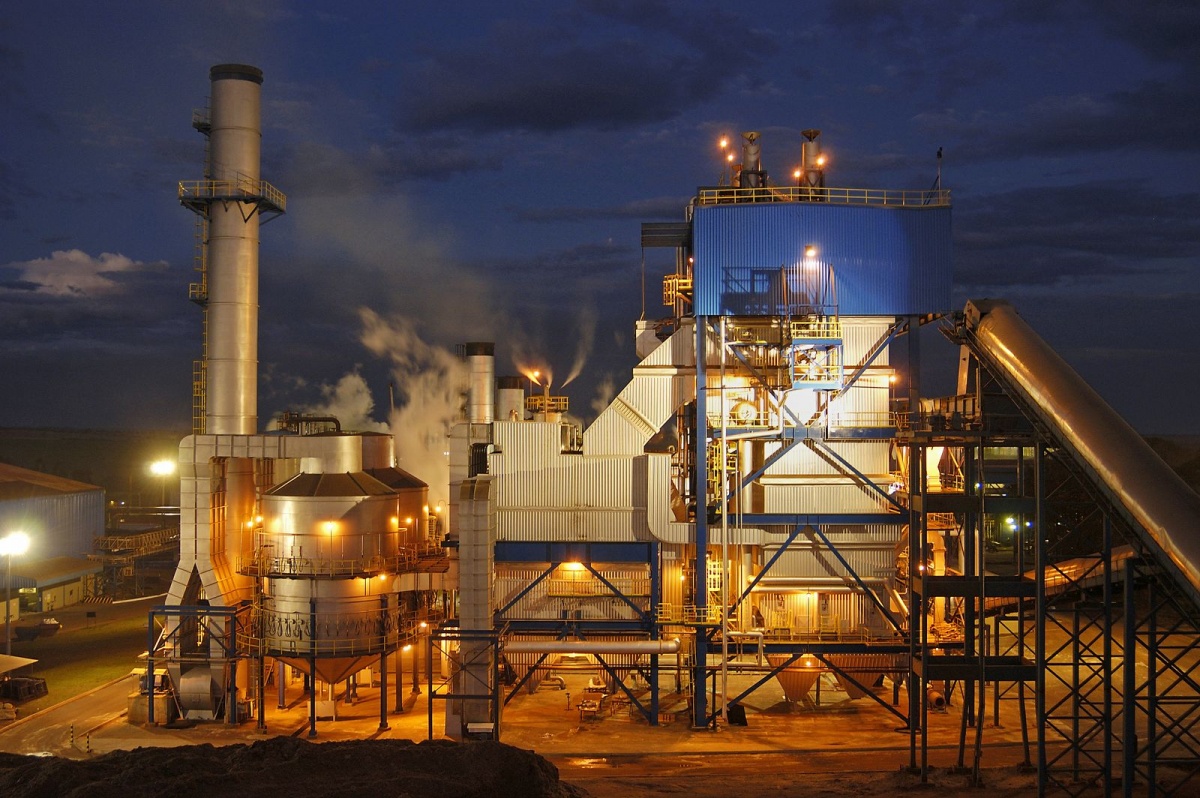
The Objective of This BNDES Program Is to Improve the Energy-Environmental Efficiency Rating of Ethanol Plants to Reduce Carbon Emissions
The BNDES – National Bank for Economic and Social Development is preparing a new financing channel whose interest rate is linked to the improvement of the “carbon footprint” of ethanol production plants, and it may be launched by the end of this year. The aim is to raise the levels of energy and environmental efficiency of the plants approved by the RenovaBio program, which came into effect this year.
See Other News of the Day:
- Engie Is Hiring for Job Opportunities in Belo Horizonte, Minas Gerais, on This Day 03
- In Bahia, Buses Powered by Compressed Natural Gas and Biogas Are Testing in Salvador
- Equinor Plans to Expand Its Wind Power Acquisition and Will Continue to Leverage Its Position in Offshore Wind Energy
The program was announced by Mauro Mattoso, head of the Agribusiness and Biofuels Department at the bank, during a speech at a virtual event hosted by the consultancy Datagro. The bank is considering offering initial costs related to TLP – long-term rates, Selic, or fixed costs.
When contracting resources from the production line, BNDES must set a goal for the development of the invoice – if this goal is met, the producer will receive discounts on interest rates.
-
Pharmacy inside the supermarket: what changes now in your purchase, why medicines won’t go on the shelves, which rules remain strict, mandatory pharmacist, separate space, controlled storage, more convenience and competition in the country.

-
Money with chickens: how much can 200 laying hens yield per month with eggs at R$ 12 per dozen?

-
As dams and pollution advance, migratory freshwater fish are facing a silent global crisis that has already decimated populations, threatened fisheries, and raised alarms in major basins.

-
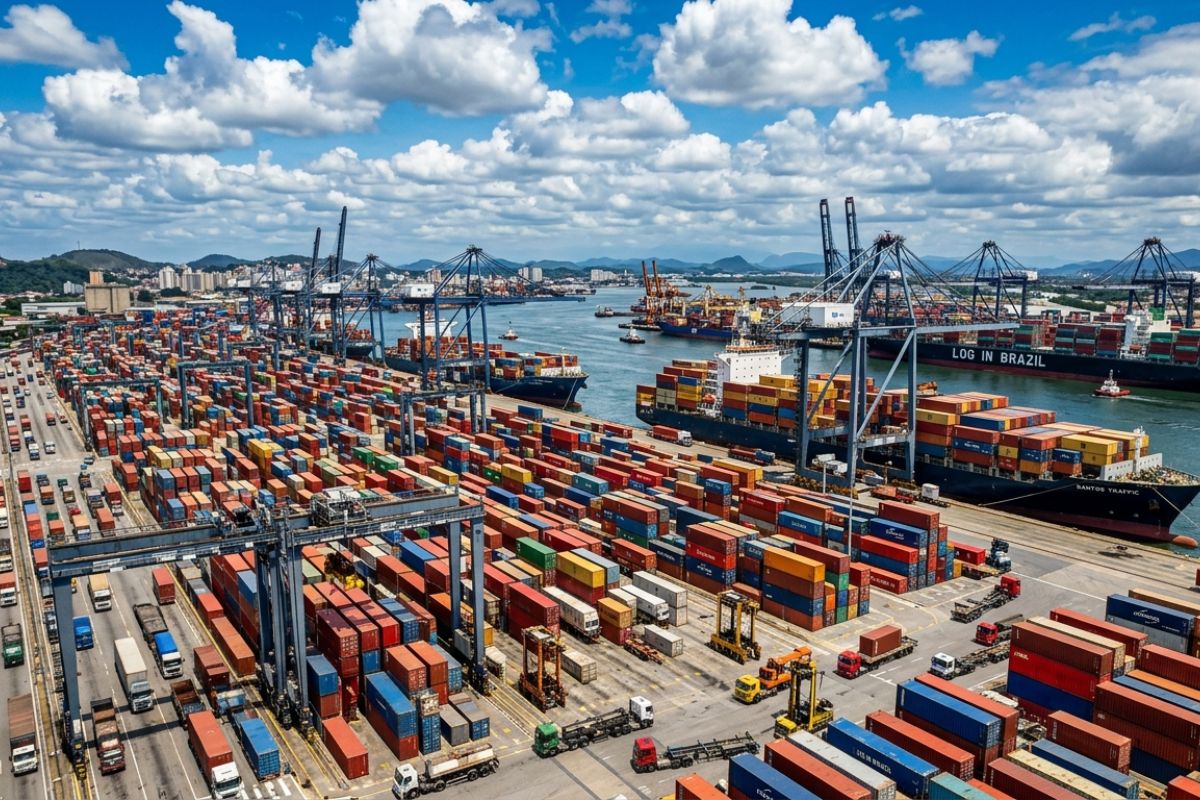
Ports like Santos and Paranaguá are operating at their limits and may block containers as early as 2030, warns a study by Macroinfra; bottlenecks increase costs and delays and push cargo to Rio, Salvador, Pecém, and Suape across Brazil.

On the other hand, plants that exit RenovaBio and do not renew their program certification, which must be done every three years, will face increased costs, he said.
According to Mattoso, the agency will not evaluate the projects of the plants to improve their rating. Thus, the plant will be able to use the resources even for raw material production if it indeed influences the improvement of its efficiency rating.
The new line from the National Bank for Economic and Social Development will be accessible by production unit and will have limits per plant and per controlling economic group. Payment must be made immediately upon entry.







Seja o primeiro a reagir!