





 Portuguese
  English
  Spanish
  2 min of reading


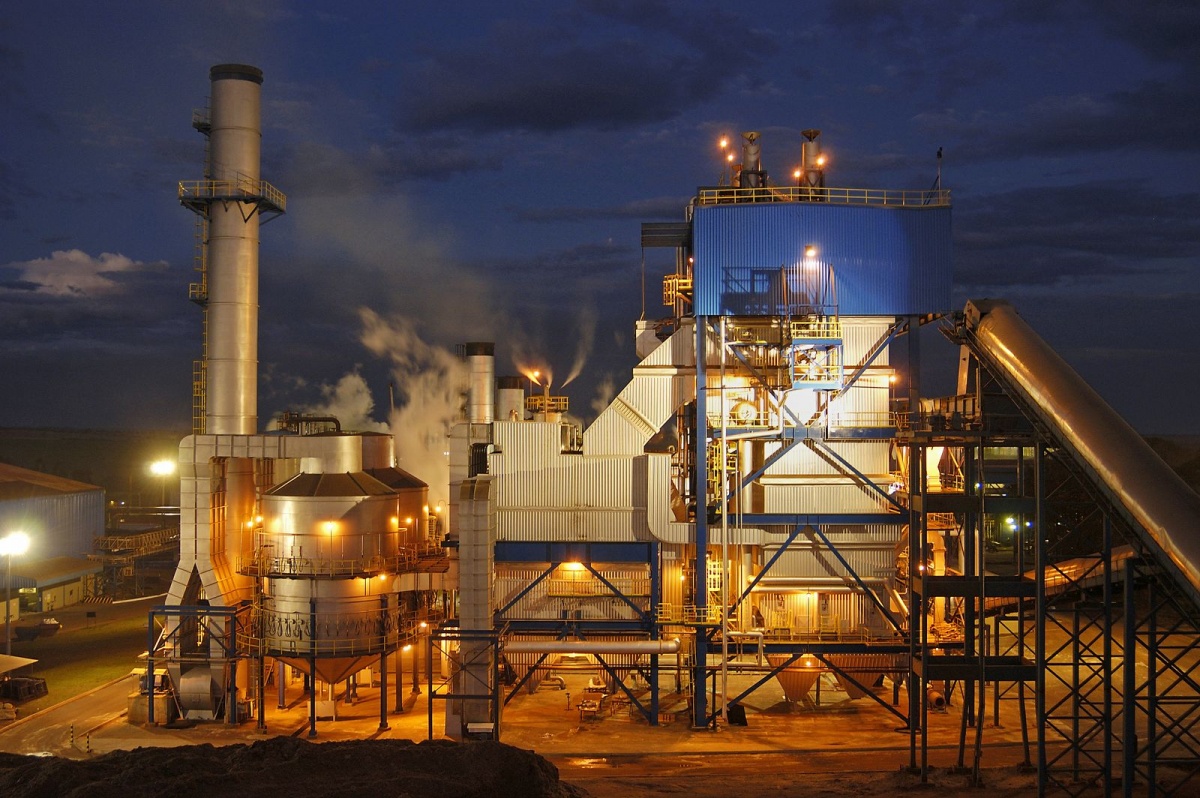
The Objective of This BNDES Program Is to Improve the Energy-Environmental Efficiency Rating of Ethanol Plants to Reduce Carbon Emissions
The BNDES – National Bank for Economic and Social Development is preparing a new financing channel whose interest rate is linked to the improvement of the “carbon footprint” of ethanol production plants, and it may be launched by the end of this year. The aim is to raise the levels of energy and environmental efficiency of the plants approved by the RenovaBio program, which came into effect this year.
See Other News of the Day:
- Engie Is Hiring for Job Opportunities in Belo Horizonte, Minas Gerais, on This Day 03
- In Bahia, Buses Powered by Compressed Natural Gas and Biogas Are Testing in Salvador
- Equinor Plans to Expand Its Wind Power Acquisition and Will Continue to Leverage Its Position in Offshore Wind Energy
The program was announced by Mauro Mattoso, head of the Agribusiness and Biofuels Department at the bank, during a speech at a virtual event hosted by the consultancy Datagro. The bank is considering offering initial costs related to TLP – long-term rates, Selic, or fixed costs.
When contracting resources from the production line, BNDES must set a goal for the development of the invoice – if this goal is met, the producer will receive discounts on interest rates.
-
For the economist José Kobori, the USA gained a trump card to “blackmail” Brazil and undermine China’s influence by classifying the PCC and Comando Vermelho as terrorists, increasing the power to pressure companies, banks, and even Pix.

-
The labor shortage has changed its face in Brazil: companies hire 80% more, but workers stay only 6.8 months in the job, the service market becomes a “revolving door,” and businesses spend increasingly more to train teams that soon leave.

-
Chinese giant chooses SC to set up its first factory in Brazil, investing R$ 250 million and producing MRI machines costing R$ 10 million each, with 100 direct jobs and 5% of revenue allocated to research.

-
After selling a unit for R$ 115 million to pay off debts, a traditional factory in SC founded in 1932 has a new R$ 64.8 million plan denied by the court and retains about 690 workers in Joinville.



On the other hand, plants that exit RenovaBio and do not renew their program certification, which must be done every three years, will face increased costs, he said.
According to Mattoso, the agency will not evaluate the projects of the plants to improve their rating. Thus, the plant will be able to use the resources even for raw material production if it indeed influences the improvement of its efficiency rating.
The new line from the National Bank for Economic and Social Development will be accessible by production unit and will have limits per plant and per controlling economic group. Payment must be made immediately upon entry.







Be the first to react!