





 Portuguese
  English
  Spanish
  2 min of reading


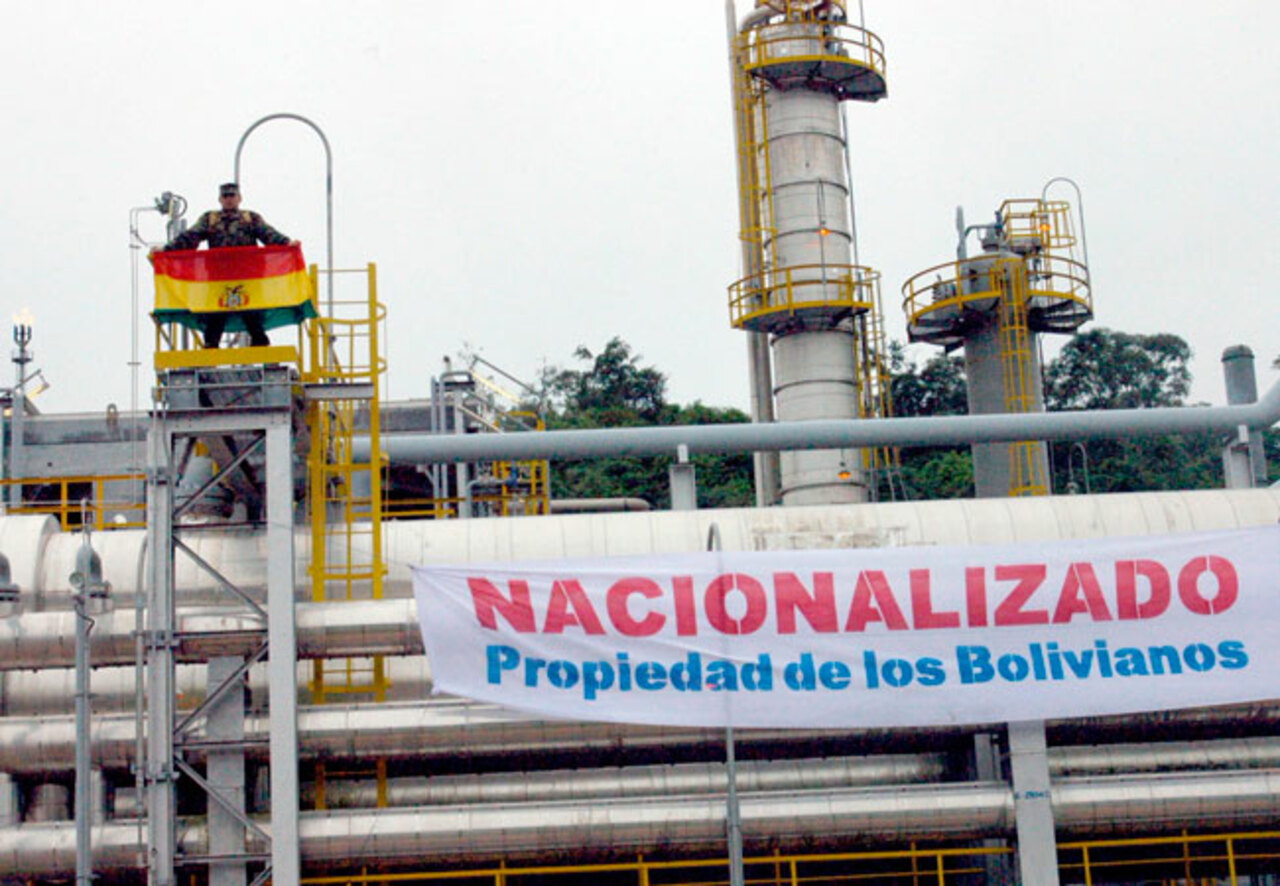
The Government of Bolivia, under Luis Arce, Aims Not to Be Generous with the President of Brazil Regarding the Supply of Gas to Brazil. Despite the Bolivian President Being a Little More Moderate, the Energy Supply Negotiation Will Be Difficult.
Since March, Yacimientos Petrolíferos Fiscales, a Bolivian company responsible for fuel (gas) management, has negotiated gas supply with the Brazilian state-owned company Petrobras as follows: Brazil receives 20 million cubic meters per day, but pays for 14 million cubic meters of the offered supply, regardless of whether or not it consumes the gas. This scheme is known as take or pay, where the company takes the product or pays a penalty to the supplier. However, there are occurrences that benefit Brazil: the pre-salt production is increasingly abundant, and the price of LNG, liquefied gas, is low in the international market.
Read Also
Gasbol – The Gas Supply Route Between Bolivia and Brazil
The Bolivia-Brazil pipeline, named Gasbol, is a transportation route for natural gas between Bolivia and Brazil, with a length of about 3,150 km, being 557 on Bolivian territory and 2,593 on Brazilian territory.
According to the Brazilian Transport Company Bolivia-Brazil Gas Pipeline (TBG), Gasbol is made up of welded steel pipes buried in the ground at an average depth of one meter, in a 20-meter-wide land strip that is properly marked and delineated, known as a servitude strip.
-
Brazilian giant expands borders in the Southeast: Petrobras confirms new oil discovery in ultra-deep waters in the pre-salt of the Campos Basin.

-
Alert in the global energy market: Severe tropical cyclone hits the coast and disrupts gas production at major plants in Australia, threatening global supply.

-
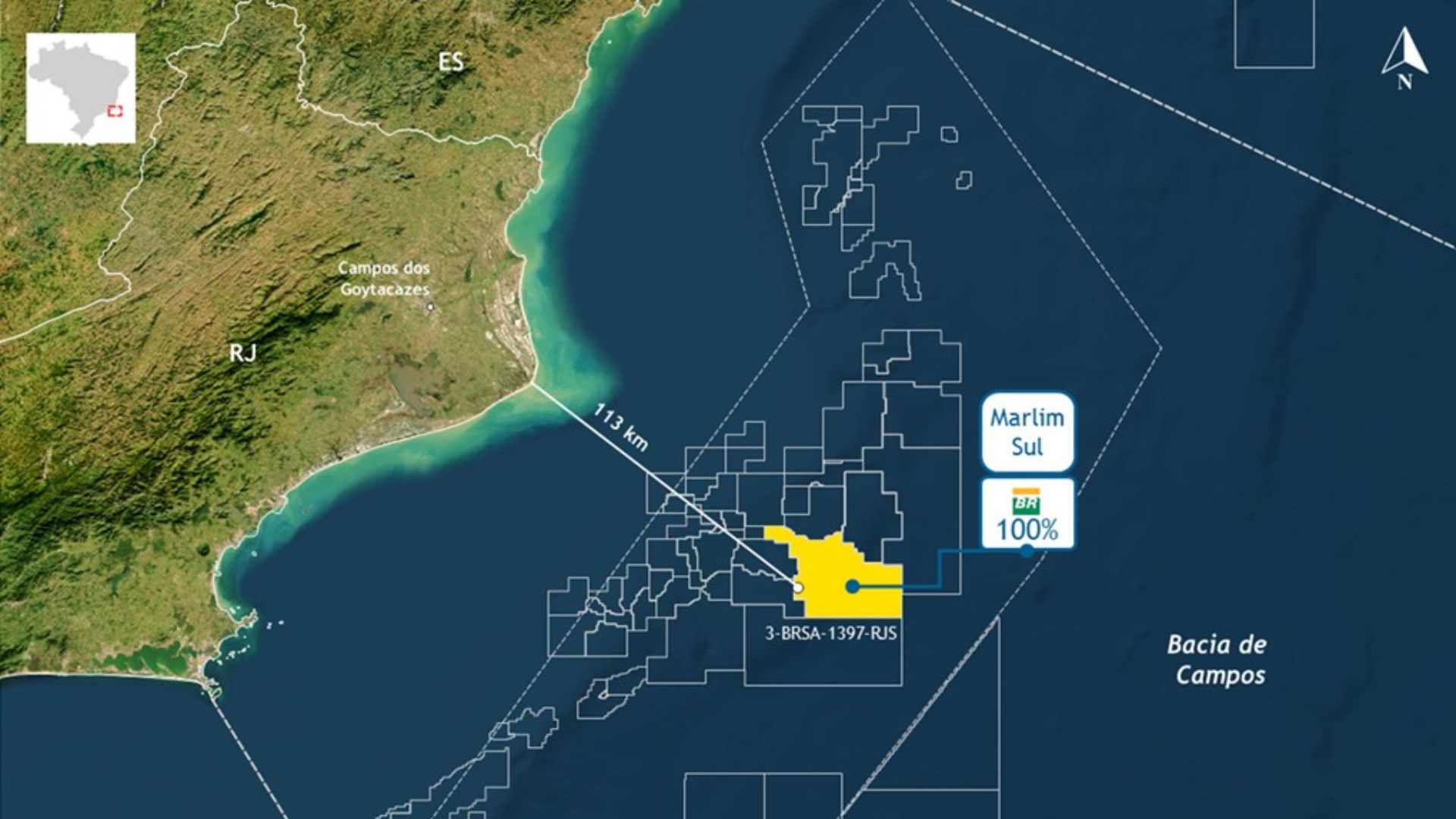
Petrobras finds high-quality oil in the pre-salt at 113 km from RJ and reignites expectations about strategic reserves in the Campos Basin.

-
Ocyan opens registrations for startups focused on innovation in the oil and gas sector and will select projects for Innovation Day with the support of Nexio.


It operates under high pressure. However, as it approaches cities, this pressure is reduced so that the gas can be delivered to Local Distribution Companies (CDL) through TBG’s delivery points.
Now the Brazilian government, the state-owned Petrobras, and the Ministry of Economy are strategizing on how they can handle the matter amicably.









Seja o primeiro a reagir!