





 Portuguese
  English
  Spanish
  5 min of reading
  0 comments



The Volumetric Fraud, Known as “Dumb Pump”, Manipulates the Fuel Pump Meters, Making Drivers Pay More Than They Actually Receive in the Tank. Investigations Show That the Scheme Involves Criminal Factions and Moves Billions.
The so-called “dumb pump”, a term used to designate volumetric fraud at gas stations, makes consumers pay for a higher volume of fuel than what actually goes into the tank.
The method, described by the Legal Fuel Institute (ICL) and identified in different regions of the country, occurs in the fueling equipment itself, where the meter displays numbers that do not correspond to reality.
While authorities investigate the infiltration of factions throughout the supply chain, drivers report daily losses of liters that disappear without a trace in the tank.
-
3 times more ethanol per hectare can be produced with Eike Batista’s supercane amid rising gasoline prices — how can this technology change fuel prices in Brazil?

-
Former president of IBP highlights that dependence on diesel imports pressures prices in Brazil, increases vulnerability to global crises, and underscores the need for more robust and sustainable energy policies.
-
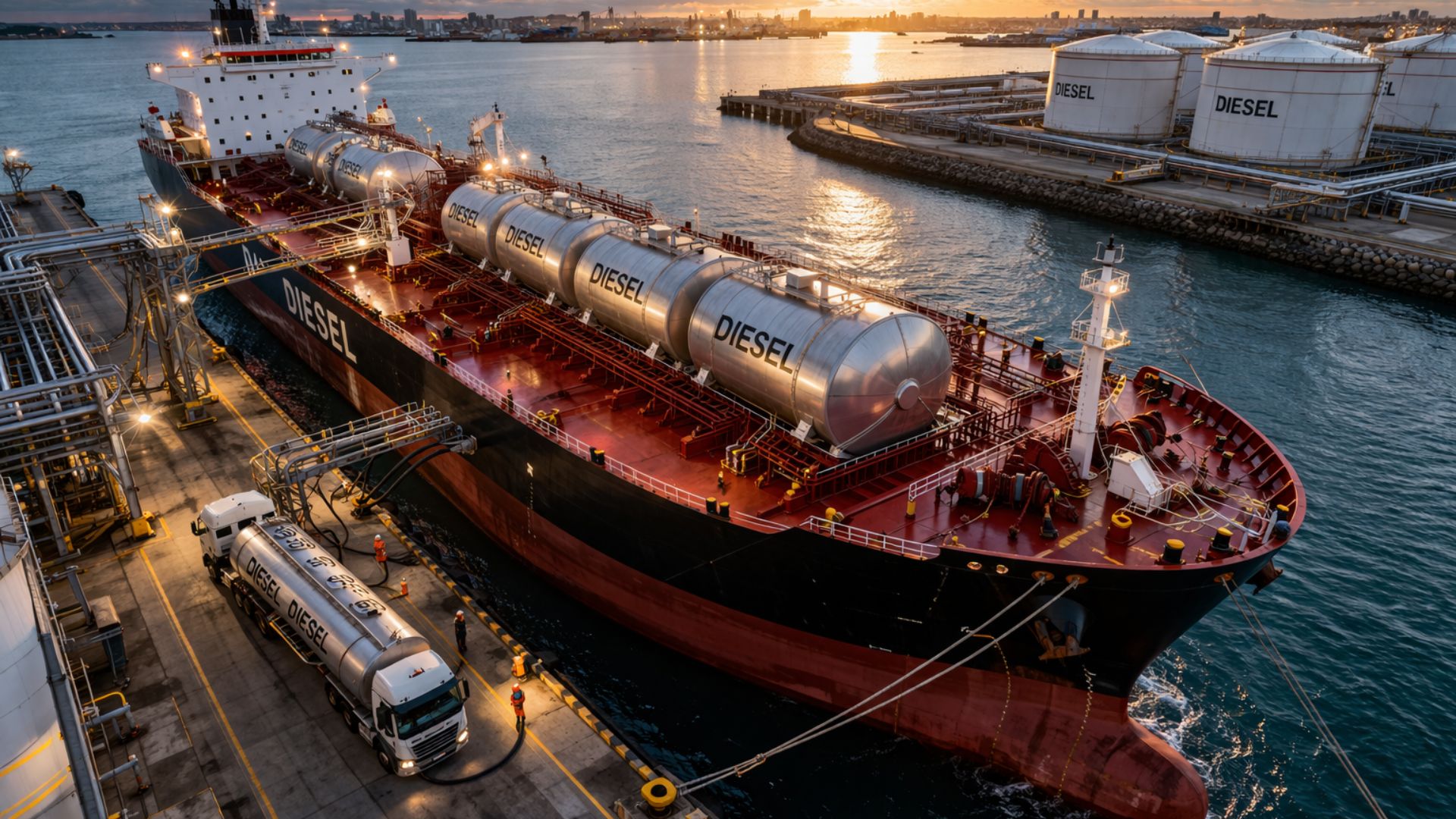
Middle East War Drives Up Oil Prices, And Petrobras Increases Diesel: Fuel Reaches R$ 3.65 Per Liter At Distributors
-
Oil Soars to Nearly $120, Middle East Tensions Shake Global Market, and a Little-Known Detail Returns to Energy Debate: The Gigantic Strategic Reserves Hidden by G7 Countries — See How Many Millions of Barrels Each Nation Holds in Reserve to Face a Global Crisis


How Volumetric Fraud Operates
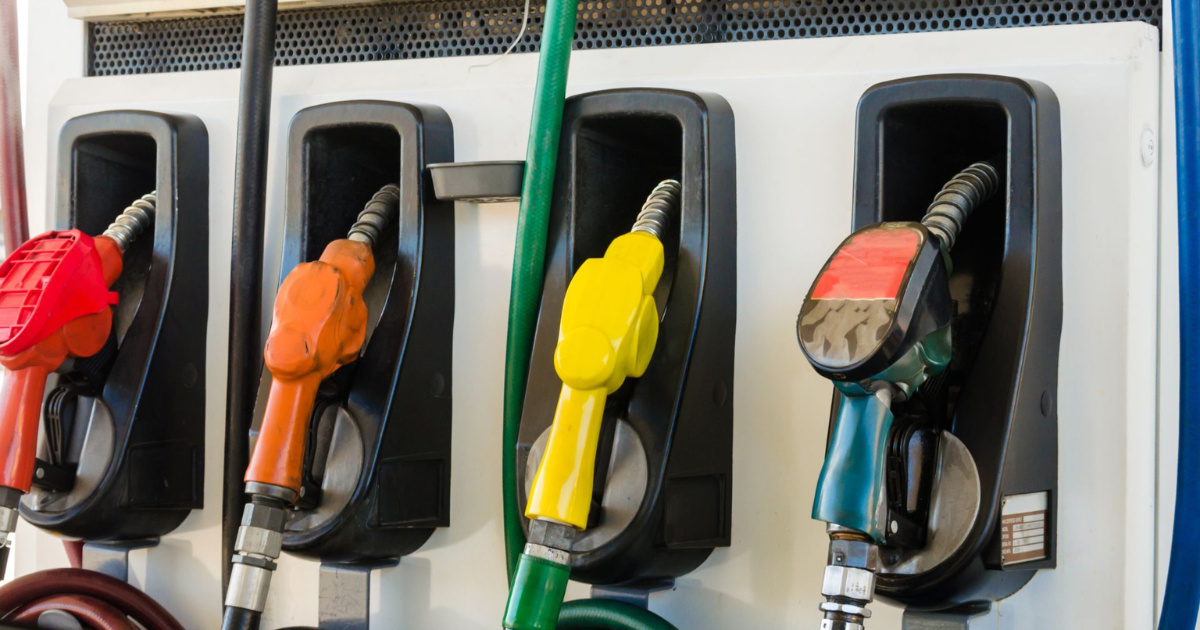
The scam happens at the pump. Electronic modules installed in the equipment alter the volume counting. Therefore, what appears on the display is not the actual amount dispensed into the vehicle.
According to ICL’s executive director, Carlo Faccio, measurements conducted by the organization have detected “discrepancies that can reach 31% [of the volume]“.
In market jargon, this equipment is called “chipped pumps” or “dumb pumps”. In addition to digital tampering, there is remote control of the system via remote or app.
If there is a risk of inspection, the software can be turned off in seconds, making the pump operate within standard at that moment.
For this reason, the fraud often operates on small margins per fueling, enough to go unnoticed most of the time, but profitable when repeated throughout the day.
Field Audits and Practical Indications
To map irregularities, ICL uses the “mystery client”: a vehicle that refuels anonymously and measures quantity and quality.
Only in 2025, according to the organization, over 2,000 visits were made to gas stations, with around 700 reports of fraud and tampering.
Although not every suspicion results in a sanction, the data suggests that volumetric fraud is widespread and adds to other illicit practices in the sector.
In service, there are clues that help raise suspicions. Differences between tank capacity and the recorded volume, insistence on selling by value rather than by liters, in addition to prices far below the local average, raise alarms.
In parallel, practices like selling regular gasoline as premium or forcing payment through specific machines also appear in reports of inspections and industry complaints.
What Drivers Can Do
Knowing the tank capacity is a first step to confront displayed values.
Still, as manipulation tends to be discreet, contesting at the time of refueling is not always simple. ICL’s guidance is to replicate the inspection procedure: ask for liters.
“Instead of asking for R$ 150 worth of gasoline, ask for 20 liters. It’s the best alternative,” stated Carlo Faccio.
By selecting a fixed amount, some electronic tampering loses effectiveness, and consumers gain a clearer benchmark to compare contracted volume and the real range of the vehicle.
In case of suspicion, it’s worth keeping the receipt, noting the date and time, saving the pump coupon, and, if possible, recording the odometer.
With this information, it’s easier to formally file a complaint through official channels and produce evidence for a new technical verification.
Infiltration of Organized Crime in the Sector
Recent investigations indicate that the problem is not limited to the gas station front.
Federal Police and other agencies’ inquiries show that the First Command of the Capital (PCC) has infiltrated the fuel supply chain, participating in ethanol plants, transporters, distributors, and gas stations spread across eight states.
The advance included the use of fintechs and investment funds in the Faria Lima Avenue area in São Paulo for money laundering and concealment of assets.
Between 2020 and 2024, this arrangement is said to have moved R$ 52 billion, according to investigations. It wasn’t just the PCC.
In other fronts, investigations linked the Red Command and militias to clandestine stations that applied similar practices of tampering and measurement fraud.
In the midst of the investigations, the judiciary issued 350 search and seizure warrants against individuals and legal entities, and the Federal Revenue launched Operation Hidden Carbon to target the entire chain — from production to marketing.
Product Tampering and Risks to the Engine
In addition to volumetric fraud, product tampering increases the damage. The PF reported gasoline with ethanol content above the legal limit, as well as the return of methanol to the mixture — a corrosive and toxic compound, low cost and high risk, capable of causing serious damage to the engine.
In ethanol, the most common practice is adding water, which reduces octane levels and compromises performance.
Practically, drivers pay for a “worse” fuel and also risk facing mechanical failures and increased consumption.
The volumetric fraud, in this context, acts as a complementary piece: it maximizes the margin of those who already profit from tampered products and complicates the traceability of the money.
From liter to liter, the additional charge without equivalent delivery becomes unbacked cash, favorable for laundering.
Why It Is Difficult to Catch
Even with inspection teams, catching it in the act encounters three factors. First, the stealth: manipulations tend to few liters per operation.
Second, the remote deactivation of the tampering, which can be turned off as soon as any indication of inspection arises.
Third, the natural discrepancy in consumption, which varies with traffic, terrain, calibration, and maintenance, generating noise in a regular driver’s comparison of what they paid and what they used.
Still, the collection of structural indicators — “chipped” equipment, remote control, inconsistent volumes, and articulated business chains — supports the need for constant inspection and for reporting whenever there is reasonable suspicion.


Companies, Targets, and Developments
Investigations focused on companies operating in plants, formulation, distribution, and gas station networks, such as the Aster/Copape Group.
The fintech BK Bank was also mentioned, identified as a tool to move illicit funds, and the Reag manager, which is linked, according to investigations, to the acquisitions of plants and distributors.
The number of investment funds under suspicion reaches at least 40, and judicial measures include asset seizures and raids at corporate and residential addresses.
The mentioned companies deny any irregularities and claim to cooperate with the authorities.
As the process advances, drivers remain exposed to two layers of risk: paying more than they receive at the pump and refueling with irregular fuel.
What strategy do you already adopt or plan to adopt to verify, in practice, if the volume refueled corresponds to what the pump recorded?








-

Uma pessoa reagiu a isso.