





 Portuguese
  English
  Spanish
  3 min of reading


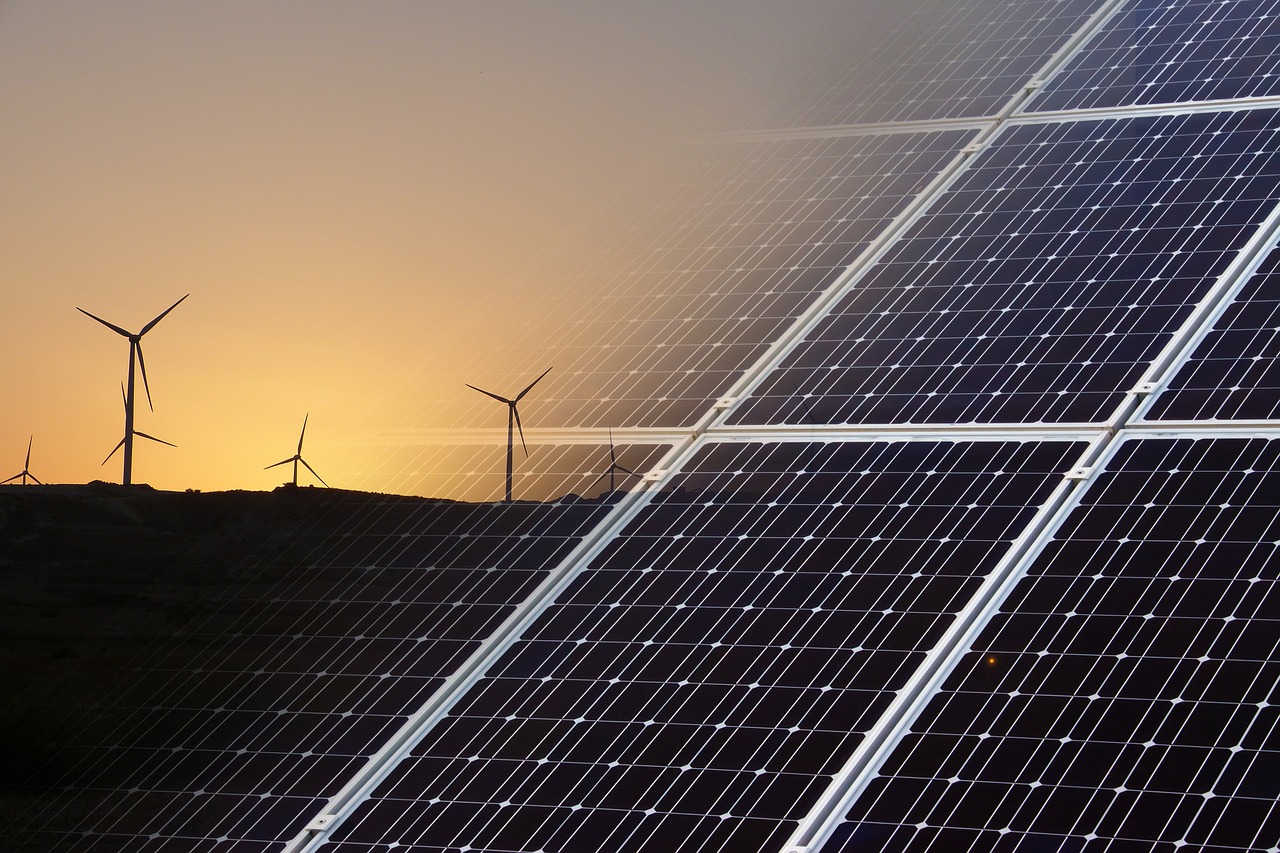
CCEE’s Surveys Indicate That The Electric Sector In Brazil Will Expand Significantly By 2026, With About 241 Wind And Solar Power Plants That Will Have A Total Investment Of R$ 34 Billion.
For this Friday, (06/24), the projections from the Electric Energy Commercialization Chamber (CCEE) regarding the future of the Brazilian energy sector are optimistic. This is because recent studies from the agency indicate that by 2026, Brazil will have a total of 241 new plants for the production of wind and solar energy, with a billion-dollar investment for the enhancement of renewables in the country’s electricity supply.
CCEE Data Shows That More Than 240 Wind And Solar Power Plants Will Be Built In The National Territory By The End Of 2026
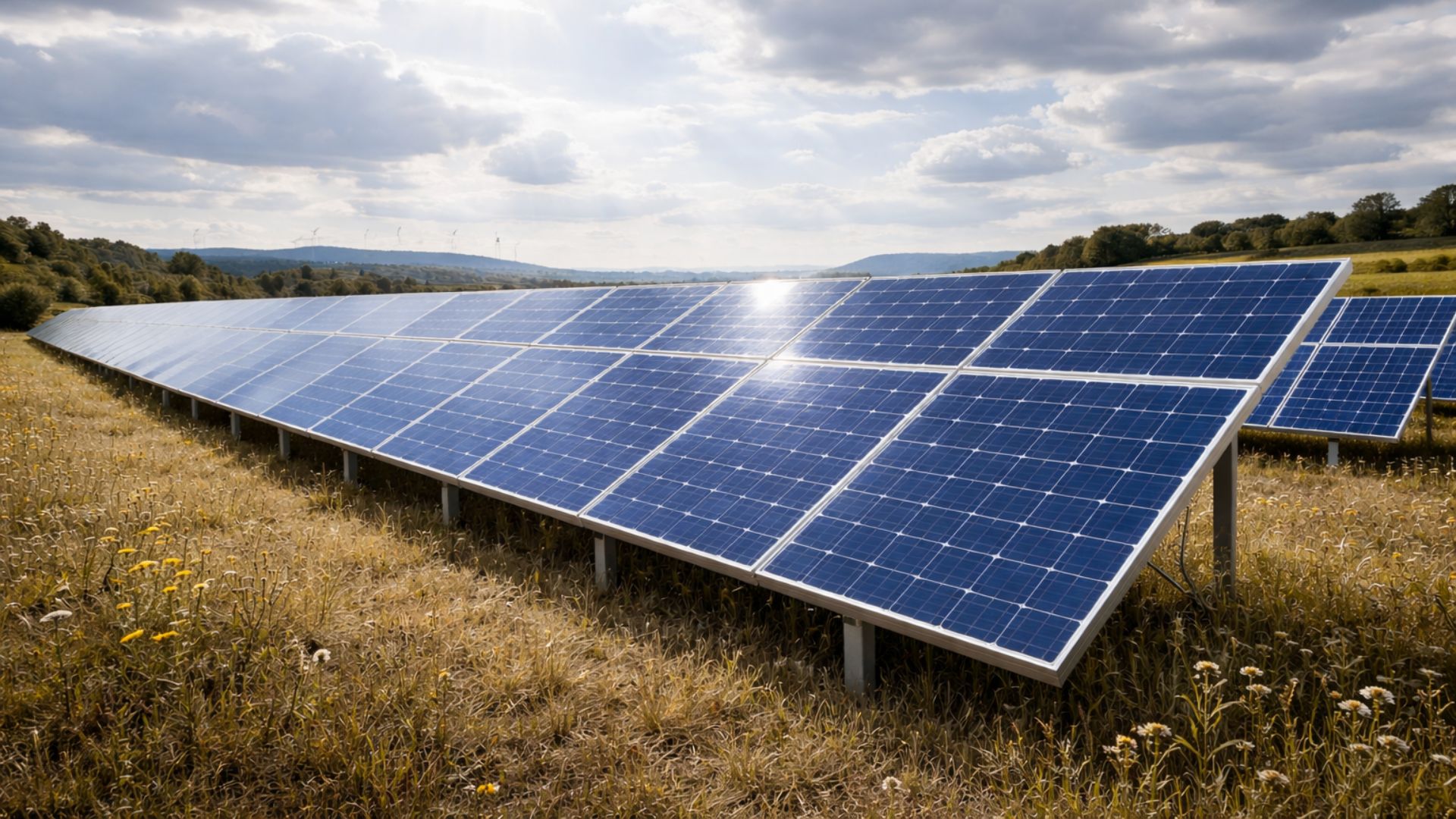
The energy transition is an increasingly debated issue, and the electricity supply in the country is moving toward a significant environmental direction over the next few years. Evidence of this is the current CCEE study regarding the future of the sector in Brazil, which shows that about 241 new energy plants produced from wind and solar sources will be built in the national territory by 2026, injecting almost 6 GW of power into the electrical system, equivalent to almost half the capacity of the Itaipu Hydroelectric Plant.
All of this data was collected considering the latest electricity auctions in the country and the projects to go through the National Electric Energy Agency (ANEEL) for the next 4 years in the national market.
-
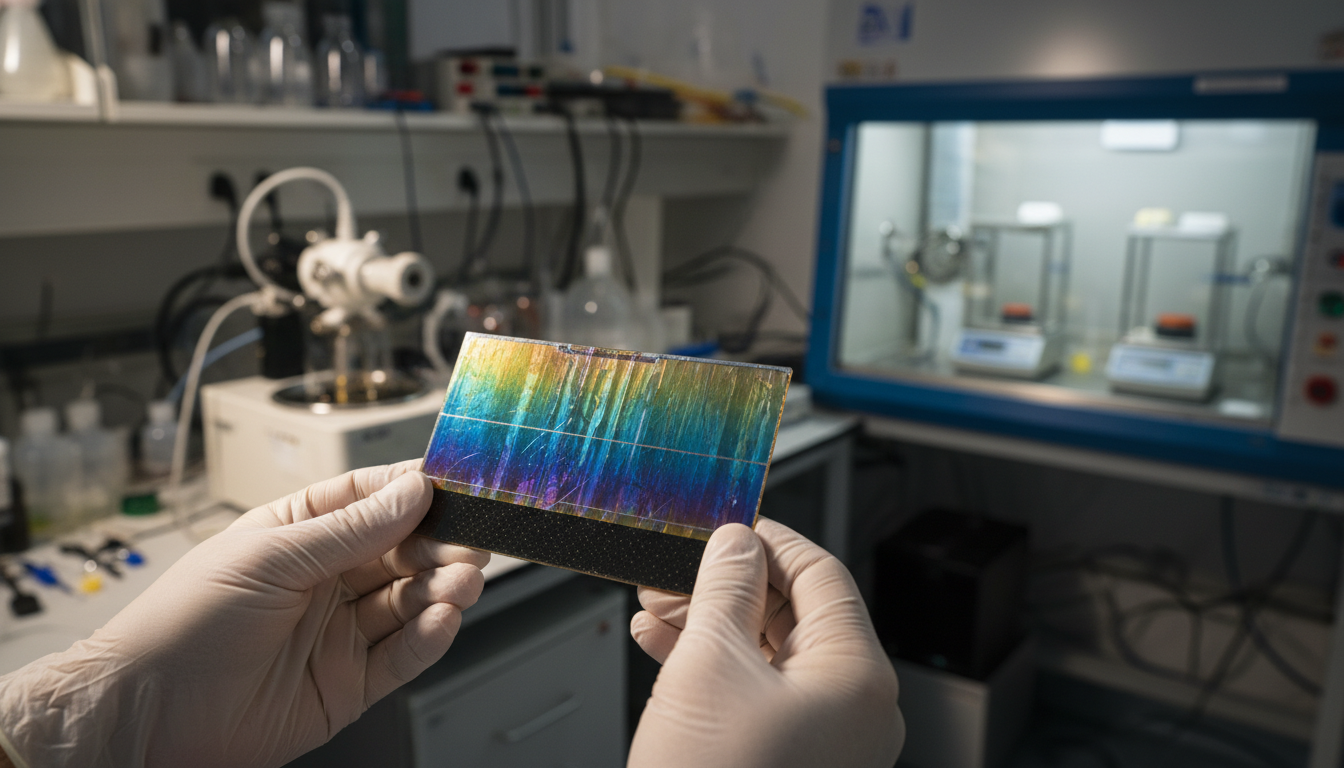
Chinese company creates solar cell that breaks the physical limit of silicon with 34.85% efficiency and promises to revolutionize electricity bills with panels that generate 20% more energy starting in 2026.
-
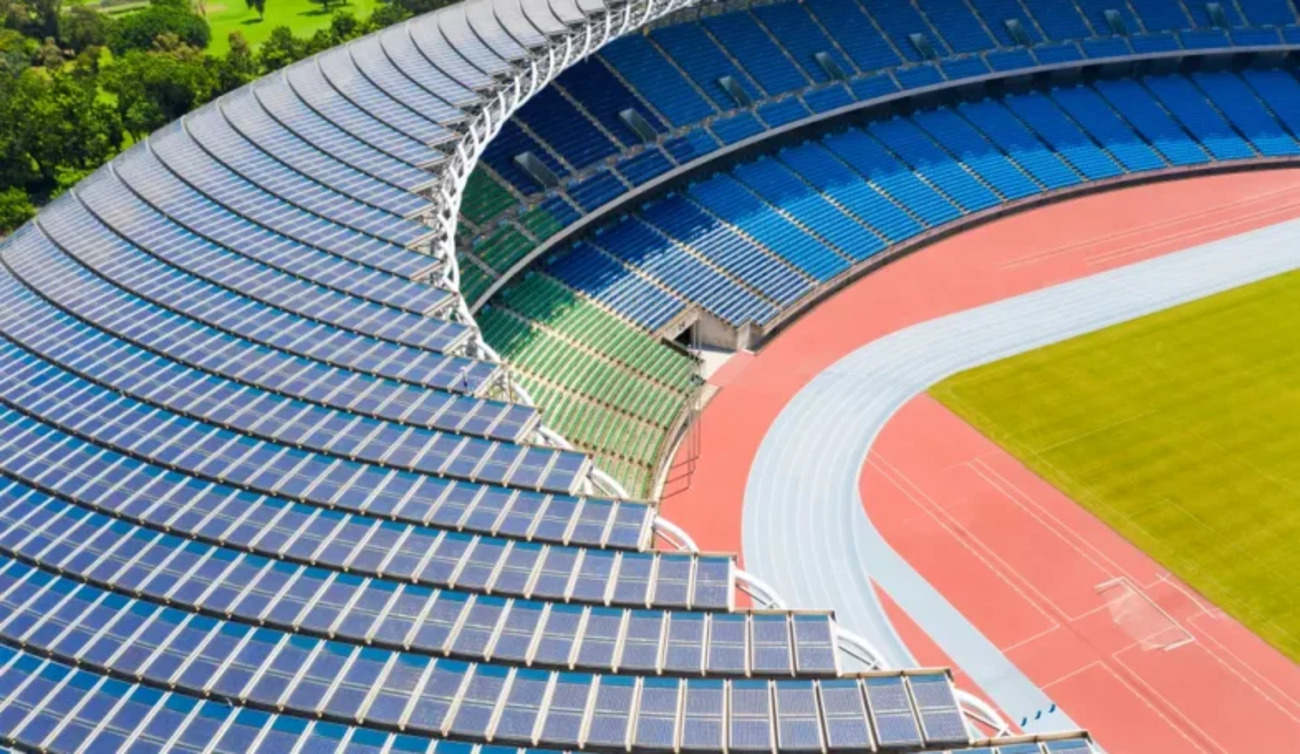
How green infrastructure and renewable energy at the World Cup transform the logistics of the largest sporting event on the planet in North America.
-
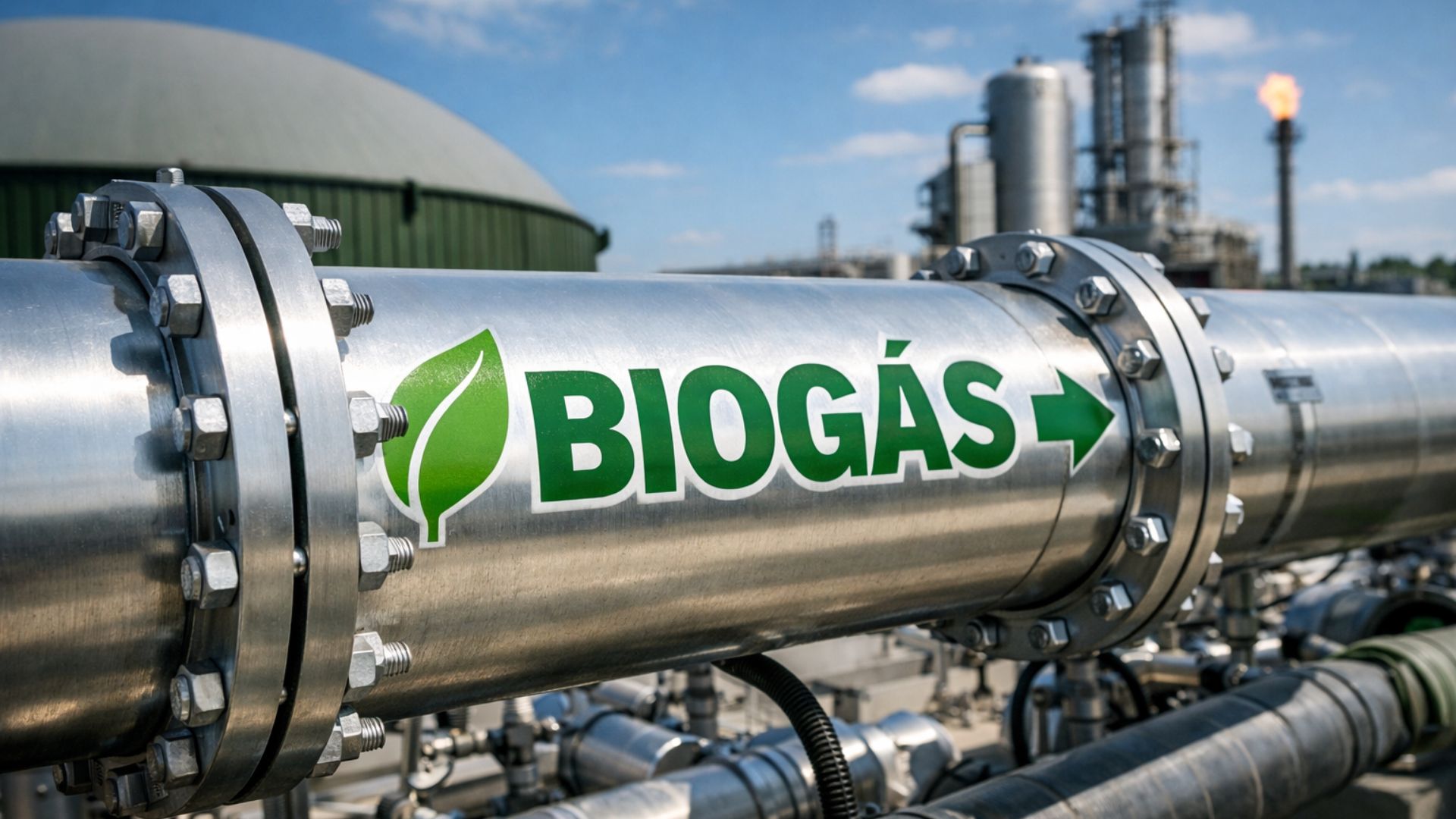
The Cagece and UFC project advances in sustainable innovation with biogas by converting waste into renewable energy, reducing environmental impacts, and increasing sanitation efficiency with concrete and measurable results.
-
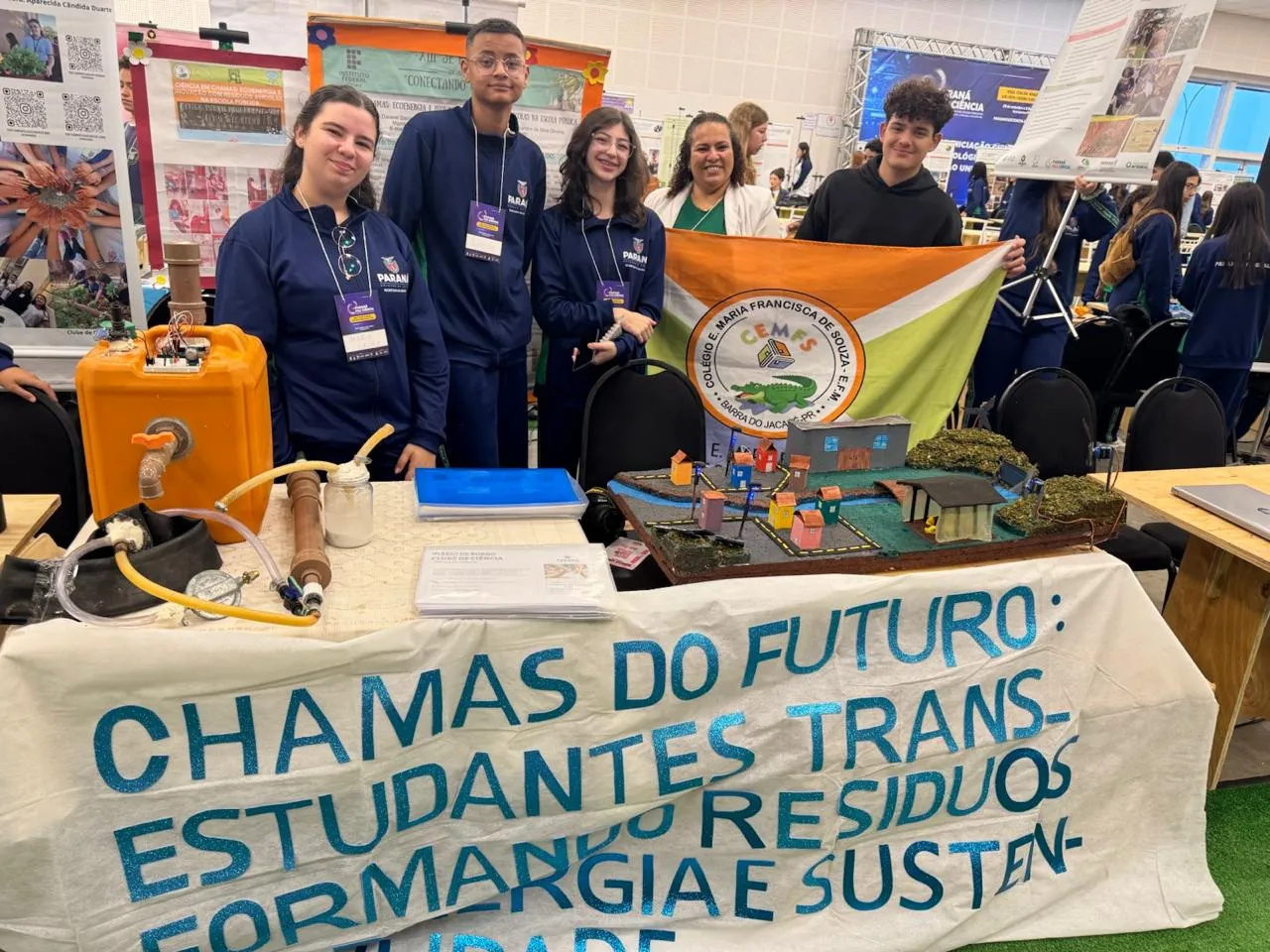
Paranaense students develop a system that transforms farm waste into clean energy and revolutionizes sustainable agribusiness.
Furthermore, the CCEE study also confirms that the total investments to be made for the construction of new plants in the national territory over the next few years will amount to R$ 34 billion, thus ensuring good economic movement in Brazil by the end of 2026.
Thus, the president of the CCEE Board of Directors, Rui Altieri, emphasized the importance of investments in wind and solar production plants for environmental issues in Brazil and stated that “Diversification of the matrix helps reduce our dependence on hydrology and water reservoirs, which are still our main energy resources, and ensures greater comfort in facing impacts during times of climate change.”
Renewable Energy Plant Construction Projects In Brazil Will Be Prioritized In The Northeast Region, Says CCEE
In addition to providing a future projection for the 241 wind and solar power plants in Brazil by 2026, the CCEE data also confirms that these projects will be primarily installed in the Northeast region of Brazil. More specifically, the plants will be allocated in the states of Rio Grande do Norte, Bahia, Piauí, and Paraíba. This is because this region is historically known for its strong winds and high solar irradiation, contributing to good production of this resource.
Thus, with the construction of the new plants by the end of 2026, the CCEE expects that the installed capacity of the country will increase from 27,000 megawatts to 33,000 megawatts, and the estimate is that these new plants will supply approximately 1,646 MW of average power to the National Interconnected System (SIN) each year. Wind production in Brazil is currently the third-largest source, with 813 plants, while the solar market is more recent and has 187 plants.
Now, Brazil is moving not only towards increasing environmental commitment over the next few years but also towards diversifying its energy matrix concerning the country’s electrical supply, maintaining its position as a global leader in renewable energy production.








Seja o primeiro a reagir!