





 Portuguese
  English
  Spanish
  3 min of reading


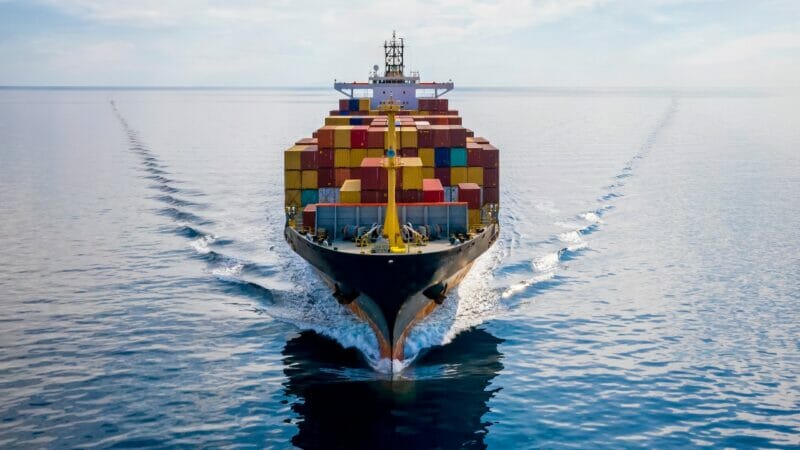
Brazil Highlights The Potential Of Biofuels, Emphasizing Ethanol As A Strategic Fuel Toward Decarbonization. The Topic Was Assertively Addressed During Brazil’s Participation In The IMO Latin America Green Navigation Conference.
On Tuesday (08/29), Brazil is leading a change of posture in the quest for maritime decarbonization, actively advocating for the use of ethanol as the main fuel. The discussion was highlighted at the Green Navigation Conference in Latin America, organized by the International Maritime Organization (IMO). While facing European resistance based on concerns about food insecurity, Brazil emphasizes the adaptability of existing infrastructure and seeks global support, including from China and the U.S., to position itself as a leader in defining the future of maritime energy.
IMO Green Navigation Conference Debates Use Of Ethanol As Maritime Fuel
The Green Navigation Conference in Latin America, organized by the IMO, marks a decisive moment for Brazil.
The country is intensifying its efforts in defending ethanol as the main maritime fuel to drive the sector’s decarbonization.
-
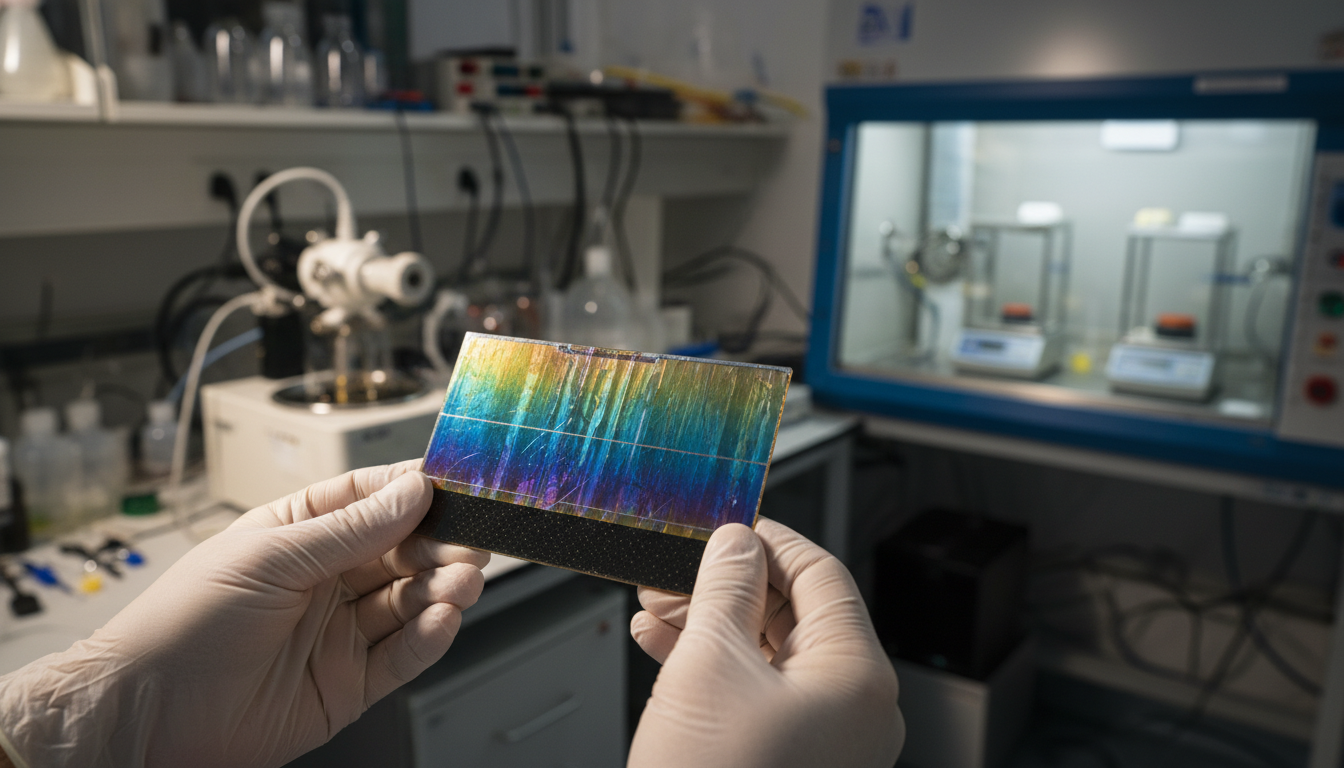
Chinese company creates solar cell that breaks the physical limit of silicon with 34.85% efficiency and promises to revolutionize electricity bills with panels that generate 20% more energy starting in 2026.
-
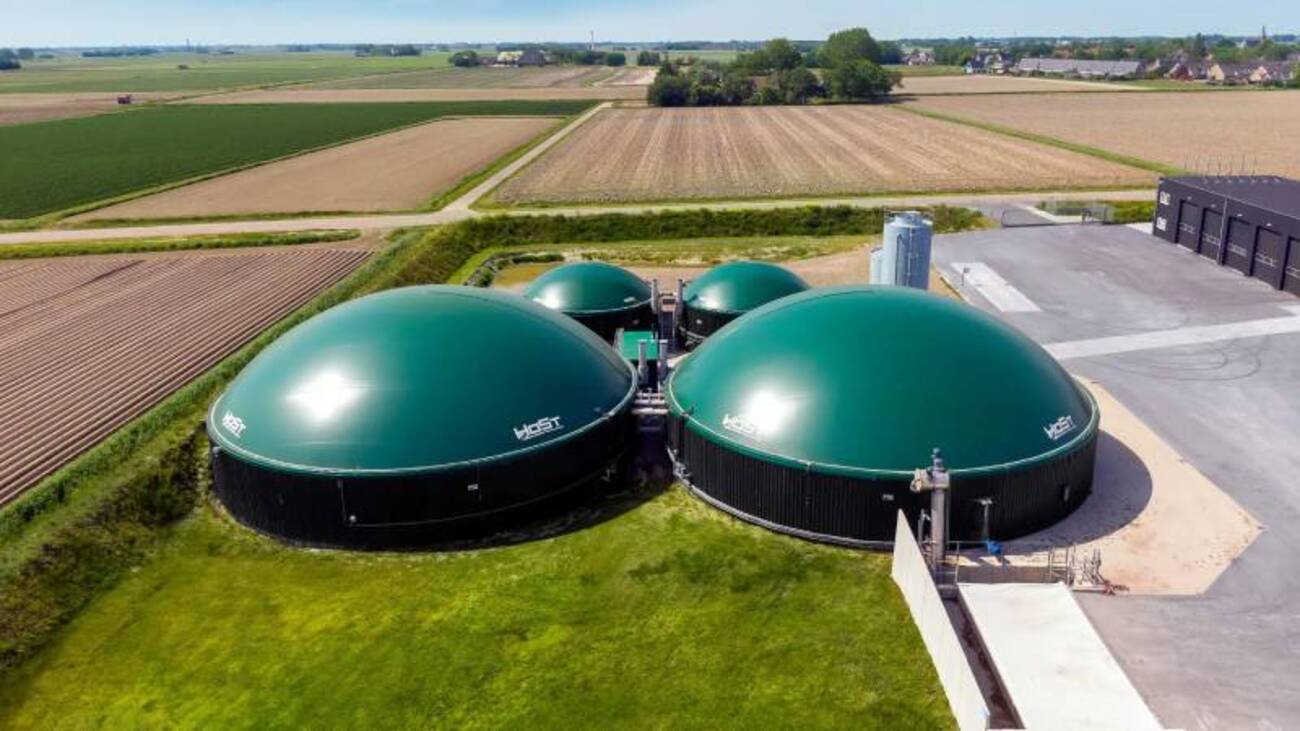
Revolution in the sugar-energy sector: Government sets new target for biomethane and paves the way for ethanol plants to profit from the conversion of waste into renewable fuel.
-
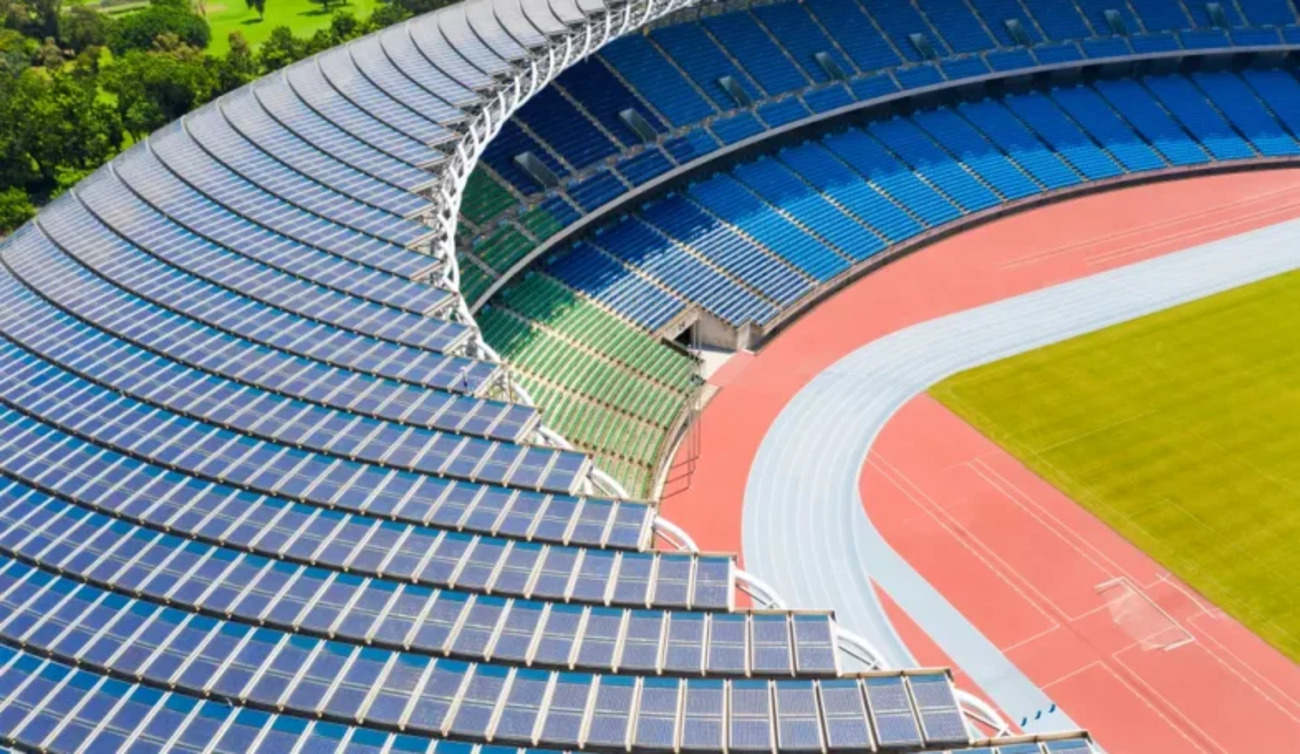
How green infrastructure and renewable energy at the World Cup transform the logistics of the largest sporting event on the planet in North America.
-
The Cagece and UFC project advances in sustainable innovation with biogas by converting waste into renewable energy, reducing environmental impacts, and increasing sanitation efficiency with concrete and measurable results.
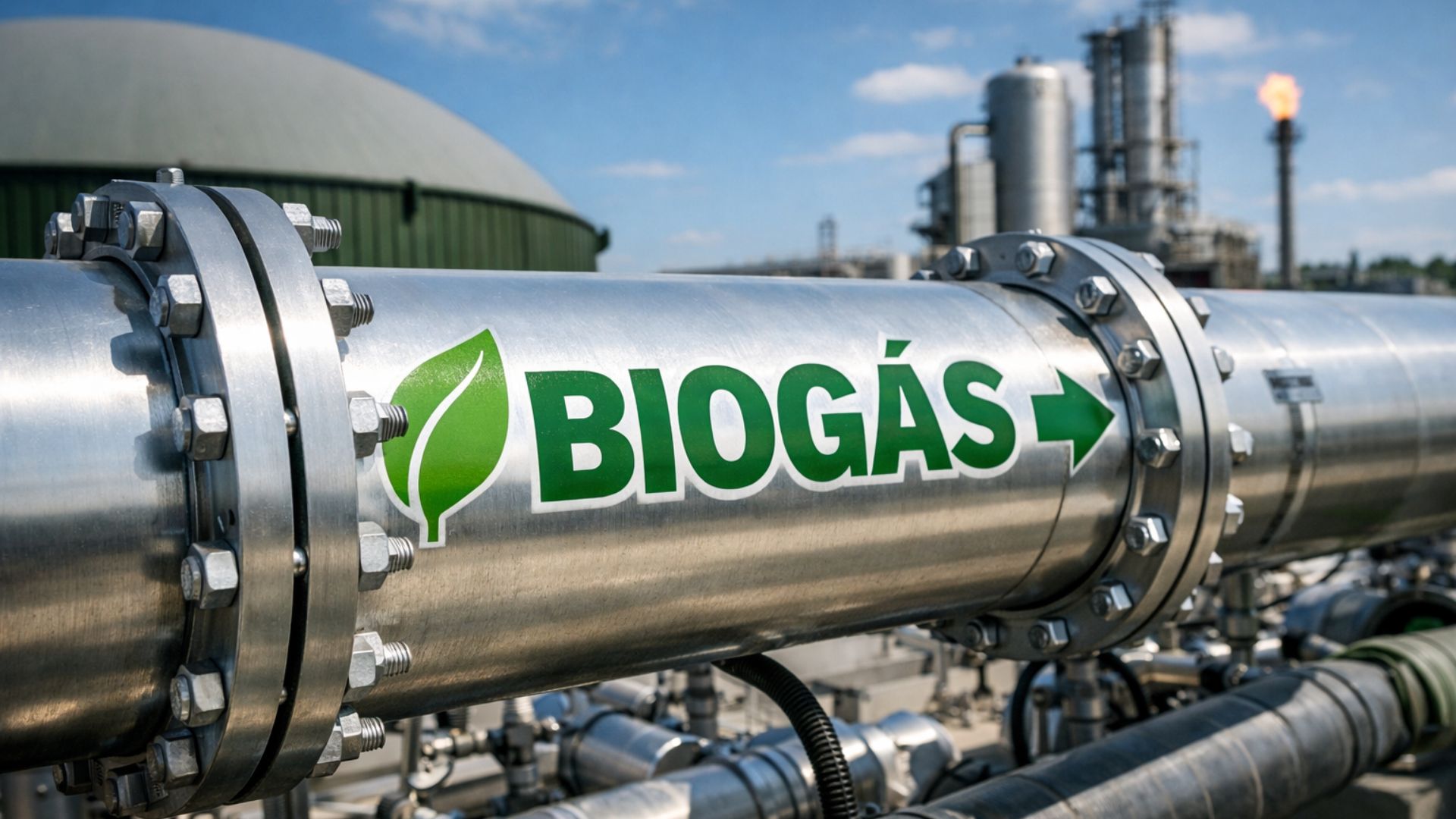
With a focus on emission reduction, Brazil takes a proactive stance at this regional meeting, held in Chile on the 28th and 29th of this month.
The growing urgency to address climate change led IMO members to agree on an ambitious goal: to achieve net zero emissions by 2050.
This agreement was reached during the Marine Environment Protection Committee (MEPC 80) meeting in July.
In this context, the use of biofuels emerges as a strategic alternative, with ethanol leading the way toward maritime decarbonization.
While Brazil vehemently advocates for ethanol as the answer to maritime decarbonization, European countries express reservations.
Concerns about food insecurity in biofuel production are raised by Europeans, who prefer solutions based on electrification and hydrogen.
However, the Brazilian model argues that sustainable biofuels can coexist with food production, fostering an integration between agriculture and energy.
Datagro, an influential agricultural consultancy, highlighted that the existing infrastructure for fossil fuel storage can be easily adapted for ethanol.
This approach proves to be a practical and economical alternative for maritime decarbonization, while solutions like green hydrogen face logistical and financial challenges.
China And The U.S. May Support Brazil In Adopting The Fuel For Maritime Transport Decarbonization
Despite the controversies with Europe, Brazil is currently receiving significant international support in its defense of ethanol as a maritime fuel.
Sources indicate that China and the United States are willing to support Brazil in international forums for the adoption of biofuels, aiming to reduce maritime emissions.
The IMO meeting in Chile presents a crucial opportunity to consolidate this global partnership for decarbonization.
The National Union of Merchant Marine Officers (Sindmar) emphasizes the importance for Brazil not only to follow but to lead in innovation for maritime decarbonization.
“Brazil needs to decide whether it wants to participate in innovation or be just a mere buyer of what the Europeans decide. We have many opportunities, especially in inland navigation and cabotage, to use national solutions,” said President Carlos Augusto Müller.
With the lifespan of ships exceeding 25 years, the transition to cleaner energy sources is urgent.
Brazil could then offer its solutions and expertise, especially on internal navigation routes and cabotage, to shape a sustainable maritime future.
Thus, Brazil’s voice at the IMO conference reflects not only the pursuit of green navigation but also the search for an active and decisive role in a sector that is rapidly transforming its energy landscape.







Seja o primeiro a reagir!