





 English
  Francês
  Alemão
  Italiano
  Japonês
  Norueguês
  Portuguese
  Spanish
  3 min of reading


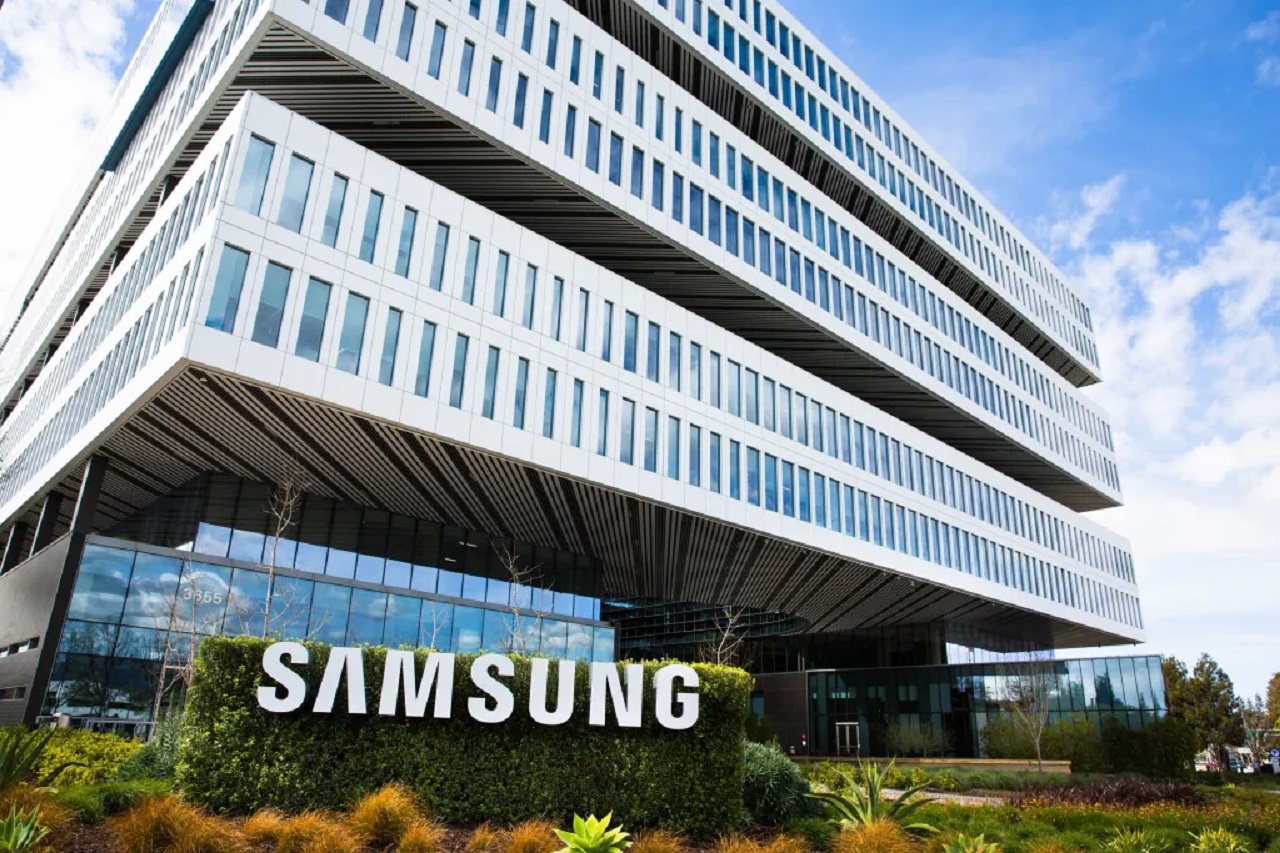
Brazil and South Korea Are Sealing Agreements to Build a Semiconductor Chip Factory in Partnership with Samsung.
The governments of Brazil and South Korea have closed a memorandum of understanding to join efforts to build a semiconductor factory that will be located in Brazil. The negotiations with the Asian country revolve around Samsung, one of the world leaders in the sector. The information was shared by Fábio Faria, Minister of Communications, in an interview with the press during the 5G.BR Seminar, organized by the entity itself.
Agreement with South Korea Could Bring a Semiconductor Factory to Brazil


According to Faria, there is a memorandum of understanding with the South Korean government and negotiations are being held with Samsung about the possibility of creating a factory in Brazil. The idea would be to build an industry capable of manufacturing parts that can supply the local industry, particularly the automotive sector, as well as being exported to countries in Latin America, Africa, and Europe. According to Faria, Brazil is a strategic point for the new Samsung factory.
If confirmed, the construction of the industrial plant in partnership with South Korea would be the responsibility of the private initiative, with possible tax benefits to be offered by the state where the unit would be installed. However, for now, there is nothing concrete.
-
Historic bankruptcy of Centauro shocks the market, and the century-old company puts more than 500,000 products, machines, and complete infrastructure up for online auction.
-
Unemployment rises again to 5.8% at the beginning of 2026, raising alarms about the end of temporary positions and its impact on the Brazilian job market.

-
Document organization can cut invisible costs in small businesses, a simple step that prevents waste, rework, and losses in daily operations.

-
Abandoned house for 15 years disappears in the woods, shocks owner with unrecognizable scenery and is reborn in an intense transformation after almost 90 hours of work in just 10 days.

The minister commented that the semiconductor market depends heavily on production carried out in Taiwan, which is currently going through a phase of geopolitical tensions with disputes between China and the United States, reinforcing the demand to seek alternatives to ensure the supply of inputs.
Semiconductor Shortage
The problem, however, is not new and is a market gap that has been dragging on for several months due to the global crisis caused by the COVID-19 pandemic and also the war in Eastern Europe, factors that have affected the logistics chain around the world.
The arrival of fifth-generation mobile internet (5G) will also open the market for the so-called IoT (Internet of Things), that is, communication between devices, which will increase the demand for semiconductors in the coming years.
Faria claims that he has also sought dialogue with Intel for the installation of a semiconductor factory in Brazil. According to the Minister of Communications, the company responded that it had sought the Brazilian government a few years ago but was unable to reach an agreement. Thus, Intel installed its factory in Costa Rica in mid-2008.
Liquidation of Ceitec
Despite the semiconductor supply crisis, the government of Jair Bolsonaro determined the liquidation of the Center of Excellence in Advanced Electronic Technology (Ceitec), a state-owned company that was the only manufacturer of chips and semiconductors in Latin America.
Based in Porto Alegre, Ceitec was developed by law in 2008, during the government of former President Luiz Inácio Lula da Silva. The intention was to have a large national producer in the sector. The problem is that the company has always been dependent on the National Treasury, meaning it required public investment to cover ongoing expenses and salaries.
Not making a profit and also considered inefficient, Ceitec became a target for the current government, which published an extensive list of privatizations. In the last year, the Investment Partnership Program (PPI) recommended the extinction of the state-owned company, and the presidential decree that formalized the decision was published in December 2021.







Seja o primeiro a reagir!