Portuguese
  Spanish


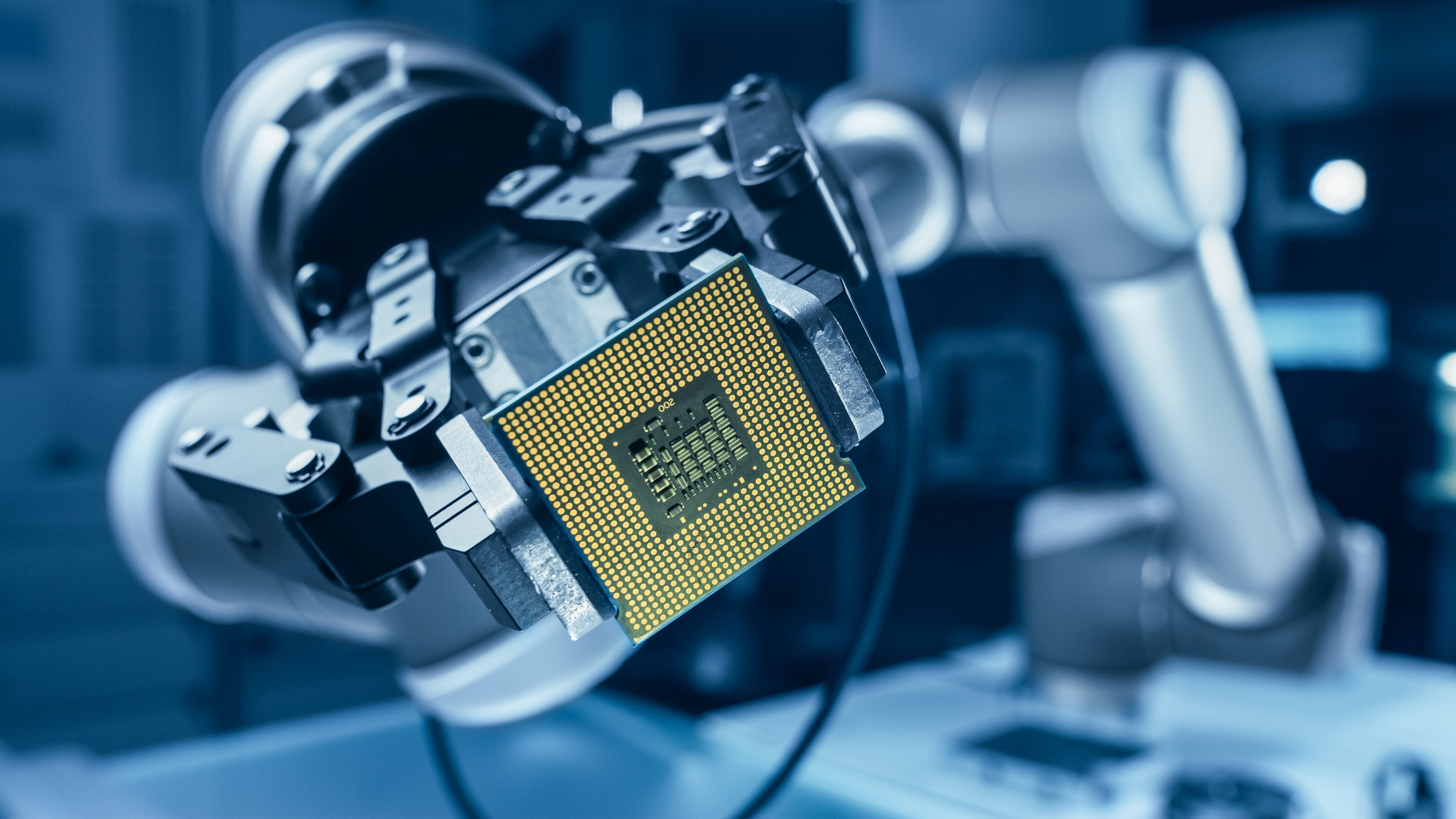

Beyond Intel, Other Companies Are In The Race To See Who Expands Their Manufacturing Plants Faster To Help End The Semiconductor Crisis
Intel has chosen the American city of Ohio to install a new complex aimed at semiconductor manufacturing, which will have an investment of around US$ 20 billion, as a way to intensify and increase computer chip production in the United States, as users have been struggling for some time against the shortage of these components. Intel reported this Friday, 21, that the new complex, near Columbus, may initially have two factories to declare the end of the semiconductor crisis, offering around 3,000 jobs, not to mention additional jobs during construction and at nearby companies.
Read Also
Billion-Dollar Investment from Intel to Declare the End of the Semiconductor Crisis
Last year, when Patrick Gelsinger became CEO of Intel, there was a rapid increase in the company’s manufacturing investments as a way to help reduce the United States’ dependence on chip manufacturers from other countries.
At the same time, Congress was under pressure to approve incentives aimed at boosting domestic chip production. The forecast is that these investments will increase even more, as Intel has stated that it will invest US$ 100 billion – over R$ 540 billion – over the next 10 years in its upcoming manufacturing complex in the U.S.
-
Giant Robots Build Entire Neighborhood of 100 3D-Printed Homes in the U.S., Showcasing Technology’s Impact on Construction Industry

-
Helsinki Residents Receive Water That Travels 120 Kilometers Through a Hidden Rock Tunnel from a Lake Before Treatment

-
Brazil’s Sertão Region Nears Completion of Latin America’s Longest Artificial River, Transforming Water Access in Drought-Prone Ceará
-
SENAI Launches $36 Million Innovation Round to Boost Brazilian Manufacturing Productivity and Reduce Business Risks with R&D Projects by 2026



According to Intel, also this past Friday (21), U.S. President Joe Biden met with Gelsinger at the White House to discuss the project.
New Factories and Start of Production
Intel, headquartered in Silicon Valley (California), has factories in Oregon, New Mexico, and Arizona. This will be the first time in over 40 years that Intel will build a new factory in a new state.
In March 2021, Gelsinger chose a complex near Phoenix for a US$ 20 billion expansion, which is already underway. However, according to Intel, there is a shortage of labor, water, and electricity to complete the complex, not to mention a lack of resources for semiconductor manufacturing.
It is estimated that the complex in Ohio will be built this year, with the first factory expected to be operational by 2025. The complex has enough space for up to 8 factories and related operations. It is believed that this will significantly help during this semiconductor crisis phase.
Other Companies Are Seeking to Expand Their Manufacturing Plants to Compete with Intel
In the U.S., Intel is not the only company expanding its production. Taiwan Semiconductor Manufacturing Company (TSMC) began construction in 2021 of a complex valued at US$ 12 billion, 80 km from Intel’s factory in Phoenix.
Samsung Electronics has chosen Taylor, Texas, for a factory valued at US$ 17 billion, with construction expected to begin in 2022. Since the start of the semiconductor crisis, several companies have been working hard to minimize the situation, but it is evident at this moment that companies have entered a major race to see who collaborates the most to reduce or eliminate the crisis – in addition to the issue of company revenue.
Gelsinger’s strategy is based on the bet that Intel can be the main rival to Taiwan Semiconductor and Samsung in manufacturing custom-made semiconductor chips for other companies. Throughout much of its history, Intel worked only with the manufacturing of microprocessors and other types of semiconductor chips.