





 Portuguese
  English
  Spanish
  2 min of reading


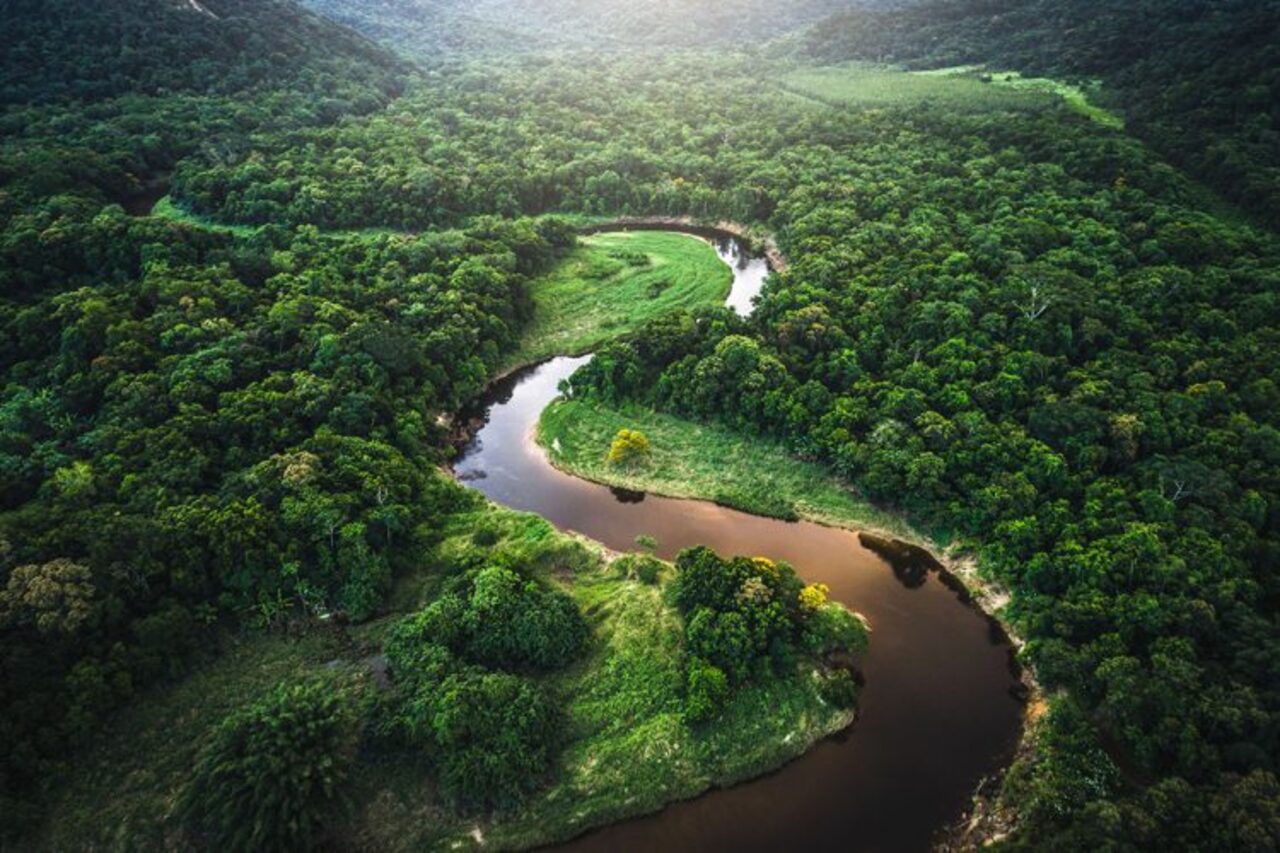
Illegal Gold Mining Activity Has Drastically Increased in the Yanomami Indigenous Reserve in Brazil, in the Heart of the Amazon Rainforest
The thirst for gold mining has drawn wild prospectors in recent decades, who have destroyed forests, poisoned rivers, and brought deadly diseases to the tribe in the Amazon.
Read Also
Today, the Yanomami and local authorities estimate that there are over 20,000 illegal miners on their lands. They say the numbers have increased since the election of the president in 2018, who promised to economically develop the Amazon and exploit its mineral wealth.
A Wave of Illegal Gold Mining Has Destroyed Vast Areas of Amazon Rainforest in Brazil
Although gold mining is small-scale, it is devastating to the environment. Trees and local habitats are destroyed, and the mercury used to separate gold from grains leaks into rivers, poisoning the water and entering the local food chain through fish.
-
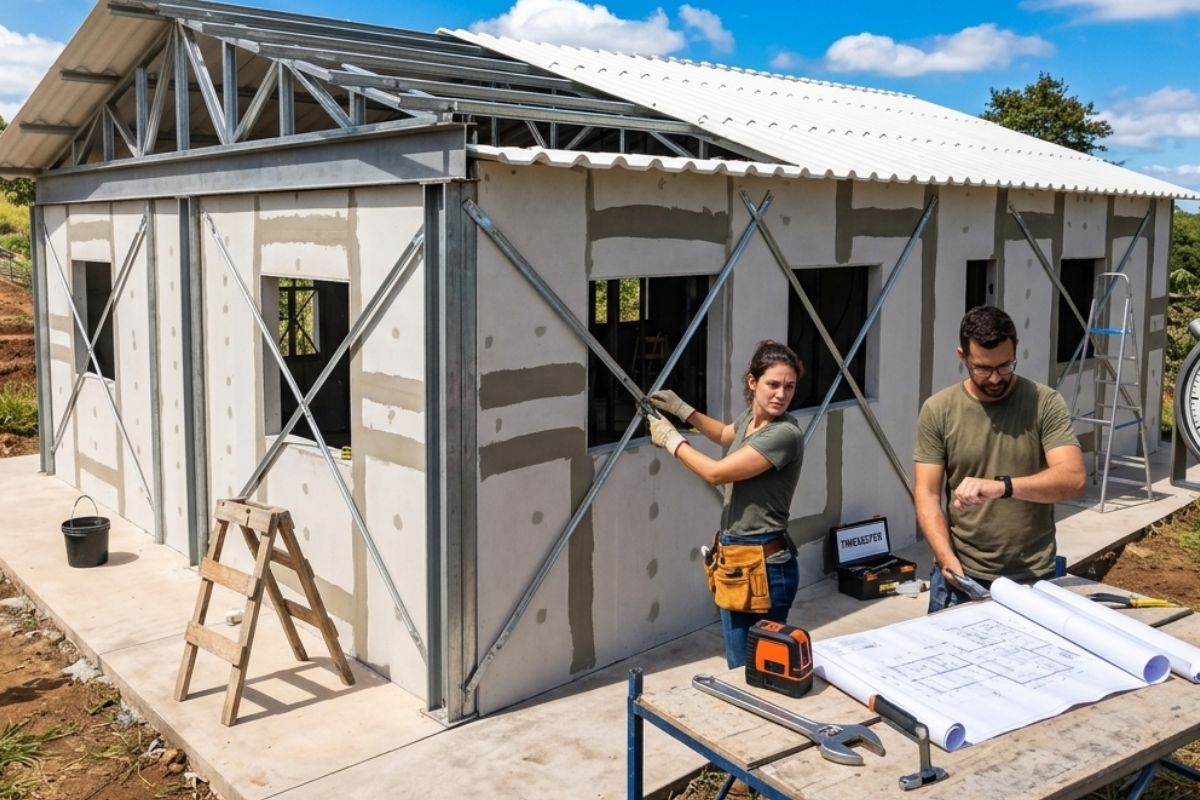
Couple leaves the city and builds a steel frame house in the countryside: sandwich roof, beams and columns secure the roof, X-braces prevent the walls from moving, and the 3-month deadline tightens.
-
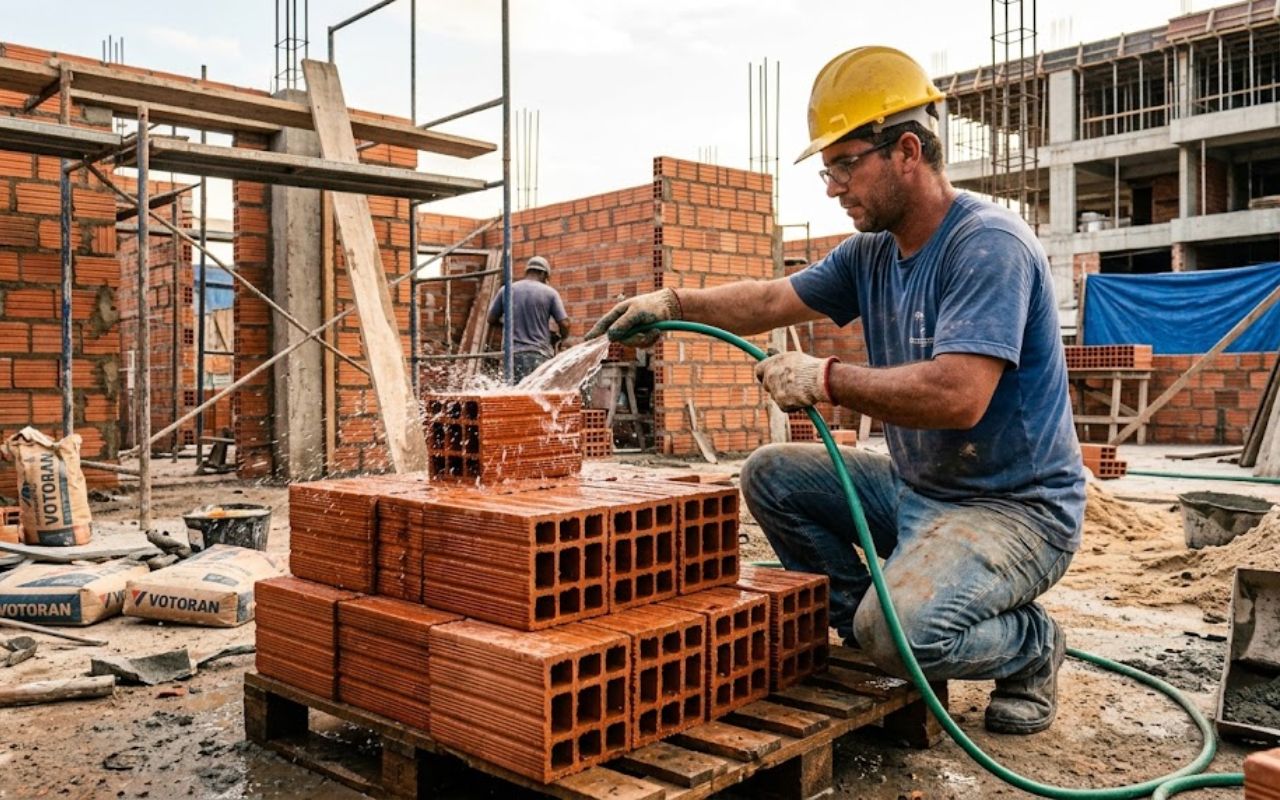
A simple technique of wetting the brick before laying it prevents cracks, improves the adhesion of the mortar, reduces fissures, and ensures stronger walls and more durable constructions.
-
The government opens the vault and deposits R$ 2.6 billion for the construction of Brazil’s first underwater tunnel, with a length of 1.5 km, 870 m under the sea, a total project cost of R$ 6.8 billion, and a 30-year concession.

-
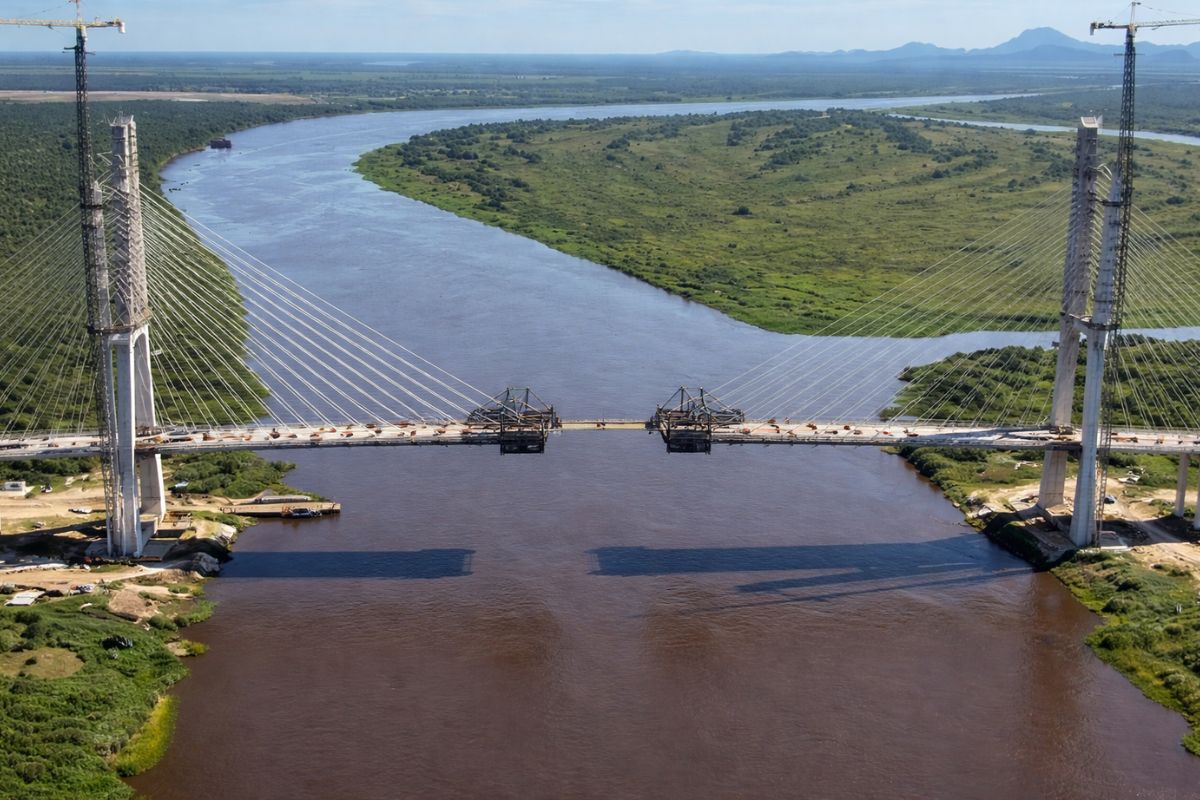
Only 46 meters remain for Brazil and Paraguay to connect via the Bioceanic Route bridge, the project that will link the Atlantic to the Pacific by land and change the logistical map of four countries in South America.
This latest gold rush wave in the Amazon, coinciding with the COVID-19 pandemic, threatens to wreak havoc on the lives of the indigenous people. Reports on the evolving situation indicate that COVID-19 has already infected 14,000 indigenous people and resulted in about 300 deaths in indigenous lands. (The numbers may be considerably higher, as these figures are over a month old).
From January to June of This Year, Illegal Mining Destroyed 2,230 Hectares (5,510 Acres) of Forest Within Conservation Units (UCs) According to INPE
Deforestation reached 1,016 hectares (2,510 acres) in indigenous lands during the same period. In June alone, 406 hectares (1,003 acres) were deforested within indigenous territories.
In May, Greenpeace filed a public civil action with the Federal Public Ministry of Pará (MPF-PA) requesting the Federal Union, IBAMA, ICMBio (Chico Mendes Institute for Biodiversity Conservation, the national park body), and FUNAI (the Brazilian indigenous affairs agency) to fight against illegal mining in protected areas.
MPF-PA filed a lawsuit demanding that “the responsible agencies be required to resume combating illegal mining,” but the actions have had little effect, analysts say, because illegal mining is not only tolerated by government agencies but also condoned and even encouraged by officials in positions of power.








Seja o primeiro a reagir!