






 Portuguese
  Spanish
  2 min of reading


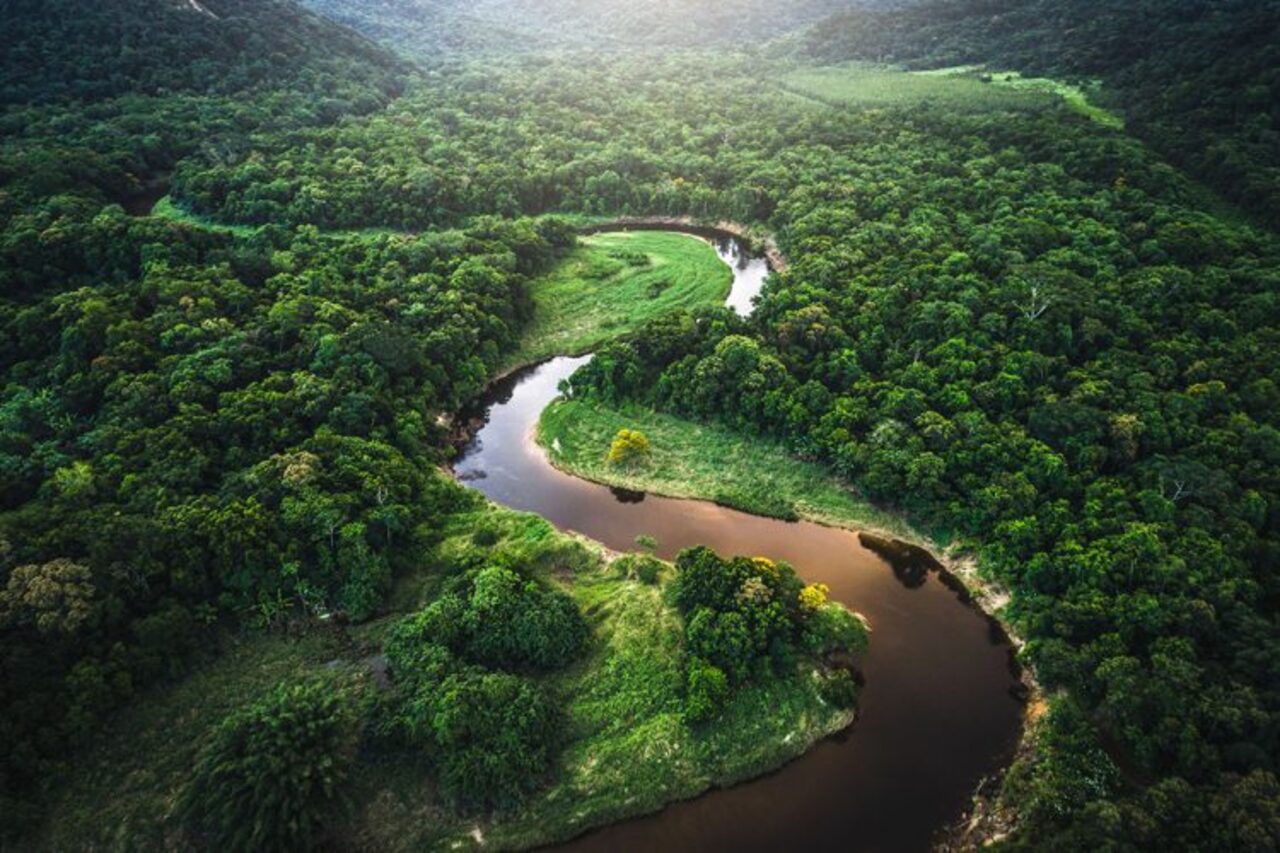
Illegal Gold Mining Activity Has Drastically Increased in the Yanomami Indigenous Reserve in Brazil, in the Heart of the Amazon Rainforest
The thirst for gold mining has drawn wild prospectors in recent decades, who have destroyed forests, poisoned rivers, and brought deadly diseases to the tribe in the Amazon.
Read Also
Today, the Yanomami and local authorities estimate that there are over 20,000 illegal miners on their lands. They say the numbers have increased since the election of the president in 2018, who promised to economically develop the Amazon and exploit its mineral wealth.
A Wave of Illegal Gold Mining Has Destroyed Vast Areas of Amazon Rainforest in Brazil
Although gold mining is small-scale, it is devastating to the environment. Trees and local habitats are destroyed, and the mercury used to separate gold from grains leaks into rivers, poisoning the water and entering the local food chain through fish.
-
The La Galerie Nortis, a real estate launch by developers Cyrela and Nortis in Moema, São Paulo, arrives with apartments featuring 4 suites ranging from 283 to 416 square meters, an estimated gross development value of R$ 765 million, and the proposal to redefine the high standard in the region.

-
Transnordestina sets record by installing 1.69 km of tracks in a single day, reaches 81% completion, and plans to deliver an additional 100 km of railway by the end of June 2026.
-
Instead of plastering the wall, Argentine architects left ordinary bricks exposed, without traditional mortar, without finishes, without paint, and created a perforated pavilion that looks like an art installation.

-
Prefabricated wooden house surprises in Spain with 132 m², two floors, up to four bedrooms, and a price starting from 45,751 euros, while the version with insulation for living can reach 80,059 euros without assembly, installation, and architect included.




This latest gold rush wave in the Amazon, coinciding with the COVID-19 pandemic, threatens to wreak havoc on the lives of the indigenous people. Reports on the evolving situation indicate that COVID-19 has already infected 14,000 indigenous people and resulted in about 300 deaths in indigenous lands. (The numbers may be considerably higher, as these figures are over a month old).
From January to June of This Year, Illegal Mining Destroyed 2,230 Hectares (5,510 Acres) of Forest Within Conservation Units (UCs) According to INPE
Deforestation reached 1,016 hectares (2,510 acres) in indigenous lands during the same period. In June alone, 406 hectares (1,003 acres) were deforested within indigenous territories.
In May, Greenpeace filed a public civil action with the Federal Public Ministry of Pará (MPF-PA) requesting the Federal Union, IBAMA, ICMBio (Chico Mendes Institute for Biodiversity Conservation, the national park body), and FUNAI (the Brazilian indigenous affairs agency) to fight against illegal mining in protected areas.
MPF-PA filed a lawsuit demanding that “the responsible agencies be required to resume combating illegal mining,” but the actions have had little effect, analysts say, because illegal mining is not only tolerated by government agencies but also condoned and even encouraged by officials in positions of power.







Be the first to react!