





 Portuguese
  English
  Spanish
  3 min of reading


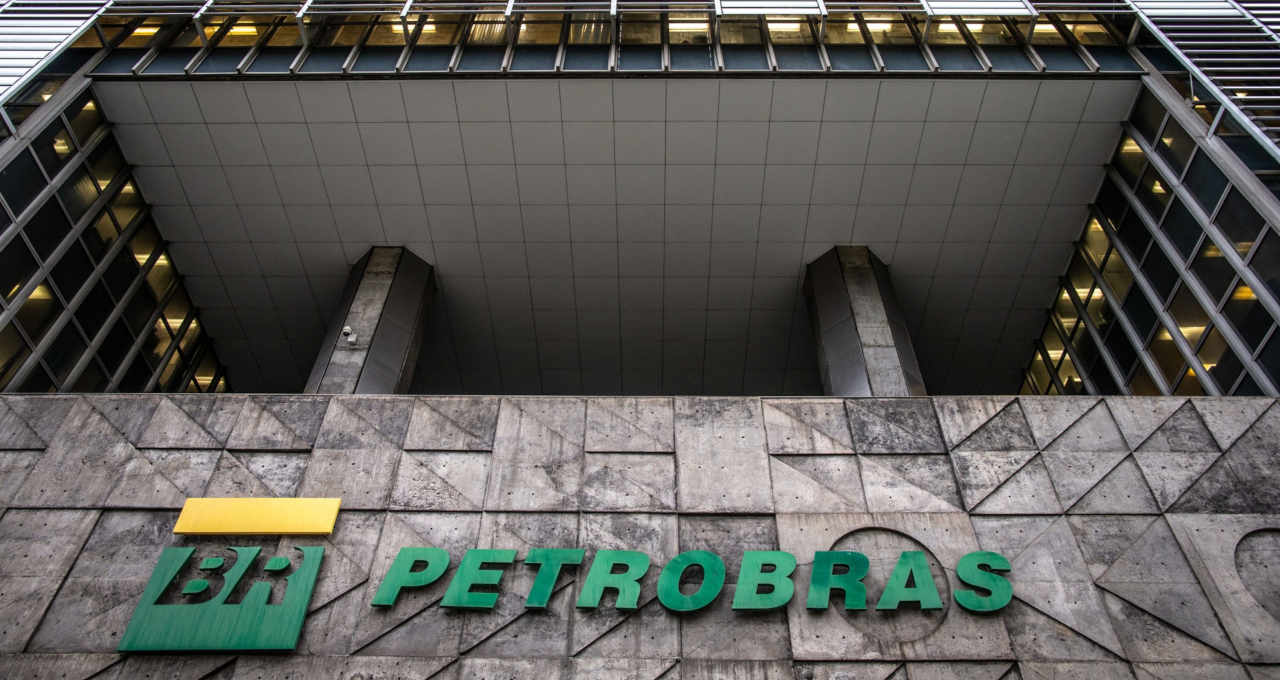
Payments of R$ 88 billion Are Distributed by Petrobras in Dividends and Thus, Brazil Imports Increasingly More Derivatives, Maintaining Dependence on Fuel Imports. Instead of Investing in Internal Gasoline and Diesel Production, the Government Invests in Other Campaign Projects.
Last Saturday (30/07), Petrobras announced that it made payments of R$ 88 billion in record dividends, causing Brazil to import even more fuels. The result of the new payments is an increasingly import-dependent country, placing the nation in a very complicated position in the global scenario.
Petrobras Makes Dividend Payments and Leaves Brazil Even More Dependent on Fuel Imports After Being Pressured by Bolsonaro
In this sense, it is important to emphasize that the state-owned company made the distribution of record dividends, about R$ 88 billion, and the country maintained its dependence on imports after being pressured by the current president of Brazil, Jair Messias Bolsonaro, to reward the resources allocated to the “PEC of despair.” The resources allocated to the PEC caused Petrobras to bring forward the payment of record dividends.
Thus, still in the first half of this year, shareholders will receive around R$ 136.3 billion in dividends from the accumulated profit of R$ 98.9 billion. Therefore, this amount is about 35% more than was paid throughout the year 2021, when Petrobras paid a total of R$ 101.4 billion in dividends, for example.
-
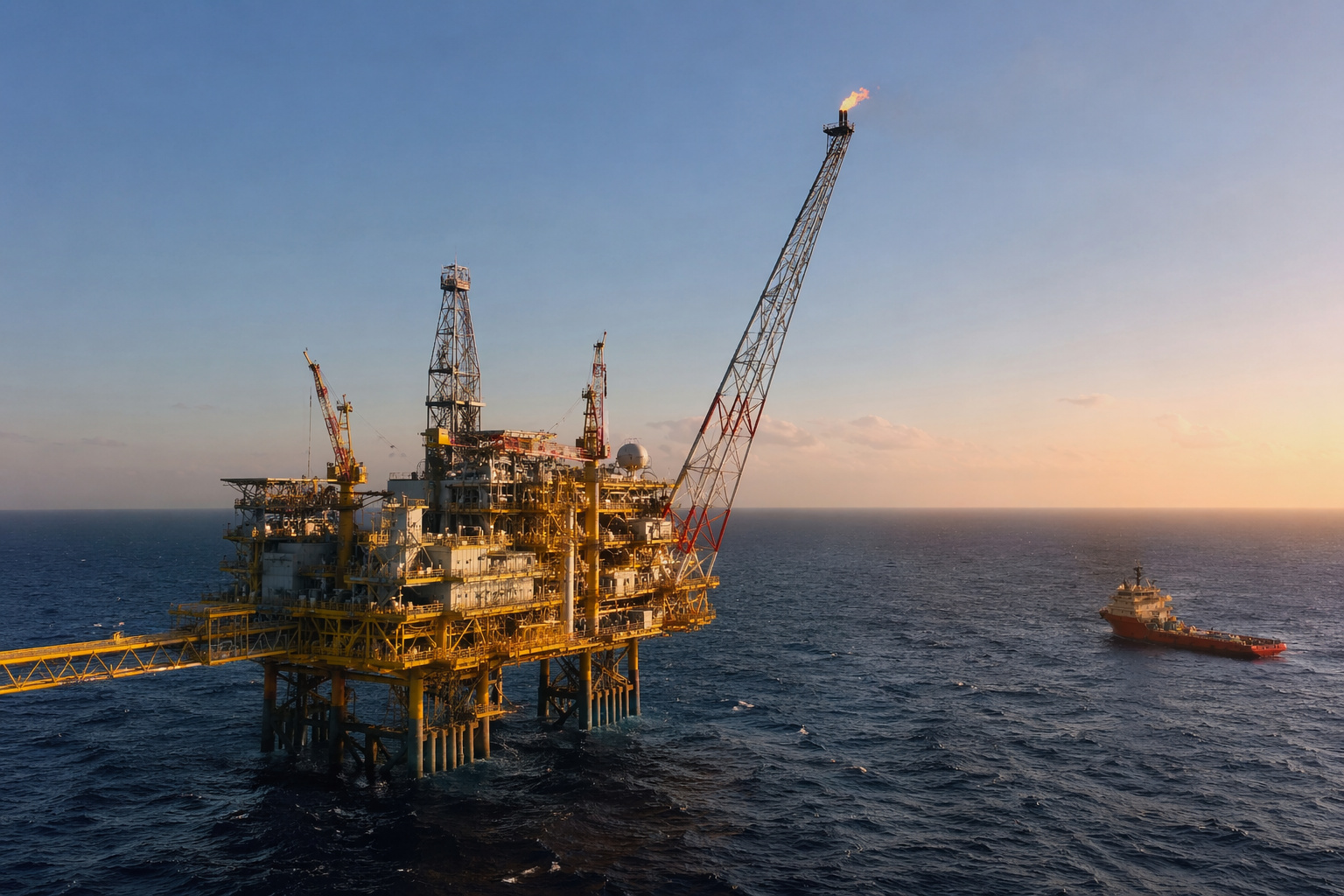
The next exploration auction in the pre-salt will offer 23 blocks in the Campos and Santos basins and may change the interest of oil companies in Brazil.
-
The next exploration auction in the pre-salt will offer 23 blocks in the Campos and Santos basins and could change the interest of oil companies in Brazil.
-
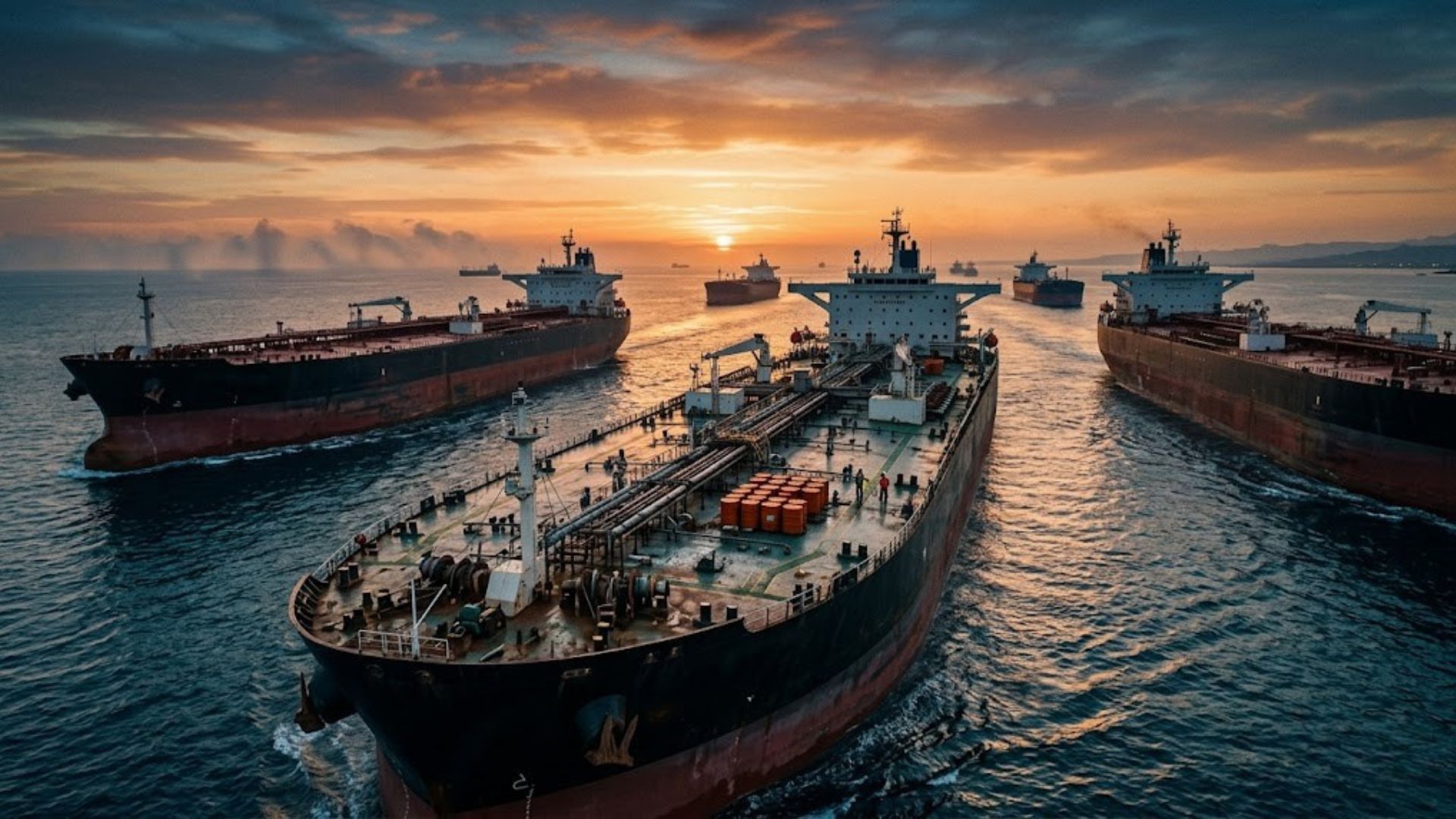
Red Sea, from biblical site to oil hope: South Korea reveals ambitious plan to create new oil routes through the Red Sea with the dispatch of 5 ships, agreements with 3 countries, and a focus on the strategic port of Yanbu.
-
SISTAC expands contract with Petrobras for maintenance of platforms in the Santos, Campos, and Espírito Santo basins using ROV and specialized underwater operations.
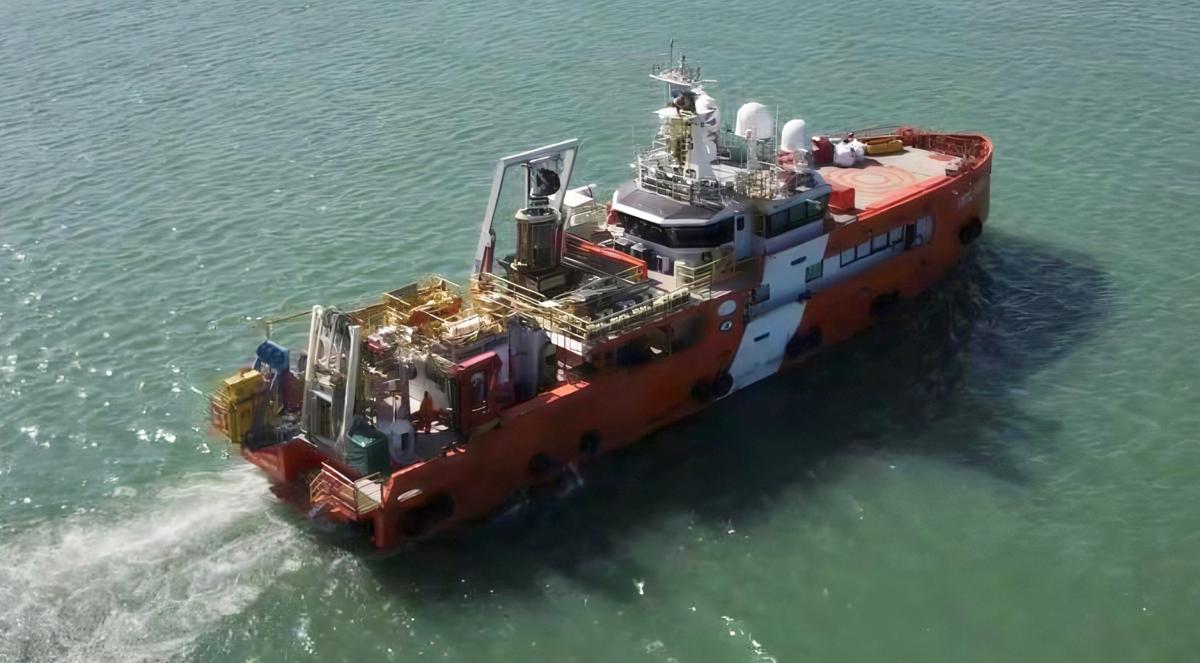
Of this total, the Union, which is the largest shareholder of the state-owned company, received R$ 37.3 billion, with the R$ 17.7 billion distributed to the government still in the first quarter, the Union will receive R$ 49.8 billion in dividends related to the first six months of 2022.
“The approval of the proposed dividend is compatible with the financial sustainability of the company in the short, medium, and long term and is aligned with the commitment to generate value for society and shareholders, as well as the best practices in the global oil and natural gas industry. The proposed dividend is aligned with the Shareholder Remuneration Policy, which stipulates that, in the case of gross debt lower than US$ 65 billion, the Company may distribute to its shareholders 60% of the difference between operating cash flow and acquisitions of fixed and intangible assets (investments),” Petrobras informed.
International Shareholders Will Receive Around R$ 39.27 Billion
In this scenario, foreign shareholders, who hold 44.73% of Petrobras’s capital, will receive an amount of R$ 39.27 billion, generated from the state-owned company’s profit. Thus, the result of the profit for the second quarter was based on the idea of increasing gasoline prices (18.8%) and diesel (24.9%), authorized in March by the company’s management. Only in May, the board also approved a 8.87% increase in the final price of diesel.
Furthermore, already in the second quarter, the gasoline price in the country varied above R$ 7 and even exceeded R$ 8 in some municipalities. However, the price of diesel surpassed R$ 7 at gas stations across the country, according to surveys conducted by the National Agency of Petroleum, Natural Gas, and Biofuels (ANP) between April and June. Consequently, Petrobras recorded a net profit of R$ 54.3 billion, a value 26.8% higher than the amount recorded in the same period of 2021.
Specifically, companies have two options for profit: reinvest in the company itself or distribute dividends to shareholders. Petrobras, in a statement, informed that it chose to pay a record volume of dividends because there are no suspended investments or waiting due to financial or budgetary restrictions.









Seja o primeiro a reagir!