





 Portuguese
  English
  Spanish
  4 min of reading
  14 comments


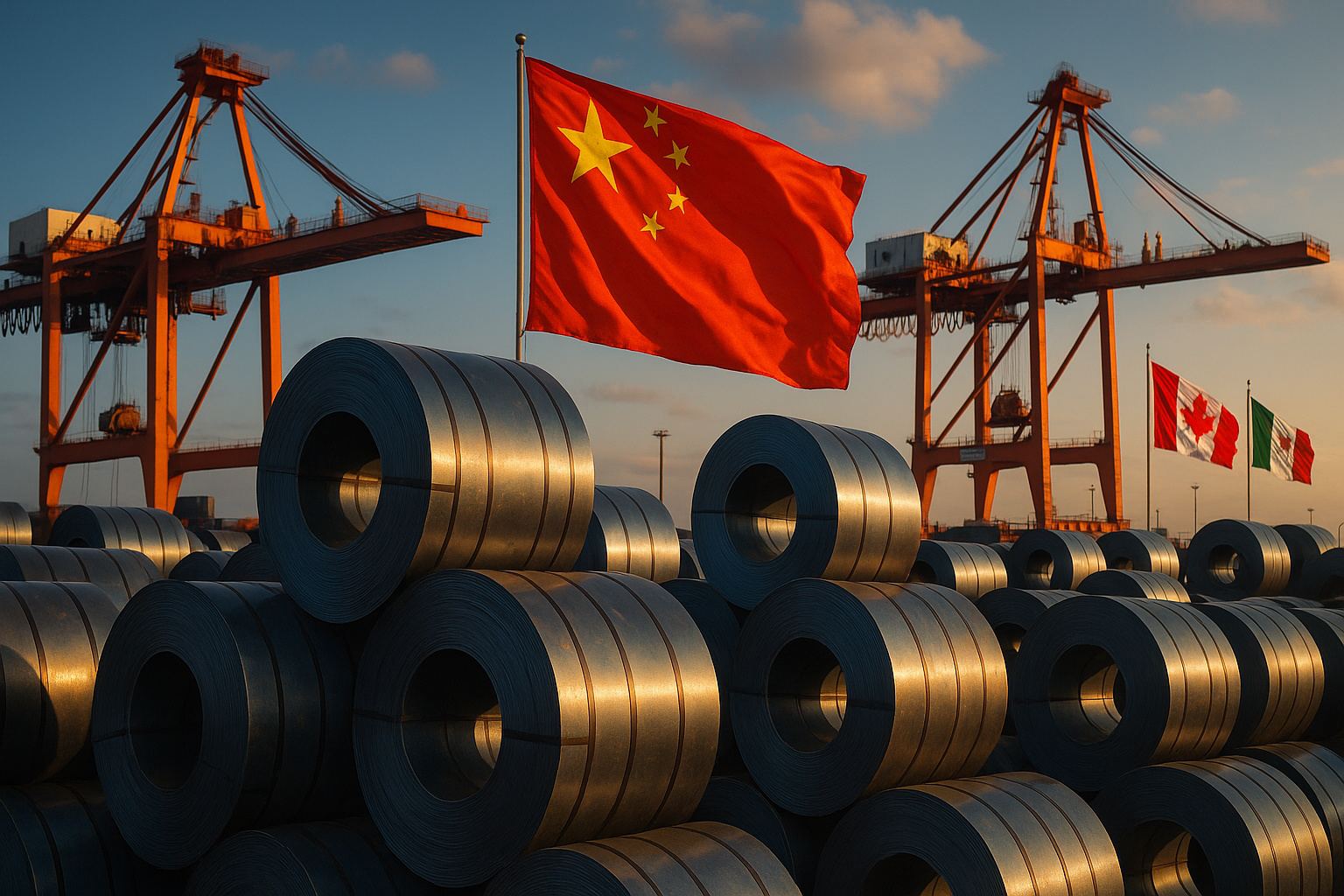


With Tariffs of Up to 50%, The Three Countries React to The Influx of Chinese Imports, Which Already Accounts for 65% of The Steel Purchased by Brazil and More Than Half of World Production
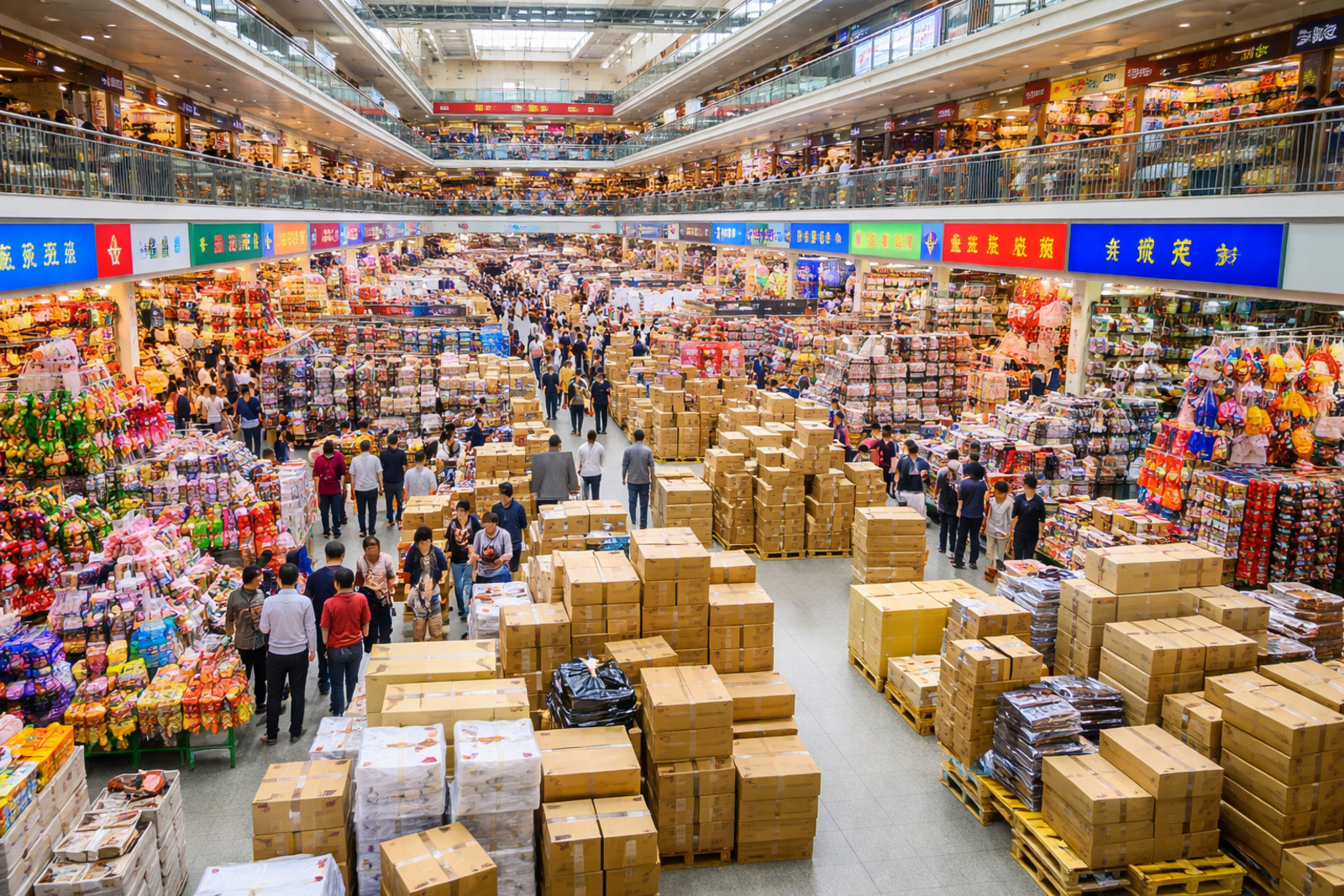
Chinese steel dominates the global market: alone, it represented more than half of the global market last year, according to the World Steel Association.
In Brazil, the situation is even more delicate: 65% of steel imports come from China. This advance worries governments and producers, who see a real threat to the national industry.
“Our mission is to regain that one-third of the market we lost due to predatory imports,” highlighted Marco Polo de Mello Lopes, president of the Instituto Aço Brasil.
Tariffs as a Defense Tool
Mexico announced this month the increase of tariffs on products from China, including steel, by up to 50%. Canada has also implemented protectionist measures to curb the entry of Chinese products.
-
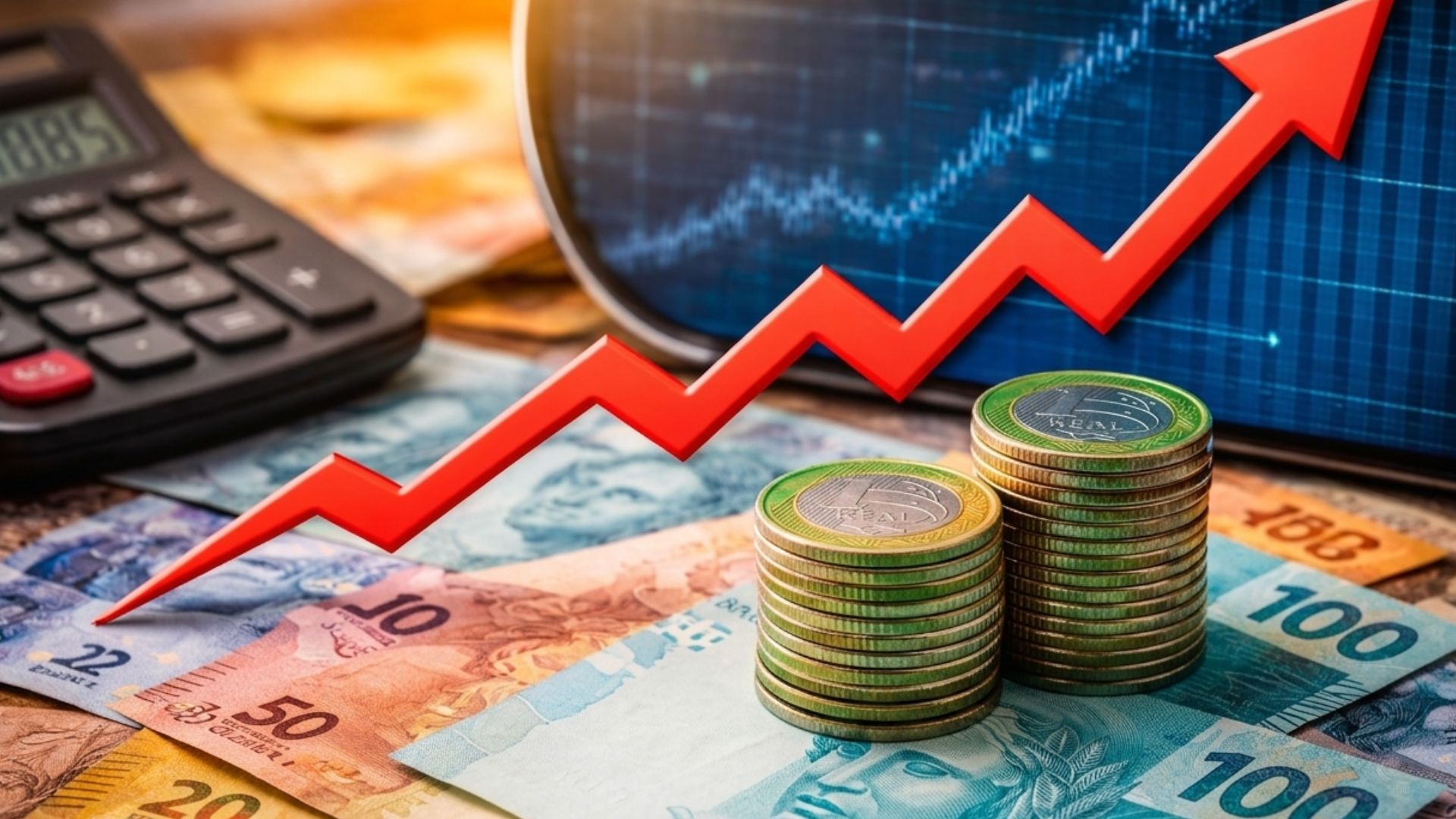
Inflation in March reaches 0.88% according to IBGE and pressures the Brazilian economy, impacting family budgets and requiring more strategic decisions to maintain financial control.
-
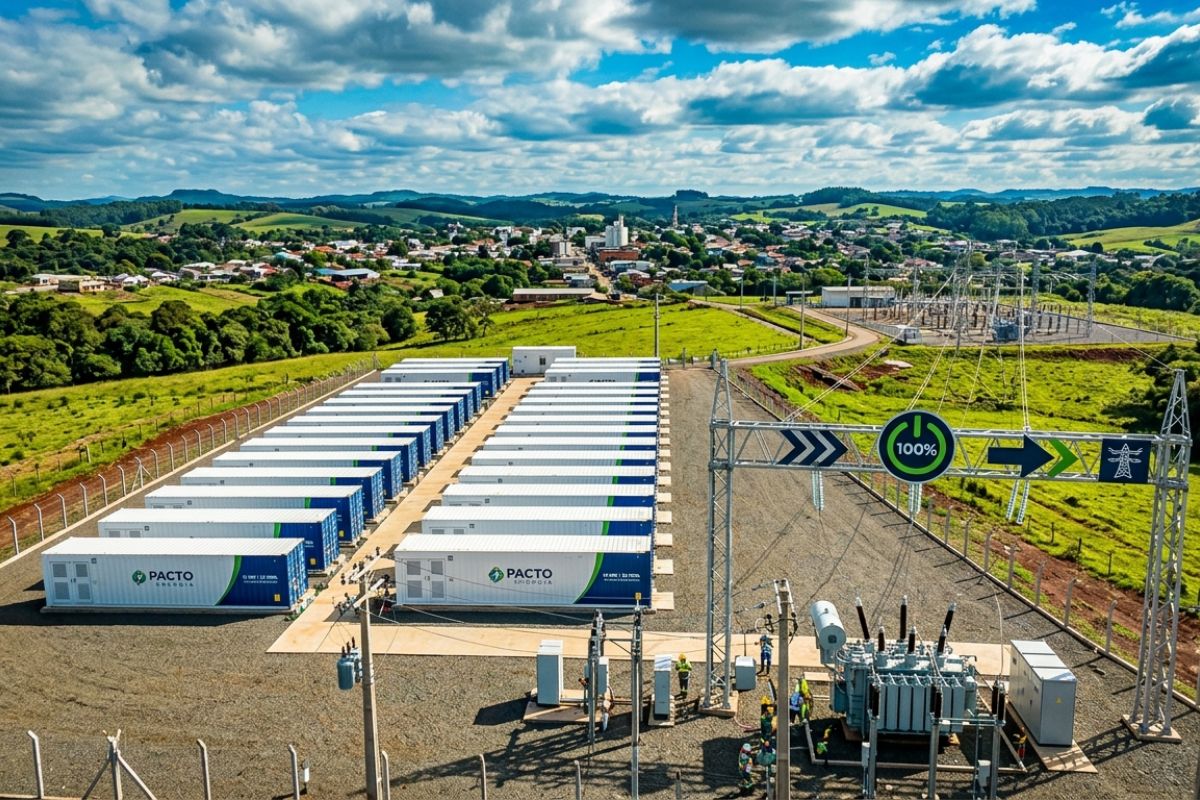
In Paraná, distributor Pacto connects 100% of the load in Coronel Vivida to batteries: a BES of 10 MW and 20 MWh costs just over R$ 30 million and lowers the local tariff now.
-
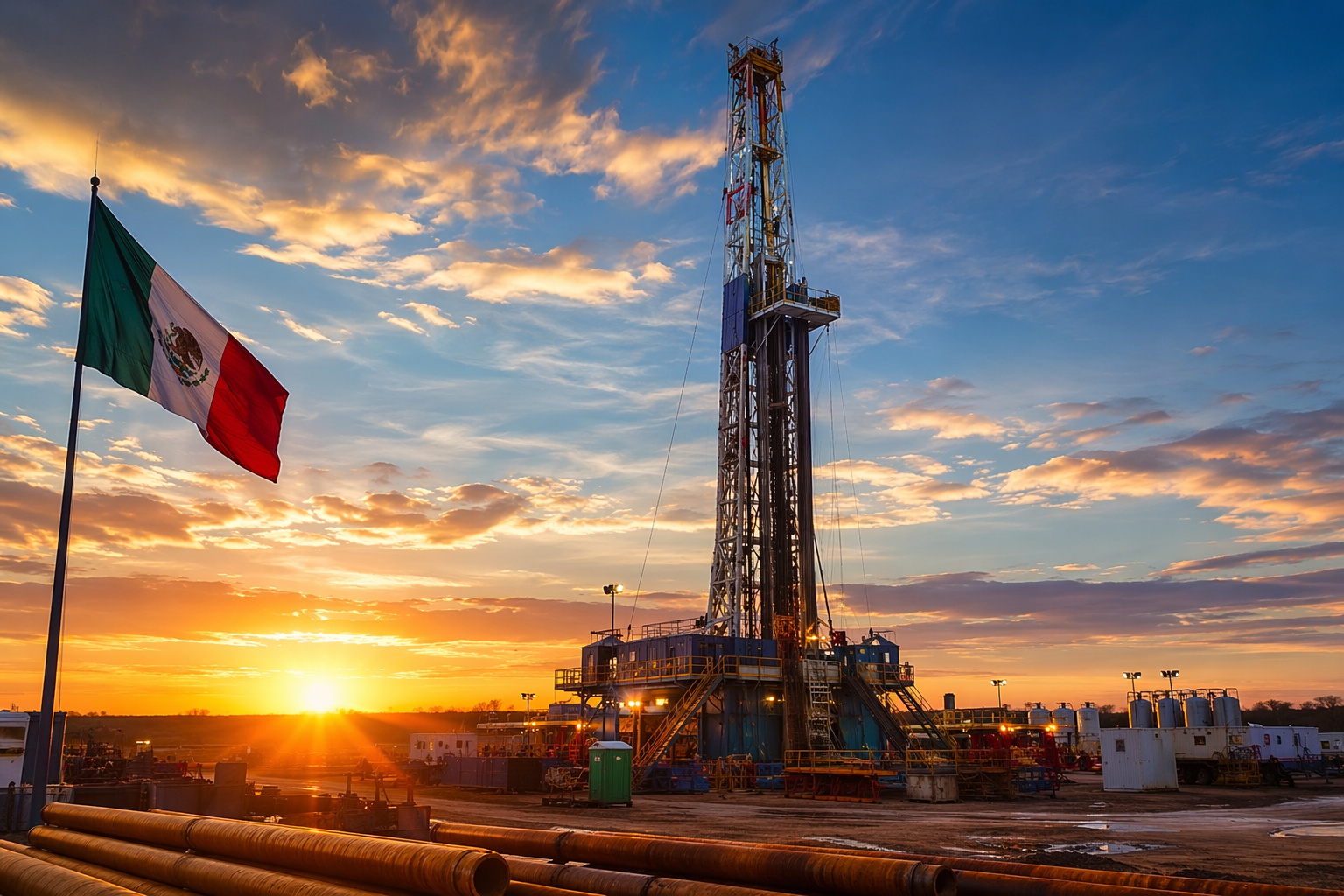
With a dependence of up to 80% on gas imported from the United States, Mexico is responding with a robust energy strategy, betting on shale gas, creating a scientific committee, and preparing to expand natural gas production to reduce vulnerability and strengthen its energy security in the coming years.
-
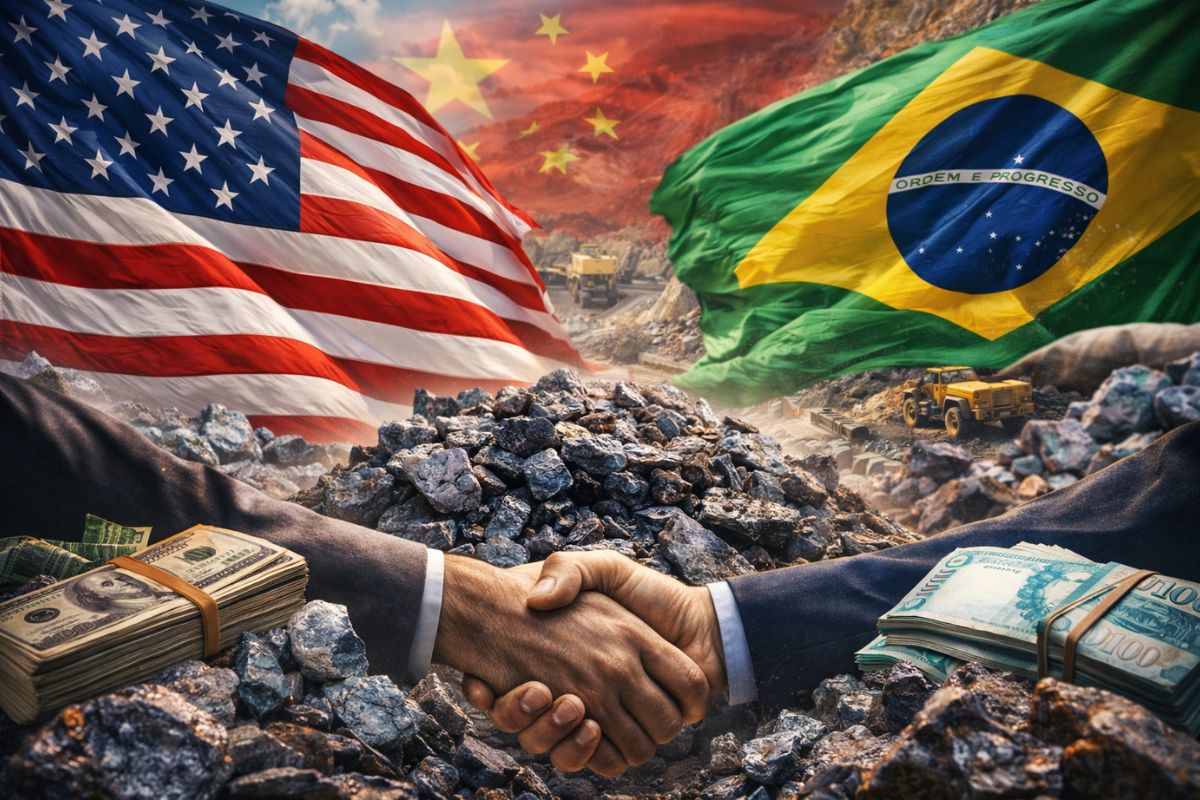
The United States proposes to Brazil a critical minerals agreement with a minimum price to combat Chinese dumping and priority for investment, but the Planalto is blocking the signing out of fear of upsetting China and due to electoral calculations in a year of competition.
In Brazil, the steel sector is pushing for quicker responses. “We need speed and effectiveness in applying trade defense measures,” Lopes reinforced.
Besides protecting their own markets, the strategy of the three countries also strengthens their position against the United States.
In July, Brazil, Mexico, and Canada accounted for 38% of U.S. steel imports, and in the accumulated total of last year, they accounted for about half of the entire volume imported by the country.
American Tariffs and The Global Trade War
The trade policies of the Trump administration represented a severe blow to steel producers around the world. Since June, the U.S. has imposed tariffs of up to 50% on imported steel, affecting even its neighbors and partners.
These measures were adopted at the same time that Washington intensified its trade war against China, seeking to limit the entry of cheap Chinese products not only in the American market but also in other countries.
The Dilemma for Governments and Consumers
If on one hand the barriers are seen as a way to save jobs and preserve local industries, on the other, they bring challenges. Higher tariffs increase the costs of strategic inputs for sectors like construction and automotive, which depend heavily on steel.
The dilemma is to balance protection and competitiveness. Without action, the influx of Chinese steel could suffocate domestic producers. But at the same time, rigid measures could strain the finances of companies and consumers.
Pressure on Brazil and Risk to The Industry
Brazil is also evaluating tougher measures. The government is considering the application of anti-dumping tariffs on 25 types of steel products coming from China. A system of tariff quotas already exists, but the industry itself considers this measure ineffective in containing the influx of imports.
The situation is worrying because the impact is already affecting investments. ArcelorMittal, for example, is considering delaying the construction of a new plant in the country. “It is a project that risks being postponed if the level of imports continues to rise,” said Jorge Oliveira, the company’s president in Brazil.
Furthermore, the global reconfiguration forced the company to stop exporting 400,000 tons of steel plates produced in Brazil to Canada, as the neighboring country can no longer re-export to the United States after the barriers imposed by Trump.
Gerdau Warns of Job Risk in Brazil
The scenario led Gerdau to raise an even more serious warning. During a conference in August in São Paulo, the chairman, André Gerdau Johannpeter, said that the Brazilian steel sector is approaching a breaking point.
According to him, the utilization rate of installed capacity has already dropped to 66%, and any further decline could result in the loss of thousands of jobs. “The big debate is where the jobs will end up — in China or Brazil?” Johannpeter questioned, provoking reflection on the social impact of the crisis.
And you? What should Brazil prioritize at this moment: protecting its steel producers even at the risk of increased costs, or accepting the competition from Chinese steel and betting that the market will adjust on its own?
Leave your opinion in the comments.







Mas o tal super estadista L, com sua trupe de incompetentes tem **** preso com a China, Que esta commando o Brasil. FICA dificil para este governo brilliante resolver , dale bolsa familia e todo mundo fica contente
Ignorância a parte, é preciso buscar equilíbrio, empresas como a Gerdau não pode substituir todas as demandas financeira de exportação que tbm fazemos para a china ,o comércio tem que buscar equilíbrio e mesmo sendo empresa nacional a Gerdau coloca o preço do aço nas alturas para a construção civil brasileira ,o mercado precisa de competir de forma equilibrada porque está fala aí é pra produzir efeitos negativos em relação ao Brasil e a China
É o domínio de empresas sobre nossos recursos, que tiram do Brasil e prejudicam o próprio brasileiro.
A Gerdau está fechando fábricas em todo país, os empregados, agora desempregados, devem agradecer ao governo do PT que eles ajudaram a eleger.
Já faz algum tempo que a indústria siderúrgica vem alertando esse tipo de concorrência Existe uma morosidade em combater, não sei se é política ou econômica. Deveria se fazer um estudo entre o governo e as siderúrgicas,na possibilidade de reduzir os custos, em prol do desenvolvimento e a manutenção dos empregos. De que adianta manter determinados preços, se estamos perdendo de outra forma. Falta governo e planejamento estrutural e estratégico.