





 Portuguese
  English
  Spanish
  4 min of reading
  2 comments





Coffee Exports Collapse in Brazil: Over 1,300 Containers Stuck in June Due to Lack of Port Infrastructure, Causing Billion-Dollar Losses
The coffee supply chain, one of the biggest symbols of Brazilian agribusiness, is facing a silent yet devastating crisis: only in June 2025, Brazil failed to ship 453,864 bags of coffee, which represents 1,375 containers stuck in ports. The reason? A structural collapse that exposed the fragility of national port logistics — and which has already caused losses of over R$ 1 billion in less than a year.
Stuck Bags, Accumulated Losses: The Portrait of an Expanding Crisis
According to a survey by the Council of Coffee Exporters of Brazil (Cecafé), direct losses from additional costs — such as extra storage, detention fees, pre-stacking, and gate anticipations — totaled R$ 3 million just in June. But the hole is deeper: since June 2024, the associated companies have accumulated R$ 78.9 million in unexpected expenses related to delays and changes in ship schedules.
The impact on trade balance is even more alarming. Considering the average export price of US$ 405.81 per bag and the average exchange rate of R$ 5.5465, Brazil failed to move the equivalent of R$ 1.022 billion in June 2025 due to failed shipments.
-
“No one will make us change the Pix,” says Lula after the US report.

-
Lula responds directly to Trump and says that Pix is from Brazil and will not change under pressure from anyone, after a report from the United States pointed out the Brazilian payment system as an American trade barrier.

-
Amazon has just announced a new fee on all deliveries, and your online purchases will become more expensive starting April 17, including for those buying from the United States here in Brazil.

-
He sold his share for R$ 4 thousand, saw the company become a giant worth R$ 19 trillion, and missed the opportunity of a lifetime.


“The situation has reached its limit. If nothing is done urgently, we will lose competitiveness and space in the main international markets,” warned Márcio Ferreira, president of Cecafé, in an interview with Agrolink.
Blocked Ports: The Epicenter of Inefficiency
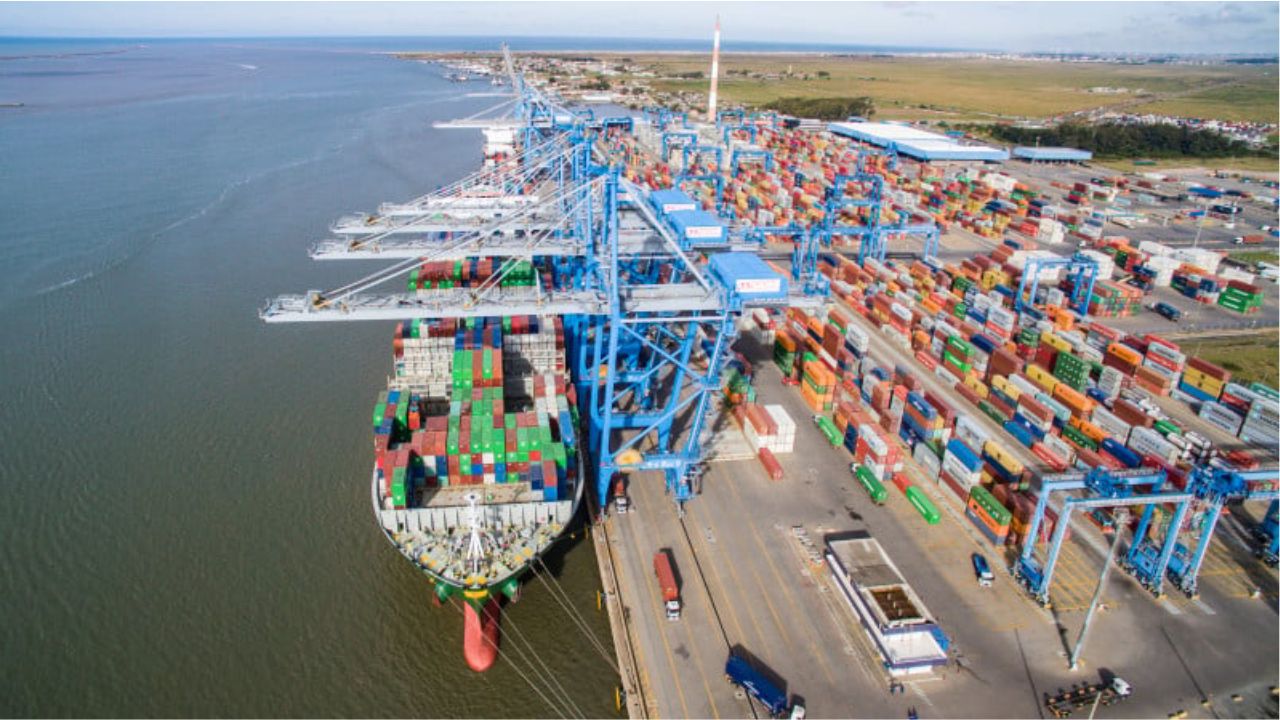
The biggest bottleneck is where it shouldn’t be: at the Port of Santos, the main route for Brazilian coffee exports. About 80% of all exports of the grain pass through there. But the terminal can no longer handle the demand.
In June, 59% of the 161 vessels expected to operate at the port experienced delays, with an average wait time of over 20 days — and in some cases, reaching 37 days. Meanwhile, at the port complex in Rio de Janeiro, responsible for about 15.7% of shipments, 57% of the 60 vessels also had their schedules changed or postponed.
“The loss is not just financial. We are losing credibility with international importers, who are already looking for alternatives in other producing countries”, stated Marcos Matos, CEO of Cecafé, to Datamar News.
The Collapse is Structural: Investments Below Minimum Necessary
The root of the problem is clear: Brazilian port infrastructure is saturated and outdated. According to the Brazilian Association of Infrastructure and Base Industries (ABDIB), the country invests only 2.2% of GDP in infrastructure, while the ideal would be double — about 4.5% of GDP.
This limitation prevents the expansion of terminals and the modernization of logistical modes. The situation is even more critical for containerized cargo, such as coffee, which require speed, traceability, and specific infrastructure at the ports.
Although there are plans for improvements, such as the auction of the STS-10 terminal in Santos, the Santos-Guarujá tunnel, and the concession of new retro-port areas, none of them will be completed before 2028. Until then, losses are expected to continue to accumulate.
Stalled Exports and Uncertain Future
The outlook for the coming months is worrying. With the arrival of the Arabica and Robusta harvests, which increase demand for shipments in the second half, the volume of unshipped bags is likely to grow — which could further worsen the crisis.
In March 2025, for instance, over 637,000 bags were held up in ports, a volume higher than recorded in June. In that month alone, the exchange rate loss was US$ 265 million, according to data from Comunicaffe International.
Moreover, exporters are already reporting contract cancellations, surcharges imposed by clients abroad, and even loss of strategic markets, such as Europe, Japan, and the United States — countries that do not tolerate logistical delays.
The Urgency of Real Solutions
While agribusiness advances and sets production records, Brazilian logistical infrastructure remains in the past. The coffee crisis in the ports is not an isolated event, but a symptom of a failed system, which requires emergency actions to prevent an even greater collapse.
Experts advocate for the immediate release of resources for the expansion of patios, digitization of customs processes, creation of dedicated logistics corridors, and increased competition at port terminals.









Só embarcar pelos Portos de SC, sugestão Portonave Navegantes SC.
Embarque imediato , sem atrasos .
Se precisarem me chamem posso auxiliá-los . Dennis Fassio Diretor . 47999509944
Make USA big !!! Kkkk