





 Portuguese
  English
  Spanish
  3 min of reading
  0 comments


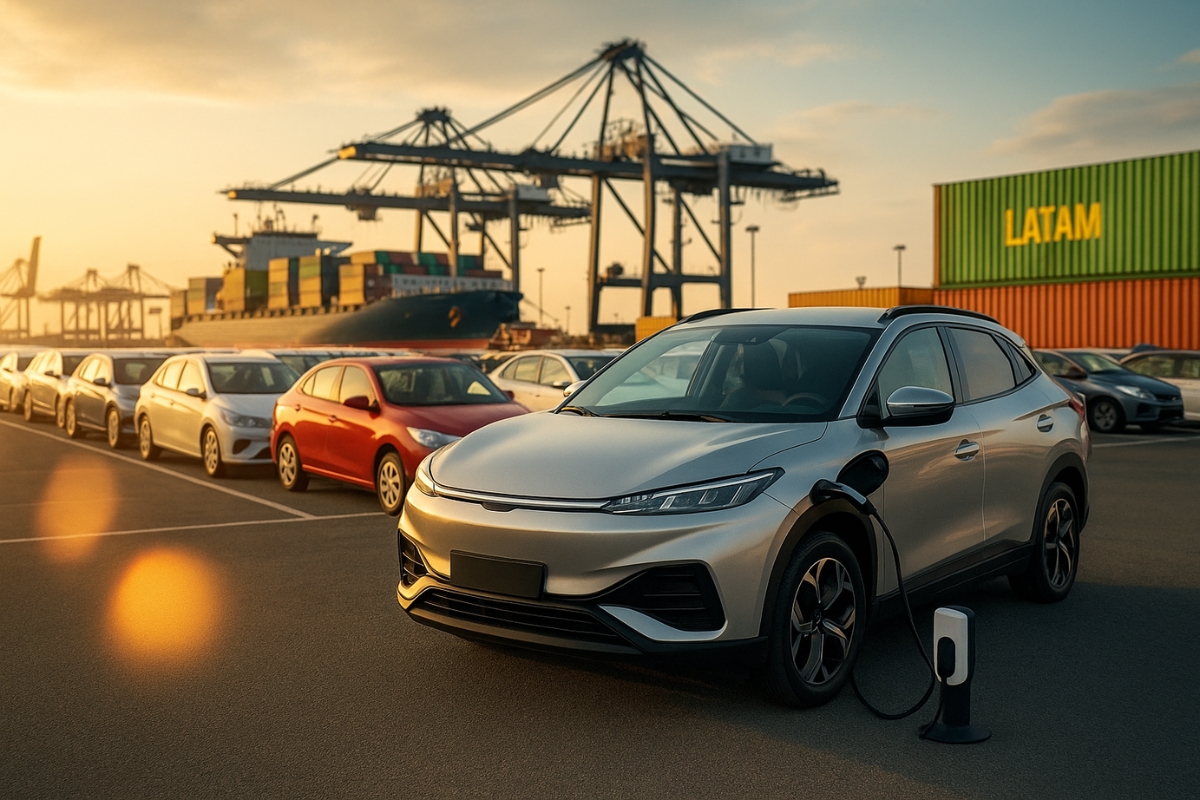
End Of Reduced Tariff Threatens Brazilian Exports; South American Country Prioritizes Electrics And Strengthens Chinese Presence
Last Tuesday (30), Colombia unilaterally ended the automotive agreement with Brazil. The treaty provided for a quota of 50,000 vehicles with a reduced tariff.
Now, Brazilian cars will pay an import tax of 16%, making prices higher in the Colombian market. The decision has already provoked a reaction from President Luiz Inácio Lula da Silva, who asked Itamaraty to raise the tone in negotiations with Gustavo Petro’s government.
Direct Impact On Brazilian Exports
Colombia is currently the third largest destination for vehicle exports produced in Brazil, behind only Argentina and Chile.
-
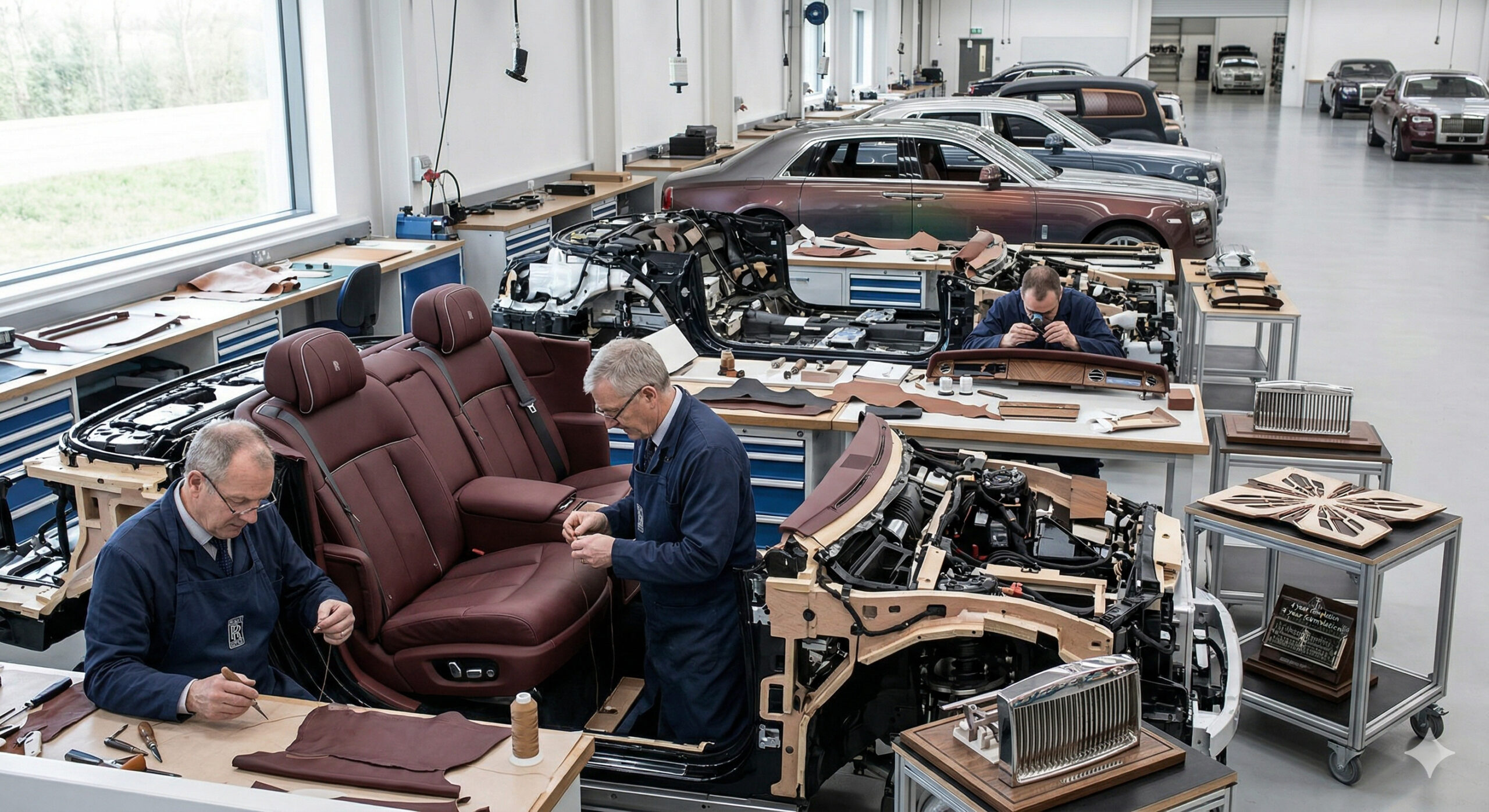
While much of the industry rushes to automate production, Rolls-Royce takes over 600 hours to hand-build each car in Goodwood and still accepts orders so complex that they can take up to four years to be completed.
-
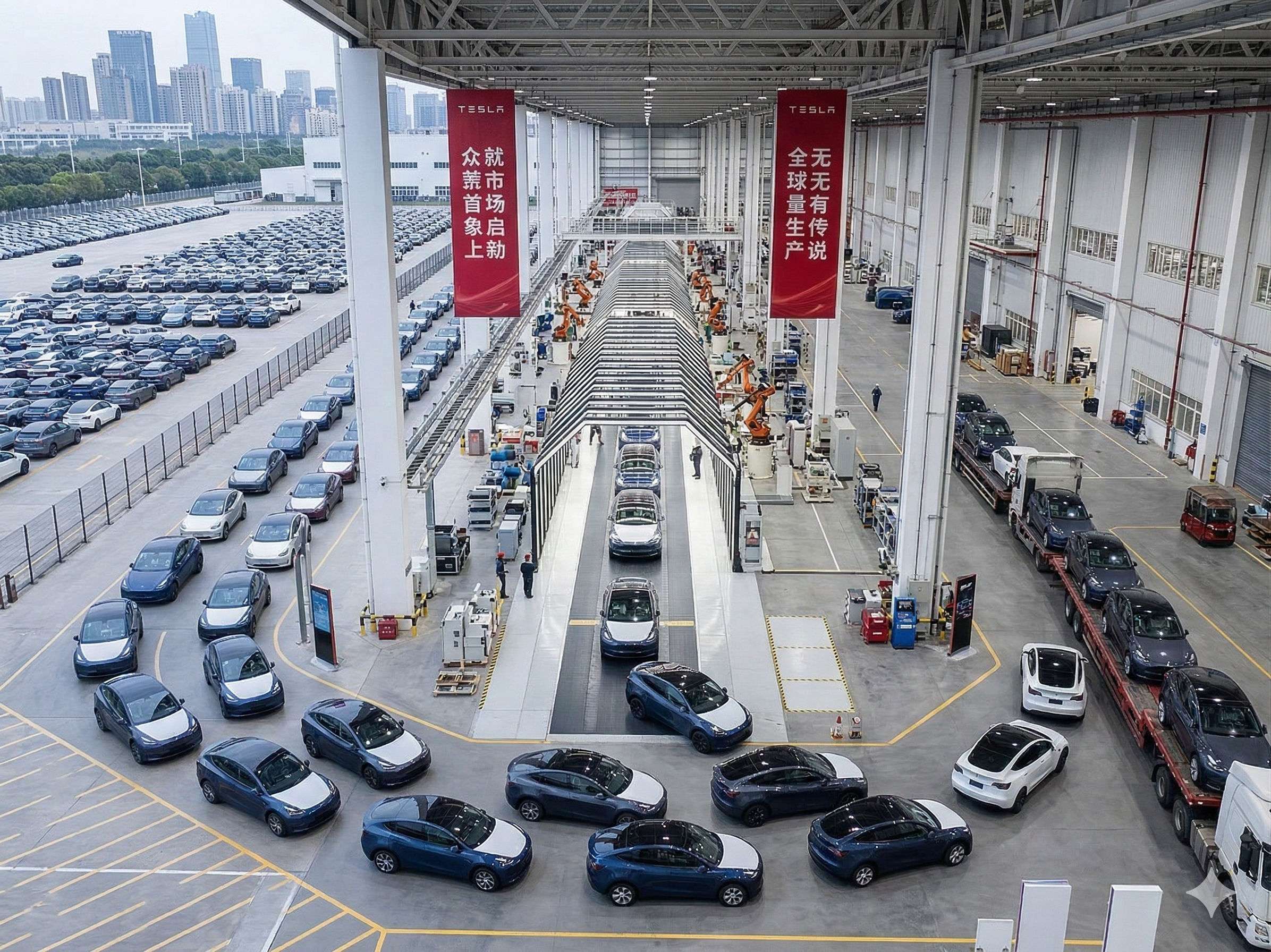
Smaller than the Model Y, lighter, with a single motor and designed to cost less than the current Model 3, Tesla’s new compact electric SUV is born in China and could seal the automaker’s return to the race for mass-market electric vehicles.
-
Kawasaki took the technology from its most brutal racing bikes, squeezed it into a 400cc 4-cylinder engine that revs to 15,000 RPM, and created the ZX-4R, a machine that shouldn’t exist in this displacement but is making experienced riders rethink everything they thought they knew about mid-range motorcycles.

-
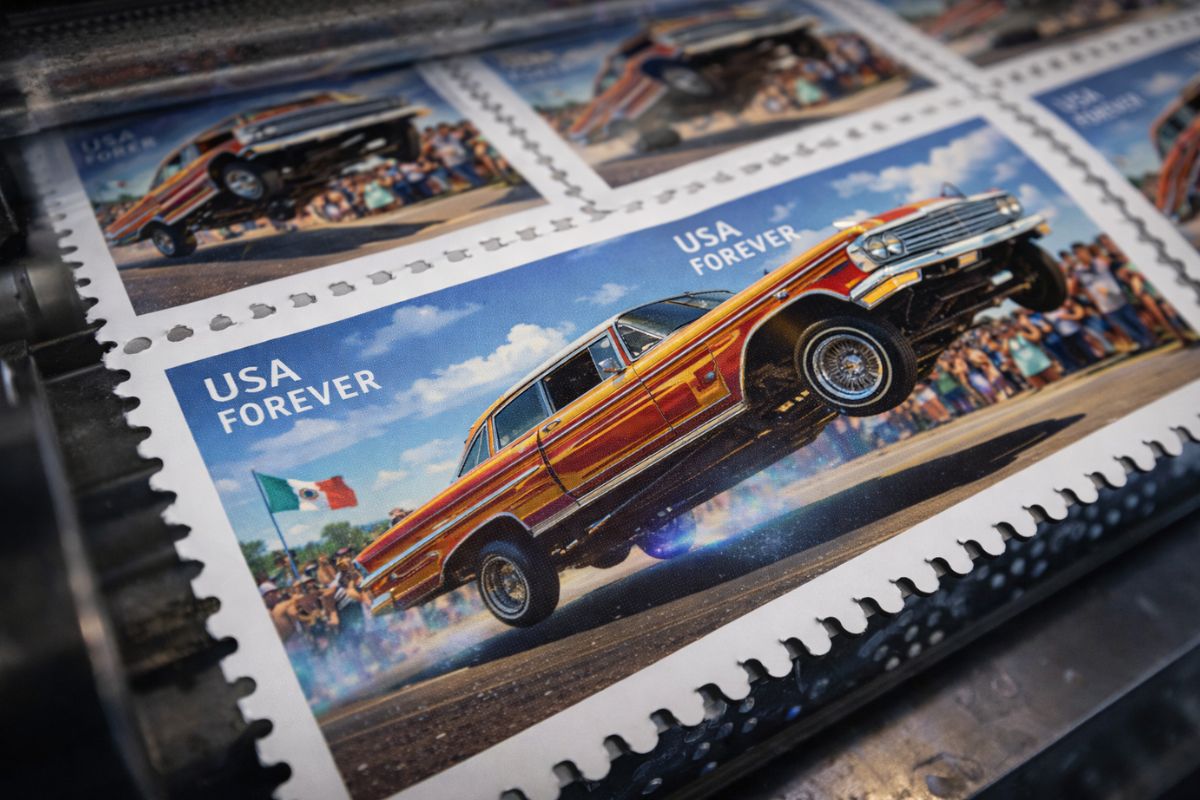
The culture of cars that jump on the asphalt was born in the garages of Mexicans in the 1940s, was treated as a crime in the United States for decades, and has now become an official postage stamp of the American Postal Service in a twist that no one expected.
The loss of the preferential tariff opens the field for international competitors. Chinese automakers, which are already rapidly advancing in Latin America, gain a significant advantage in the Colombian market.
According to journalist Daniela Lima from UOL, Lula believes the measure directly harms the automotive industry based in Brazil. The sector was counting on exports to compensate for stagnation in the domestic market, and now fears a drop in production pace and impact on jobs.
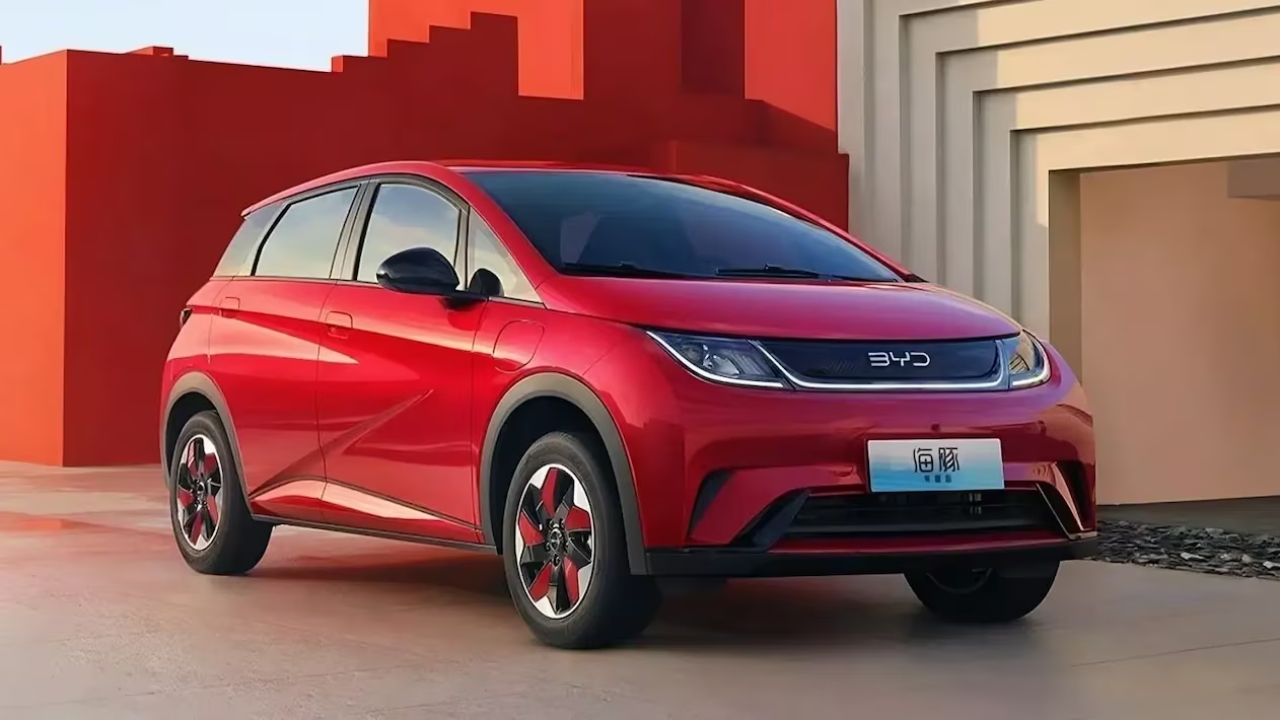
Competition With Chinese Electric Cars
The Car Guide points out that the crisis also reveals misguided choices in Brazilian automotive policy. In recent years, traditional automakers, through Anfavea, blocked incentives for electrics and advocated for the advance of import taxes on these vehicles.
Meanwhile, hybrid technologies with low environmental impact received government support. This strategy has left Brazil at a disadvantage in the global race for electrification.
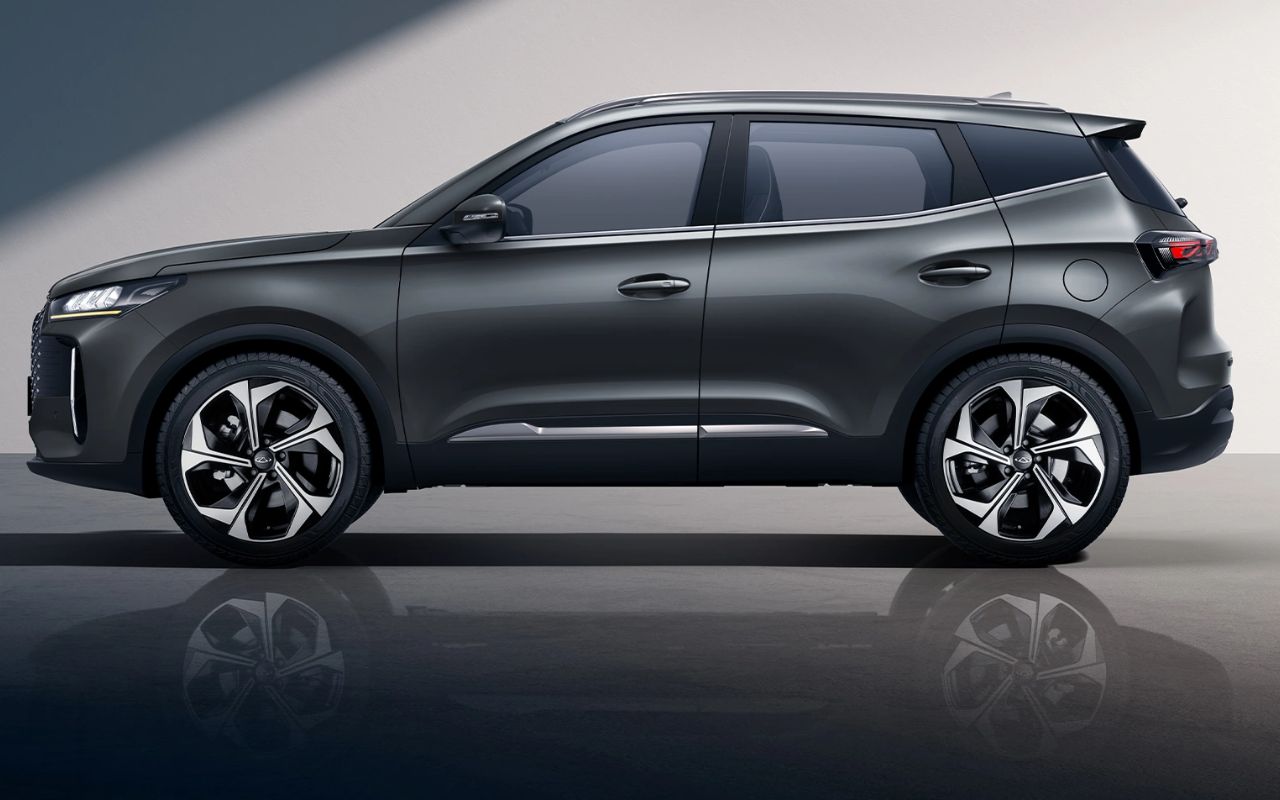
Without the agreement, vehicles produced here arrive at a higher cost in Colombia. Meanwhile, the Chinese offer competitive prices and a wide variety of hybrid and electric SUVs, benefiting from decarbonization incentive policies adopted by the Colombian government.
Diplomacy On The Ground And Industry Alternatives
Itamaraty is trying to reopen negotiations, but there is still no prospect for a new treaty.
In light of the scenario, automakers may seek alternatives. These include redirecting part of the production to other markets or absorbing losses to maintain a presence in the Colombian market.
The dispute reinforces the need for Brazil to diversify its export destinations. It also highlights the importance of negotiating better trade conditions in the international automotive sector.
Local Production Of Electrics: A Possible Solution
Despite the crisis, signs of change are emerging. BYD will begin assembling the Dolphin Mini electric in Camaçari, Bahia, in October.
Later this year, GM is expected to start producing the Chevrolet Spark EUV in Ceará, under the SKD (semi-knocked down) regime.
If exported to Colombia, these models may escape the new tariff, as they fall under a different classification.
These projects show that the electric transition is starting to gain momentum in Brazil. However, progress is slow compared to other countries.
The impasse with Colombia exposes diplomatic weaknesses and the urgency to modernize Brazilian industrial policy for the automotive sector.








Seja o primeiro a reagir!