





 Portuguese
  English
  Spanish
 3 min of reading
  0 comments


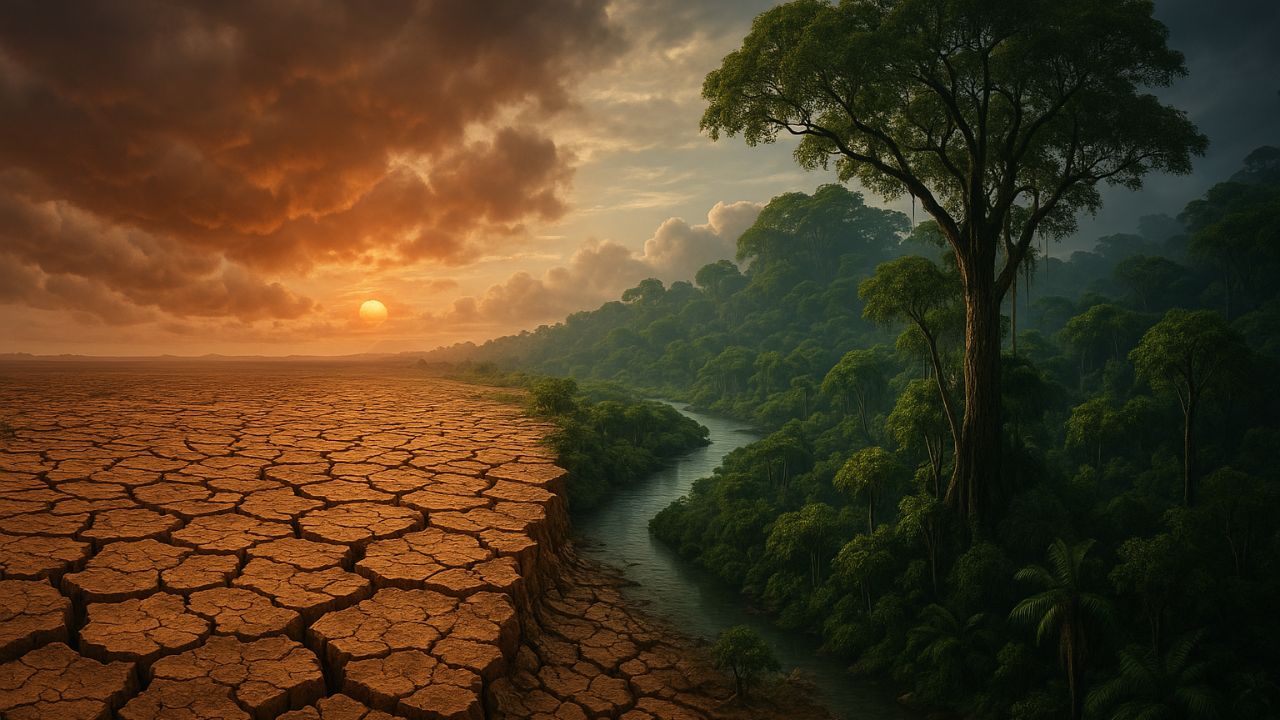
Moody’s Report Predicts 20% Losses in Brazilian GDP by 2050 If the Country Does Not Act Against Climate Change.
Climate change represents one of the greatest economic risks for Brazil in the coming decades. A report released on Tuesday (11/11/2025) by the Moody’s Rating agency reveals that droughts, floods, and deforestation could reduce the national GDP by up to 20% by 2050.
The study warns of direct impacts on agriculture, energy generation, and the Amazon, threatening the country’s economic and environmental stability.
According to the analysis, the effects of global warming are already manifesting in different regions, compromising productivity and natural resources.
-
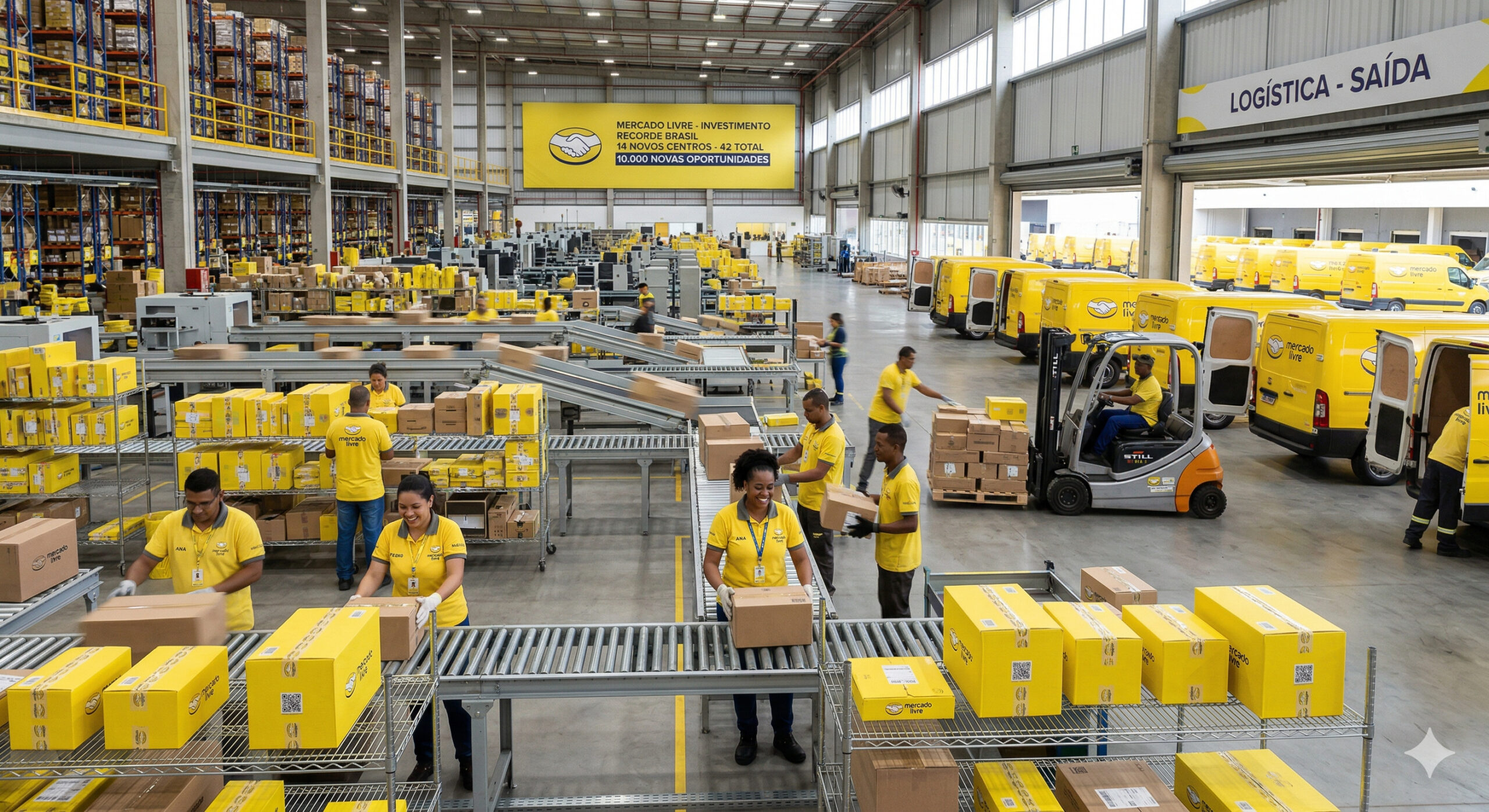
Mercado Livre “opens the vault” and announces a record investment of R$ 57 billion in Brazil in 2026, a value 50% higher than the previous year, with an expansion plan that includes 14 new logistics centers, totaling 42 units in the country and hiring an additional 10,000 employees.
-
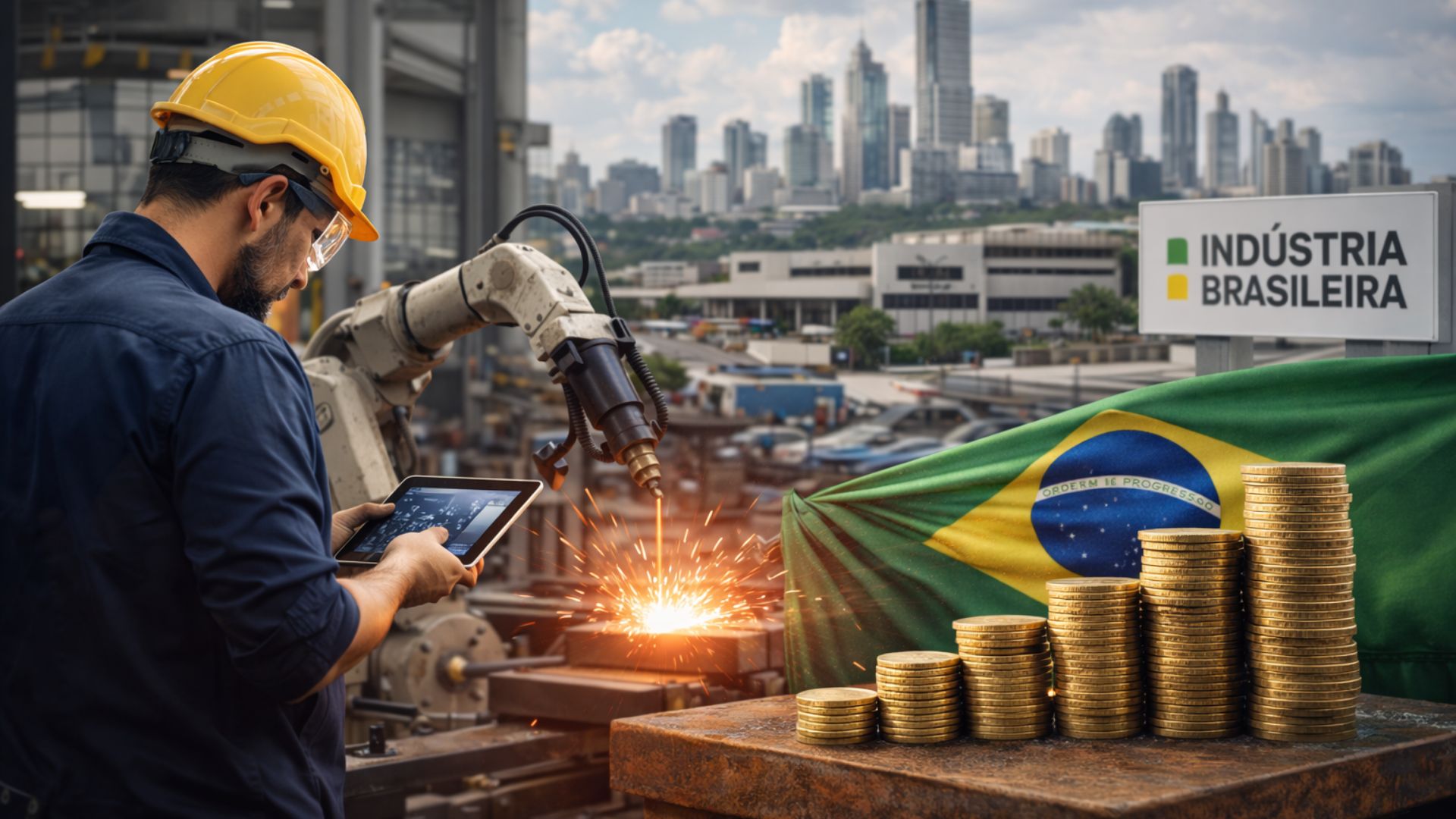
How investment in technology can revolutionize the national economy and enhance industrial gains, according to a study that highlights the direct impact on productivity, innovation, and wealth retention within Brazil.
-
The largest food company on the planet, JBS, has just opened a 4,000 square meter laboratory in Florianópolis to develop customized proteins that modulate muscle mass gain, immune response, and metabolic performance.

-
After nearly 30 bids and competition among industry giants, a Spanish company purchases one of the largest airports in Brazil for almost R$ 3 billion and takes over the management of Galeão in a concession that will last until 2039.


The document reinforces the need for urgent adaptation policies and sustainable investment to contain losses before the COP30, a conference to be held in the Amazon.
Agri-food Sector Is Most Exposed to Climate Change
According to the Moody’s report, the Brazilian agri-food sector is the most vulnerable to physical climate risks.
Currently, it represents 8% of GDP, 16% of employment, and 40% of national exports.
When processing and distribution stages are included, its share rises to 30% of the Brazilian economy. Agricultural production, without adaptation measures, could fall by up to 2% in the coming decades.
This decline would lead to increased imports and concentrated losses mainly in the poorest regions, such as the Northeast.
However, the impacts are already affecting traditionally wealthier areas, such as the South and Southeast, impacted by recent natural disasters—such as the floods that devastated Rio Grande do Sul in 2024.
The IMF (International Monetary Fund) estimates that the country needs to invest between 0.25% and 0.5% of GDP per year solely in agricultural adaptation to avoid productivity losses.
Amazon Is Close to a Tipping Point, Warns Report
Deforestation in the Amazon is also a critical factor in the scenario outlined by Moody’s.
The document points out that the forest has already lost 17% of its original area and could reach the so-called “tipping point” if destruction advances to 20%.
At this stage, the biome would cease to function as a tropical forest and would begin to behave like a savanna, drastically altering the rainfall regime across South America.
This transformation would jeopardize continental climate stability and Brazil’s water security, also affecting hydroelectric energy generation, the main source of the national energy matrix.
Investment in Clean Energy Is Essential to Mitigate Losses
The report also highlights that Brazil will need to invest between 1% and 2% of GDP per year until 2030 to achieve its target of net-zero emissions by 2050.
The federal government should finance 40% of this amount, while the private sector will be responsible for the remaining 60%.
Currently, the country ranks among the ten largest global greenhouse gas emitters.
Agriculture and land use account for about 60% of emissions, while the energy sector contributes 5%—a percentage that tends to grow as demand increases.
However, there is significant potential for the expansion of solar and wind sources, which can balance the equation.
Emission Targets Are Still Insufficient, Experts Say
In the NDC update (Nationally Determined Contribution) presented in November 2024, the Brazilian government committed to reducing between 59% and 67% of greenhouse gas emissions by 2035, based on 2005 levels.
Despite the progress, independent observatories consider the targets insufficient given the pace of global warming.
Researchers from Oxford University emphasize that eliminating deforestation is the most effective and cost-efficient action for Brazil to achieve carbon neutrality by 2050.
COP30 Will Be a Decisive Moment for Brazil and the Amazon
With COP30 scheduled to take place in the Amazon in 2025, Brazil will have the opportunity to present the world with a concrete plan to confront climate change.
The event, which will bring together global leaders and sustainability experts, will be a watershed moment for the country’s international credibility regarding its environmental policy.
Expectations are that the Brazilian government will use the meeting to reinforce commitments to clean energies, reforestation, and biome protection, demonstrating that economic development can go hand in hand with environmental preservation.






-

Uma pessoa reagiu a isso.