Portuguese
  Spanish


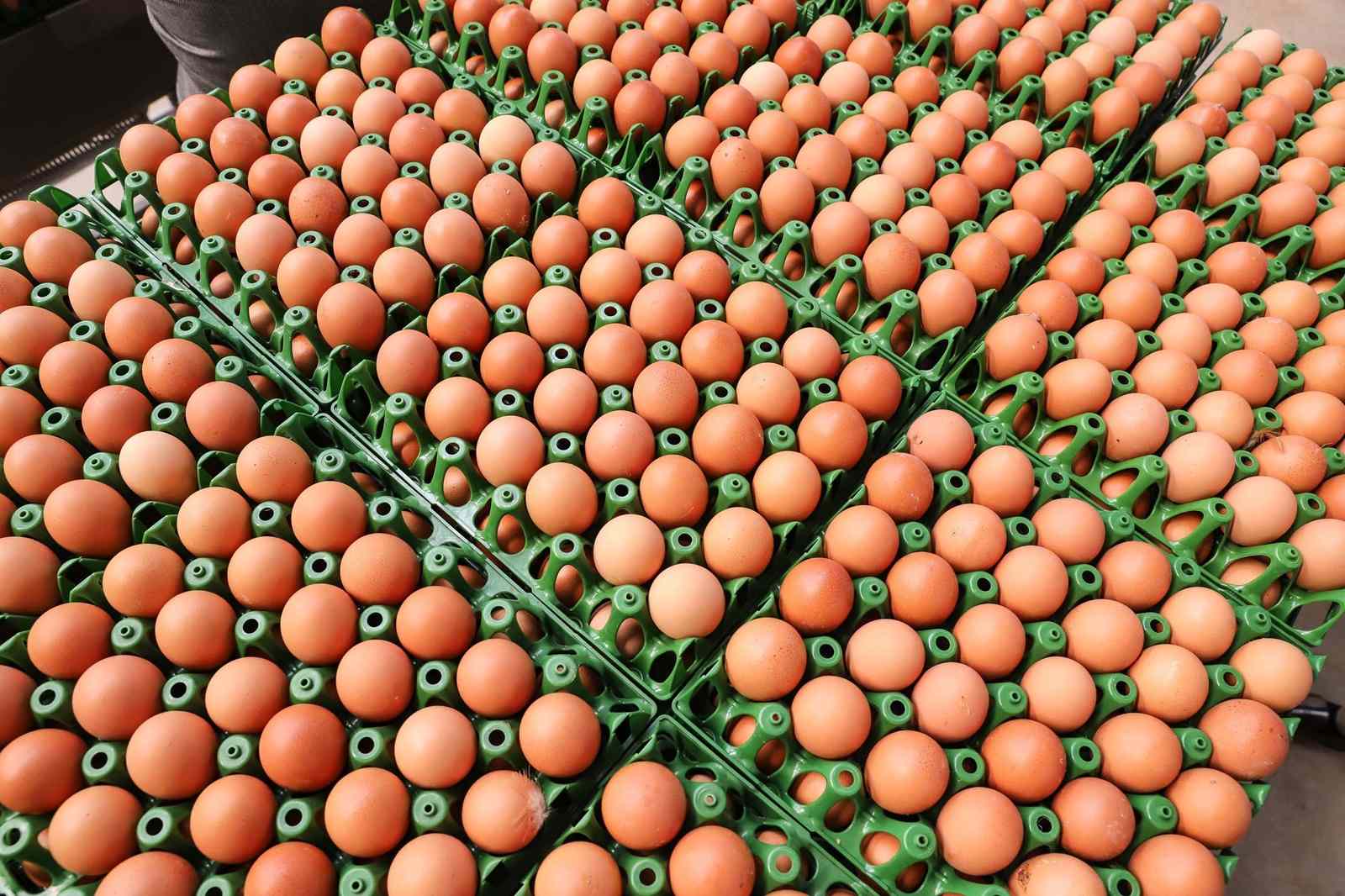


With Production of 2.03 Billion Dozens and Exports Growing 174%, the Brazilian Egg Sector Records Historic Performance in 2025, Even After Sanitary Challenges and Tariffs Imposed by the United States
The Brazilian egg sector is experiencing a historic year in 2025. Even before the end of the calendar year, production and exports reached unprecedented levels, consolidating the country as one of the world’s leading suppliers of protein.
The combination of high external demand, overcoming sanitary challenges, and expanding production capacity resulted in a scenario of consecutive records and significant growth.
Accelerated Exports
From January to June, Brazil exported 24,900 tonnes of fresh and processed eggs, nearly three times more than in the same period of 2024.
-
India’s Sugar Export Cuts and Ethanol Shift Amid El Niño Threat Could Impact Global Prices and Stocks

-
Quarantine Pest Threatening Palm Trees Puts Brazilian Authorities on Alert, Prompts Monitoring at University of Taubaté and Potential Control Measures Across São Paulo
-
Global Alert: Report Finds 159 Pesticides in Coffee Beans Sold in Europe, Posing Serious Risks to Millions of Farm Workers
-
Low-Demand Brazilian Beef Offal Gains Popularity Abroad: Indonesia Purchases $19.5 Million, Boosting Revenue and Reducing Waste




This volume represents the best performance recorded since the beginning of the historical series by the Secretariat of Foreign Trade (Secex) in 1997.
This advance was mainly driven by shipments to the United States, which faced an outbreak of Highly Pathogenic Avian Influenza (HPAI), affecting domestic supply and increasing imports. Other countries also reported cases of the disease, further raising the demand for Brazilian eggs.
In Brazil, the only record of HPAI in commercial farms occurred on May 15, in Montenegro (RS). Despite the restrictions imposed by several countries after the incident, the sector reacted strongly: in May, exports reached 5,360 tonnes — the highest monthly volume in the Secex series. Of this total, 77.8% was destined for the United States, highlighting the significance of the U.S. market.
After strictly adhering to international protocols, the World Organisation for Animal Health (OIE) reinstated Brazil’s status as a disease-free country in June, restoring international confidence and reinforcing the country’s sanitary image.
Record Production and High Resilience
The domestic market also remained robust. Egg production for consumption reached 2.03 billion dozens in the first half of 2025, a 9.2% increase compared to the same period in 2024, according to the Brazilian Institute of Geography and Statistics (IBGE).
In May, the sector achieved a historic record: 349.5 million dozens produced, 7% above the same month the previous year.
This performance confirms the resilience of Brazilian producers, who maintained their expansion pace even in the face of sanitary uncertainties and fluctuations in exports.
Traditionally, the domestic market absorbs about 99% of national production. However, in June, the share destined for export rose from 1% to 3%, according to estimates from the Centre for Advanced Studies in Applied Economics (Cepea). That month, shipments recorded a new record, reaching 6,560 tonnes.
Decline in the Second Semester
The positive trend reversed starting in July, when shipments began to decline. The 31% drop in sales to the United States coincided with the announcement of a 50% tariff imposed by the U.S. government on Brazilian exports, effective August 6.
As a result, the U.S. lost its position as the leading destination for Brazilian protein, overtaken by Japan. In September, the sector recorded the third consecutive month of contraction, achieving the lowest export volume of the year.
Even with the weakening in the third quarter, the cumulative total from January to September maintained significant numbers: 34,400 tonnes shipped, a growth of 174% compared to the same period in 2024 (12,540 tonnes) and 86% higher than the entire volume exported the previous year (18,470 tonnes).
Pressure on Internal Prices
The increase in national production and the deceleration in exports had direct effects on internal prices. Despite strong performance in the external market, high domestic supply maintained pressure on prices.
After reaching historic records between February and March, egg prices began to fall in April and continued to decrease in the main regions monitored by Cepea, except for August.
The scenario shows that, even in a record year, the sector faces the challenge of balancing supply and demand in a dynamic environment where sanitary factors, trade tariffs, and exchange rate fluctuations directly influence the performance of Brazilian poultry farming.