





 Portuguese
  English
  Spanish
  3 min of reading
  0 comments


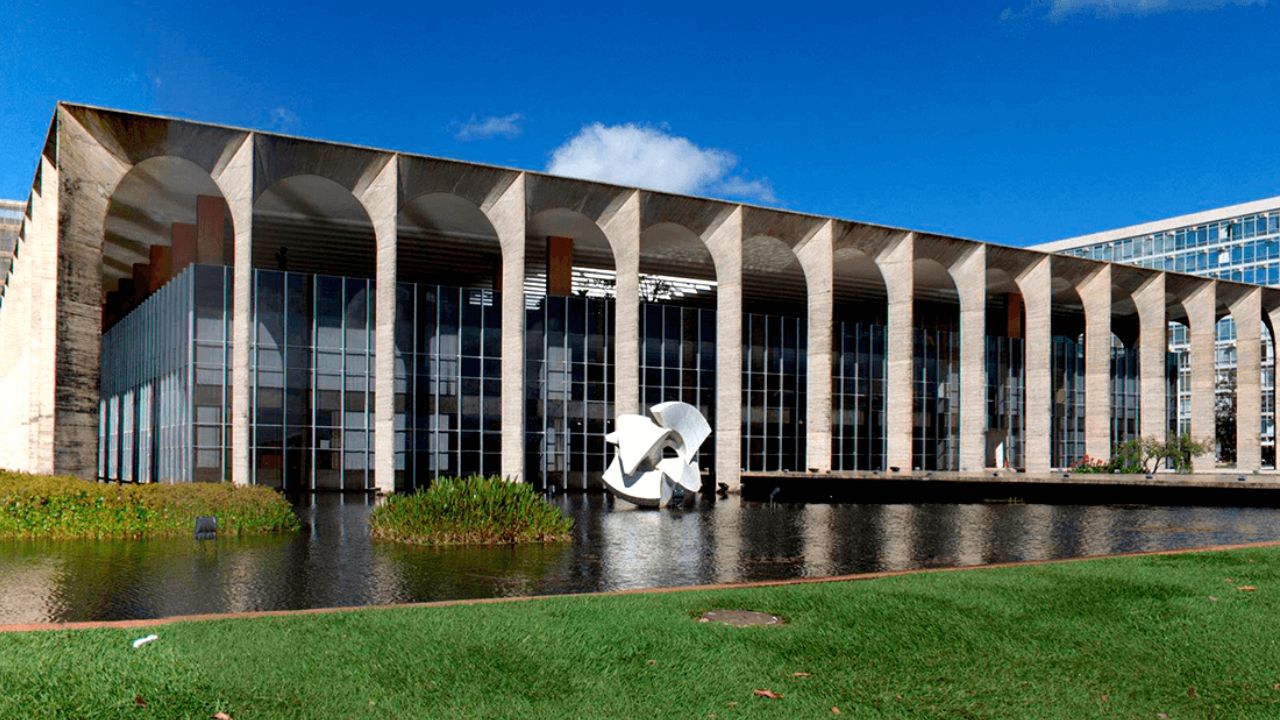
Itamaraty Details Responses to US Investigation on Alleged Trade Practices of Brazil, Addressing Pix, Tariffs, Among Others.
The Itamaraty submitted its official response to the US investigation into alleged unfair Brazilian trade practices on the night of this Monday (08/18/2025). The document details claims point by point, including the use of Pix, tariff policies, anti-corruption efforts, intellectual property, barriers to US ethanol, and illegal deforestation.
According to the Brazilian government, the response reinforces its commitment to a strategic partnership with the US and to fair and open trade.
Since President Donald Trump announced the opening of the action by the USTR (United States Trade Representative), he has stated that Brazil has been an unfavorable trade partner.
-
China alone accounts for 70% of trade within the BRICS, while Brazil establishes itself as an essential supplier of food and minerals: understand how the group, which already represents nearly 40% of the world’s GDP, is changing the game.
-
Starting in May, those who do not have registered biometrics will not be able to apply for Bolsa Família, sickness benefits, or unemployment insurance: understand the new rule that changes access to benefits for millions of Brazilians.

-
A new law being voted on in Brazil proposes a minimum fare of R$ 10 per trip and R$ 2.50 per kilometer for Uber and 99 drivers, and promises to ensure they earn as well as taxi drivers did during the golden age of taxis in the country.

-
Bauer Group collapses after failed judicial recovery: 25 years, 800 vehicles, and a network of gas stations leave a debt of R$ 50 million and 100 layoffs, exposing costs, tight margins, and expensive credit in Brazil.


Itamaraty countered this claim, emphasizing that the US trade surplus with Brazil evidences that Americans benefit from bilateral trade and that both countries make significant investments in each other.
Pix and Digital Commerce: Brazil Denies Discrimination Against US Companies
The majority of the 91-page document was dedicated to Pix. The government clarifies that the Central Bank tool:
Is a public, open, and neutral infrastructure;
Promotes financial inclusion and competition;
Does not discriminate against foreign companies, including Google Pay;
Regulatory requirements apply to all, without distinction.
Itamaraty compared Pix to FedNow, a similar system from the US Federal Reserve, and highlighted that Supreme Court decisions regarding electronic platform liability apply only to serious cases, such as terrorism and child pornography, following international standards.
Data protection, regulated by the LGPD, does not prevent information transfers to the US, requiring only contractual safeguards.
Preferential Tariffs: Brazil Rebuts Tariff Accusations
Regarding allegations that Brazil favors products from other countries over those from the US, Itamaraty states that:
Preferences for countries like India and Mexico stem from Mercosur agreements, in accordance with WTO rules;
73.7% of US exports enter Brazil tariff-free;
The US trade surplus confirms that the country benefits from the bilateral relationship.
The Brazilian government classifies these allegations as “baseless,” emphasizing that there are no policies that discriminate against US companies.
Combating Corruption: Reforms and International Alignment
The USTR also questioned the fight against corruption in Brazil. Itamaraty’s response details that the country:
- Strengthened the CGU (Office of the Comptroller General) and the Federal Police;
- Enhanced the Anti-Corruption Law, aligned with the US FCPA;
- Cooperates with international organizations such as OECD and UN;
- Maintains policies that do not harm US companies.
Intellectual Property: Brazil Reinforces Alignment with International Treaties
The Brazilian government highlighted actions such as:
- Modernization of INPI and use of digital tools;
- Reduction of the patent backlog;
- Adherence to the PCT and Madrid Protocol;
- Active cooperation with the US on intellectual property projects.
Itamaraty reinforced that such initiatives align with international norms, including the WTO’s TRIPS.
Barriers to Ethanol: Sustainable and Non-Discriminatory Policies
The US accuses Brazil of imposing barriers to US ethanol. In response, Itamaraty argues that:
- The policies protect the sustainable development of the biofuels sector;
- Tariffs are within Mercosur and WTO commitments;
- Brazil and the US are global leaders in biofuels and have historically cooperated in the sector.
Illegal Deforestation: Control Measures and Environmental Commitment
Finally, the government rejected the idea that environmental policies would constitute unfair trading practices. Among the highlighted measures:
- Reduction of deforestation with constant monitoring;
- Strengthening of Ibama and ICMBio;
- Implementation of PPCDAm;
- Compliance with the Paris Agreement and international cooperation on sustainability.
Itamaraty emphasizes that Brazil seeks to reconcile economic growth, environmental protection, and a balanced relationship with the US.









-

-

3 pessoas reagiram a isso.