





 Portuguese
  English
  Spanish
  3 min of reading
  0 comments


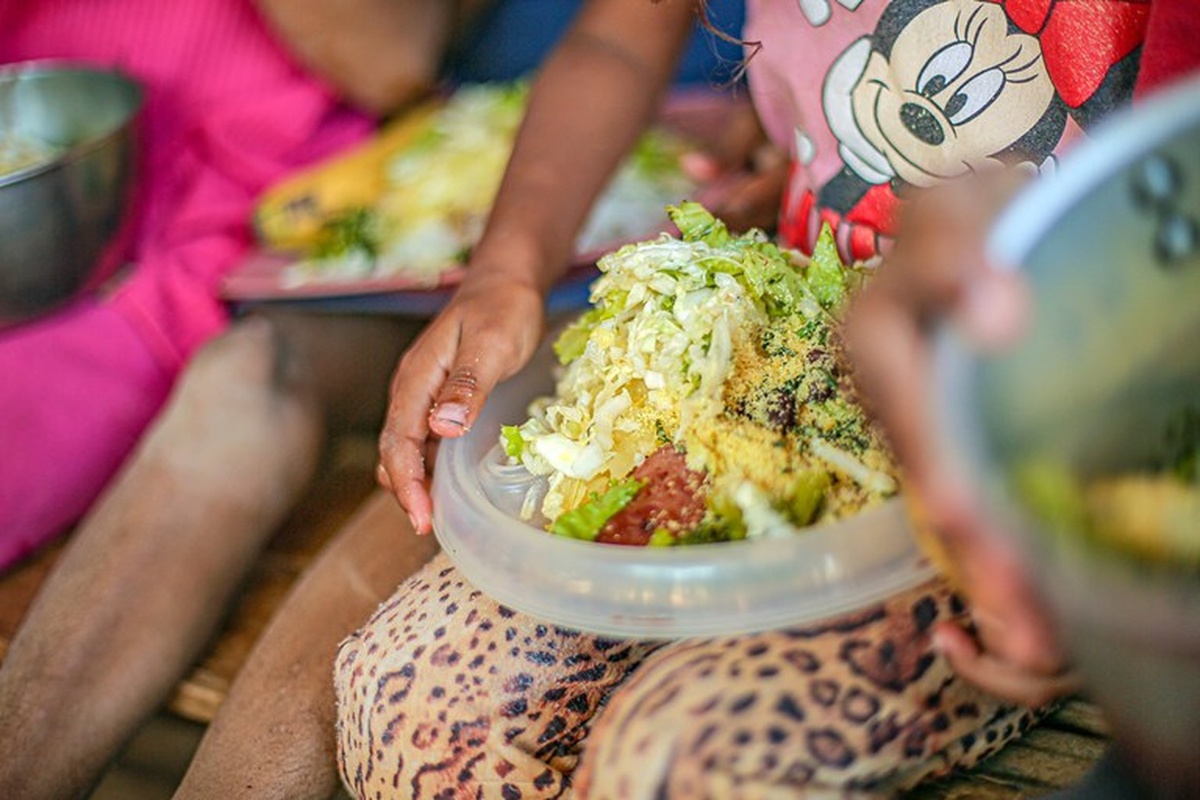
UN Confirms Significant Reduction in Hunger Based on Updated Data
Brazil has officially been removed from the UN Hunger Map, according to a report released by FAO, the UN agency for food.
According to the survey, the country reduced the percentage of people in hunger to less than 2.5% of the population.
This rate meets the minimum threshold required by the UN for a nation to be removed from the Hunger Map.
This result marks a historic turnaround since 2021, when Brazil returned to the map after the pandemic and the weakening of public policies.
The recovery occurred, mainly, thanks to the restructuring of social programs and the strengthening of family agriculture, according to FAO.
In addition, the resumption of Bolsa Família with new inclusion criteria helped to increase access to basic food in the country.
Social Programs Make a Difference in the Fight Against Hunger
Since March 2023, the new Bolsa Família has adopted stricter criteria, such as nutritional monitoring and the updating of beneficiary registrations.
The government also released special credit for family farmers and expanded subsidies for the production of basic food.
According to Rafael Zavala from FAO, these measures were crucial to stabilize supply and increase access to food in the most affected regions.


FAO Report Indicates Progress in the Most Vulnerable Regions
According to the report “The State of Food Security and Nutrition in the World,” Brazil reduced the number of people in severe hunger by more than 20 million.
In 2022, this rate exceeded 4.1%, with a negative emphasis on the Northeast and North regions, which had the highest levels of food insecurity in the country.
Now, these same regions are showing significant declines in hunger, a direct result of the resumption of structural programs aimed at combating food insecurity.
-
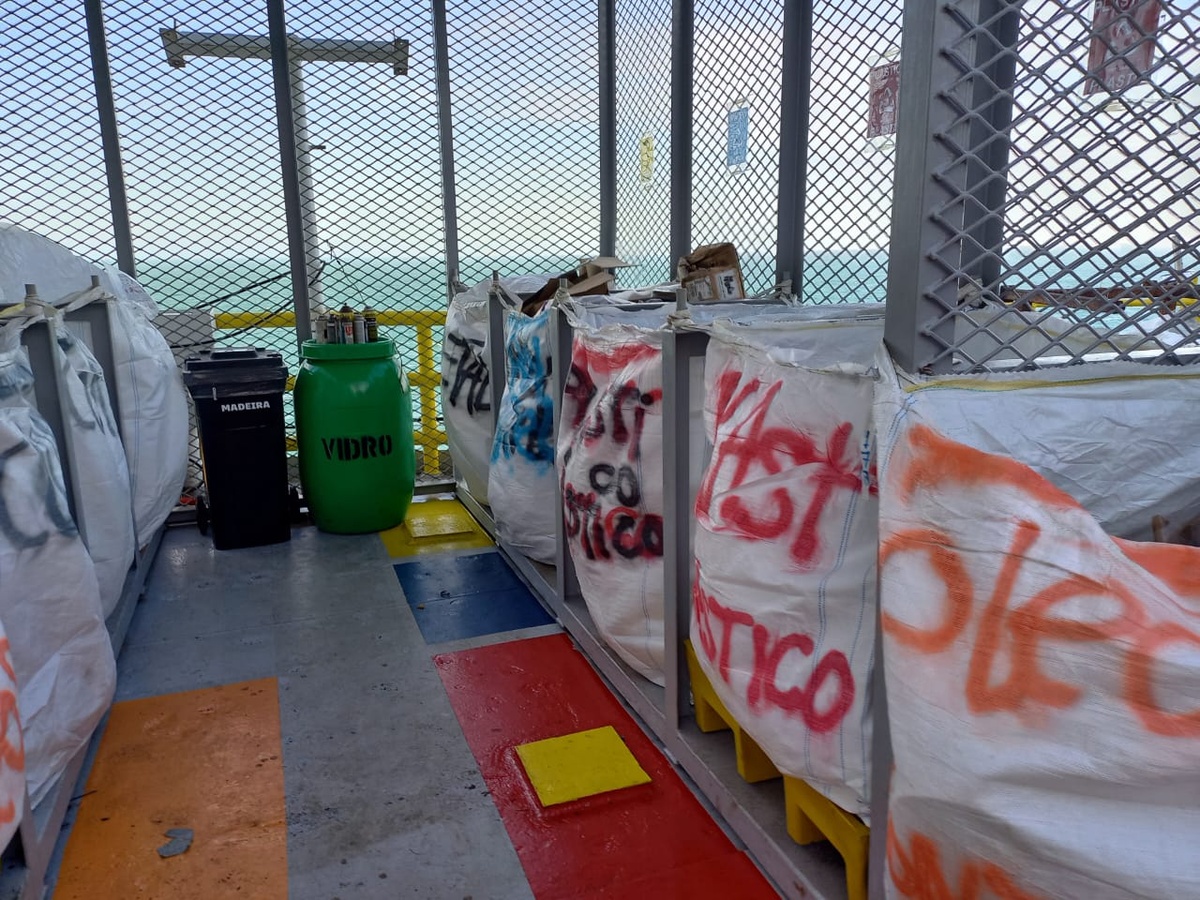
Foresea achieves 100% offshore waste reuse in 2025, eliminates landfill disposal, and consolidates sustainable strategy with 1,500 tons recycled.
-
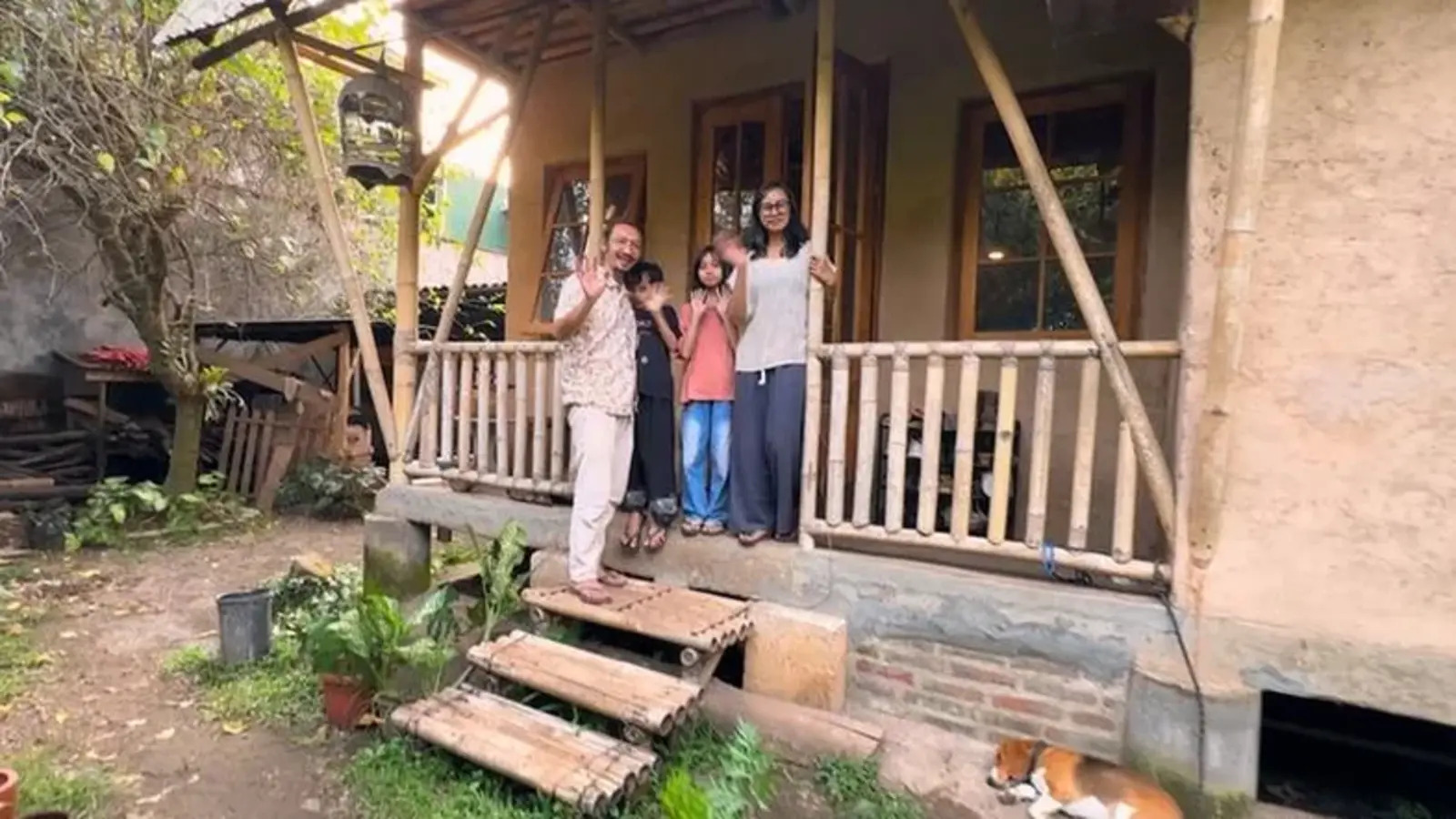
With earth, bamboo, straw, and lime mortar, a specialist builds a house for just over $460 and draws attention for its cost being much lower than traditional construction.
-
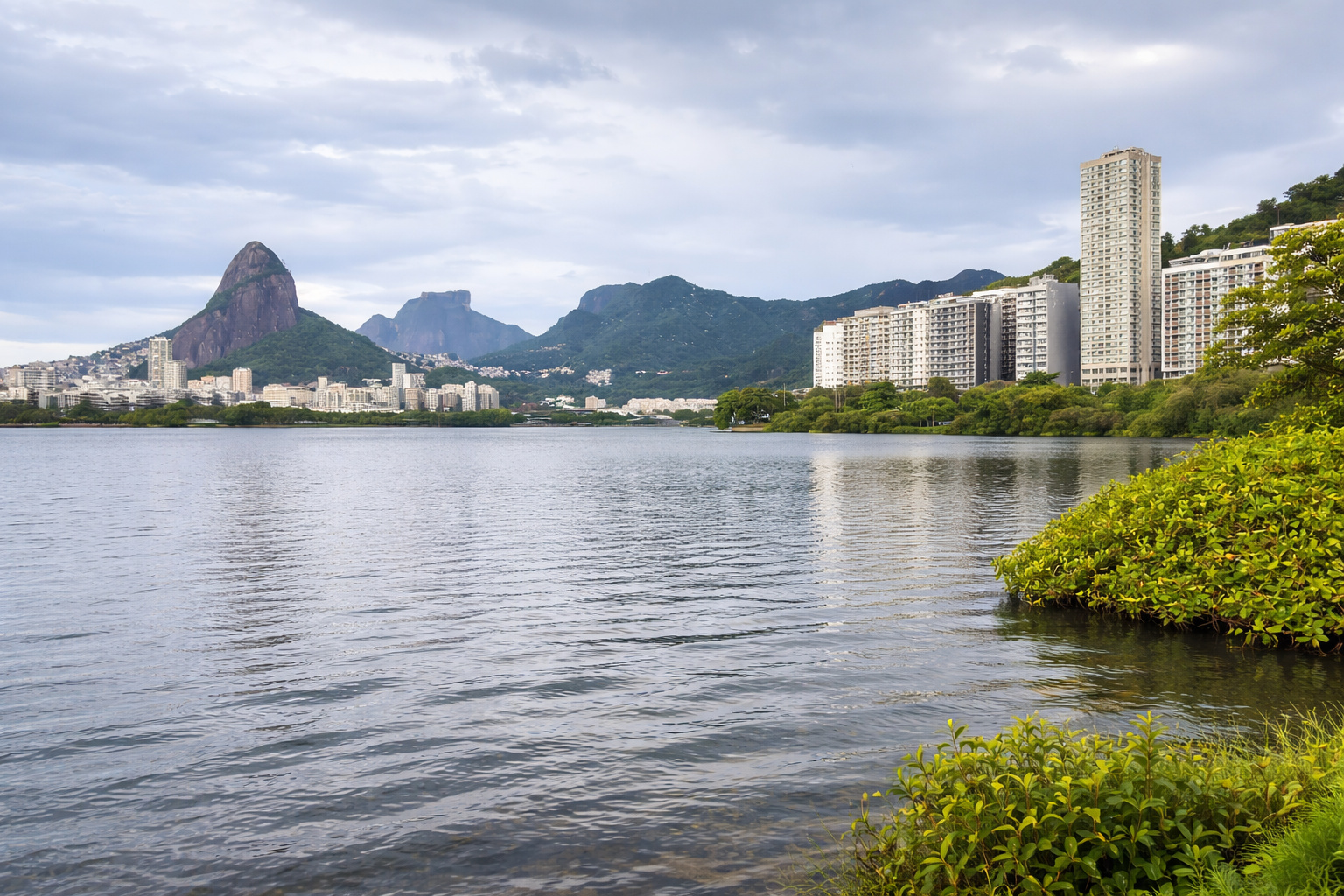
Rodrigo de Freitas Lagoon advances in environmental recovery with sanitation, elimination of irregular sewage, and the resumption of water sports in Rio de Janeiro.
-
Sustainable housing gains strength with a nationally awarded project in Campo Grande, highlighting innovative solutions that combine sustainability, urban integration, and efficiency in the use of natural resources.


Moreover, support for local agricultural production has been intensified, which further strengthened internal supply and access to basic food.
The research, based on data from IBGE and the Unified Registry, confirmed the direct impact of these actions on vulnerable communities.
Families with young children and single mothers were the most benefited, especially after the expansion of aid and the adjustment of inclusion criteria.
Brazil Stands Out in a Global Scenario Marked by Setbacks
While Brazil celebrates progress, other countries face worsening global hunger rates. According to FAO, 735 million people suffered from hunger worldwide in 2023, an increase of 122 million in two years.
In this context, Brazil’s performance was praised by Mario Lubetkin, FAO Deputy Director-General for Latin America, who highlighted the country as an example for the region.
“Brazil demonstrates that hunger is not inevitable and that well-designed public policies work even in the face of economic and climatic crises,” Lubetkin told the regional press.
Warning Remains for Backsliding Risks Without Continuous Vigilance
Although the removal from the Hunger Map represents an achievement, experts warn that Brazil still faces food insecurity in critical regions of the country.
The PENSSAN Network (Brazilian Network for Research on Sovereignty and Food Security) emphasizes that hunger can return quickly if cuts or weakening of essential public policies occur.
Moreover, extreme weather events and income inequality continue to pressure access to quality food in urban peripheries and in the most isolated rural areas.
Ensuring dignified food depends on the continuity of social programs, as well as active oversight and ongoing budgetary priority at all levels of government.
But will Brazil maintain this commitment to food security?









Seja o primeiro a reagir!