





 Portuguese
  English
  Spanish
  4 min of reading
  0 comments


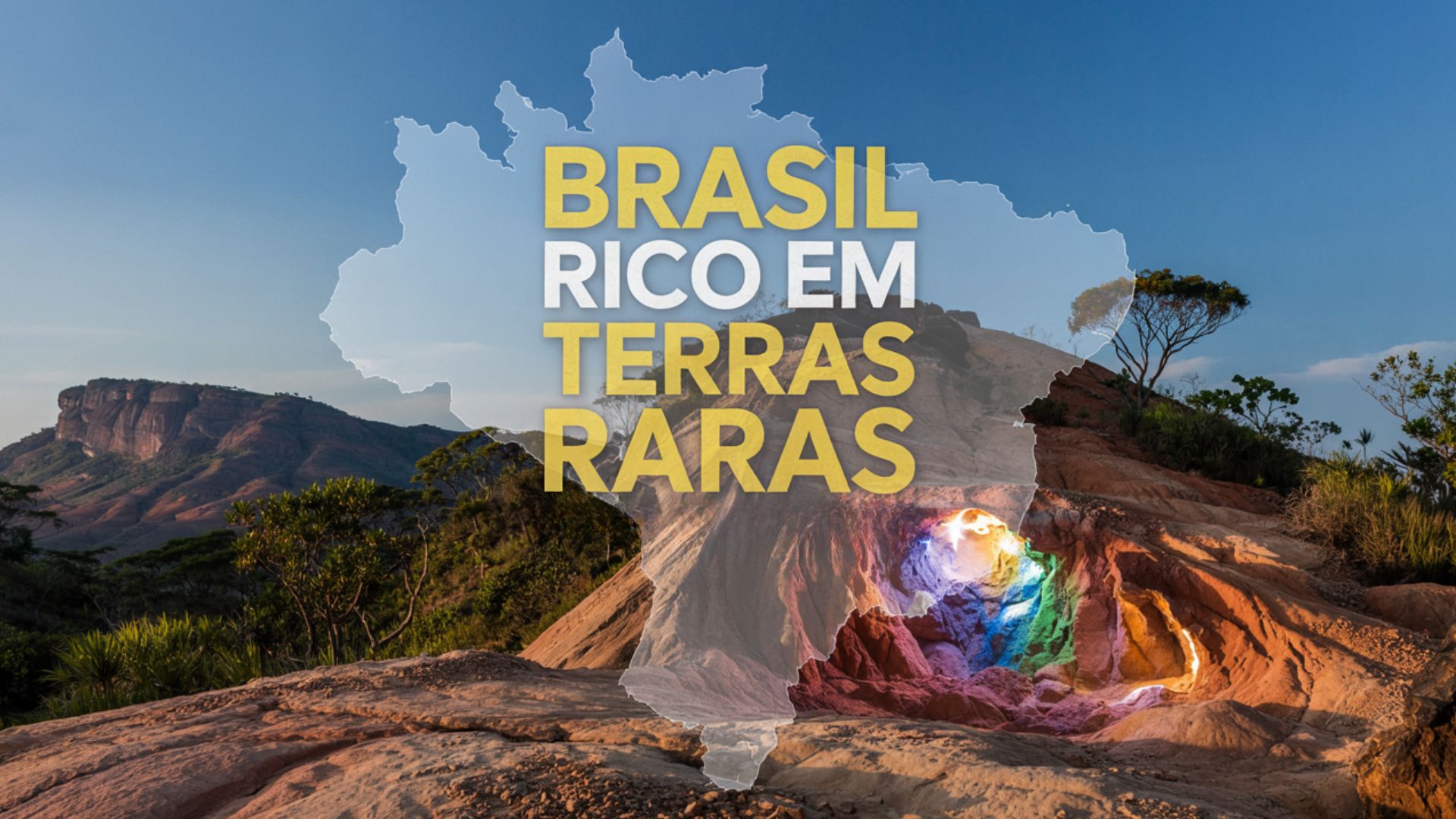


New Discovery in Caçapava do Sul Reveals Rare Earth Element Concentration Up to 6 Times Higher Than in China. Brazil Could Become a Global Leader in Strategic Mining.
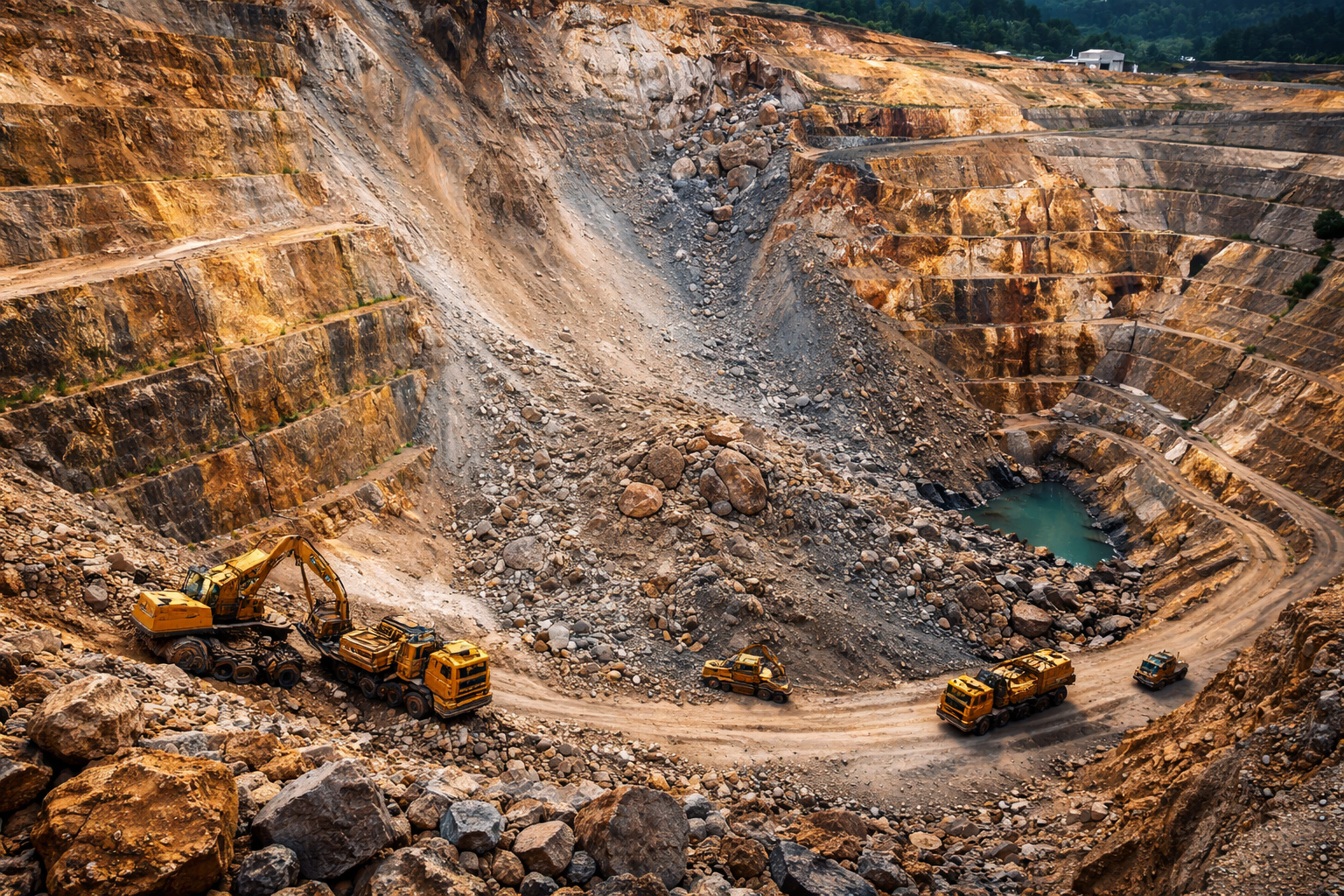
A new scientific research led by Brazilian universities revealed the existence of soils and rocks with extremely high concentrations of rare earth elements (REEs) in Caçapava do Sul, in the central region of Rio Grande do Sul. This discovery could place Brazil among the leading global players in the mining of these elements essential for the high-tech industry.
A Promising Discovery in the Interior of RS
The scientific expedition that led to this identification was funded by the National Council for Scientific and Technological Development (CNPq) and will continue until December 2026. The research team consists of scientists from the Federal University of Santa Maria (UFSM), Federal University of Rio Grande do Sul (UFRGS), and the University of Pampa (Unipampa).
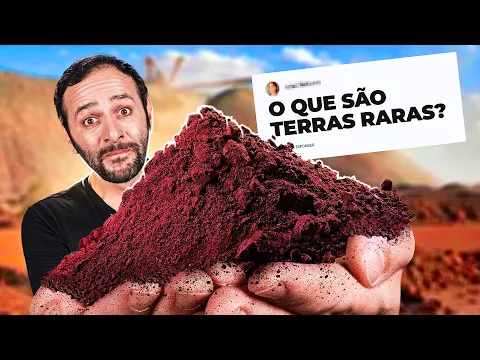

The main focus is on carbonatite rocks, especially in the formation known as Picada dos Tocos, rich in strategic minerals such as apatite, pyrochlore, monazite-(Ce), and aeschynite-(Ce). Important concentrations of niobium and tantalum, other high-value industrial elements, were also identified.
-
After China, it’s now the turn of the USA to ‘secure’ a share of Brazil’s natural resources: the country buys critical rare earths for R$ 3 billion and enters the center of the global technology dispute.
-
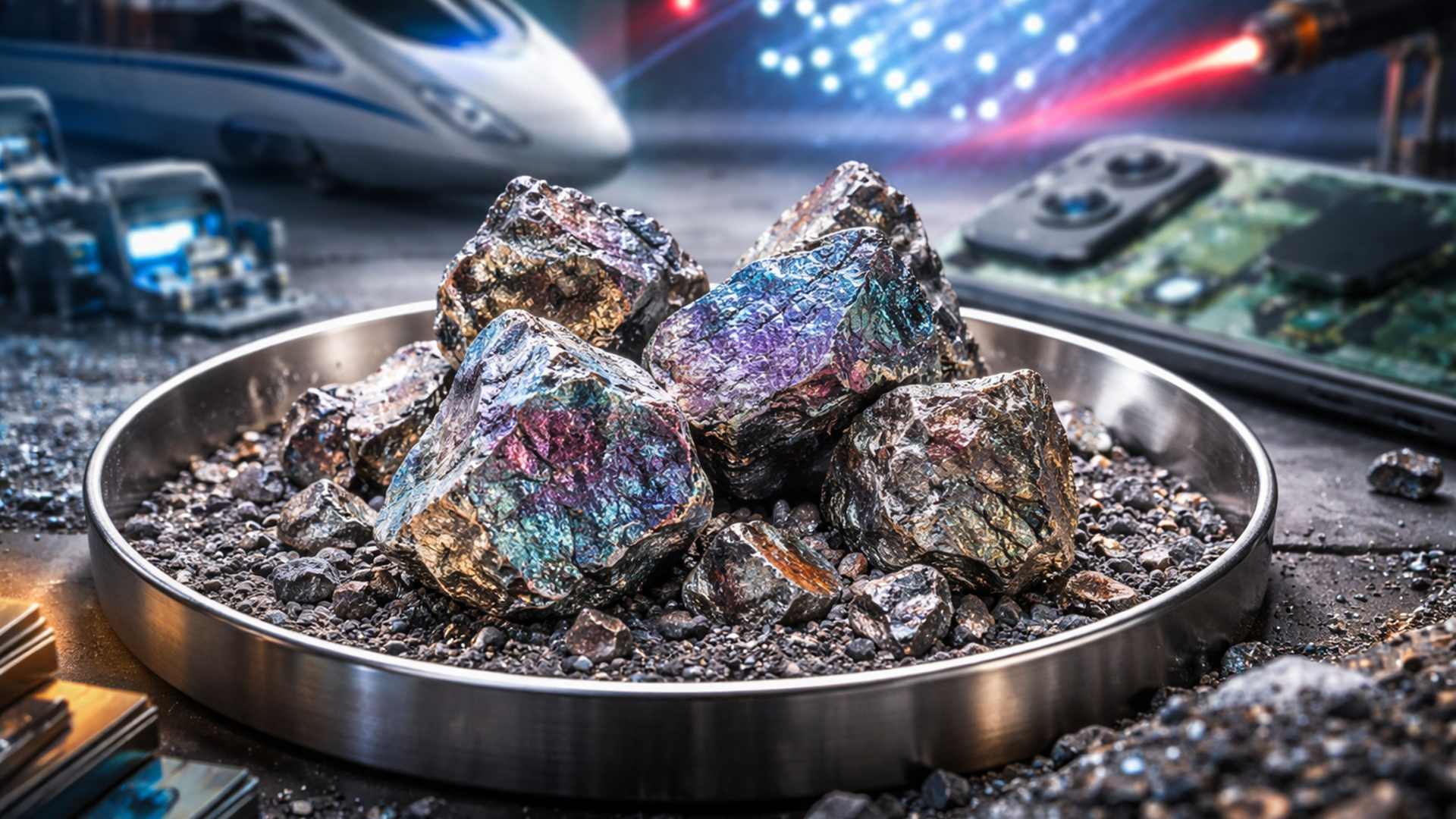
Rare earths are in everything, from cell phones to bullet trains, and what almost no one realizes is why they have become the target of such a delicate global war.
-
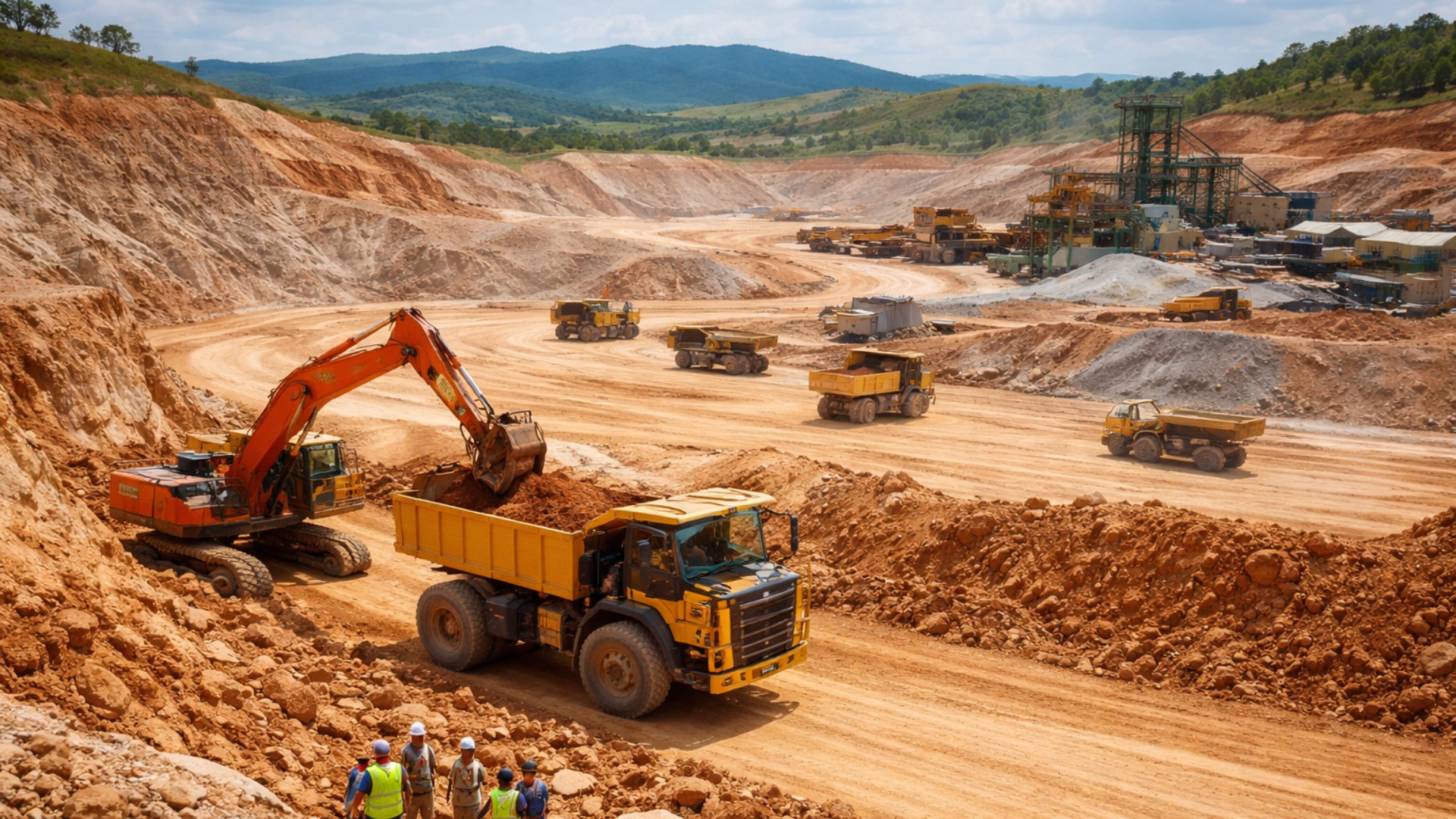
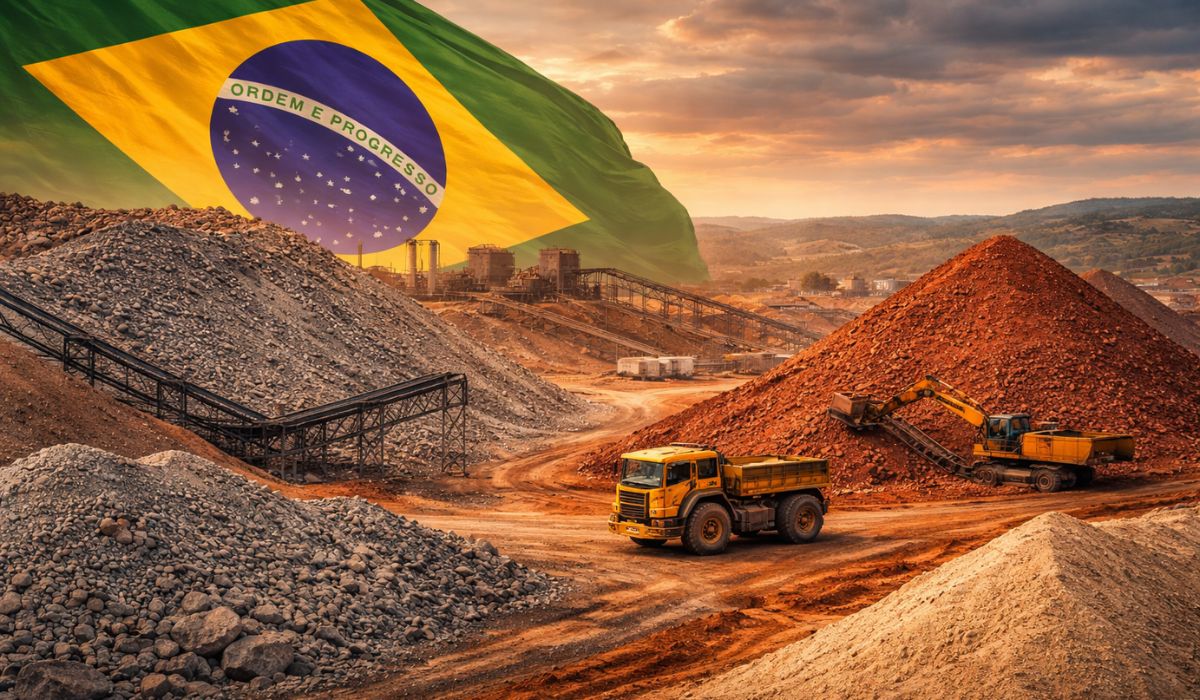
Brazil extracts 26.3 million tons of ore from what was previously treated as waste, transforming residues into wealth, producing over 3 million tons of sand, and demonstrating how national mining is relearning to generate value.
-
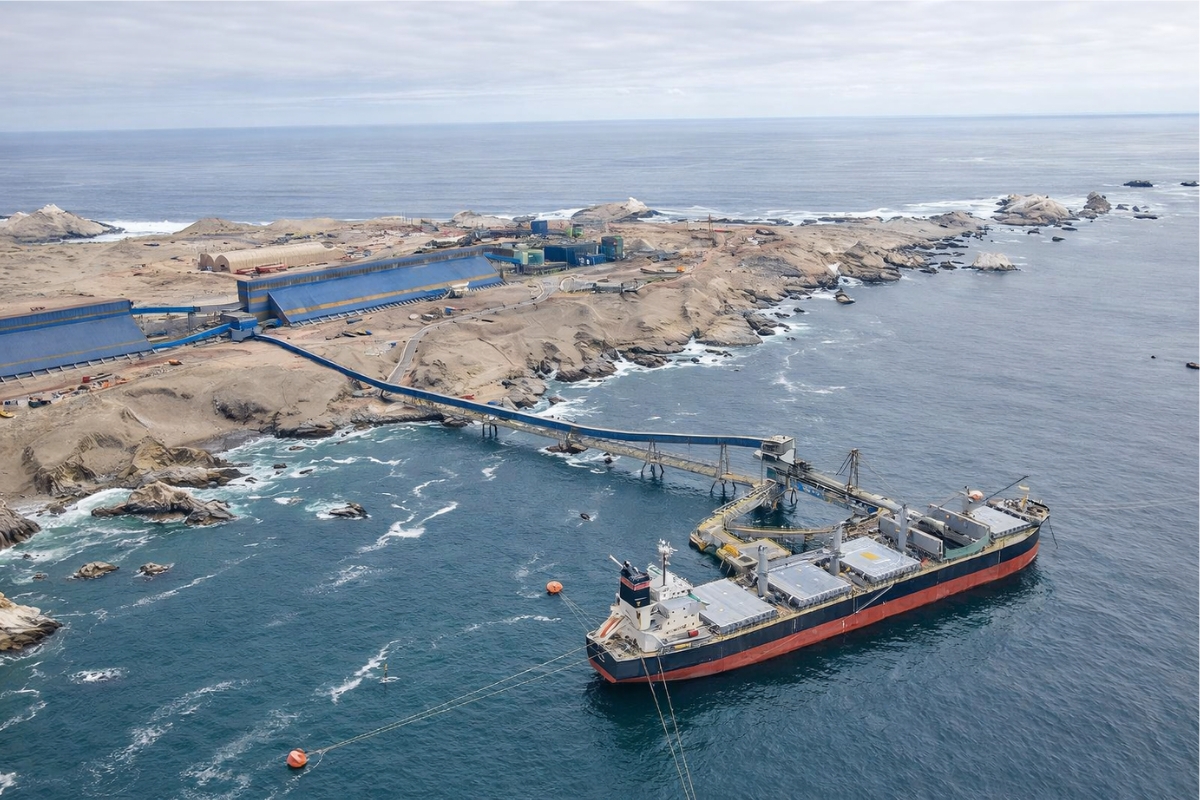
A $3.5 billion megaproject in Latin America pumps desalinated seawater at 1,050 liters per second over 194 km to keep a copper supermine in the Andes operational for another 20 years.

According to Professor Marcelo Barcellos da Rosa from the Chemistry Department at UFSM and the project coordinator, the local soil presents rare earth levels up to 12 times higher than those found in Cuba and six times greater than those in China, which currently leads global production.
Why Are “Rare Earths” So Valuable?
Despite the name, rare earth elements are not scarce in nature — the term refers to the difficulty of extracting and separating the elements, which are usually found in very diluted concentrations or in hard-to-access locations.
These elements are indispensable for the manufacturing of a wide range of technological and sustainable products, such as:
- High-Performance Permanent Magnets used in electric motors and wind turbines;
- Motion and Speed Sensors;
- Electronic Devices like laptops, smartphones, cameras, and hard drives;
- Automotive Catalysts and Electric Vehicle Batteries;
- And even Military and Aerospace Technologies.
In other words, dominating the rare earth production chain is synonymous with technological sovereignty.
Brazil: Second Largest in Reserves, But Still Dependent on Imports
With this new discovery, Brazil reinforces its role as a mineral powerhouse still slumbering. According to data from UFSM and the Geological Service of Brazil, the country holds about 23% of the known rare earth reserves in the world, second only to China. However, Brazil produces and exports very little — most of the national mining activity in this area still depends on foreign investments.
The main Brazilian rare earth deposits are located in:
- Araxá, Poços de Caldas, and Tapira (MG);
- Catalão and Minaçu (GO);
- Jacupiranga and Itapirapuã (SP);
- Pitinga (AM).
With the identification of the potential in Caçapava do Sul, Rio Grande do Sul could become the new epicenter of strategic mining in Brazil.
Sustainability and Environmental Research Are Also Part of the Mission
Besides measuring the concentration of rare earths, the project also studies the relationship of the minerals with the local ecosystem. UFSM is coordinating the collection of soil, water, and vegetation samples, while Unipampa conducts studies on environmental impacts and biodiversity. UFRGS, in turn, is responsible for the mineralogical characterization of the rocks.
According to researcher Lucas Mironuk Frescura, one of the native plants analyzed was carqueja, which absorbed rare earths from the soil, potentially representing a natural bioindicator of the presence of these elements — a powerful tool for future prospecting with less environmental impact.
An Advance Amidst an Increasing International Race for Critical Minerals
The identification of new rare earth discoveries in Brazilian soil is a strategic advancement amidst an increasing international race for critical minerals. With the global energy transition and the advancement of electrification, control over these elements will be crucial.
If Brazil can explore its reserves sustainably, ethically, and with significant national participation, it could become one of the protagonists of the new global green economy. The discovery in Caçapava do Sul is just the beginning of a profound change that could create jobs, attract industries, and position the country as a strategic supplier of clean technology.









Não adianta eles enfiam no **** dos estrangeiros