





 Portuguese
  English
  Spanish
  4 min of reading
  0 comments


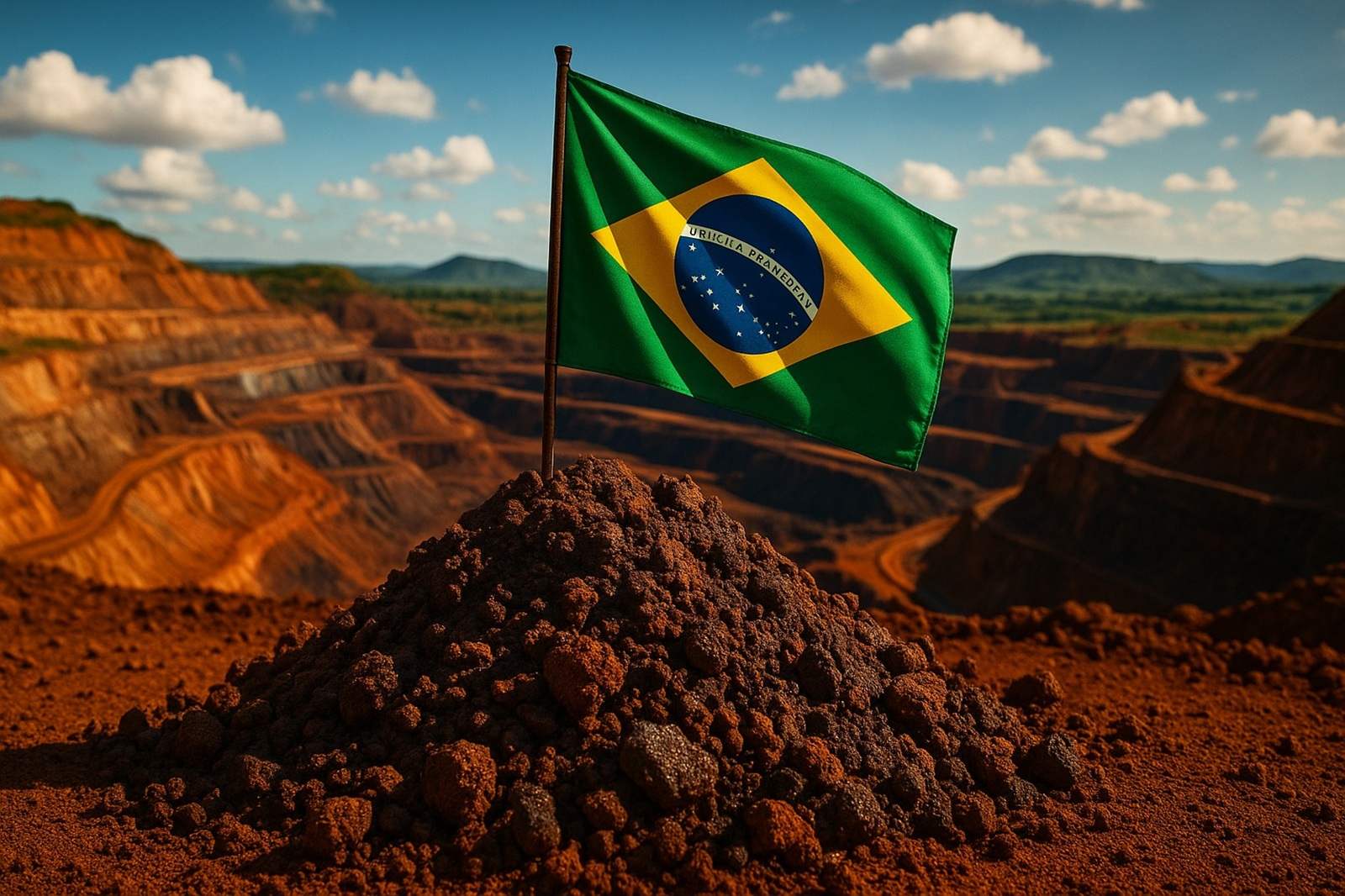
Brazil Stands Out as One of the Largest Mineral Powers on the Planet, Concentrating More Rare Earth Reserves Than India, Australia, Russia, and Vietnam Combined, According to Updated USGS Data from 2024
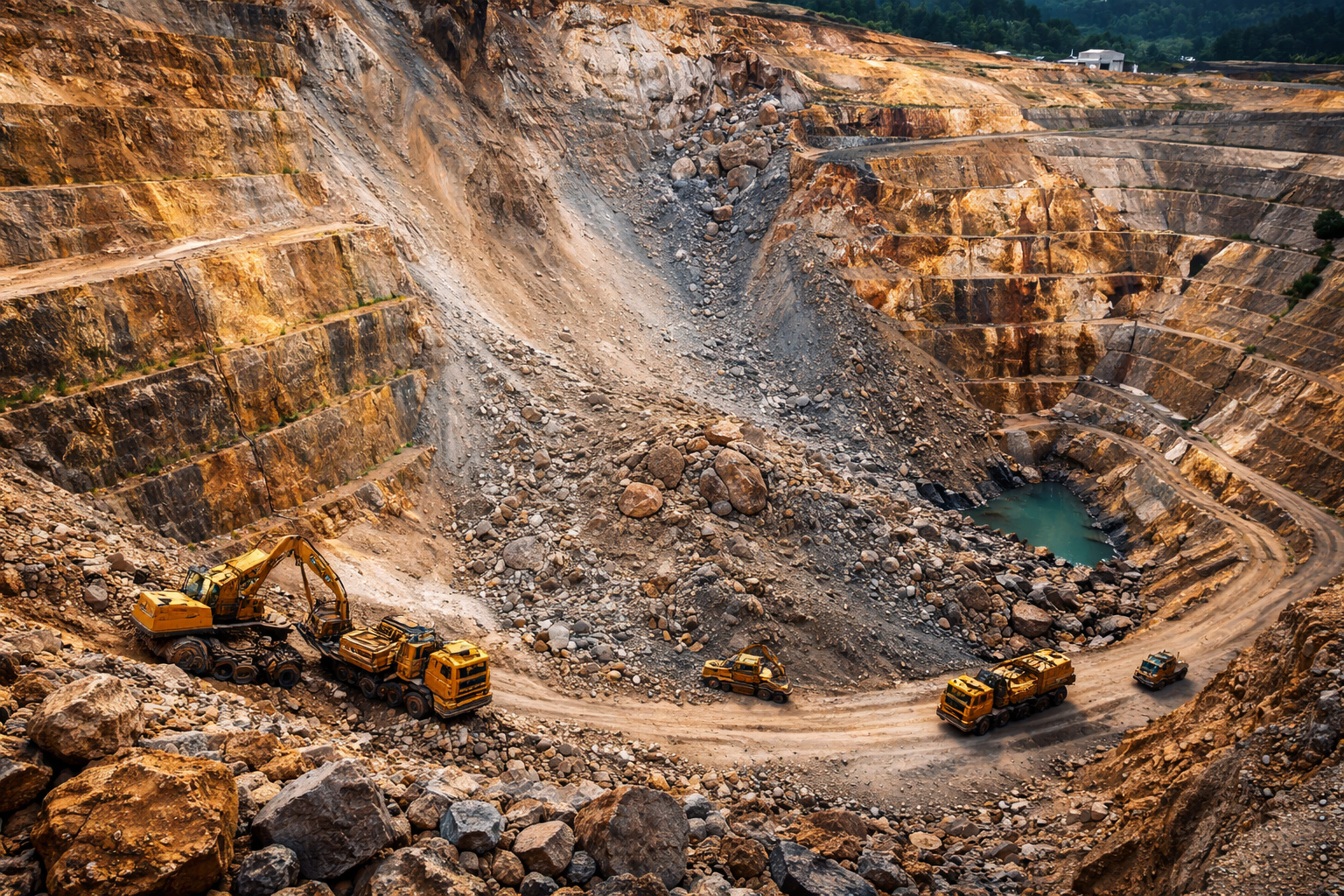
Brazil is on the verge of a strategic leap. With estimated reserves of about 21 million tons of rare earth oxides, according to the USGS report from 2024.
This volume places the country among the most significant on the planet – behind only China – and opens a historic window of opportunity to add value, diversify global input chains, and break away from the traditional pattern of raw material exporter.
The scenario, however, is far from simple: despite the reserves, Brazilian effective production is still nearly symbolic.
-
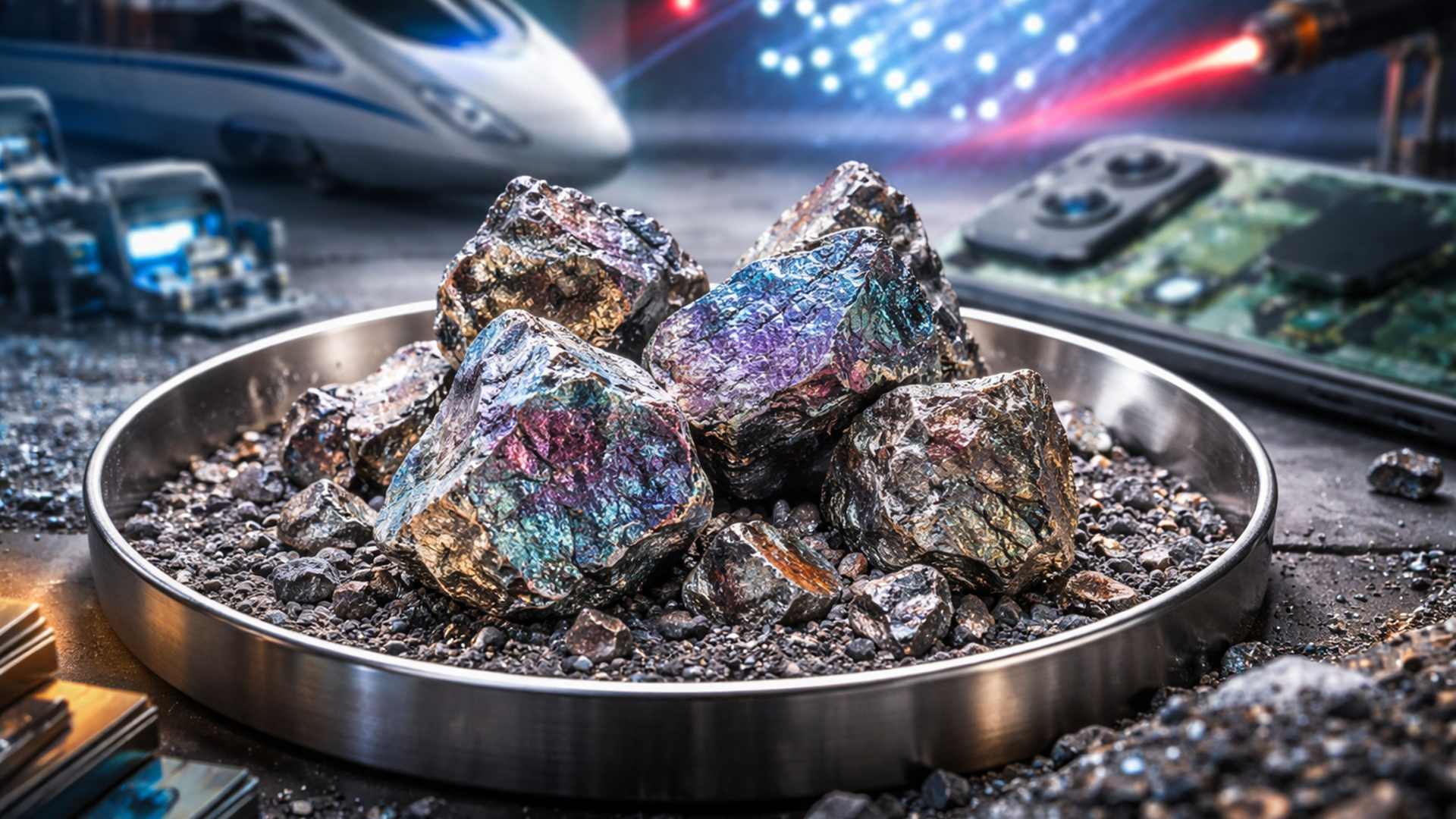
Rare earths are in everything, from cell phones to bullet trains, and what almost no one realizes is why they have become the target of such a delicate global war.
-
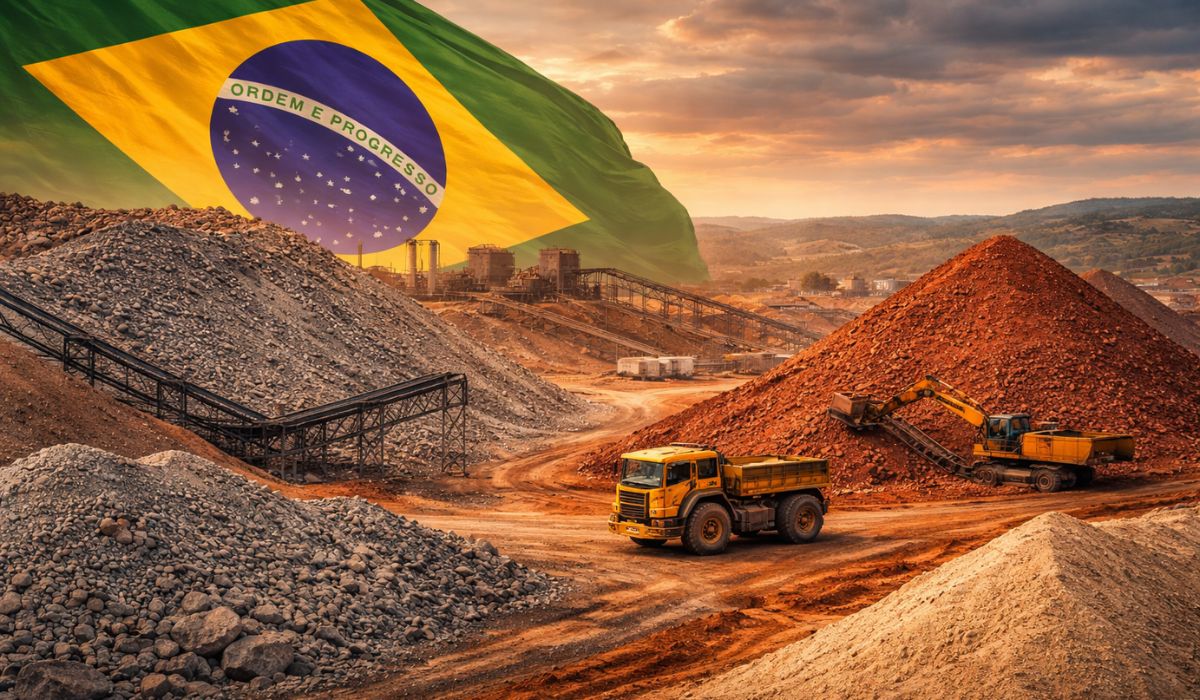
Brazil extracts 26.3 million tons of ore from what was previously treated as waste, transforming residues into wealth, producing over 3 million tons of sand, and demonstrating how national mining is relearning to generate value.
-
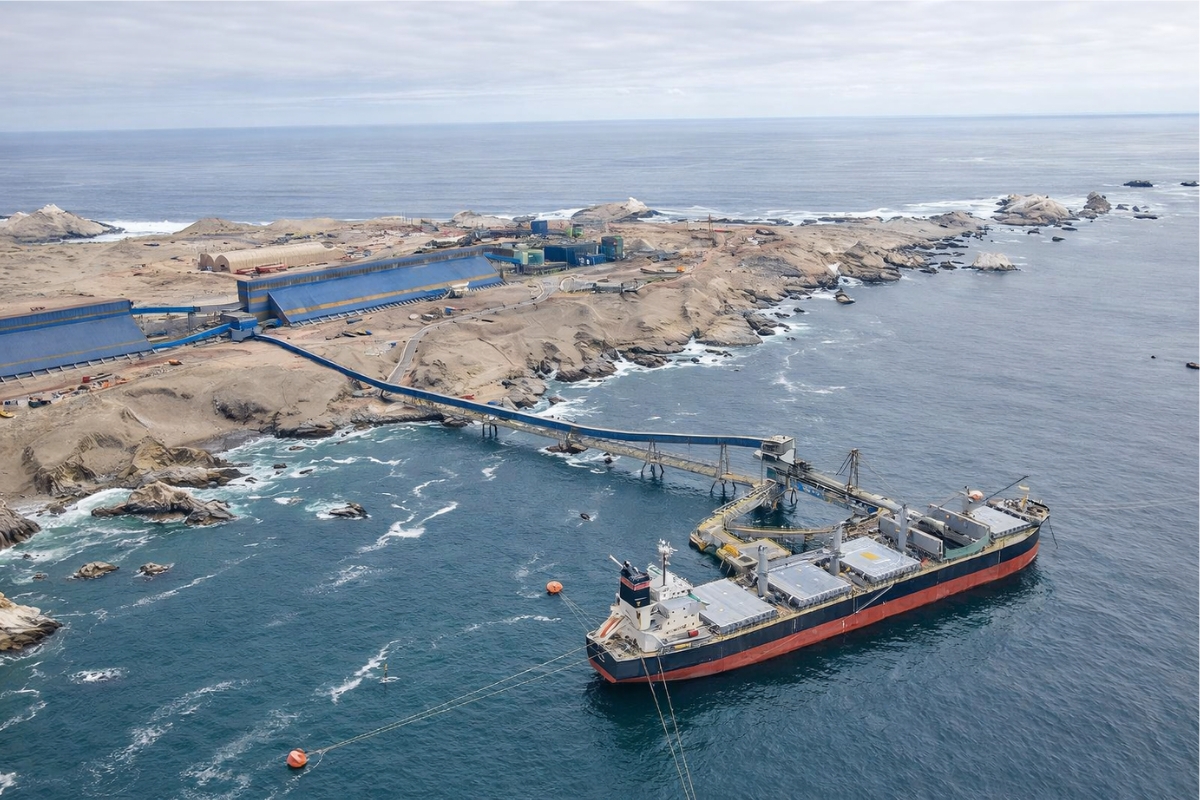
A $3.5 billion megaproject in Latin America pumps desalinated seawater at 1,050 liters per second over 194 km to keep a copper supermine in the Andes operational for another 20 years.
-
A hidden mine in the Andes valued at nearly R$ 1 trillion is starting to attract global attention, containing copper, gold, and silver, and raises an intriguing question: why do Argentina and Chile need to act together to exploit this gigantic wealth?

The decisions that Brazil makes in the coming years could determine whether it will be a participant or a protagonist in this market of utmost importance for energy transition, electric mobility, defense, and technology.
The data becomes even more striking when compared to the sum of the reserves of India (6.9 million), Australia (5.7 million), Russia (3.8 million), and Vietnam (3.5 million). Together, these four countries total 19.9 million tons, which means still less than what Brazil holds alone.
Reserves, Production, and the “Brazil Gap”
However, Brazilian production in 2024 was only about 20 tons – a truly symbolic volume compared to the potential. In other words: it reveals a huge “gap” between what Brazil has in reserves and what is actually being explored and marketed.
This number represents less than 1% of global production, which was 390,000 tons.
This mismatch results from multiple factors: technology, investment, environmental licensing, construction of processing chains, and also regulatory issues.
For example, the raw material may be there, but if there is no local processing, refining, or magnetization – activities that add value – the country will continue to export only “raw ore” or depend on others to finish the product.
Brazil on the Geopolitical Map of Rare Earths
Rare earths are today a strategic input: used in permanent magnets for electric vehicles, wind turbines, defense systems, high-performance electronics.
China dominates a large part of the chain – both extraction and refining and magnetization. Therefore, countries like Brazil are seen as “alternatives” or critical “diversifiers.”
In June 2024, Reuters reported that Brazil is “joining the race to weaken China’s control” over rare earths, highlighting that the country could have two or three mines operational by 2030, potentially surpassing Australia in annual production in future projections.
Another relevant data point: Brazilian rare earth exports to China grew about 48.6% in the first half of 2025 compared to the same period in 2024.
These movements demonstrate that there is already international dynamics and interest surrounding Brazil – although everything is still in the early stages.
Opportunities for Brazil – A Multi-Faceted Agenda
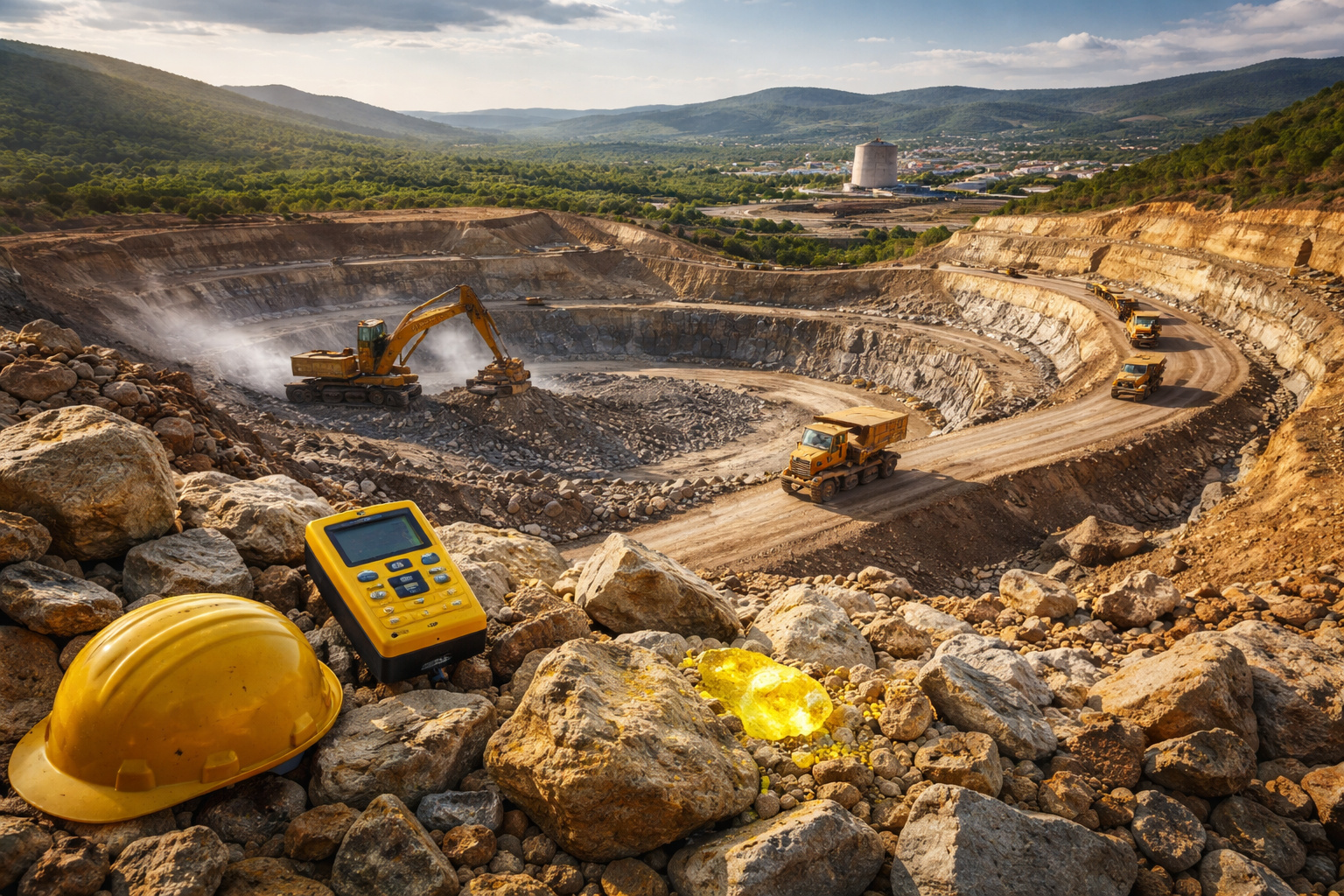
Exploration and mining: With such significant reserves, Brazil has the opportunity to explore deposits in regions like Goiás, Minas Gerais, and Bahia, including in ionic clay formations that have similar geology to large deposits in Asia.
Local processing and added value: Instead of simply exporting raw ore, Brazil could build refineries, install magnets, separate and produce finished materials – thus capturing more value within the chain.
This requires industrial policies, technology, and international partnerships. Much of the global advantage lies in who “transforms” and not just in who mines.
Strategic insertion into the global energy transition market: With electric mobility, renewable energy, 5G/6G connectivity, and military applications, the demand for rare earths is projected to continue to grow strongly.
Brazil, having comparative advantages (abundant hydropower, geological labor, hemispheric location), can build a relevant role – as long as it moves forward.
Public policies, foreign partnerships, and financing: Recent sources indicate that the Brazilian government is structuring incentive policies for strategic minerals, including financial guarantees and tax incentives.
There are also significant flows of international investment looking at Brazil – which can facilitate the construction of mining and processing infrastructure.
Risks and “Why So Little So Far”
Mining and especially processing rare earths is not simply extracting rock. There is often a need for chemical separation, refining, waste treatment (which can be radioactive or environmentally sensitive), and a complex environmental-social landscape.
Brazil has already seen problems with other minerals. Therefore, there are challenges to avoid the cycle becoming just another “low-value mining” with negative impacts.
Rare earth mining requires large investments and long return horizons. In times of low prices or regulatory uncertainty, capital can retreat. Some Brazilian projects are still struggling for viability.
D. Dependence on China for Refining
Even if Brazil extracts more mines, without the local refining and magnet chain it will continue to depend on China or third parties for part of the added value. Many analysts remind us that “extraction is easy, refining is hard.”
As a strategic mineral, rare earths are in dispute among major powers. Brazil will need to navigate between foreign investors, sovereignty policies, the environment, local communities – without repeating the “boom and bust” mistakes of other mineral resources.
Brazil is at a strategic crossroads: with reserves that could make it a global protagonist in rare earths, but with still residual production and a disjointed value chain.
If it can overcome the bottlenecks – investment, local processing, industrial policies, sustainability – the country will not only be mining more, but will be entering a new level of added value, geopolitical influence, and industrial capability.
Otherwise, there is a risk of remaining a low-value raw material supplier and losing, forever, the opportunity to capture the technological transformation that is underway.
The clock is ticking.








-

2 pessoas reagiram a isso.