





 Portuguese
  English
  Spanish
  2 min of reading


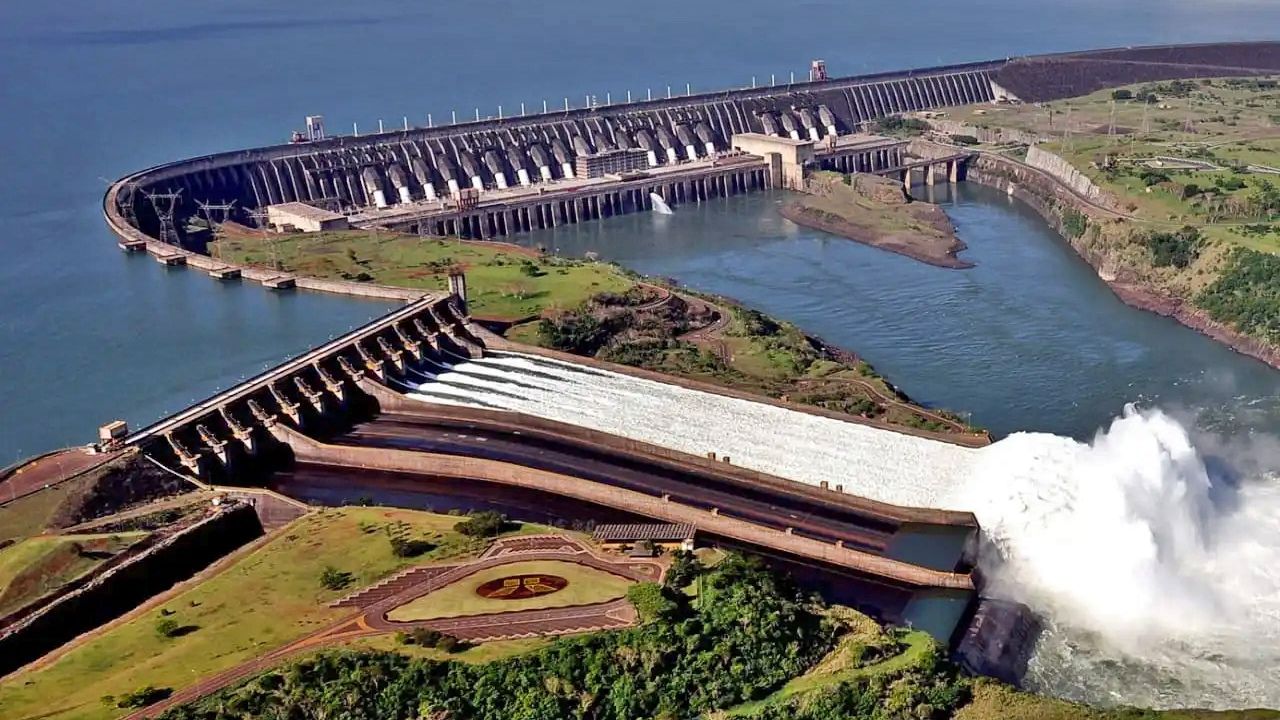
Brazil Is Moving Toward Historic Levels in Hydroelectric Reservoirs During the Post-Dry Period Expected for October This Year.
According to the Electric Sector Monitoring Committee (CMSE), in a meeting held last Wednesday, the abundant rains that fell across much of the country, combined with a favorable climatic outlook, will contribute to the country finishing the post-dry period with the highest water reserve ever recorded for the month of October.
The Ministry of Mines and Energy announced, in a statement, that the expectation is for reservoir levels to be between 70.4% and 81.6% by the end of October, thanks to the significant rainfall periods that occurred in recent months.
The Expectation Is for Reservoirs to Remain Full, Which Is Positive for Hydroelectric Energy Generation, the Country’s Main Source of Energy.
According to the National Electric System Operator (ONS), in April of this year, storage percentages of 86.2%, 84.0%, 90.9%, and 98.4% were recorded in the Southeast/Central-West, South, Northeast, and North subsystems, respectively. The National Interconnected System (SIN) recorded an average storage of 87.5% at the end of April, the highest average in the last 12 years.
-
R$ 7 billion forgotten in the FGTS may finally be released after failures in the 2025 measures, while millions of workers find out they may have unclaimed money.
-
Brazil’s oil exports soar with record purchases from China, potentially generating a new cycle of economic growth, increasing external revenues, and consolidating the country as a global strategic supplier.

-
São Paulo has connected its two airports by rail for the first time in history, and now you can travel by train from Congonhas to Guarulhos for just R$ 5.40. However, the journey requires four transfers, takes about two hours, and only operates during a narrow time window that almost no one can use.

-
The savings of Brazilians are depleting: savings accounts recorded the third consecutive month of withdrawals, with over R$ 41 billion taken out in the first quarter of 2026, the largest outflow in an entire year.

The CMSE’s climatic forecast is favorable due to the likelihood of the El Niño phenomenon occurring in the second half of 2023, which brings predictions of higher precipitation in the southern part of the country and increased temperatures in the Southeast and Central-West regions, along with other climatic changes that favor hydroelectric energy generation.
A diverse energy supply is extremely important for Brazil. Recently, the ONS recorded a historic peak in solar photovoltaic generation of 6,430 MWmed, which accounted for 10.1% of the load between 10 a.m. and 11 a.m. on April 15. The installed capacity of Micro and Minigeneration Distributed (MMGD) reached 20.7 GW, which also contributes to the supply of renewable energy in the country.
Brazil Is Also Exporting Excess Energy to Neighboring Countries
In April of this year, 444 MW average of hydroelectric energy and 803 MW average of thermal energy were exported to Argentina, and 153 MW average of hydroelectric energy and 191 MW average of thermal energy to Uruguay.
The expectation of having reservoirs at historic levels is extremely beneficial for the energy supply in the country. A diverse energy supply, which combines renewable sources such as hydroelectric and solar, along with the export of excess energy to neighboring countries, helps strengthen the stability and energy security of the country. It is expected that this positive trend will continue in the future, providing lasting advantages for Brazil.








Seja o primeiro a reagir!