





 Portuguese
  English
  Spanish
  3 min of reading
  0 comments


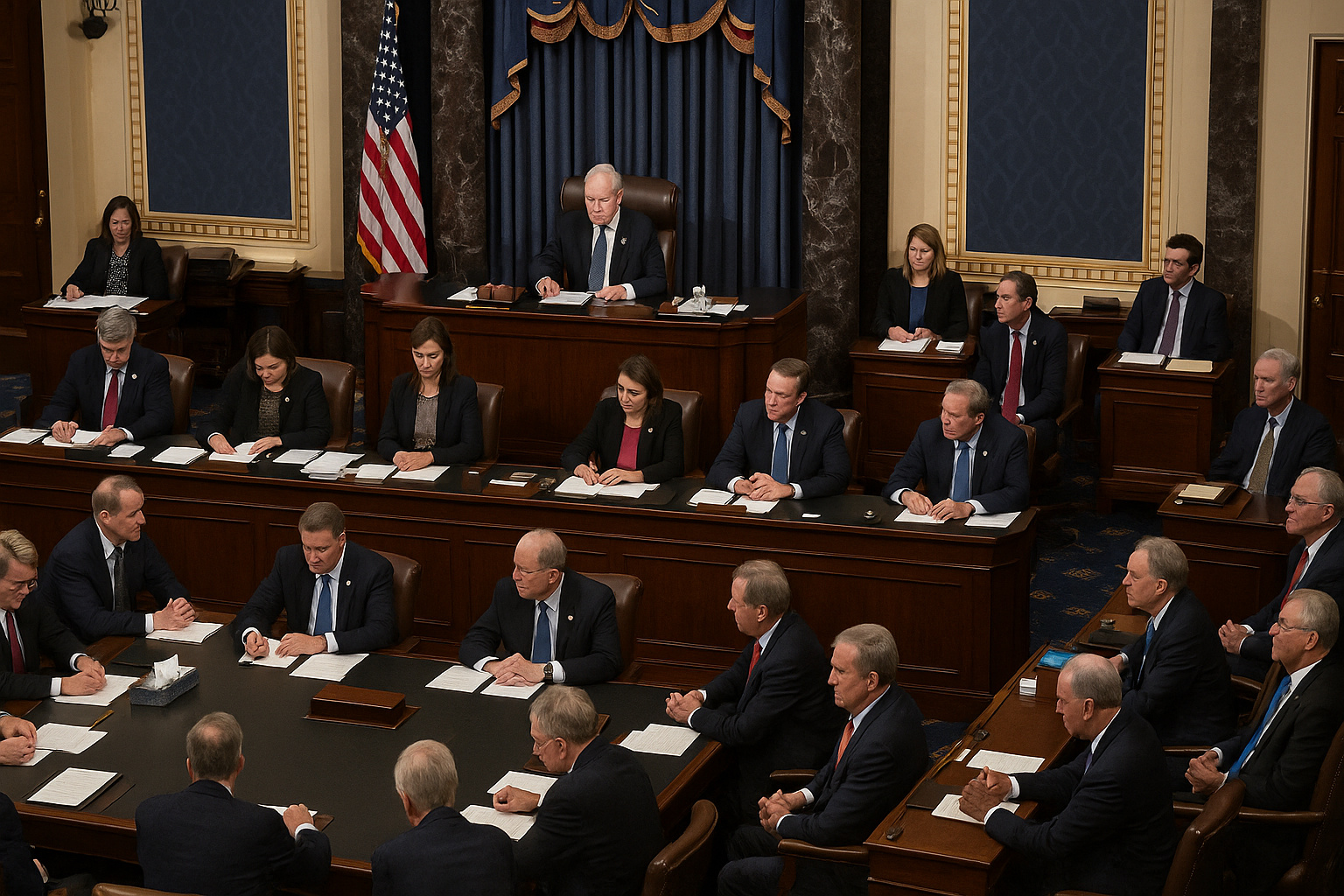
Resolution Approved In Washington Exposes Division Between Republicans And Reignites Hope For An Agreement With The Brazilian Government
The United States Senate approved on the night of October 28, 2025 a resolution that revokes the tariffs imposed by Donald Trump on Brazil, affecting products such as oil, coffee, and orange juice.
The vote ended with 52 votes in favor and 48 against, revealing a deep internal division among Republicans. Even with the result, the text still faces obstacles in the House of Representatives, under conservative control.
Senate Challenges Trump And Puts Tariffs In Question
The proposal was presented by Democratic Senator Tim Kaine from Virginia and overturns the national emergency status used by Trump since August to impose tariffs of up to 50% on Brazilian products.
The move has a symbolic nature, but exposes growing dissatisfaction within Congress.
The Republican leadership in the House intends to block the text, and Trump has already indicated that he may veto it.
During the vote, five Republican senators — Susan Collins (Maine), Mitch McConnell (Kentucky), Lisa Murkowski (Alaska), Rand Paul (Kentucky), and Thom Tillis (North Carolina) — broke with the Trump base and supported the repeal of the tariffs.
Economy In Focus And Internal Divisions In Congress
For Tim Kaine, the vote highlights the negative effects of the tariffs on the American economy. He stated that the measures increase inflation and reduce growth.
The Congressional Budget Office (CBO) confirmed in September 2025 that the tariffs raised production costs and reduced consumption in the United States.
Nonetheless, Trump maintains his protectionist rhetoric, claiming that the taxes strengthen the national industry.
The outcome in the Senate reveals the weakening of Republican unity and reignites the debate about American economic policy.
-
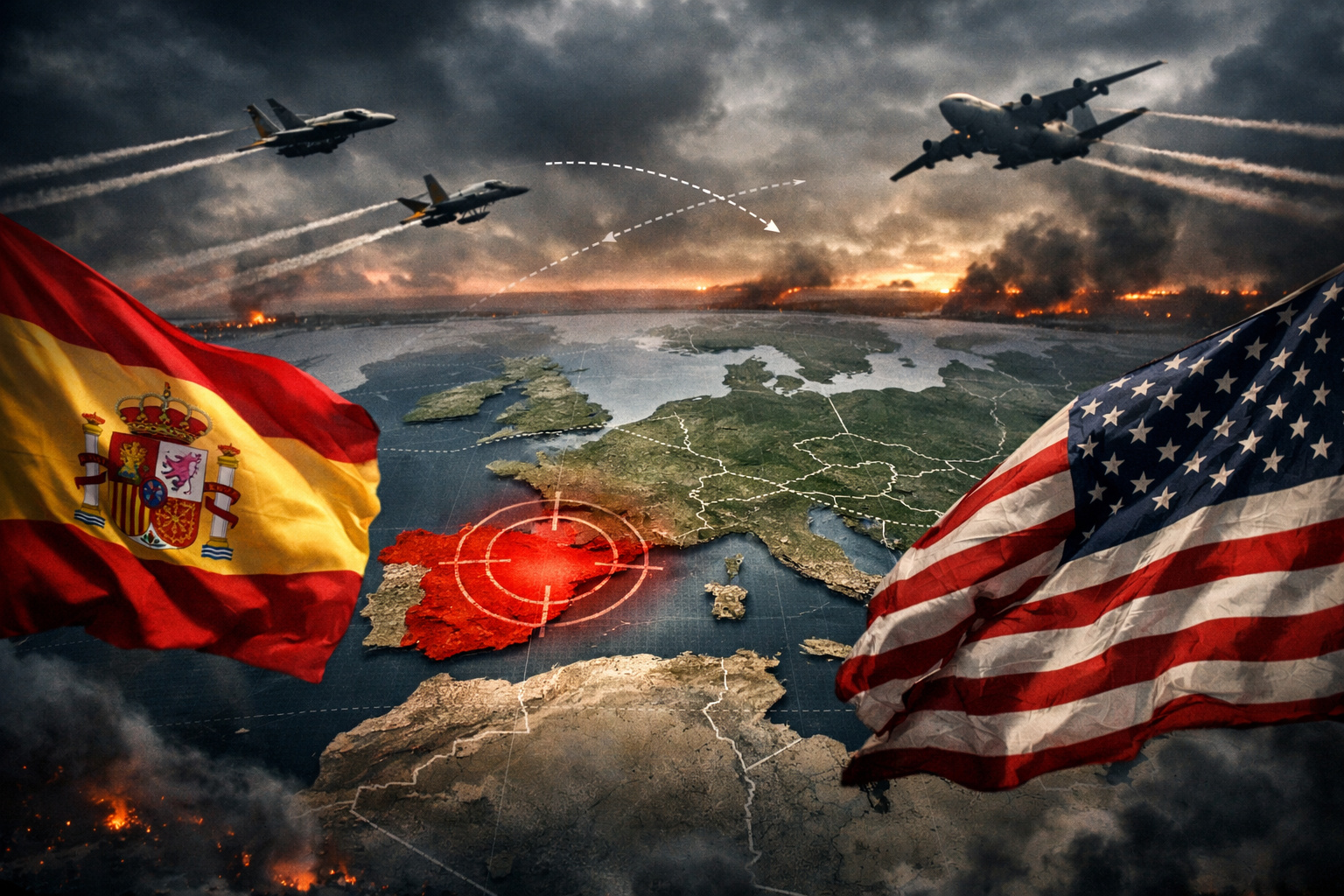
Spain challenges the USA and closes its airspace for operations against Iran, raising global tension and provoking the threat of a trade rupture.
-
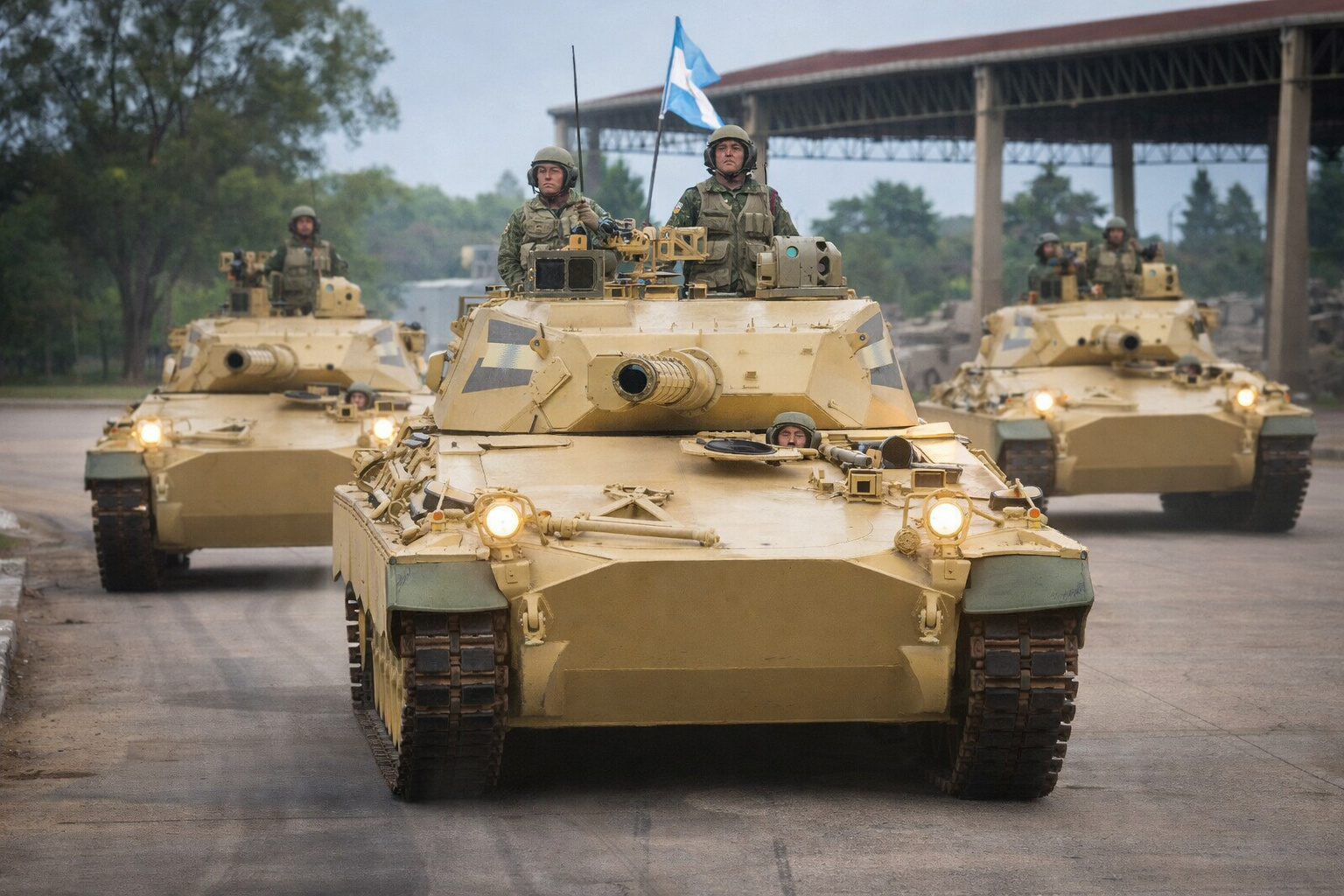
While no other country manufactures tanks in Latin America, Argentina activates the TAM 2C-A2 and raises a curiosity about the technological lag in the region.
-
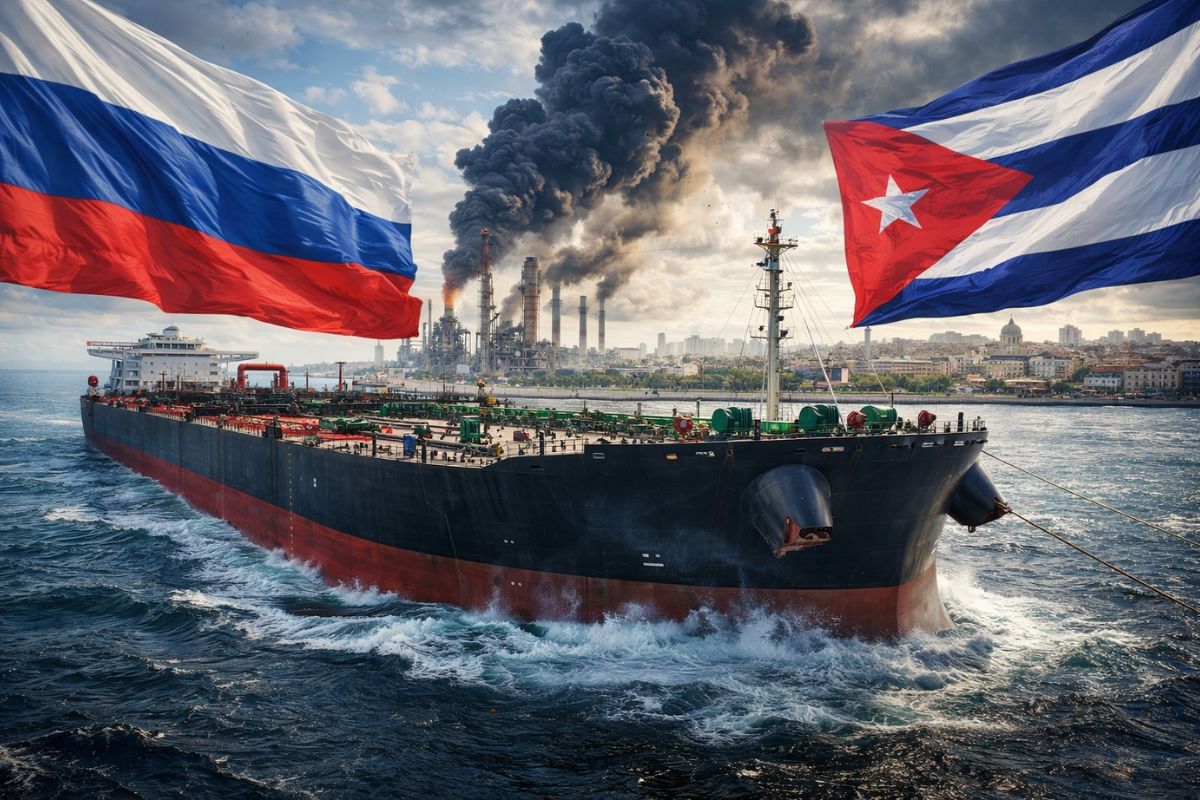
A Russian ship with 730,000 barrels of oil has just arrived in Cuba while Mexico negotiates fuel sales through private companies: the communist island is desperately seeking alternatives after losing its supply from Venezuela due to American military action.
-
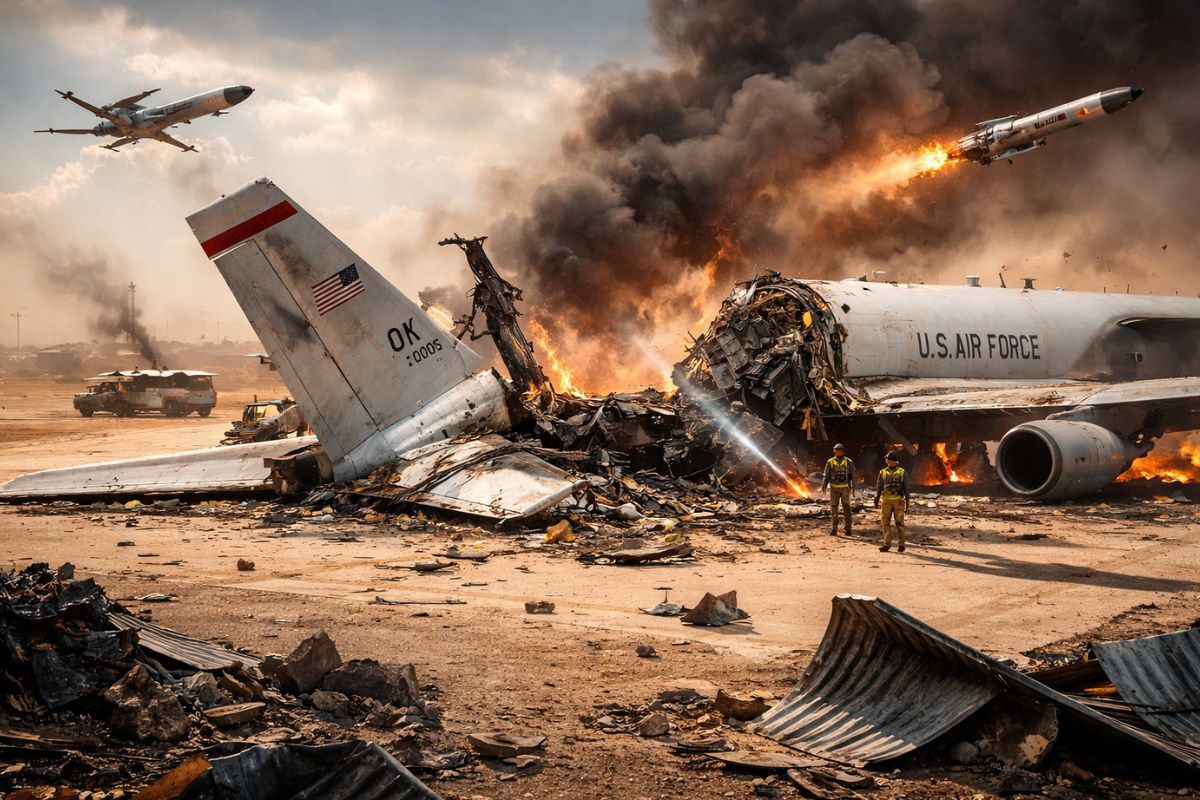
Iranian drones and missiles destroyed a 270 million dollar American spy plane in Saudi Arabia, splitting the E-3 Sentry aircraft in half and injuring 12 military personnel in an attack that exposes the vulnerability of U.S. bases in the Persian Gulf.

Lula And Trump Resume Trade Dialogue
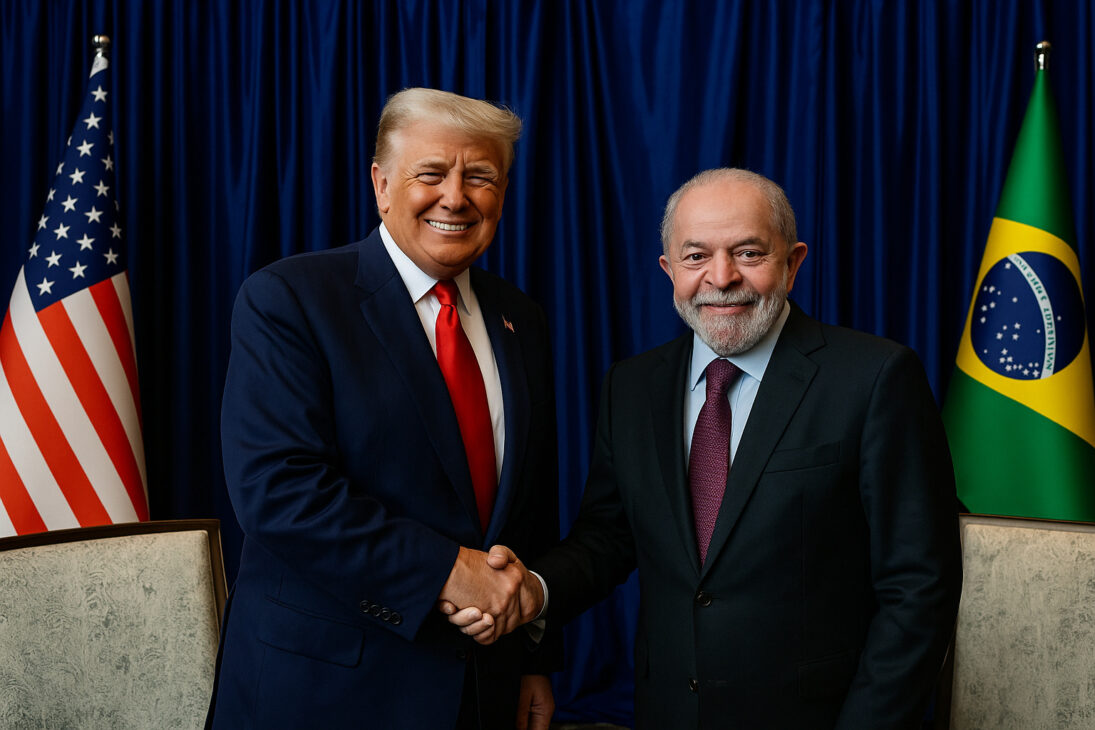
The vote coincided with the resumption of negotiations between Brazil and the United States, following the meeting between Luiz Inácio Lula da Silva and Donald Trump on October 26, 2025 in Washington.
During the 45 minutes of conversation, Lula emphasized the importance of economic dialogue. He stated: “We do not want confusion, we want results.”
Trump, on the other hand, was cautious. He declared: “The conversation was very good, but that does not guarantee an immediate agreement.”
The following day, October 27, Mauro Vieira, Márcio Rosa, and Audo Faleiro led the first technical round of meetings, focusing on the sectors most affected by the tariffs.
Brazil Asks For Reciprocity And Trade Balance
During the meeting, the Brazilian government questioned the American justifications.
Lula delivered a report to Trump showing a cumulative surplus of US$ 410 billion for the United States in the trade balance with Brazil over the past 15 years.
He pointed out that, “in the G20, only Brazil, the United Kingdom, and Australia have a surplus with the U.S.”.
The conversation was cordial and objective, and both leaders expressed interest in official visits, still without a scheduled date.
Production Sectors Bet On Agreement And Stability
The National Confederation of Industry (CNI) and Amcham Brazil considered the dialogue a concrete step forward and expect a tariff agreement soon.
The Vice President and Minister Geraldo Alckmin stated that there are no forbidden topics in the negotiations, mentioning ethanol, sugar, and strategic minerals.
Still, analysts say that, even with the Senate’s gesture, the resolution is likely to remain stalled in the House.
Meanwhile, Brazil continues its strategy to expand trade with Washington, seeking balance between diplomacy and economic results.
Given this scenario, will the symbolic move by the American Senate pave the way for a new cycle of cooperation between Brazil and the United States?






Seja o primeiro a reagir!