





 Portuguese
  English
  Spanish
  6 min of reading
  0 comments


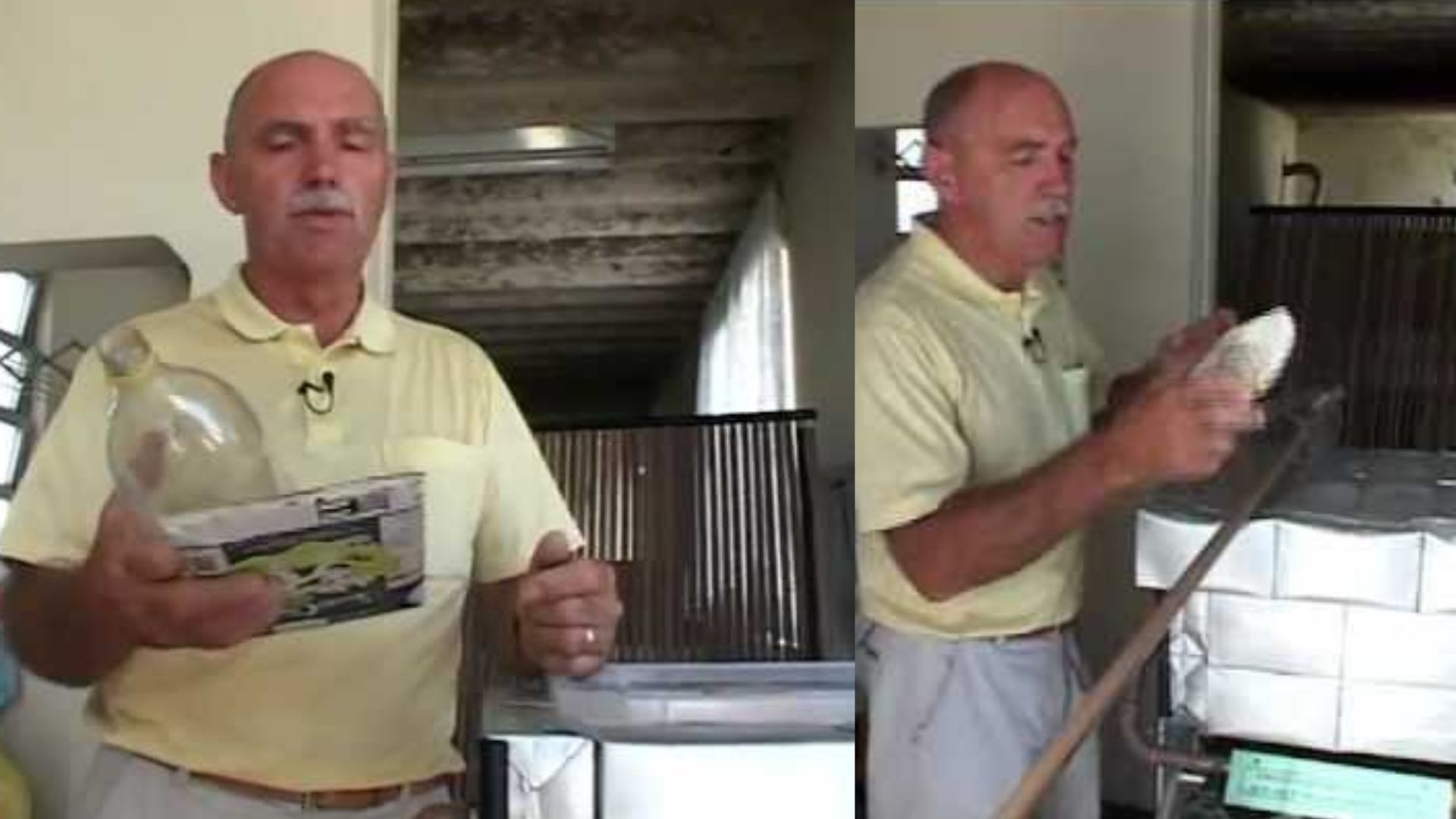
Popular Technology Reuses Common Waste To Heat Bath Water, Integrates Socio-Environmental Program Of Energy Distributor And Highlights The Impact Of Electric Showers On Residential Consumption And Peak Hours Of The Brazilian Electric System.
Hot showers may seem like just a daily habit.
Still, it connects to two themes that do not always appear together: the fate of household waste and the pressure on the electrical grid precisely at the end of the day, when residential consumption tends to increase.
In Brazil, where electric showers are widely used to heat water, this relationship opens space for technologies that seek to reduce the use of electric resistance at bath time.
-
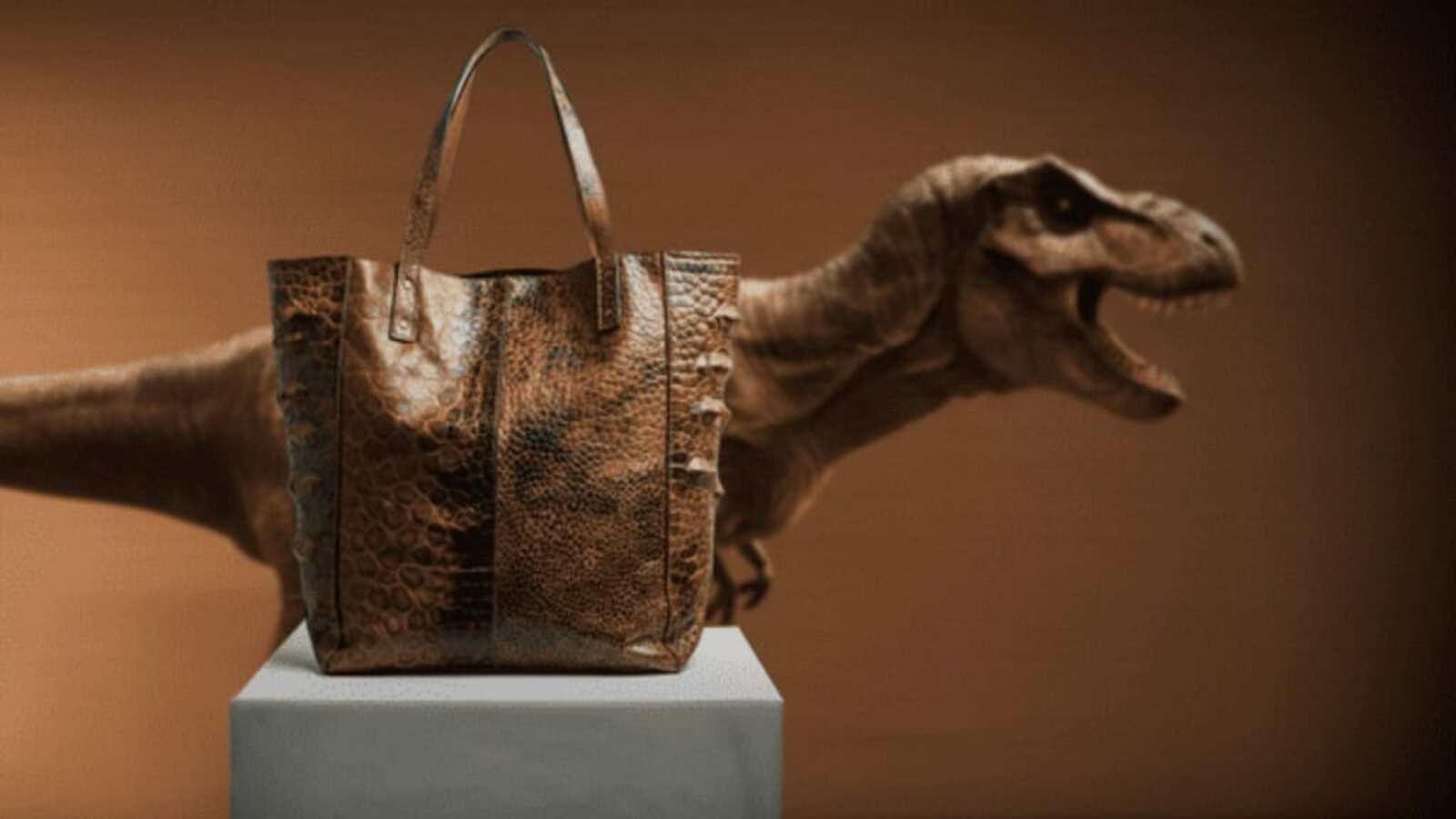
Bag “made of T. rex” becomes a sensation in the news after being valued at millions and raising questions about the true origin of the material.
-
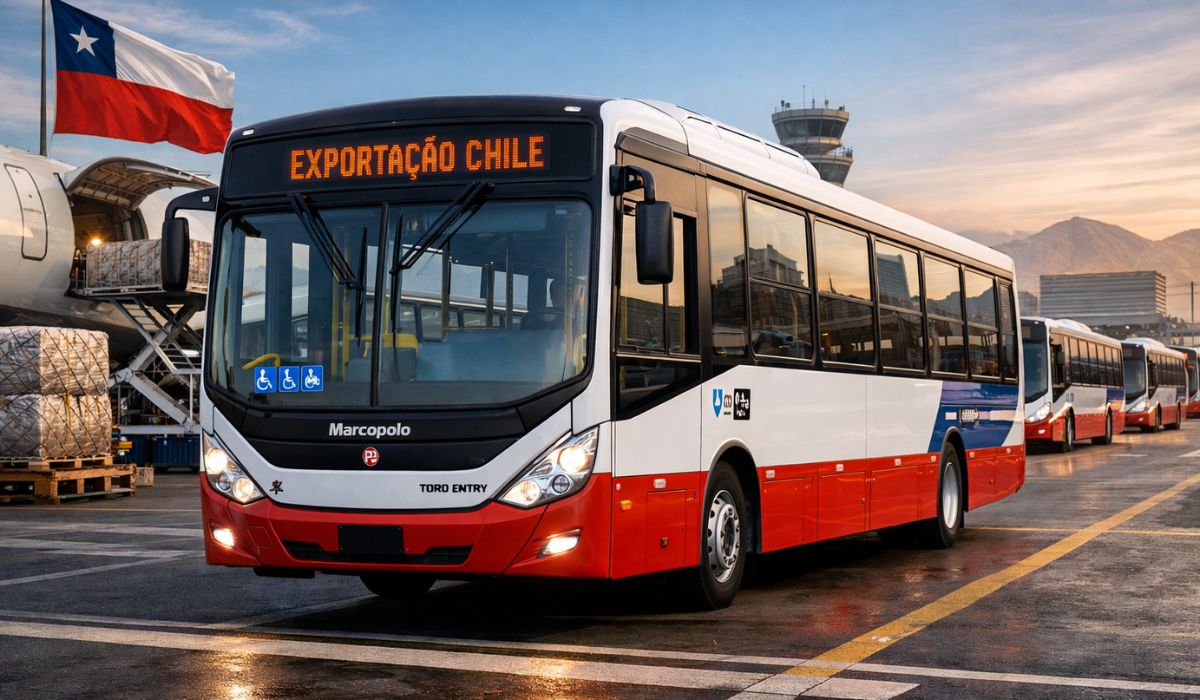
With 1,000 buses sent abroad, the Brazilian manufacturer consolidates the strength of national technology and takes on a leading role in public transportation across all of Latin America.
-
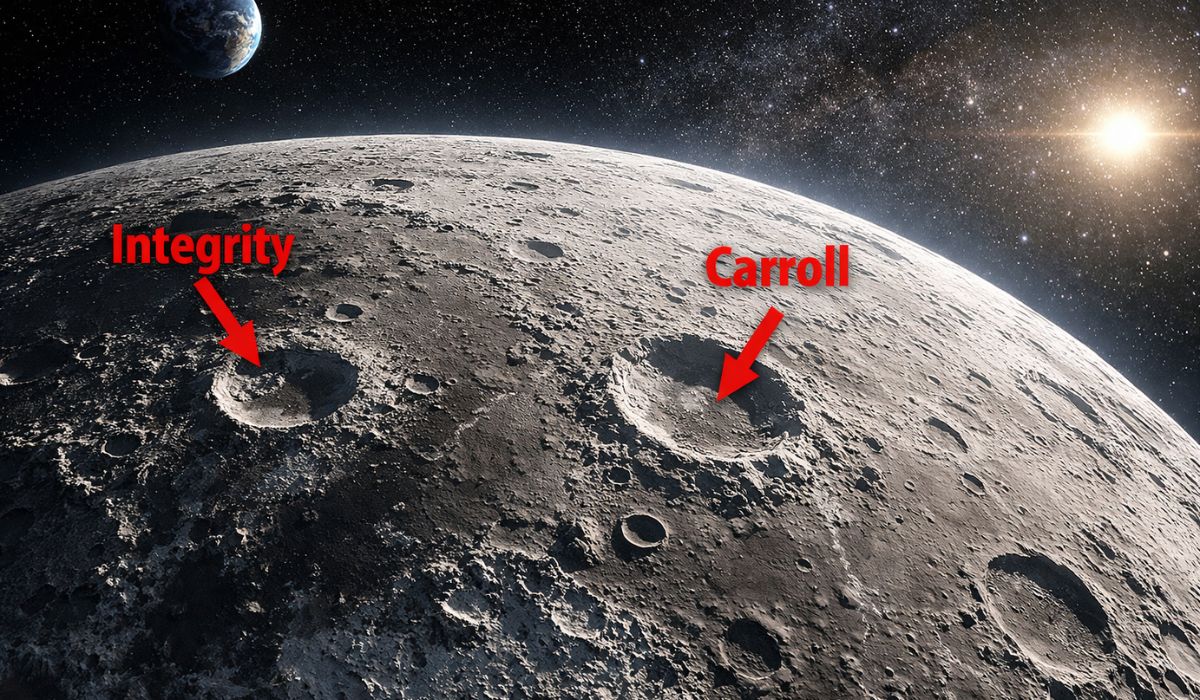
While surpassing the mark of Apollo 13 and reaching farther from Earth than any other human mission, Artemis II named two craters on the Moon and immortalized in one of them the memory of the commander’s deceased wife.
-
The “Green Polo” of the Earth has been advancing to the northeast for decades and has been accelerating since 2010, changing the vegetation map and raising alarms about climate and agricultural production.

In this context, the technology created by José Alcino Alano, from Tubarão, Santa Catarina, gained visibility and was subsequently incorporated into a socio-environmental initiative by Celesc.
The solar heater developed by him reuses materials that are typically discarded, such as PET bottles and long-life packaging, to harness solar radiation and heat part of the water used for bathing.
With this, the system reduces the need to activate the electric shower for the entire thermal demand.
Celesc structured the dissemination of the system in the “Energy of the Future” project.
The distributor also published a technical manual with guidelines on materials, operation, and installation care.
According to the company itself, the proposal also involves the manufacturing of collectors associated with waste reuse and income generation in communities served.
How The Solar Heater Made From PET Bottles And Tetra Pak Works

The principle of the equipment is similar to that of conventional solar collectors.
The idea is to raise the temperature of the water before it reaches the point of use, reducing the electrical energy needed at bath time.
The difference lies in the materials used and the proposed assembly method.
Instead of a metallic set with an absorber plate and glass cover, the project uses post-consumption packaging as part of the collector’s structure.
In the manual released by Celesc, the system is presented as a lower-cost alternative compared to conventional solar collectors.
The document describes the use of PVC pipes and fittings in the thermal absorption columns.
The technical text itself notes that this choice is less efficient than metals like copper or aluminum.
Still, the option was adopted to reduce costs and facilitate production.
At the same time, the manual indicates that PET bottles and Tetra Pak boxes replace components found in traditional collectors, such as the metal box, absorption panel, and glass.
This way, discarded packaging becomes part of the equipment’s structure.
The system’s performance, according to the document, depends on factors such as collector sizing, solar incidence, weather conditions, bathing habits, and installation quality.
For this reason, the variation in results between households tends to occur according to these differences and the power of the shower used.
Energy Of The Future And The Action Of Celesc
Celesc describes the “Energy of the Future” as a project that enables the construction of solar collectors using recyclable products.
Among the materials mentioned are PET bottles and Tetra Pak boxes.
The company associates the initiative with households of lower-income families.
In institutional materials, the possibility of job and income generation linked to the manufacturing of collectors is also highlighted.
In its annual report for 2006, Celesc states that the program began when the company started to support José Alcino Alano.
The document points out that this support began in 2005.
In the same publication, the proposal is linked to social responsibility actions and goals for reducing consumption and demand during peak hours.
In its 2008 annual report, the company states that Celesc Distribution initiated “Energy of the Future” in 2006, through a partnership with the inventor.
By the end of 2008, according to the text, heaters had been installed in social institutions.
The document also mentions the reuse of packaging that could be improperly discarded.
Social Impact And Recycling Reported In Official Documents

Sustainability reports detail the socio-environmental design of the program.
In the 2012 report, Celesc states that “Energy of the Future,” developed in partnership with the Cooper Solar cooperative, aimed to distribute solar heaters made with disposable materials to low-income families.
In the same section, the document reports that the initiative contributed to recycling over 500,000 PET bottles and 500,000 Tetra Pak boxes.
According to the report, the cooperative gathered 24 women heads of families.
The reported monthly remuneration for the described period was R$ 800.00.
Regarding the electricity bill, the company presents the data as an experiential report.
In the 2012 report, Celesc records that families who installed the heater reported a reduction of approximately 30% in their electricity bill.
The document does not detail measurement methodology.
Therefore, it does not allow for direct comparisons between households with different routines, shower powers, and weather conditions.
Patent And Formalization Of The Invention
The technology also appears in official publications related to industrial property.
The Industrial Property Journal published the patent application PI 0402869-4, titled “Solar Heating Composed Of Disposable Packaging.”
The summary describes the purpose of removing disposable materials from the environment.
These residues would be converted into components of a solar heater.
The technical text mentions simplicity in crafting and installation.
It also associates the system with energy savings in water heating for domestic use.
This type of record formalizes the technical description of the solution.
It does not establish standardization of performance in different usage scenarios per se.
Electric Shower And Its Weight In Residential Consumption
The relationship between the heater made with recyclables and the electricity bill involves a characteristic of Brazilian residential consumption.
The electric shower impacts not only the total monthly consumption but also the times when demand concentrates.
A report from Jornal da Unicamp, based on a master’s study on load curves, states that simulations indicated a share of around 23% of the load during peak hours in the residential sector.
The text adds that in the South and Southeast regions, the appliance accounted for up to 40% of residential consumption during peak hours, between 6 PM and 7 PM.
In the same report, the cited author states:
“The electricity consumption by showers throughout the year for the entire population corresponds to practically 30% of the energy generated by Itaipu in the same period.”
These results help contextualize why energy efficiency programs often treat bathing as a relevant point.
The topic gains prominence especially in cold periods and at the end of the day, when demand tends to increase.
As the shower operates with high power for a few minutes, simultaneous use in many homes influences the load curve of the system.
What The Technical Manual Highlights About Cost And Performance


The technical manual provided by Celesc offers guidance on materials, installation care, and sizing.
The document frames the equipment as waste reuse, not as an incentive for the consumption of packaging.
At the same time, it specifies choices aimed at reducing costs and facilitating assembly, such as the use of PVC.
The text itself acknowledges that this option involves efficiency limitations compared to metallic materials used in conventional solar collectors.
In practice, the factors presented indicate that the system’s effect varies according to the collector’s size, solar incidence, and water usage patterns.
Thus, the heater appears as an alternative for pre-heating water, capable of reducing some of the electric shower’s use in certain contexts.
The journey of the inventor from Tubarão and the “Energy of the Future” project is often associated with the combination of waste reuse, direct domestic application, and institutional adoption by an energy distributor.
With the electric shower’s significant demand during peak hours, what adaptations would be necessary in your home to test a solar pre-heating system and evaluate, with measurements, the actual impact on the electricity bill?






-

-

-

-

-

14 pessoas reagiram a isso.