





 Portuguese
  English
  Spanish
  5 min of reading
  1 comment


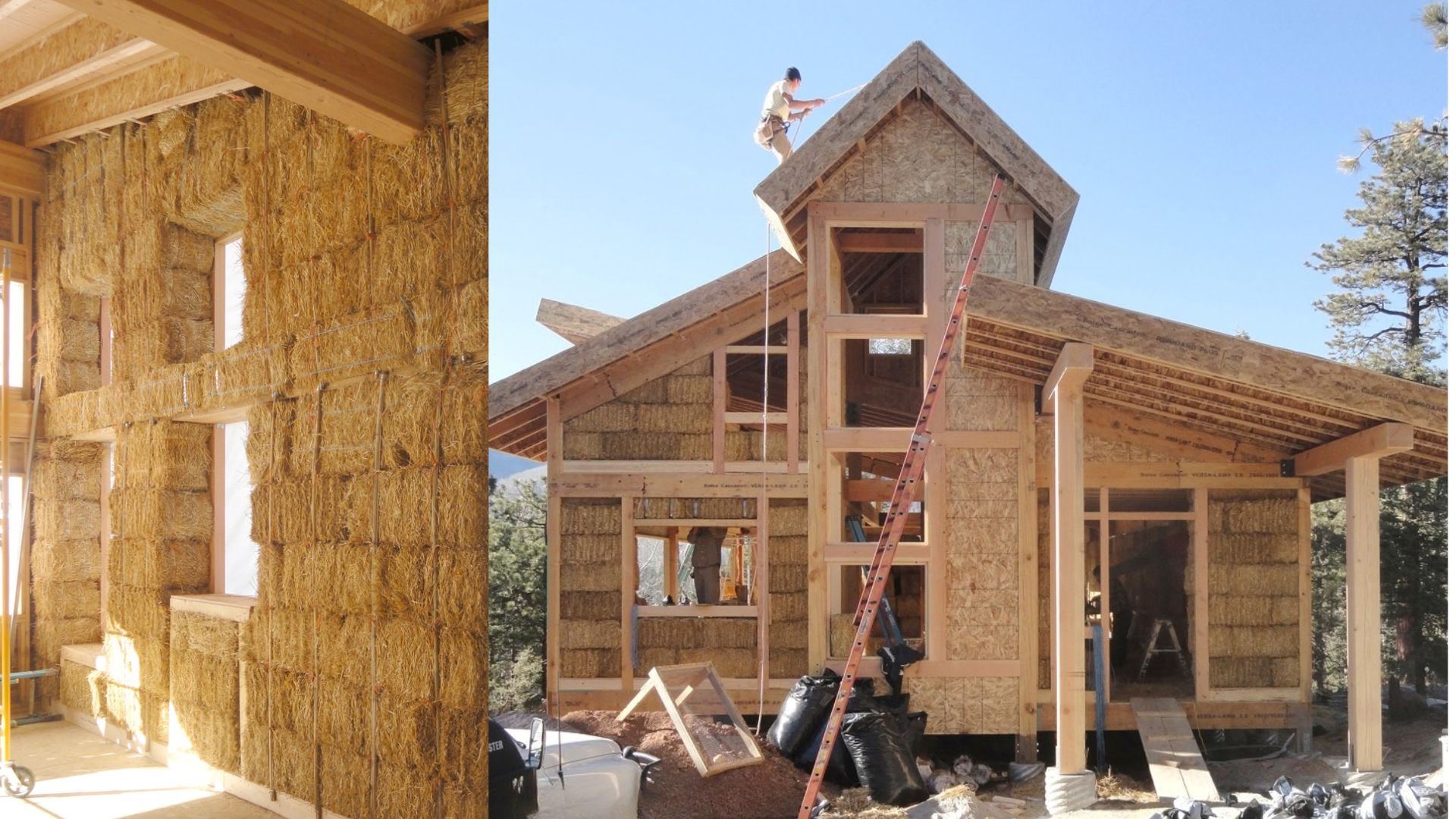


Construction Technique Using Straw Bales Reappears in Debates on Energy Efficiency, Thermal Comfort, and Agricultural Waste Reuse. Thick Walls, Building Codes, and Institutional Projects Show That the System Has Moved Beyond Curiosity to Integrate Technical Discussions About Building Performance.
Houses built with straw bales have begun to attract attention for reasons beyond the initial construction cost.
Instead of being seen merely as an alternative for self-building, they appear in technical and institutional references as a system capable of combining thick walls, thermal insulation gain, noise attenuation, and use of agricultural biomass, within a construction model that has already entered codes and projects executed outside experimental settings.
The interest is growing precisely because the image of straw still often conveys a sense of improvisation.
-
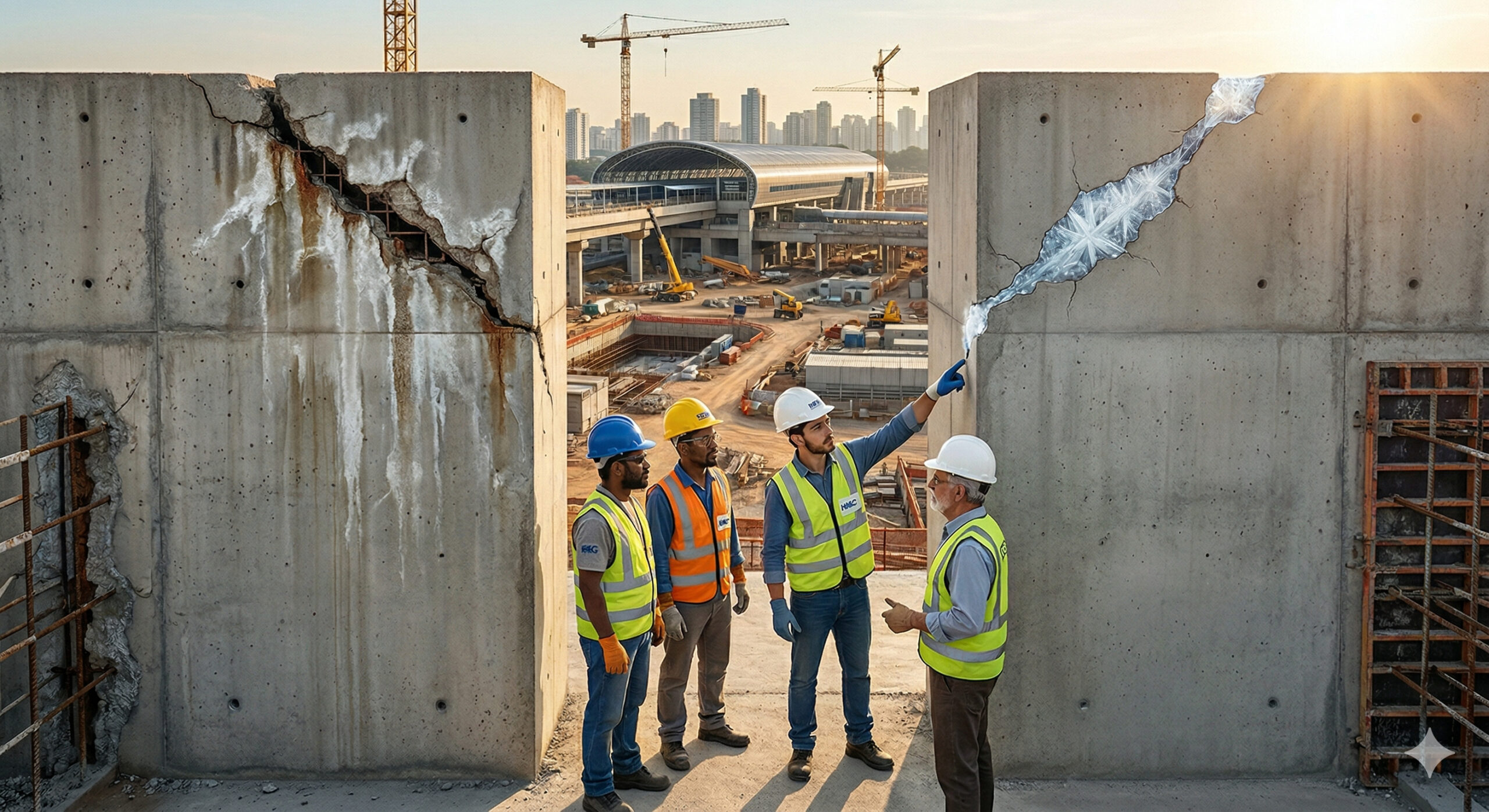
With a lifespan of up to 60 years and a cost up to 30% higher than conventional concrete, self-healing concrete is already being used in Brazil to eliminate leaks, reduce maintenance, and is changing the real cost of construction projects.
-
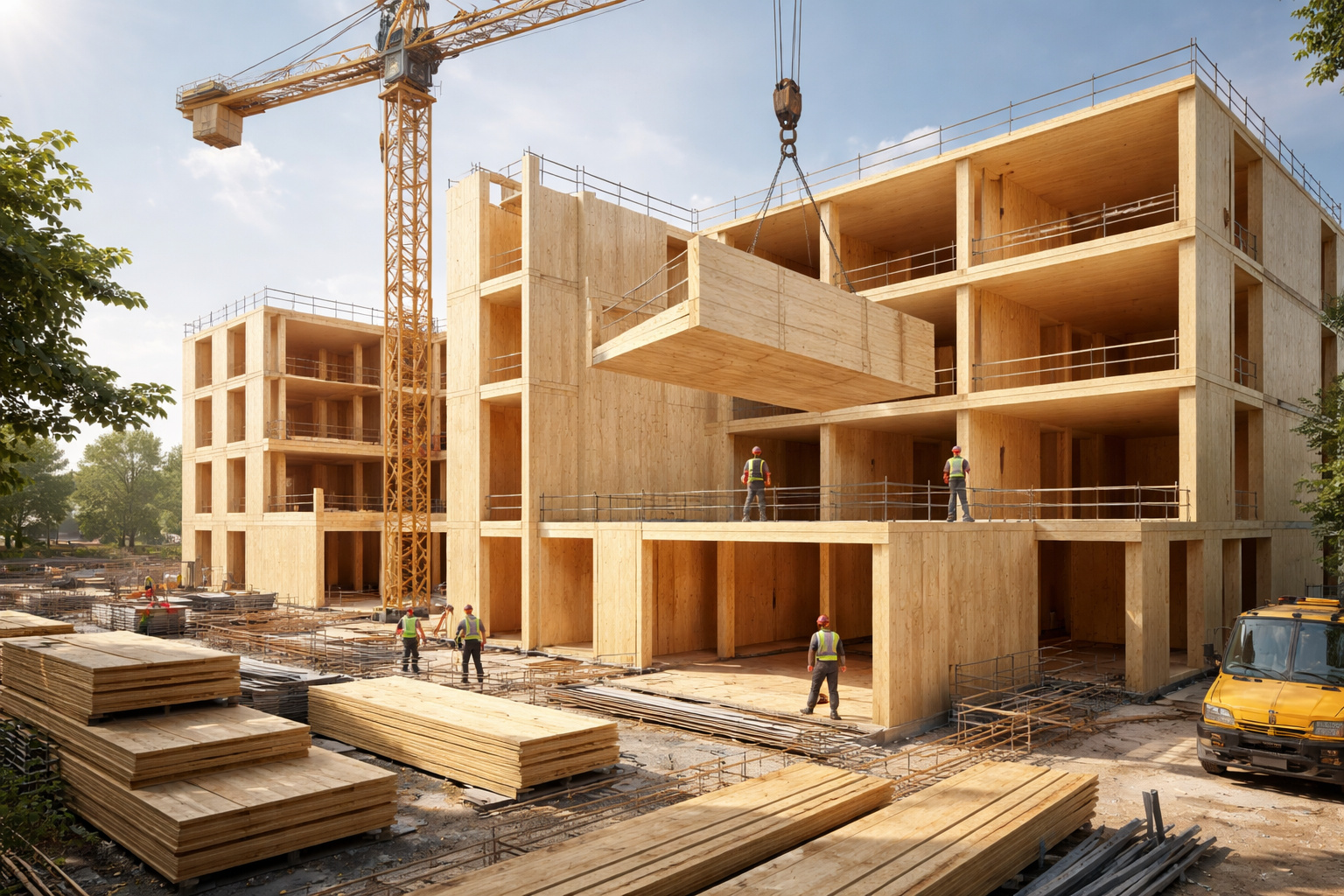
Engineered wood CLT challenges steel and concrete and promises construction that is up to 2x faster with a lower environmental impact in modern civil engineering.
-
Video: Retiree builds 26-meter Roman castle in his backyard with pieces from dozens of countries, ornamental grates from Libya, and a dragon made of recycled metal.

-
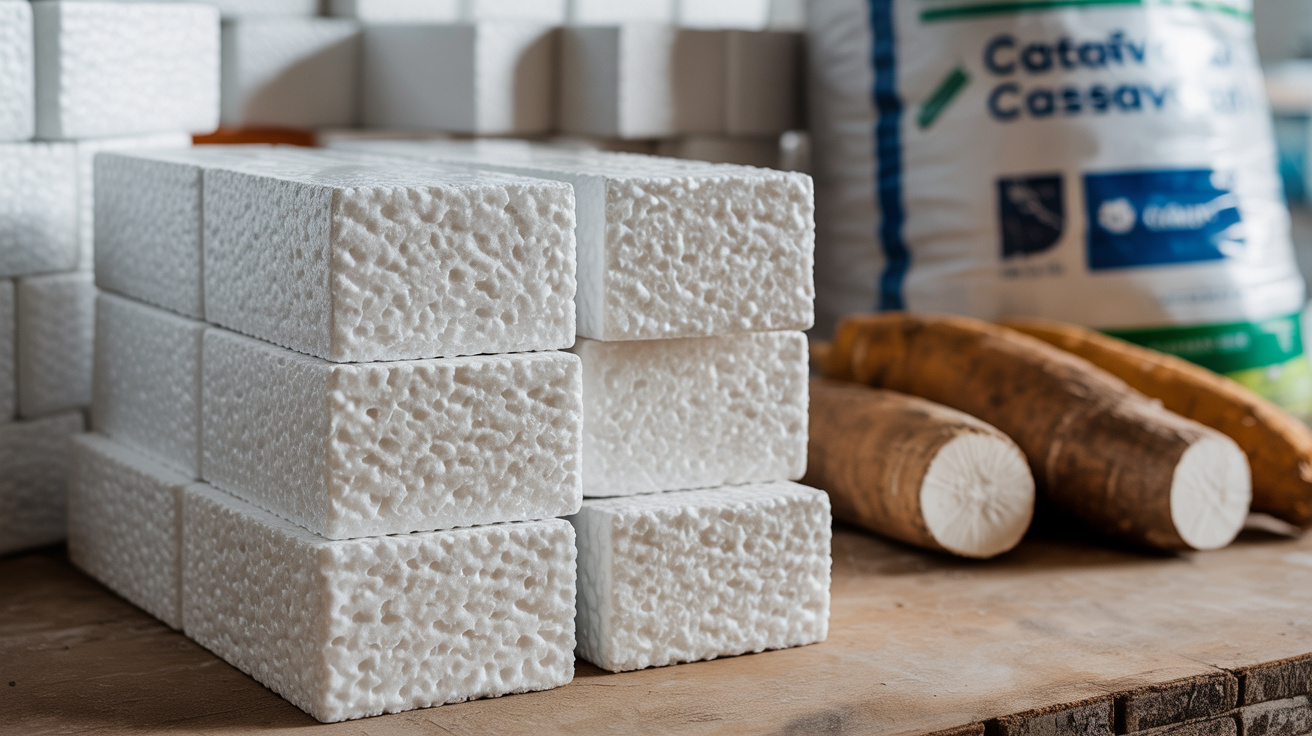
Bricks made with recycled Styrofoam and cassava glue cost R$ 0.40 and insulate walls, reducing internal temperature by 6°C using a technique that produces 50 units with just one 50 kg bag of cement.

In practice, the technical literature describes a method that depends on appropriate design, detailing, and finishing, and not on exposed material or rudimentary assembly.
The U.S. Department of Energy reports that there are two prevailing systems: the non-load-bearing one, in which the bales serve as infill for an independent structure, and the load-bearing one, known as “Nebraska style,” in which the compressed bales support the roof loads.
This framework helps explain why the subject has ceased to circulate only in alternative manuals.
The same page from Energy Saver notes that buildings with straw bales were relatively common on the Great Plains of the United States between 1895 and 1940.
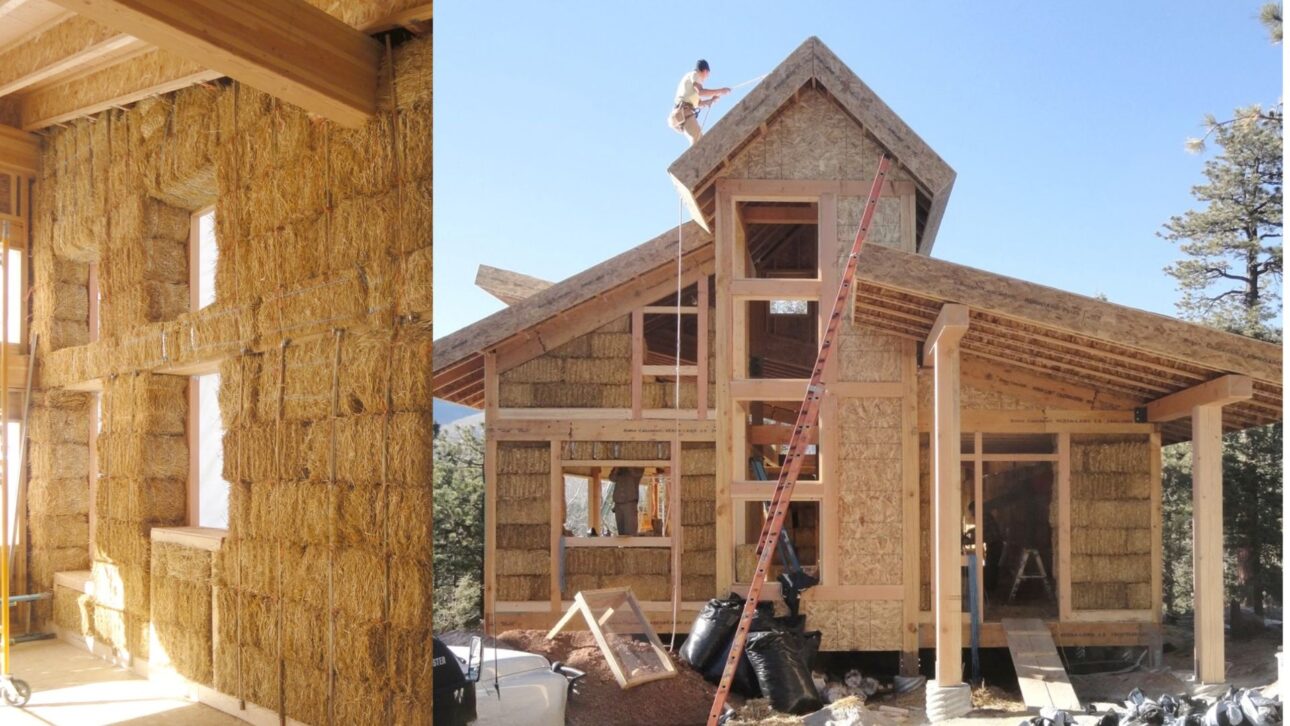
Recognition in building codes gained momentum from the mid to late 1990s.
Today, the International Code Council maintains specific appendices for this type of construction in editions of the residential code, with prescriptive rules specifically aimed at single-story buildings.
Wall Thickness and Thermal Performance
Much of the interest is focused on the behavior of the wall as an element of the building envelope.
In conventional systems, thermal performance often depends on the combination of block, finishing, air chamber, insulation, and other components.
In straw bale houses, the thickness of the sealing itself already changes how heat moves through the envelope, which explains why the technique has reappeared in discussions about energy efficiency and internal comfort.
The U.S. Department of Energy includes straw among natural fibers used as insulation material, alongside options like cotton, sheep wool, and hemp.
Furthermore, the international residential code provides unit thermal values for walls of bales positioned “on-edge”.
This indicates that the thermal behavior of the system has already been incorporated into normative criteria, not just empirical reports.
This does not mean that any project will yield the same results.
The system is addressed in verifiable parameters, but final comfort depends on other architectural variables.
Thickness also affects acoustic performance, as thicker walls tend to contribute to noise transmission reduction when the assembly is properly specified and executed.
Still, final comfort does not solely depend on the material used.
Solar orientation, ventilation, roofing, size of openings, facade protection, and the quality of finishes remain crucial to the thermal and hygrothermal behavior of any dwelling.
Moisture and Technical Requirements in the Design
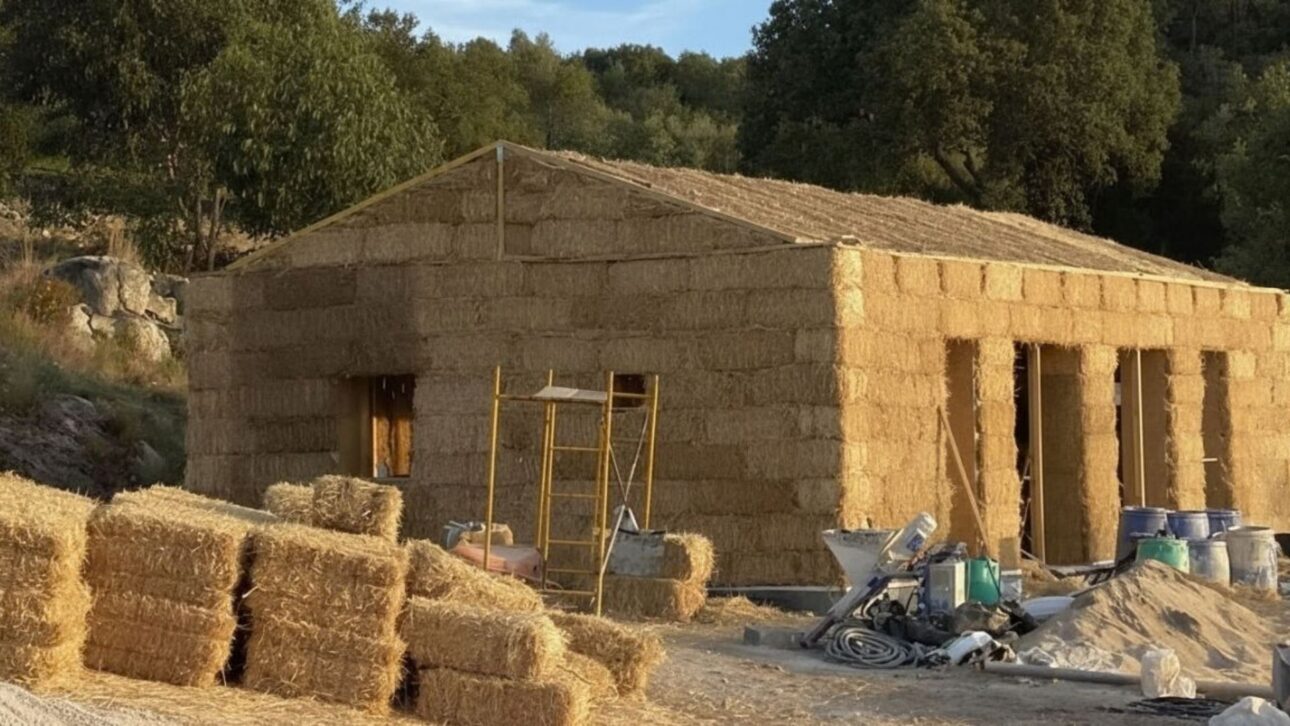
The main caution pointed out by technical references is moisture.
Building Science Corporation states that it is one of the most important factors for the durability and performance of seals.
In buildings with straw bales, the most relevant risks involve mold, rotting of wood components, and corrosion of metal elements.
In other words, this is not a material that tolerates improvisation in wall base, rain protection, opening detailing, or vapor path control.
This requirement is also clearly outlined in the codes.
The appendix of the IRC dedicated to straw bale construction provides criteria for loads, finishes, lateral resistance, and structural use of plastered walls under prescriptive conditions.
There are also state versions of the code that prohibit using vapor retarders of classes I and II directly on straw walls.
This rule aims to prevent moisture entrapment in a system sensitive to this type of pathology.
In other parts of the regulatory framework, requirements for separation between bales and concrete or masonry bases also appear.
The practical outcome is that the technique can provide relevant performance, but it relies on execution compatible with the climate and architectural design.
The simple appearance of the material often conceals a high level of demand on the construction site.
Poor finishing, contact with rising moisture, roofing failures, or poorly resolved details in doors and windows can compromise a system that, under correct conditions, was designed to function as a thick, protected, and continuous seal.
Agricultural Reuse and Real Projects
Another factor driving the debate is the source of the raw material.
The straw used in these walls is neither dimensional lumber nor a high-processed industrial product.
It is an agricultural byproduct baled and incorporated into the construction alongside structure, bindings, and finishes.
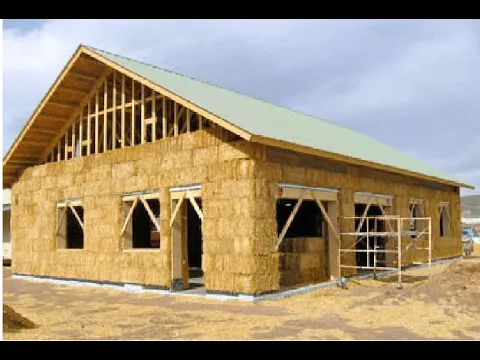

As a result, the system has also started to appear in discussions about bio-based materials and less industrially processed alternatives.
This environmental appeal, however, does not exempt the same performance and durability requirements expected of any construction.
The technique has also advanced beyond the realm of curiosity.
In the United Kingdom, the National Trust references the Footprint, in Cumbria, described by the organization as the first straw bale building it constructed in the region.
The space is presented as an educational and community base.
This case helps demonstrate that the method has not been restricted to isolated prototypes or domestic experiments.
It has found application in projects with a defined public use.
This type of example reinforces the changing perception around the system.
Instead of being a resource associated solely with “cheapness,” straw bale walls have come to be seen as part of a constructive logic based on thickness, insulation, and moisture control.
What stands out is not just the unusual raw material.
Also significant is the contrast between the simple appearance and the fact that the method is already covered by standards, technical criteria, and concrete examples of application.
By challenging the idea that efficiency necessarily requires heavy masonry, reinforced concrete, or ceramic block, straw houses expand the debate on envelope performance and internal comfort.
This is not a universal solution nor an automatic replacement for conventional systems.
Public sources indicate that the method has already garnered sufficient technical recognition to be treated as a real construction technique, with its own rules, application limits, and requirements that begin right at the design phase.








Alguem me explica onde ha fardos de palha no Brasil?
Qual o interesse do Brasil “descobrir” essa técnica ?