





 Portuguese
  English
  Spanish
  2 min of reading
  0 comments


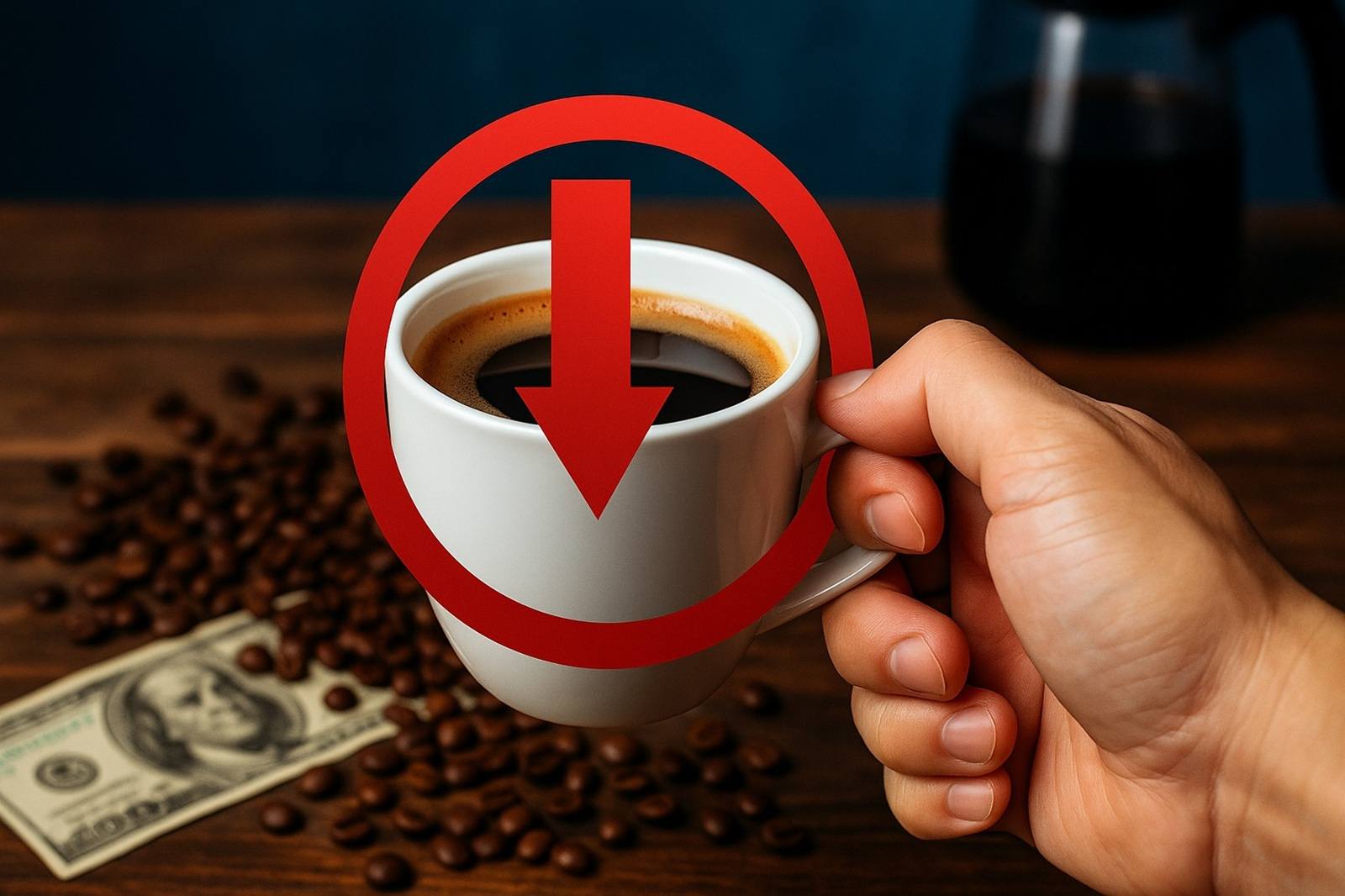
Nationwide Survey Shows That 24% of Brazilians Reduced Coffee Consumption in 2025, While Coffee Shops Lose Customers and Wholesalers Gain Space.
Coffee, present in the routine of 98% of Brazilians, faces a decline in consumption due to rising prices that weigh on consumers’ wallets.
The research “Coffee – Consumer Habits and Preferences (2019–2025),” conducted in September this year, shows that 24% of respondents reduced their intake of the beverage, the highest rate in the historical series.
Only 2% reported having increased their consumption, compared to 16% in 2023.
-
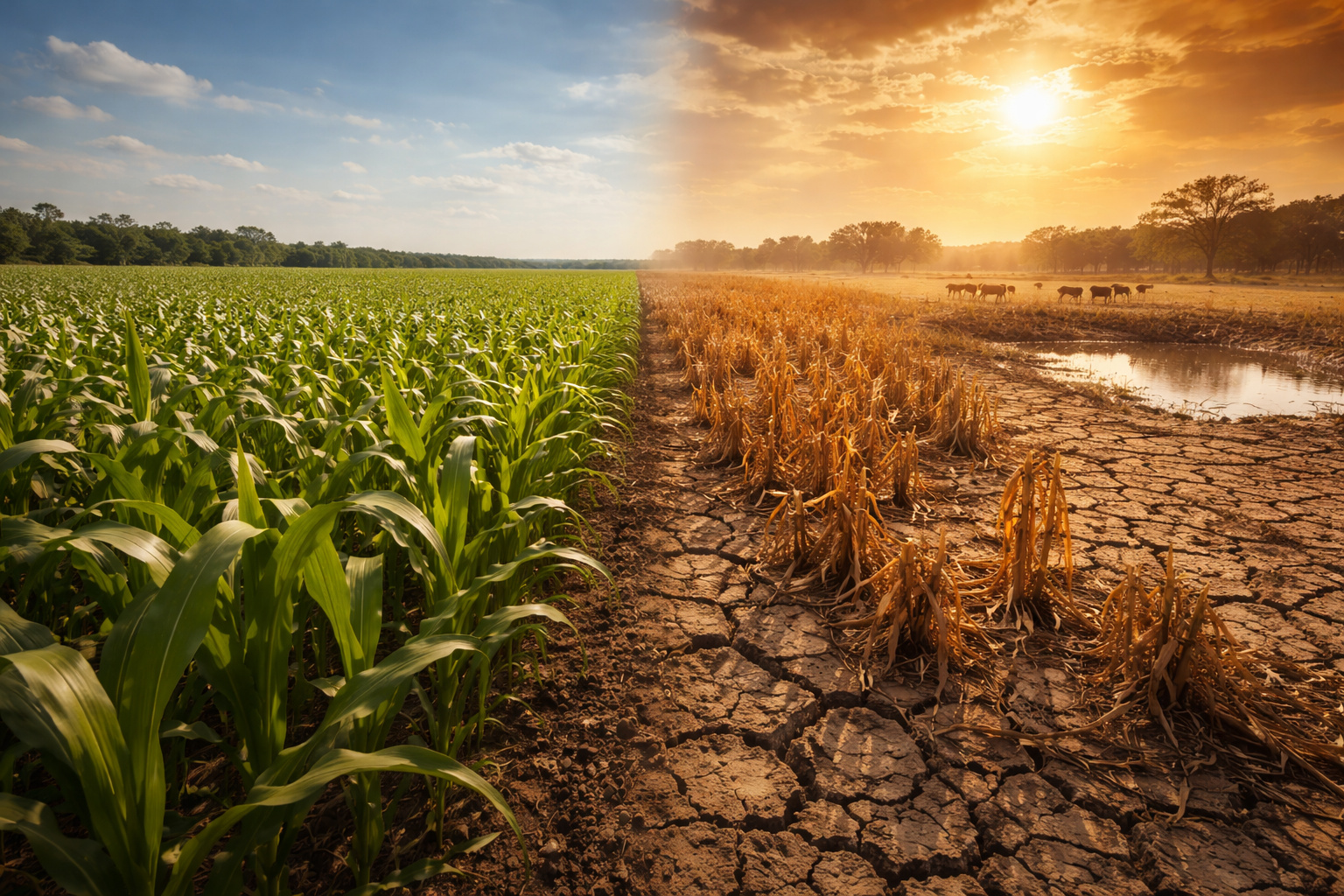
Extreme heat is already invading crops, reducing productivity and putting pressure on livestock, fishing, and forests worldwide, and data from the FAO shows that the increase in temperatures has shifted from being a climate risk to a direct threat to global food production.
-
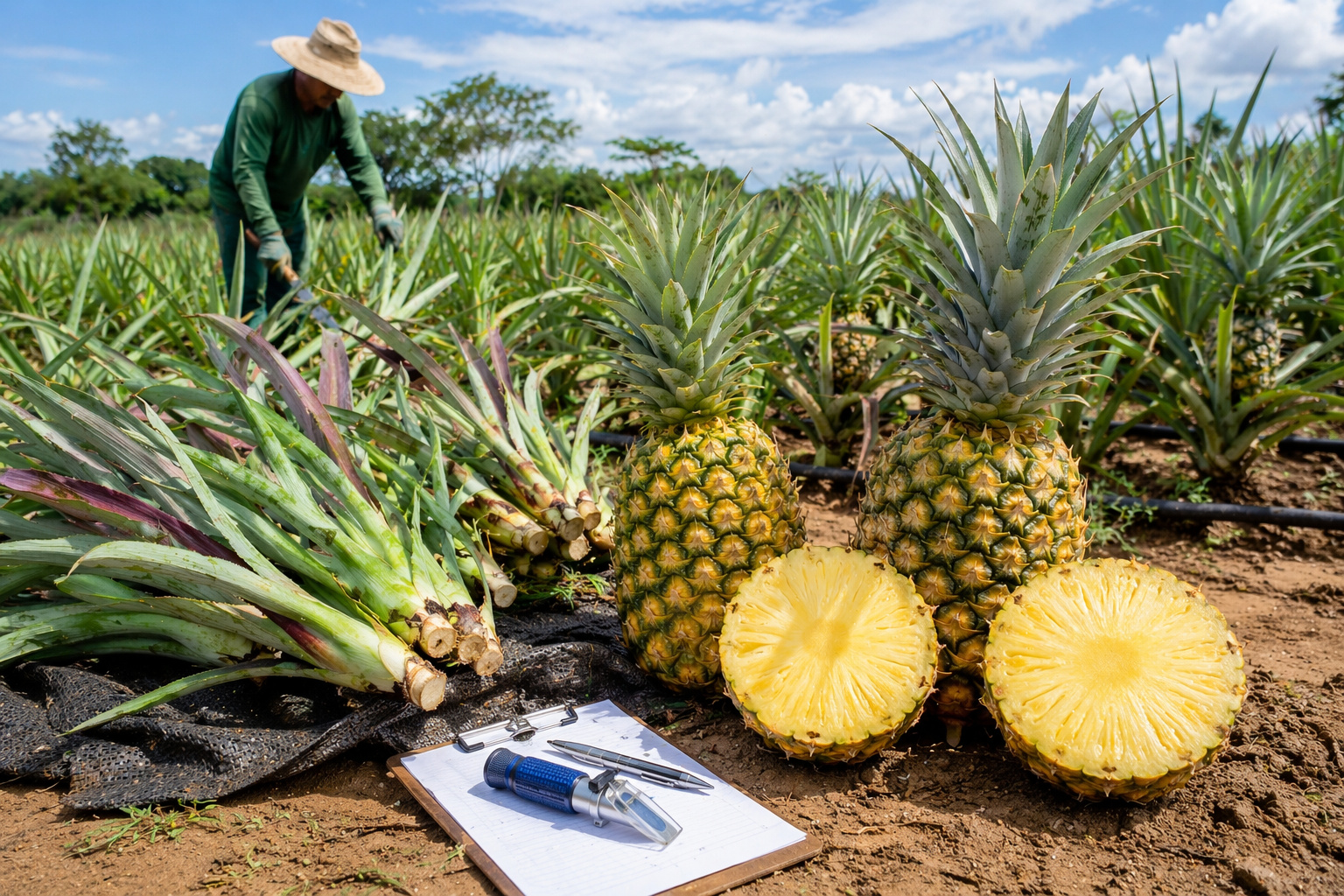
Spine-free pineapple, sweeter and more resilient: Mato Grosso develops new cultivars that promise to reduce losses from fusariosis and increase productivity in the field.
-
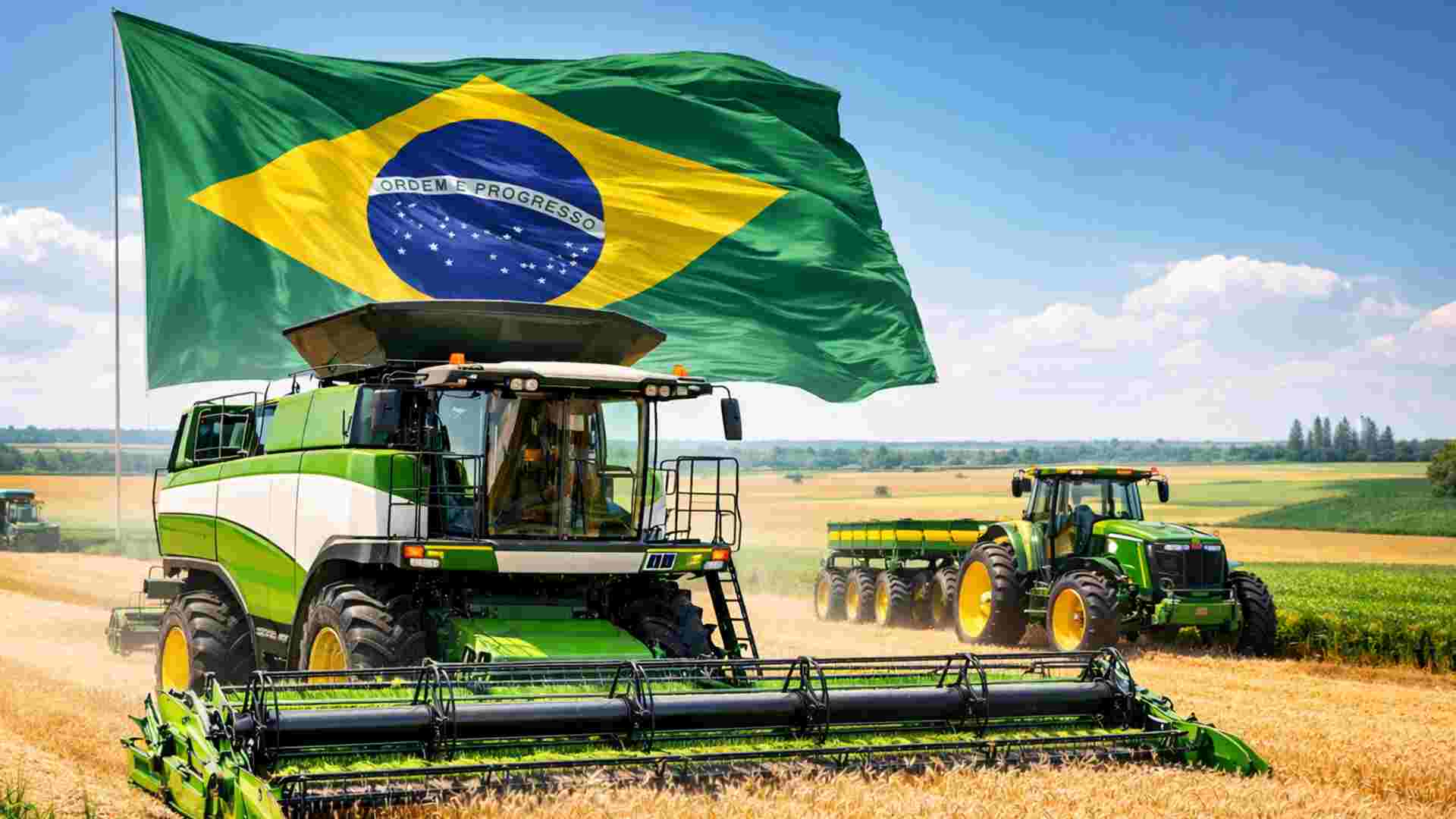
BNDES releases R$ 129 million for CNH Industrial Brazil to create more modern agricultural machines, with eight projects that include harvesters, accessible tractors, and a planter capable of applying seeds, fertilizers, and inoculants all at once in the Brazilian field.
-
From manual harvesting to robotics: Vacaria, the apple capital, becomes an Embrapa laboratory in Semear Digital, with point-to-point mapping, pest traps, traceability, and 2D orchards to combat labor shortages.
Survey Indicates Changes in Consumption Pattern
The survey, commissioned by the Brazilian Coffee Industry Association (ABIC) and conducted by the Axxus Institute in partnership with the Agronomic Institute of Campinas (IAC) and Unicamp, heard from 4,200 people across all regions of the country, stratified by gender, income, age, and locality.
The data indicate that the price surge explains the decline.
In the last two years, coffee has seen an increase of over 50% in the Consumer Price Index (IPCA), ranking among the foods that have increased the most.
In 2019, 29% stated they consumed more than six cups daily. Today, that percentage has fallen to 26%. Meanwhile, the group that drinks up to two cups grew from 8% to 14% in the same period.
Price Redefines Choices and Purchase Channels
The budget pressure directly impacts how consumers choose and buy.
In 2025, 39% of respondents said they opted for the cheapest option, a percentage that more than doubled compared to 2023, when it was 16%.
Brand loyalty has diminished, and coffee shops have seen a drop in attendance: the frequency plummeted from 51% in 2023 to 39% this year. Making the beverage at home has become the most viable solution for many consumers.
The points of sale have also changed. Wholesalers advanced from 24.6% preference in 2023 to 28.2% in 2025. Meanwhile, small retailers and coffee shops lost clientele.
In the digital environment, YouTube emerged as the primary source of information about coffee, mentioned by 13.2% of respondents, surpassing social networks and even specialized websites.
Despite the challenging scenario, the cultural connection to coffee remains strong.
The survey shows that 87% of consumers recognize the quality seal from ABIC as a trusted reference. Additionally, the habit of consuming the beverage right upon waking continues to be nearly universal.










Seja o primeiro a reagir!