





 Portuguese
  English
  Spanish
  7 min of reading
  0 comments


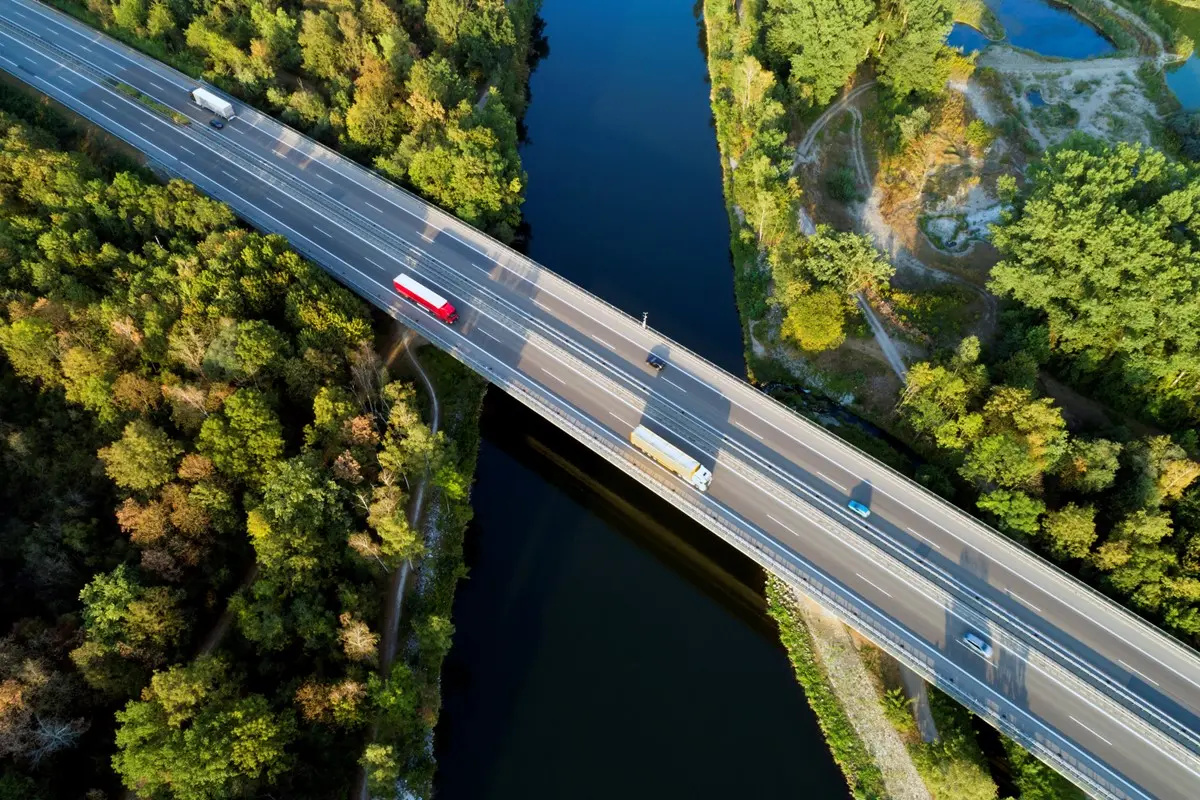
The freight and passenger transport sector is experiencing a technological revolution where the decarbonization of heavy vehicles gains traction through the diversification of renewable fuels, ensuring that trucks and buses operate with low emissions of pollutants.
The decarbonization of heavy vehicles in Brazil now focuses on a plural technological route, using biomethane, ethanol, and hydrogen as viable alternatives to conventional diesel. Experts and manufacturers confirm that there is no single solution to clean the fleet of trucks and buses, but rather a mix of energies that leverages the regional strengths of the country.
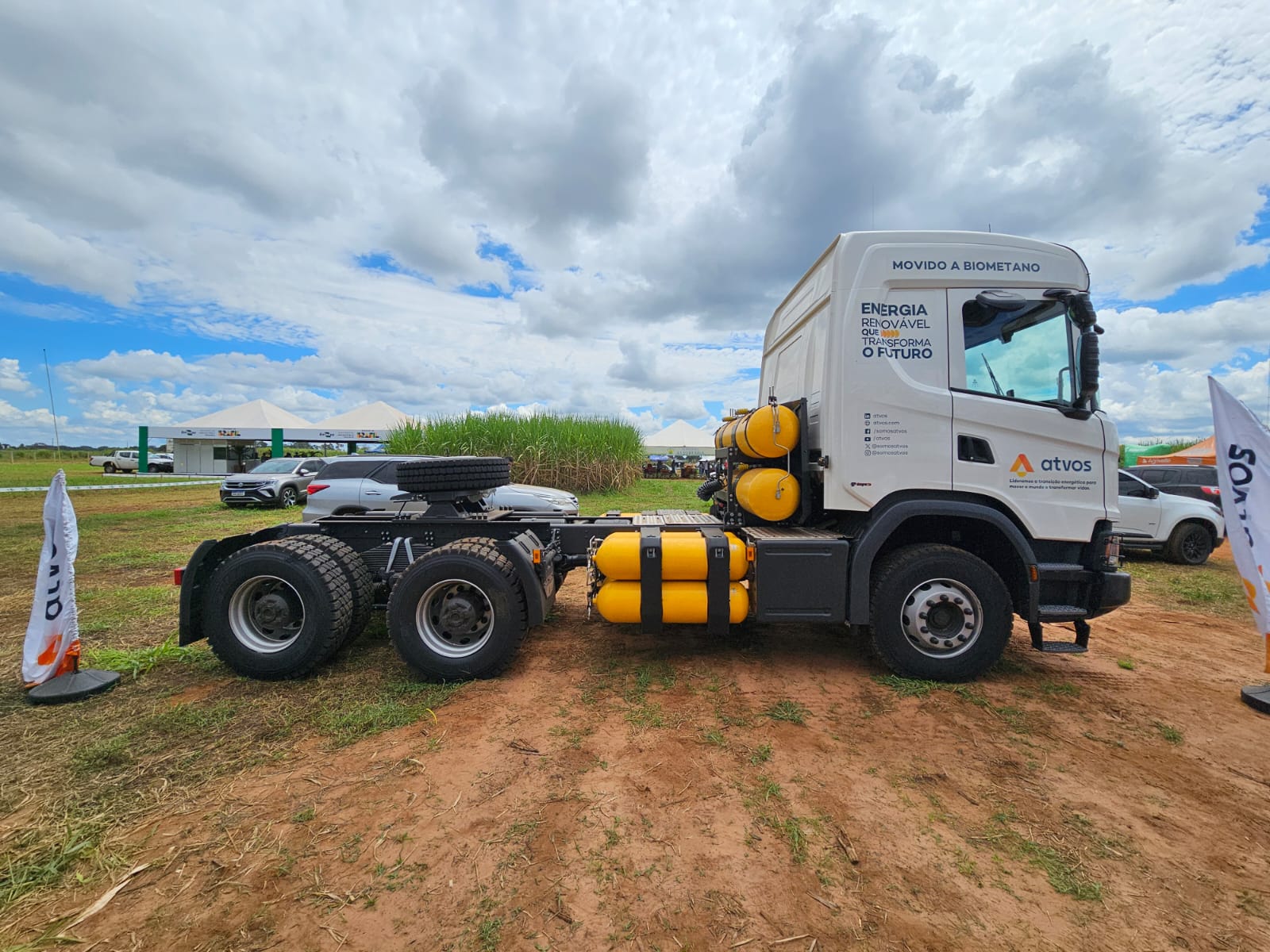
In April 2026, the Brazilian market witnesses the arrival of new models of trucks powered 100% by biomethane and hybrid systems that use ethanol to generate electricity in electric motors.
Moreover, tests with hydrogen fuel cells in long-distance trailers are advancing in the main logistics corridors, such as the route between the Port of Santos and the interior of São Paulo. This energy transition drastically reduces the carbon footprint of agribusiness and the national industry, without compromising efficiency or freight costs.
-
The biodiesel industry is pressuring the government for a simplified test to increase the blend with diesel and highlights the potential to attract investments, accelerate production, and consolidate Brazil’s leadership in biofuels.

-
Brazil accelerates hydrogen and biofuel projects to consolidate the fuel of the future and reduce dependence on oil by 2026.
-
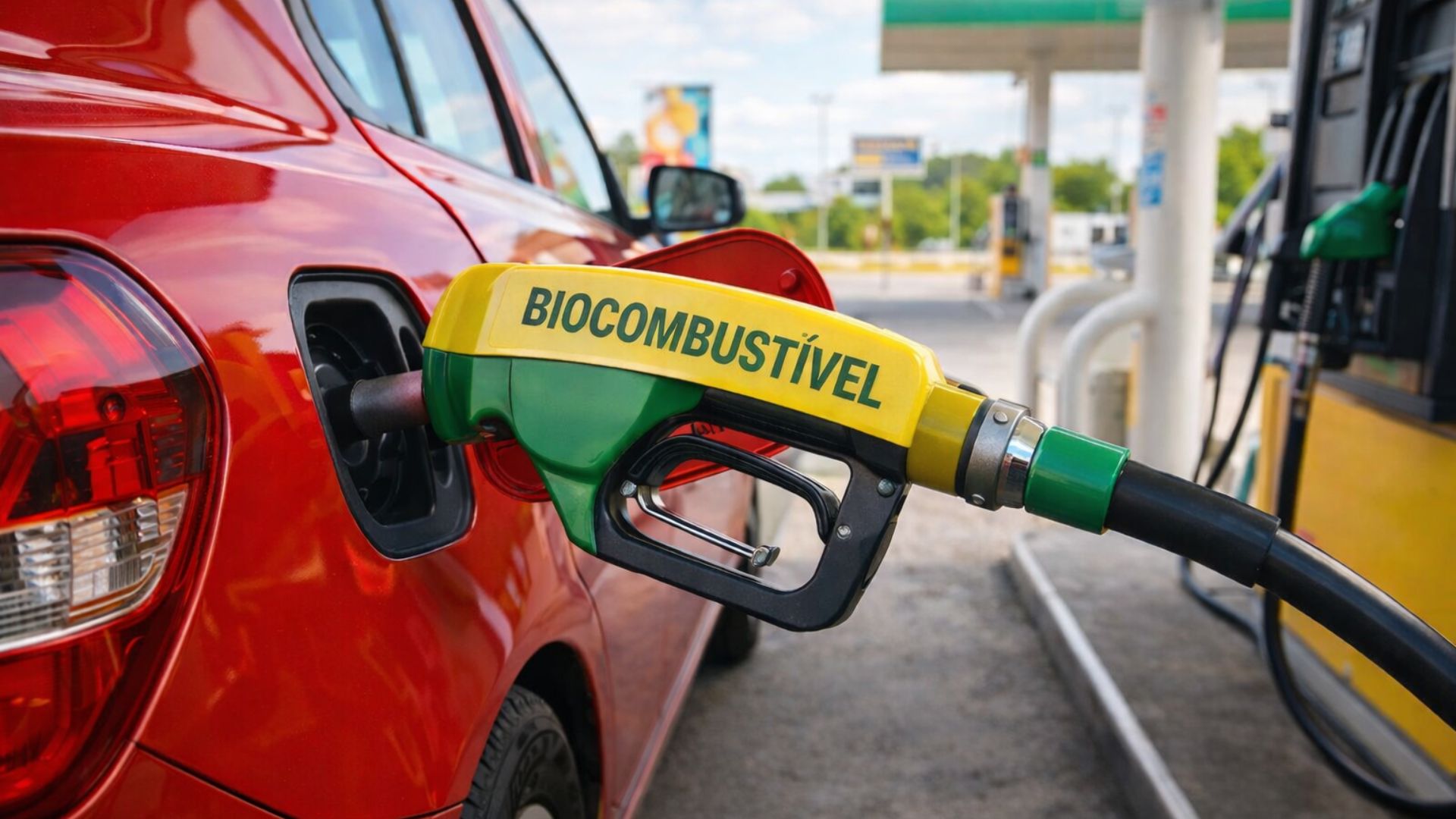
CNPE strengthens policy and prevents imported biodiesel from being mixed with diesel, aiming to strengthen the Brazilian industry and protect jobs by reducing external dependence amid tensions in the global market.
-
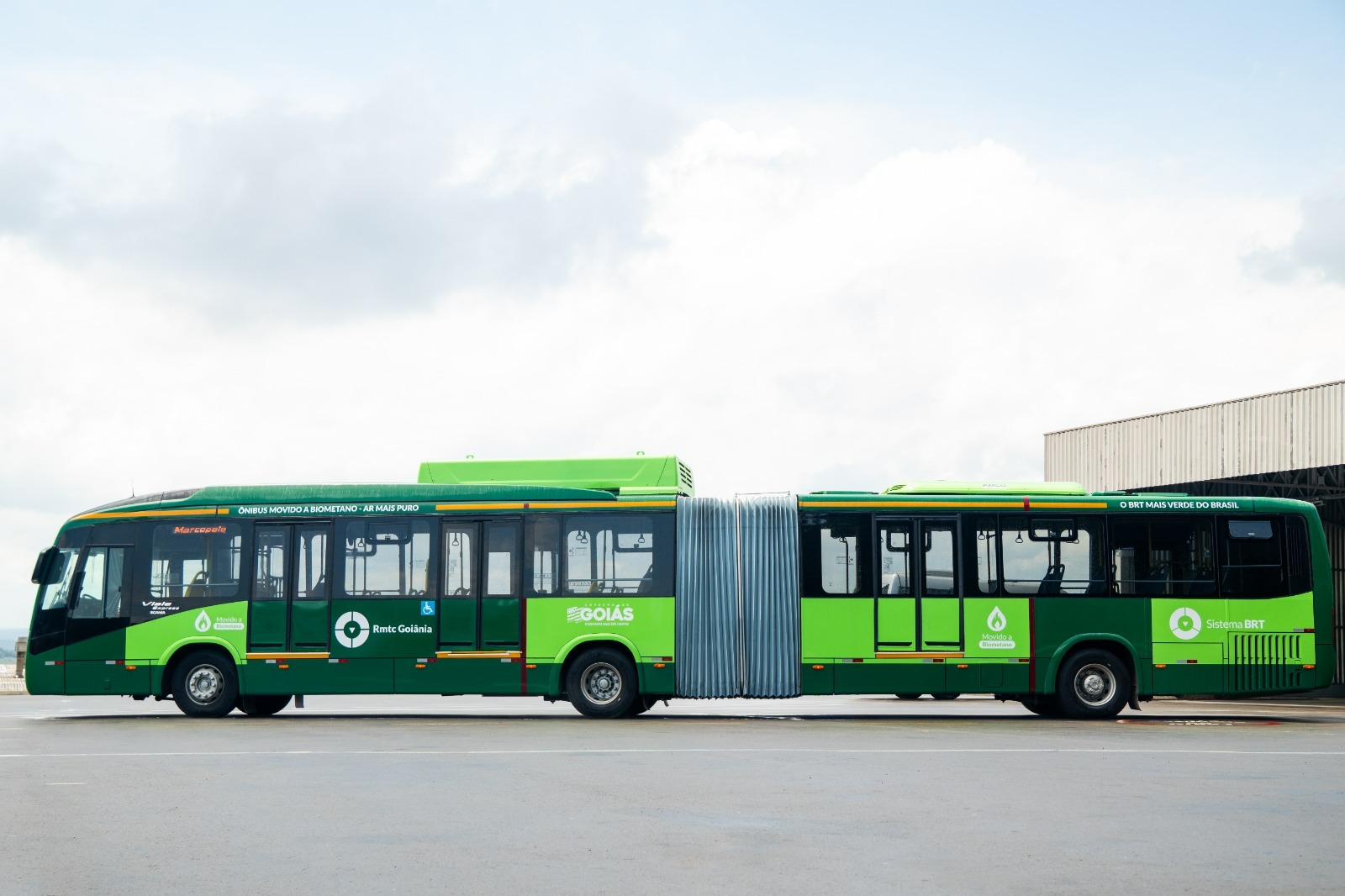
Revolution in public transport: Goiânia puts into circulation the first articulated buses powered by biomethane in Brazil and promises to drastically reduce pollution on the Anhanguera Corridor.
By abandoning exclusive dependence on fossil fuels, Brazil strengthens its energy sovereignty and meets strict global climate goals, transforming heavy transport into a pillar of the green economy.
Biomethane assumes the role of protagonist in the short term
Biomethane emerges as the quickest and most practical solution to initiate the decarbonization of heavy vehicles in Brazilian territory. The renewable gas, extracted from organic waste and the sugar-energy sector, has a negative carbon footprint in some production cycles.
Trucks powered by compressed natural gas (CNG) already accept biomethane without the need for complex mechanical modifications, facilitating the immediate transition for transport companies.
Logistics companies are heavily investing in the installation of internal fueling stations. They take advantage of urban waste or livestock waste to generate the fuel that powers their own fleets.
This circular economy model eliminates transportation costs for fuel and shields companies against international fluctuations in the price of crude oil. Biomethane reduces particulate emissions in the atmosphere by up to 90%, improving air quality on major highways and distribution centers.
Ethanol as an energy generator for electric engines
Although many associate ethanol only with passenger cars, ethanol fuel cell technology (SOFC) revolutionizes the decarbonization of heavy vehicles. In this system, the truck carries a tank of ethanol but does not burn the fuel in a traditional thermal engine. Instead, a chemical reformer extracts hydrogen from the ethanol and feeds a battery that powers the electric motor.
This configuration solves the biggest problem of 100% battery electric trucks: excessive weight and charging time. Ethanol offers high energy density and utilizes the existing fueling station infrastructure throughout Brazil.

The driver refuels the vehicle in a few minutes and continues the journey with a range of over a thousand kilometers. In 2026, manufacturers based in Brazil lead the development of these hybrid powertrains, exporting national technology to other markets seeking sustainable alternatives.
Hydrogen: The future for long distances
For ultra-long-distance trips and extremely heavy loads, green hydrogen appears as the definitive fuel. The decarbonization of heavy vehicles through hydrogen allows trailers to transport tons of goods without emitting anything but water vapor from the exhaust.
Brazil has ideal conditions to produce the cheapest hydrogen in the world, using wind and solar energy.
The main challenge lies in storage and distribution infrastructure. However, the government and the private sector are already structuring the first “Hydrogen Corridors.” These strategic fueling points connect major capitals and ports, allowing demonstration fleets to operate commercially.
The high efficiency of hydrogen ensures that the truck maintains the necessary power to climb hills and tackle difficult terrains, overcoming the torque limitations of the first generations of electric vehicles.
The end of noise and black smoke
One of the most noticeable changes in the decarbonization of heavy vehicles is noise and visual pollution. The new gas or electric engines operate at a significantly lower noise level than traditional diesel engines. This allows delivery trucks to operate at night in urban areas without disturbing residents, optimizing city logistics.
Moreover, black smoke, composed of soot and nitrogen oxides, disappears. The use of biomethane and hydrogen cleans exhausts and reduces the incidence of respiratory diseases in populations living near busy highways.
The practical impact of this change reflects on public health and the preservation of building facades and historical monuments, which no longer suffer from corrosion caused by petroleum residues.
Real impact on freight economy and agribusiness
The energy transition does not only focus on the environment; it aims at the economic survival of the transport sector. Diesel represents about 50% of the operational costs of a transport company. By migrating to biomethane or ethanol, the entrepreneur gains predictability.

The cost of Brazilian biofuel does not suffer the same impacts from geopolitical crises affecting oil in the Middle East.
In agribusiness, the decarbonization of heavy vehicles creates a perfect synergy. The truck that takes soy to the port can return fueled with biomethane produced on the farm itself or in neighboring plants.
This “green logistics” enhances the value of Brazilian products in the international market, as European and American buyers increasingly demand proof of low emissions throughout the supply chain. The “sustainable transport” label becomes a key competitive differentiator in 2026.
The green reindustrialization of Brazil
The movement towards decarbonization of heavy vehicles drives a new wave of industrialization in the country. Engine factories in São Paulo and Minas Gerais are adapting their production lines to assemble gas injection systems and fuel cells.
Brazil is no longer just an importer of parts but is becoming a developer of cutting-edge engineering for biofuels.
This generates thousands of qualified jobs in Research and Development (R&D) centers. Traditional mechanics professionals need to learn about power electronics, fuel chemistry, and safety in high-pressure systems.
Universities and technical institutes in partnership with manufacturers are launching specific courses to train the mechanics of the future, ensuring that the sustainable fleet has technical support in all corners of the national territory.
Challenges: The need for fueling stations and tax incentives
Despite technological advancements, the decarbonization of heavy vehicles faces logistical barriers. Brazil has a network of diesel fueling stations that has been established for decades. Creating an equivalent network for biomethane or hydrogen requires massive investment.
The federal government is acting through tax incentive programs and special credit lines for gas station owners to install gas compressors and cryogenic tanks.
Legal security also plays a vital role. Investors need guarantees that the rules for biofuels will remain stable in the long term.
The regulation of the carbon market, which is advancing in Congress, should reward companies that take old trucks off the streets and replace them with low-emission vehicles. This “green bonus” helps to close the financial gap of fleet renewal, which still presents a higher acquisition cost than conventional models.
The role of digital technology and telemetry
Artificial intelligence and 5G connectivity accelerate the decarbonization of heavy vehicles. Advanced telemetry software monitors fuel consumption and emissions in real time. The system suggests the best route for the driver, avoiding congestion and sections where the engine would unnecessarily consume more energy.
These digital platforms also manage the fueling of fleets. The truck “alerts” the station that it is arriving and what the battery level or tank pressure is.

This automation reduces downtime and ensures that the vehicle always operates within its maximum energy efficiency range. In 2026, the sustainable truck is, above all, a connected vehicle that generates valuable data for sustainable business management.
Infrastructure: The sustainable corridors of Brazil
The concept of Green Corridors takes shape on the main highways of the country, such as Via Dutra and BR-163. On these roads, the supply of biomethane and fast chargers for heavy vehicles becomes frequent, eliminating the driver’s fear of running out of fuel.
Infrastructure planning focuses on “high-flow routes,” where the density of trucks justifies the investment in new stations.
These routes connect agricultural production zones to railway and port terminals. Intermodal integration, where the hydrogen truck delivers the cargo to the electric train, represents the peak of decarbonization of heavy vehicles.
The ultimate goal focuses on creating a logistics network invisible to the climate’s eyes, where goods travel thousands of kilometers with minimal environmental impact, ensuring the efficiency of national supply.
The path to emission-free transport
The decarbonization of heavy vehicles is no longer a futuristic trend but a reality transforming Brazilian roads in 2026. The union of biomethane, ethanol, and hydrogen places Brazil in a position of global leadership in the energy transition of the transport sector.
Each alternative fulfills a specific role in the vast geography of the country, ensuring that freight transport continues to be the engine of the economy, now in a clean way.
Finally, the success of this journey depends on the continuous collaboration between the government, manufacturers, and transporters.
By investing in renewable technologies and cutting-edge infrastructure, Brazil protects its environment, strengthens its industry, and provides a practical example of how innovation can solve the most complex challenges of the 21st century. The roar of engines is changing, and the air on our roads has never been so promising.







Seja o primeiro a reagir!