





 Portuguese
  English
  Spanish
  5 min of reading
  0 comments


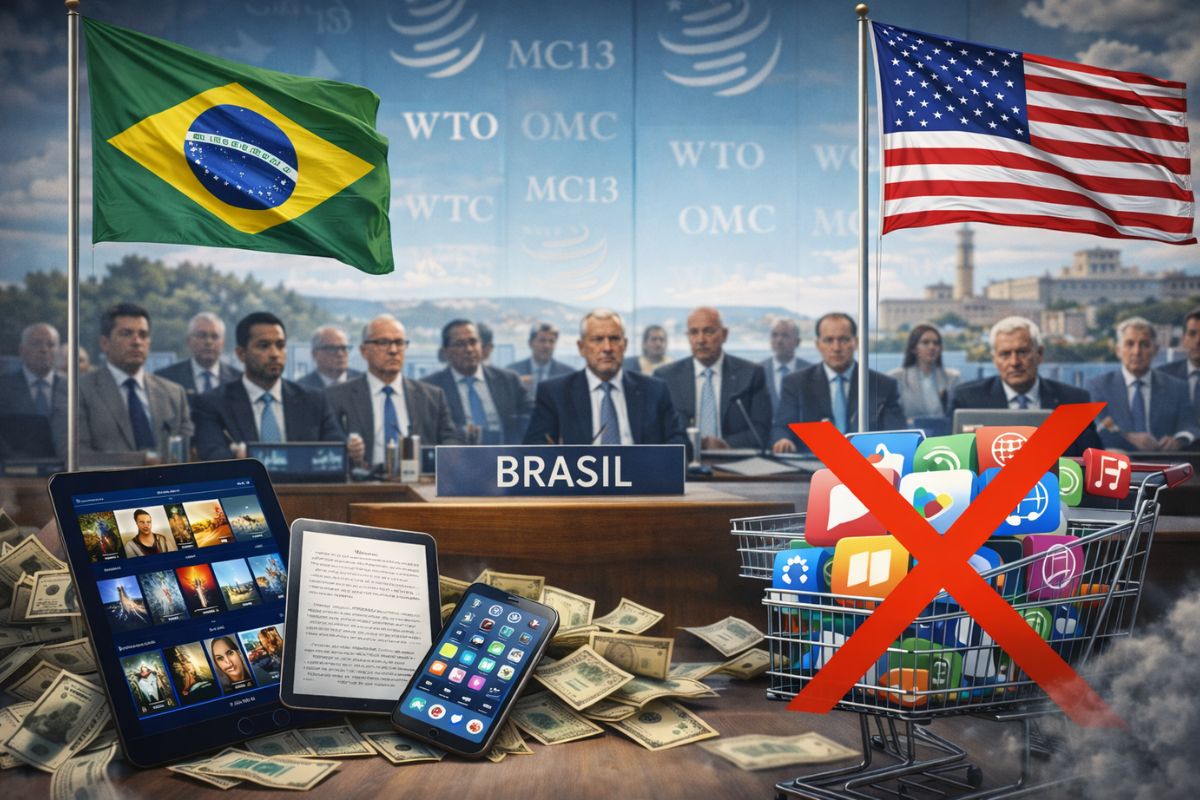
Brazil vetoed at the WTO the extension of the moratorium on tariffs in digital trade, which exempted since 1998 the collection of import taxes on streaming, ebooks, downloads, and cloud services—a measure that directly benefited American big techs. The moratorium expired, and now 166 countries can start charging tariffs on digital products.
The WTO negotiations ended in a deadlock early Monday (30) after Brazil blocked a U.S.-led proposal to extend the moratorium on tariffs in electronic commerce. The moratorium, in effect since 1998, prevented the 166 WTO member countries from charging import tariffs on digital products such as streaming, downloads, ebooks, and cloud services. The U.S. wanted to make this tariff exemption permanent. Brazil said no.
According to TV Cultura, the WTO Director-General, Ngozi Okonjo-Iweala, confirmed that the moratorium on tariffs has expired, which means that, for the first time in nearly 30 years, countries can start taxing digital trade. The deadlock over tariffs was considered a “major setback for global trade” by British Secretary of State for Business and Trade, Peter Kyle, and called into question the relevance of the WTO itself in an increasingly fragmented dispute landscape.
What was the moratorium on tariffs and why did the U.S. want to make it permanent
Since 1998, the WTO maintained a moratorium that prevented the collection of tariffs on electronic transmissions, meaning everything transmitted digitally between countries, from streaming movies to cloud software.
-
IPTU exemption for seniors in 2026: see how to secure the benefit.

-
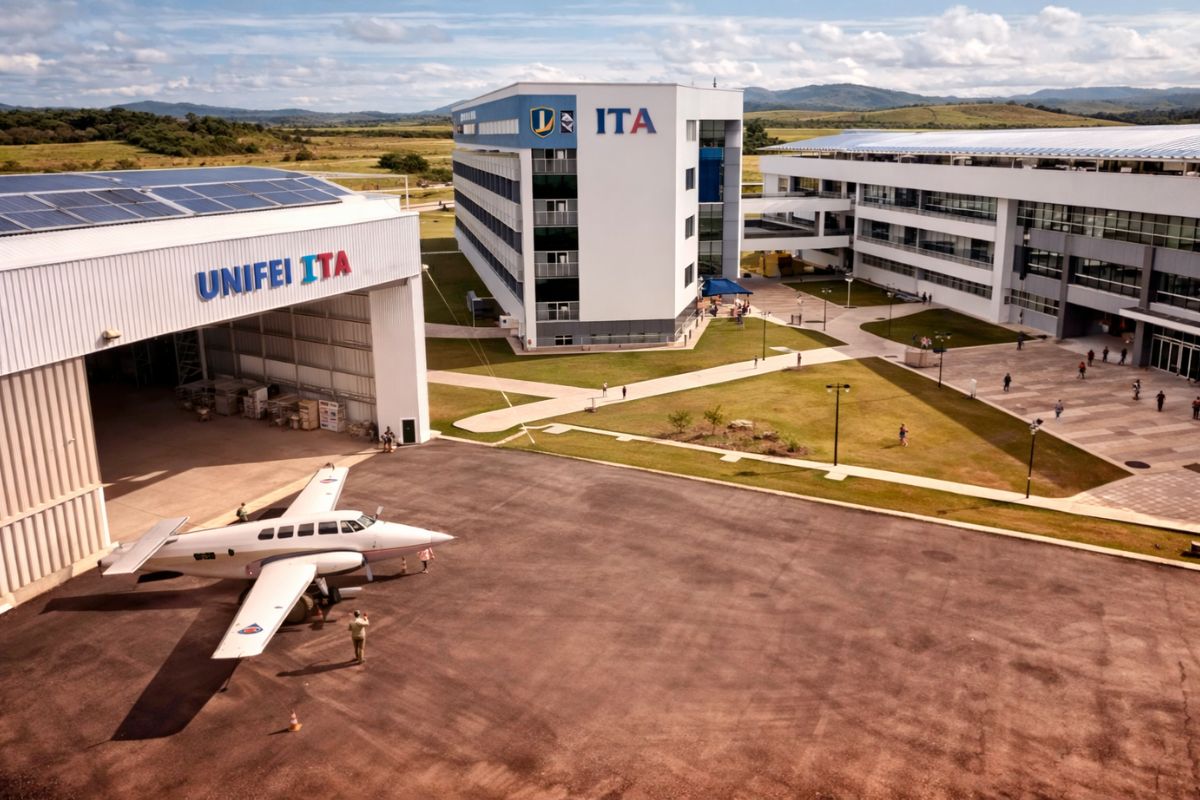
The institute that trained the greatest aerospace engineers in Brazil has just opened its first campus outside São Paulo after 75 years: ITA Ceará will have R$ 445 million, new courses in energy and systems, and classes are expected to start in 2027.
-
Luciano Hang, owner of Havan, goes to Juiz de Fora after the tragedy in February, brings R$ 1 million, hands out R$ 2,000 cards, and donates up to R$ 15,000 to victims in the region.

-
The Brazilian passport allows legal residence in dozens of countries without the need for a prior visa, and most Brazilians are unaware that they can apply for residency directly upon arriving in nations in South America, Africa, and even Europe.

The moratorium on tariffs was renewed every two years without interruption, but the U.S. began to push for it to become permanent, eliminating the possibility of countries charging tariffs on digital trade in the future.
The reason is clear: the biggest beneficiaries of the tariff exemption are the American tech giants Google, Amazon, Microsoft, Netflix, Apple, which dominate global digital trade and export services to all 166 WTO countries without paying import taxes.
For the U.S., maintaining the moratorium on tariffs is about protecting the most profitable sector of its economy. For developing countries, it means giving up tax revenue on a market that already represents more than half of global service exports.
Why Brazil blocked the tariff proposal and what agriculture has to do with it
Brazil linked the discussion on digital tariffs to agricultural issues, a move that surprised many delegates.
The Minister of Foreign Affairs, Mauro Vieira, argued that it is not coherent to demand tariff exemptions for digital services while developed countries maintain high tariffs and billion-dollar subsidies on agricultural products, a sector that Brazil considers the most neglected in WTO negotiations over the past 30 years.
A Brazilian diplomat summarized the position: “The U.S. wants the sky.” Brazil initially proposed to maintain the tariff moratorium for two years, as had been done. It even accepted four years with a review clause.
But the final proposal of four years plus a transition period until 2031 was rejected by Brazil, which considered the timeframe excessive given the rapid changes in digital trade. “In four or five years, no one can predict what electronic commerce will look like,” said the diplomat.
“There would be consequences”: the U.S. pressure on tariffs and the reaction of delegates
The U.S. Trade Representative, Jamieson Greer, did not hide his frustration with the deadlock over tariffs.
According to diplomats present at the meeting in Cameroon, Greer left delegates “uncomfortable” by suggesting that “there would be natural consequences” if the U.S. did not obtain a long-term extension of the tariff exemption.
The message was interpreted as a veiled threat that Washington could further distance itself from the WTO.
An American official said it was not about the U.S. against Brazil, but “Brazil and Turkey against 164 members,” classifying the veto on tariffs as a blockade by two countries against the rest of the world.
On the other side, developing countries argue that the indefinite maintenance of the tariff exemption on digital trade denies them an important source of tax revenue—resources that could be invested in education, infrastructure, and health.
The tariff moratorium has expired: what happens now with global digital trade


With the expiration of the moratorium, the 166 WTO member countries can, in theory, start charging tariffs on digital products.
In practice, it is still unclear when and how this will happen—the negotiations on tariffs will continue in Geneva, possibly in May, and Brazil and the U.S. are still trying to reach an agreement. The WTO Director-General admitted that both “need more time.”
The impact on tariffs goes beyond digital trade. Business leaders lamented the outcome: John Bescec from Microsoft said the sector expected “more certainty and predictability” regarding tariffs, and the International Chamber of Commerce classified the expiration as “another crack in the foundations of the WTO system”.
For Brazil, the issue is strategic: to maintain negotiating power over digital tariffs while pressing for advances in agricultural trade. For the U.S., it is a defeat that could accelerate Washington’s distancing from the multilateral system.
Did Brazil make the right choice by blocking the tariffs or will it pay the price?
Brazil’s veto on digital tariffs was both bold and risky. Bold because it faced the U.S., China, and the European Union on an issue involving the world’s most powerful companies. Risky because the American trade representative has already signaled that there will be consequences, and Brazil is vulnerable to retaliation in other sectors.
But the Brazilian argument is valid: if the world is going to exempt tariffs on digital services dominated by American companies, why not also exempt the agricultural products that Brazil exports and that face heavy tariffs in developed markets?
The answer to this question could define the future of global trade and Brazil’s role in it.
Do you think Brazil did the right thing by blocking the U.S. tariff proposal at the WTO? Does it make sense to demand reciprocity between digital and agricultural trade? And what will be the price of this decision? Leave your comments.










Seja o primeiro a reagir!