





 Portuguese
  English
  Spanish
 3 min of reading


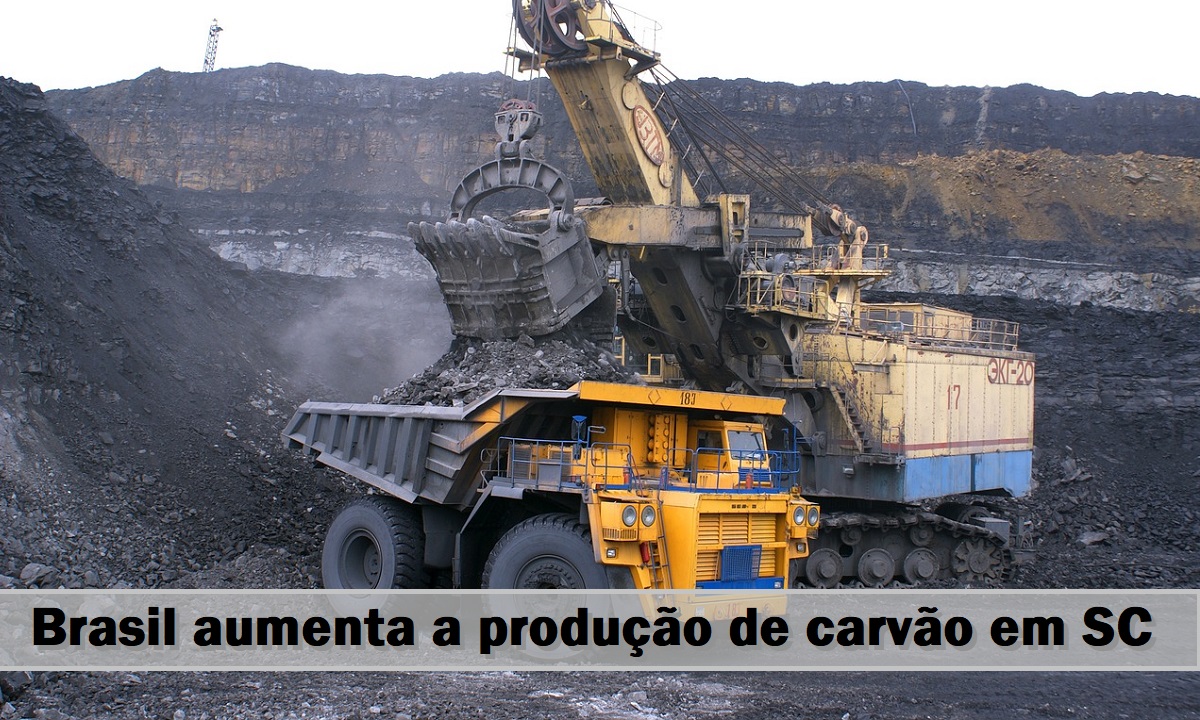
Even Amid Participation in the UN Climate Change Conference, Brazil Expands Production of the Most Polluting Thermal Power Plant: The Coal Plant, Going Against Its Favorable Declaration on Renewable Energy Development
Brazil, set to participate in the UN Climate Change Conference, aiming to position the country as a source of renewable energy for the planet and with the expectation of being “the world’s clean energy security“, has raised its carbon emissions in the energy sector by extending subsidies for coal until the year 2040.
This fact occurs because the government sanctioned a law in January predicting the expansion of coal produced in Santa Catarina, the largest coal-producing state in Brazil, which employs 70% of the workforce in the sector.
This increase in coal production goes against the commitment to reduce fossil fuel use in the final agreement of COP-26, signed by 196 countries, including Brazil, as well as opposing major energy companies operating in the country that are moving away from coal production to reduce their emissions, aiming for renewable energy development.
-
With 74% of companies facing difficulties in hiring, technicians and engineers in renewable energy are becoming scarce in Brazil and are essential to support the expansion of solar, wind, and green hydrogen projects.

-
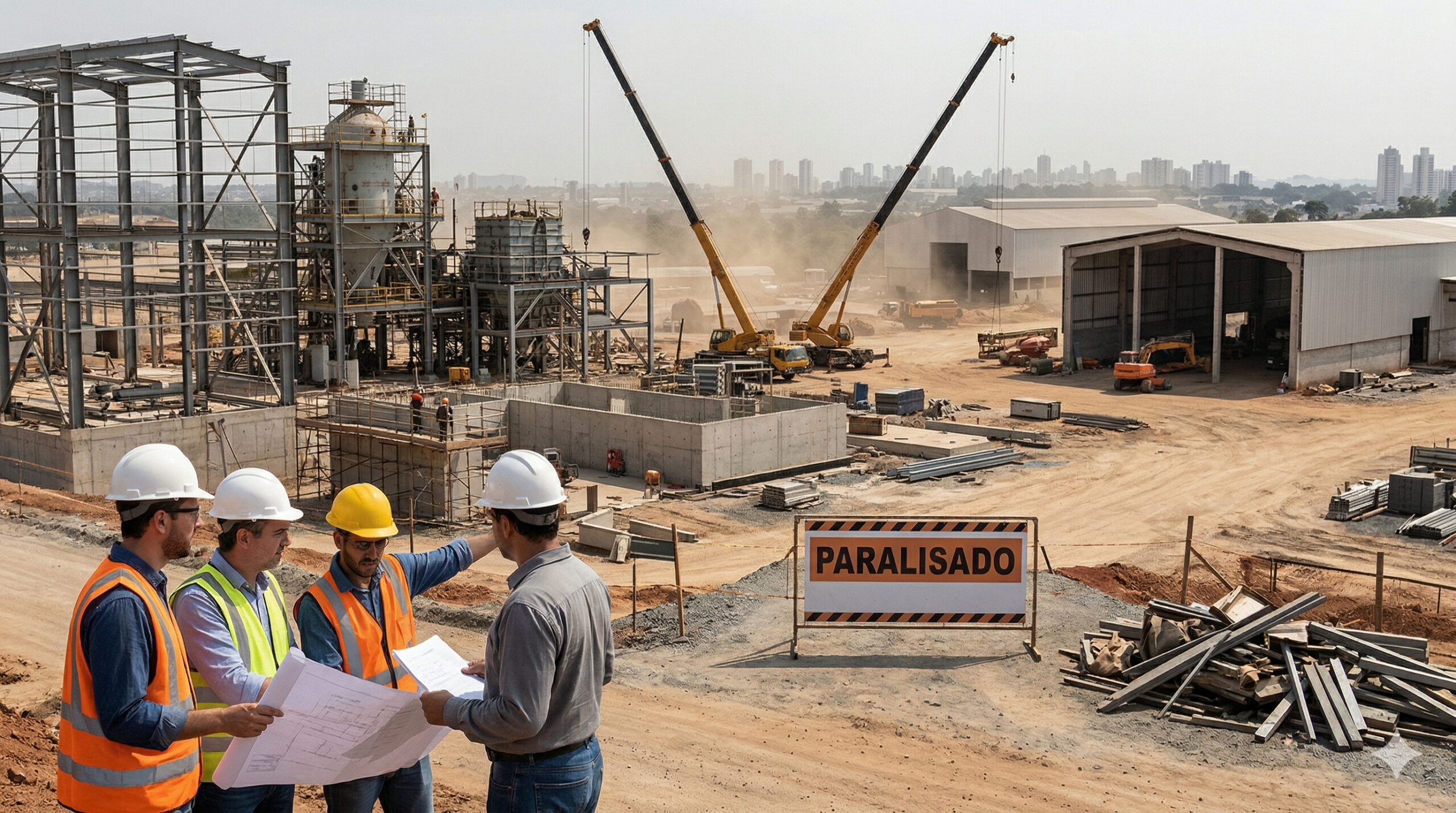
The lack of welders, electricians, and operators becomes a structural threat in 2025, with the construction industry and manufacturing already suffering from delays, cost pressures, and labor shortages in Brazil.
-
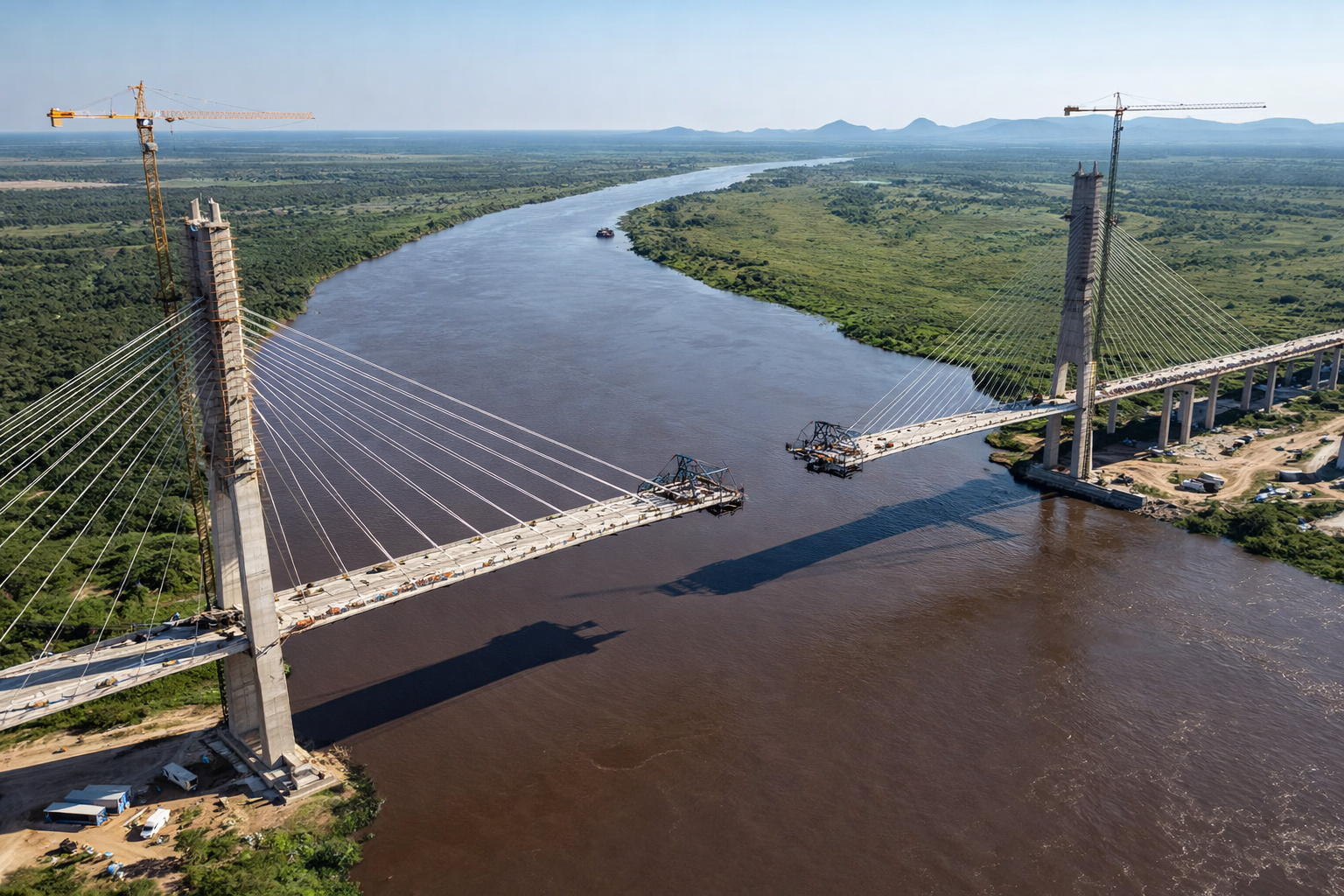
Brazil and Paraguay are just 46 meters away from a historic union on the bioceanic bridge that promises to revolutionize trade between the Atlantic and the Pacific.
-
With 55 km over the sea, a cost of US$ 20 billion, and enough steel to build 60 Eiffel Towers, China’s largest project has connected Hong Kong, Zhuhai, and Macau in a colossal bridge that defies the logic of engineering.


HOW THERMAL POWER PLANTS AFFECT THE ENVIRONMENT?


Energy Giants Are Rethinking Their Investments
In an effort to reduce fossil fuel levels in their production, some energy companies are cutting investments in the coal sector. Engie, for example, the largest private generator in the country, announced in September the sale of the Pampa Sul thermal power plant in Candiota (RS). This was the last thermal power plant remaining in the company’s portfolio in Brazil, with the sale aimed at leading the energy transition toward a carbon-neutral economy. Now, the company has a 100% renewable matrix in Brazil.
In addition, Eneva, the largest private natural gas operator in Brazil, is also reevaluating its investments in Brazil’s energy sector. Since 2020, the company has committed not to make new investments in coal, aside from the Pecém (CE) and Itaqui (MA) thermal plants.
The Consequences of Subsidies
According to Law 14,299, the Union must extend the authorization of the Jorge Lacerda Complex for 15 years, starting January 1, 2025. During this period, the Ministry of Mines and Energy (MME) must sign a contract to purchase energy reserves from coal plants (the most polluting of energy sources).
The Association of Large Energy Consumers (Abrace) estimates an annual cost of R$ 840 million for all consumers of energy in the country due to the increase in coal production and also foresee an impact on pollution.
The decision is expected to increase emissions in the electricity sector, a trend that has been gaining traction over the past 20 years, with the rise of natural gas thermal power plants. The generation from thermal power plants increased from 30.6 TWh in 2000 to 84.8 TWh in 2020, nearly tripling, while the total greenhouse gas (GHG) emissions in the Brazilian electric sector increased by 90% between 2000 and 2020, according to an analysis by the Energy and Environment Institute.








Seja o primeiro a reagir!