Portuguese
  Spanish


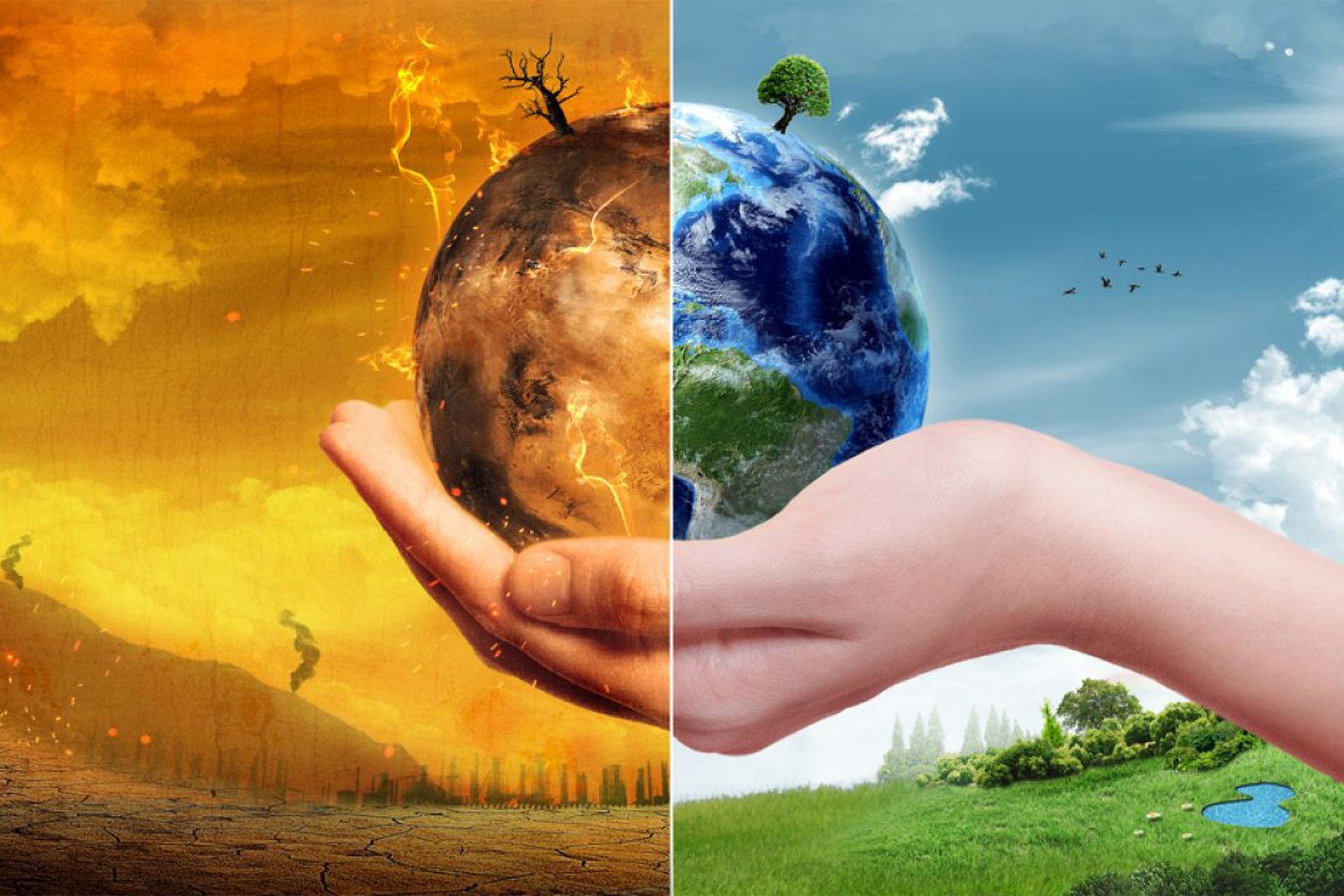

World Meteorological Organization Says Countries Must Invest Heavily in Renewable Energy Sources by 2030 to Meet Net-Zero Carbon Emission Goal by 2050
In the next eight years, the global electricity supply generated from renewable energy sources must be significantly higher than it is now, according to a warning from the WMO (World Meteorological Organization) released by the UN. According to the organization, countries must invest three times more resources to double the supply of clean energy. The goal is to have some hope of containing the rise in average global temperature.
The warning is to put the world on the right track to achieve net-zero emissions by 2050. If this does not happen, there is a risk that climate change, increased severe weather, and water stress will compromise global energy security, including the supply of renewable energy on a planetary basis.
The WMO coordinated research that argues it is important to have access to accurate information and services regarding climatology, water resources, and climate. It is crucial to strengthen the resilience of energy infrastructure and meet the demand, which has increased by thirty percent over the last decade.
-
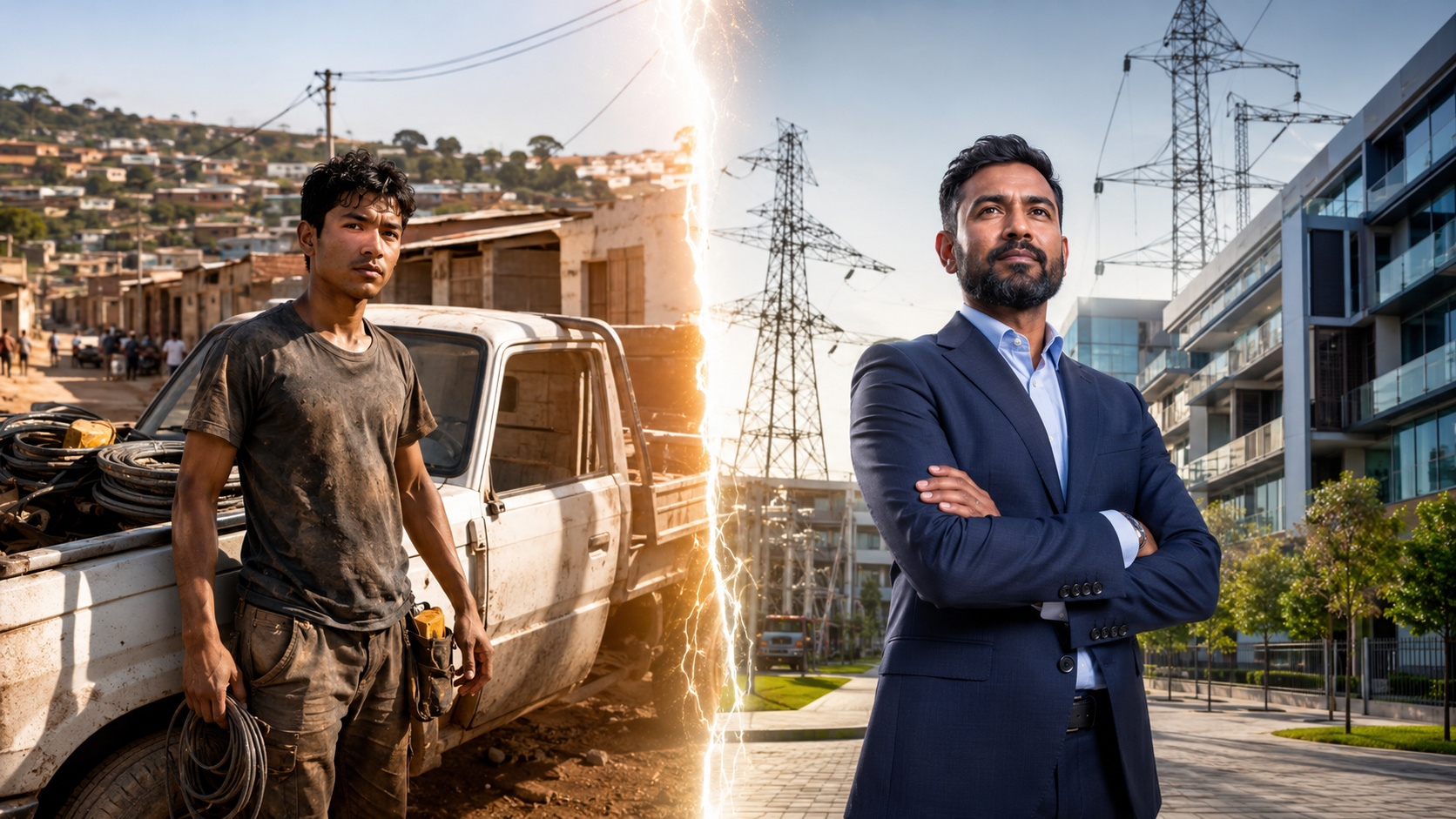
Fired during apartheid and with a little borrowed money, an electrician started with a borrowed truck and transformed electrical services into a group connected to energy, real estate, and infrastructure in South Africa.

-
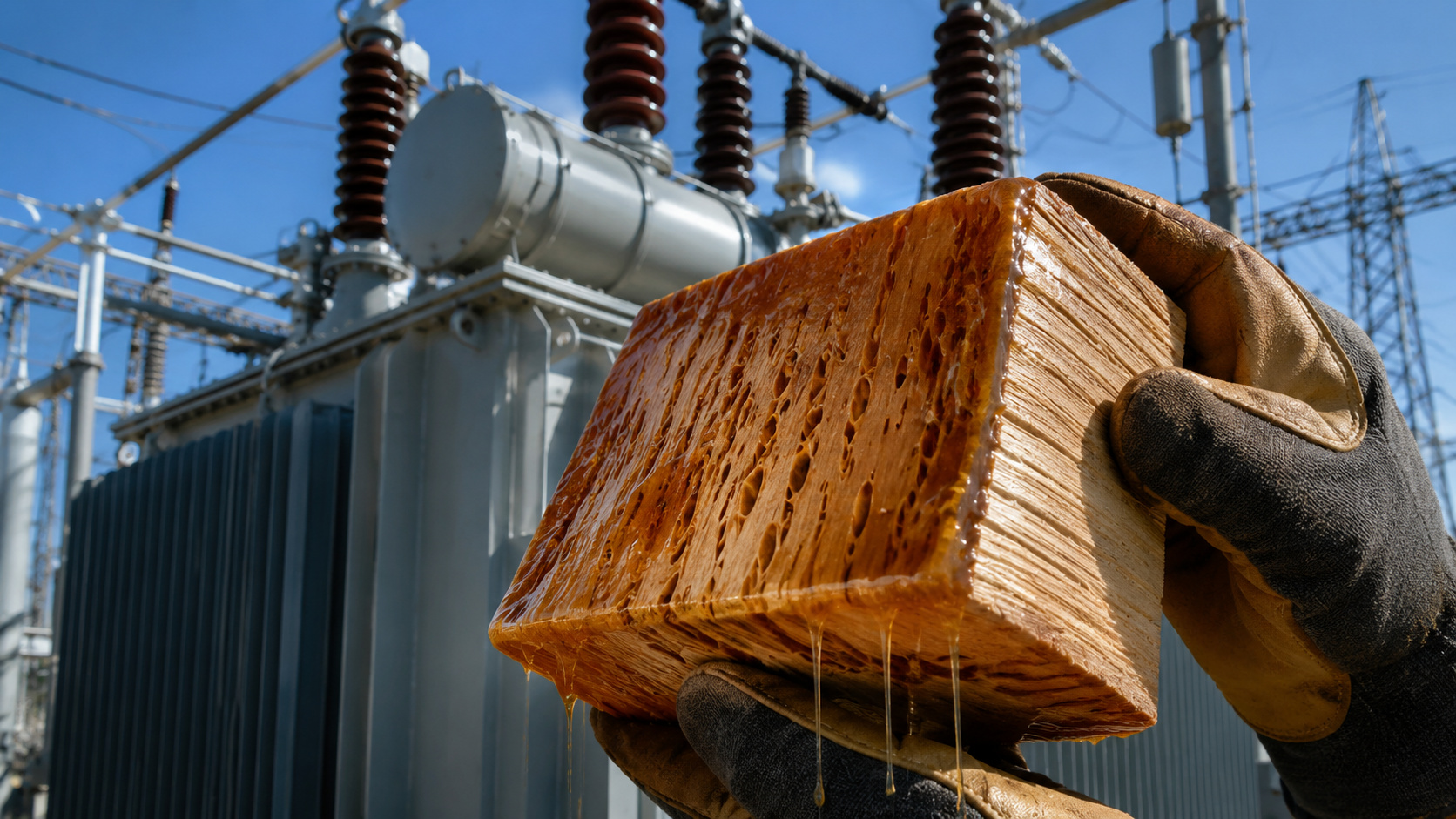
Wood has ceased to be just a construction material in Yale research and has become insulation for electrical transformers that face intense heat, aging, and increasing pressure from the renewable energy-powered grid.
-
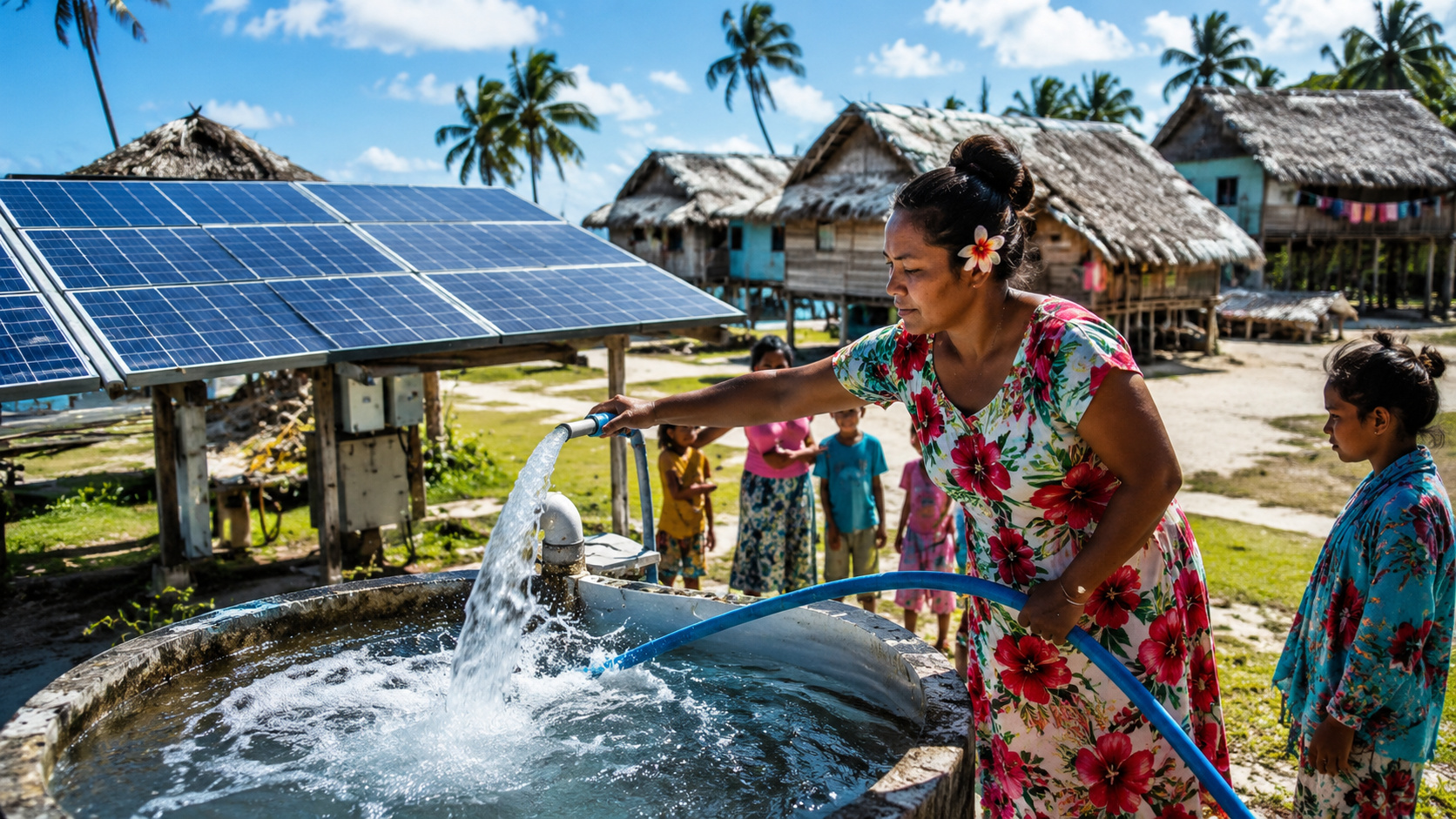
More than 1,000 residents of a remote island in Kiribati now have clean water and electricity with solar systems operated by the community itself.
-
Ceará brings together 7 giants and R$ 66 billion to transform Pecém into the largest green hydrogen hub in Brazil, with final decisions expected by the end of 2026.

How Can Renewable Energy Help Achieve Net-Zero Emissions by 2050?
According to Petteri Taalas, Secretary-General of the WMO, about three-quarters of global greenhouse gas emissions are produced by the energy industry. To thrive in the 21st century, it is essential to transition to renewable energy types, such as solar and wind. In addition to improving energy efficiency, these sources drastically reduce emissions of pollutants, like CO2.
The organization’s leader emphasized that achieving net carbon neutrality by 2050 is a goal that can only be reached if the supply of low-emission energy is doubled in the next eight years. The global energy system must undergo a comprehensive overhaul to address the challenges posed by changing climate patterns and the environment.
What Is Zero Carbon Emission and Why Is It So Important for the World to Reach This Goal As Soon As Possible?
In short, the condition of having zero emissions is when the amount of greenhouse gases released into the atmosphere equals the amount of greenhouse gases removed from the environment. Reduction, compensation, and elimination of carbon are the three necessary steps to achieving zero emissions.
As climate change is a widespread problem that is worsening every day, most scientists believe the best approach to address it is to minimize global warming. Achieving zero carbon emissions is vital for the future of the planet, and using renewable energy sources is one way to reduce the emissions of these gases.