





 Portuguese
  English
  Spanish
  5 min of reading
  0 comments



Brazil expands market opening abroad with advancement of negotiations and audits in Cuba, Ethiopia, Peru, and the Philippines, freeing space for fruits, meats, seeds, inputs, and other agricultural products in strategic regions of Latin America, Africa, and Asia
Brazil has registered new advances in opening markets for agricultural products in negotiations and missions involving Cuba, Ethiopia, Peru, and the Philippines. The initiatives expand access for Brazilian items abroad and reinforce the commercial expansion strategy based on sanitary requirements, diplomatic articulation, and diversification of the export agenda.
The opened fronts include everything from fresh fruits to animal proteins, seeds, and inputs used in animal feed. Common to these movements is the country’s attempt to consolidate the presence of Brazilian agribusiness in strategic markets and expand export opportunities for different production chains.
Cuban audit evaluates entry of Brazilian fruits
One of the ongoing actions is the international audit conducted by the National Plant Protection Organization of Cuba to assess the conditions for opening the Cuban market to the import of Brazilian fruits. The mission has been accompanied by the Ministry of Agriculture and Livestock since the beginning of the week.
-
At least two ships loaded with fertilizers for Brazil are stranded in the Strait of Hormuz amid the conflict with Iran, and Brazilian importers still do not know when the shipments will arrive.

-
Brazilian agribusiness found in China more than just a giant buyer: it was US$ 55.3 billion in 2025.

-
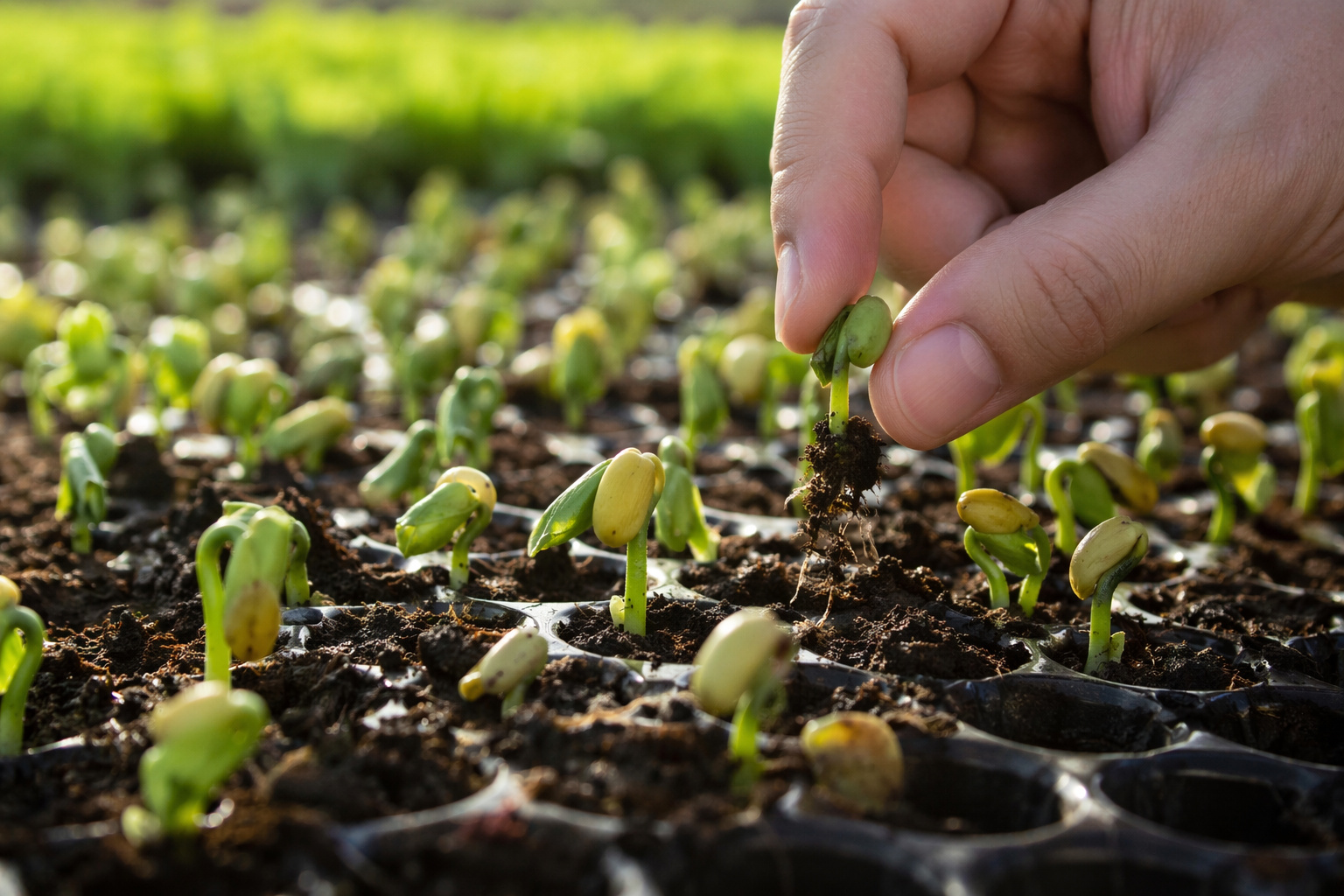
Brazilian nanotechnology surprises by transforming soybean seeds into intelligent structures that accelerate germination and may change the future of agricultural productivity in the country.
-
Brazil reaches historic record of judicial recoveries in 2025, with 2,466 companies in crisis and agribusiness leading the financial collapse.

In Brazil, the agenda is coordinated by the Department of Plant Health and Agricultural Inputs, of the Secretary of Agricultural Defense. On Monday, the 6th, auditors from the Ministry of Agriculture and representatives from the Agricultural Defense Directorate of the State of São Paulo participated in one of the stages of the program.
During this phase, the measures adopted to ensure that Tahiti lime and oranges meet the phytosanitary requirements demanded by Cuba were presented. Agronomists responsible for state certification programs for export and citrus health also participated.
Technical visits in São Paulo highlight traceability and sanitary control
The Cuban representatives visited production and consolidation units in the municipalities of Santa Adélia and Matão, in the interior of São Paulo. During these visits, they learned about the traceability systems, the phytosanitary measures adopted, and the procedures provided for in Brazilian legislation to ensure the health of São Paulo’s citrus industry.
The participation of São Paulo in the audit focused on technically presenting the actions that support the state as the largest citrus park in the world. The mission was also seen as an opportunity to show interested countries the robustness of the national phytosanitary system.
The structure presented by Brazil sought to highlight the capacity to meet international requirements, especially on issues related to pest mitigation and absence. The head of the Special Export Programs Division, Samuth Duarte Alves Pereira, stated that the country has a consolidated system based on monitoring, official control, and traceability, capable of ensuring the safety of exports and expanding access to new markets.
In addition to São Paulo, the Cuban mission will also visit productive areas in the São Francisco Valley and in Vacaria, in Rio Grande do Sul, to learn about grape and apple production systems. The program will conclude with a meeting between the Cuban auditors and representatives from the Ministry of Agriculture, where the results of the audit and the next steps for opening the market will be discussed.
Ethiopia opens space for animal proteins and livestock products
On another front, the Brazilian government has concluded negotiations with Ethiopia that will allow the export of several products related to the animal protein segment. The list includes beef, pork, and poultry, as well as their respective meat products and offal.
The package also includes pet food, dairy products, wild and farmed fish, non-animal origin animal feed products, flavor enhancers, fingerlings, fertile eggs, live cattle for slaughter, fattening, and reproduction, semen and embryos from goats and sheep, as well as day-old chicks.
The opening expands the presence of Brazilian agribusiness in a market considered strategic in the Horn of Africa and strengthens agricultural relations between the two countries. The movement comes after the establishment of an agricultural attaché in Ethiopia in 2025.
With this result, Brazilian agribusiness has achieved 574 market openings since the beginning of 2023. The advancement was attributed to the coordinated action of the Ministry of Agriculture and Livestock and the Ministry of Foreign Affairs.
Peru approves Brazilian pepper seeds
The Brazilian government has also concluded negotiations that will allow the export of new agricultural products to Peru. In the Peruvian market, approval was granted for the entry of pepper seeds of the species capsicum baccatum.
This group includes varieties such as dedo-de-moça, cumari pepper, and cambuci. The opening expands Brazil’s presence in a relevant trading partner for the agricultural sector.
In 2025, Brazil exported over $729 million in agricultural products to Peru. Among the main items sent to the country are forest products, chicken meat, soybean oil, and coffee.
Philippines authorize import of DDG from Brazil
In the Philippines, the market opening includes the export of dried distillers grains from corn, known by the acronym DDG. The product is widely used in animal feed and will now be part of the Brazilian agenda with access to the Philippine market.
The existing trade volume between the two countries reinforces the importance of this advancement. In 2025, the Philippines imported over $1.8 billion in Brazilian agricultural products.
With the announcements involving Peru and the Philippines, Brazilian agribusiness has reached 557 market openings since the beginning of 2023. As with other recent negotiations, the result was credited to the joint work between the Ministry of Agriculture and Livestock and the Ministry of Foreign Affairs.
Strategy combines sanitation, diplomacy, and diversification
The advances show complementary strategies of Brazilian action abroad. In Cuba, the focus is on the technical and sanitary validation of the production of fruits, with audits and visits to production units. In Ethiopia, Peru, and the Philippines, the emphasis is on concluding negotiations that allow the entry of new products.
The set of these actions also highlights the diversity of the country’s export agenda. Citrus fruits, grapes, apples, meats, dairy products, fish, pepper seeds, and inputs for animal feed appear among the items reached by the new commercial fronts.
Overall, the movements reinforce the expansion of the international presence of Brazilian agribusiness through bilateral negotiations, technical missions, and diplomatic articulation. The result is the opening of new spaces for export in different regions, focusing on strengthening the commercial sector.









Seja o primeiro a reagir!