





 Portuguese
  English
  Spanish
  3 min of reading
  0 comments


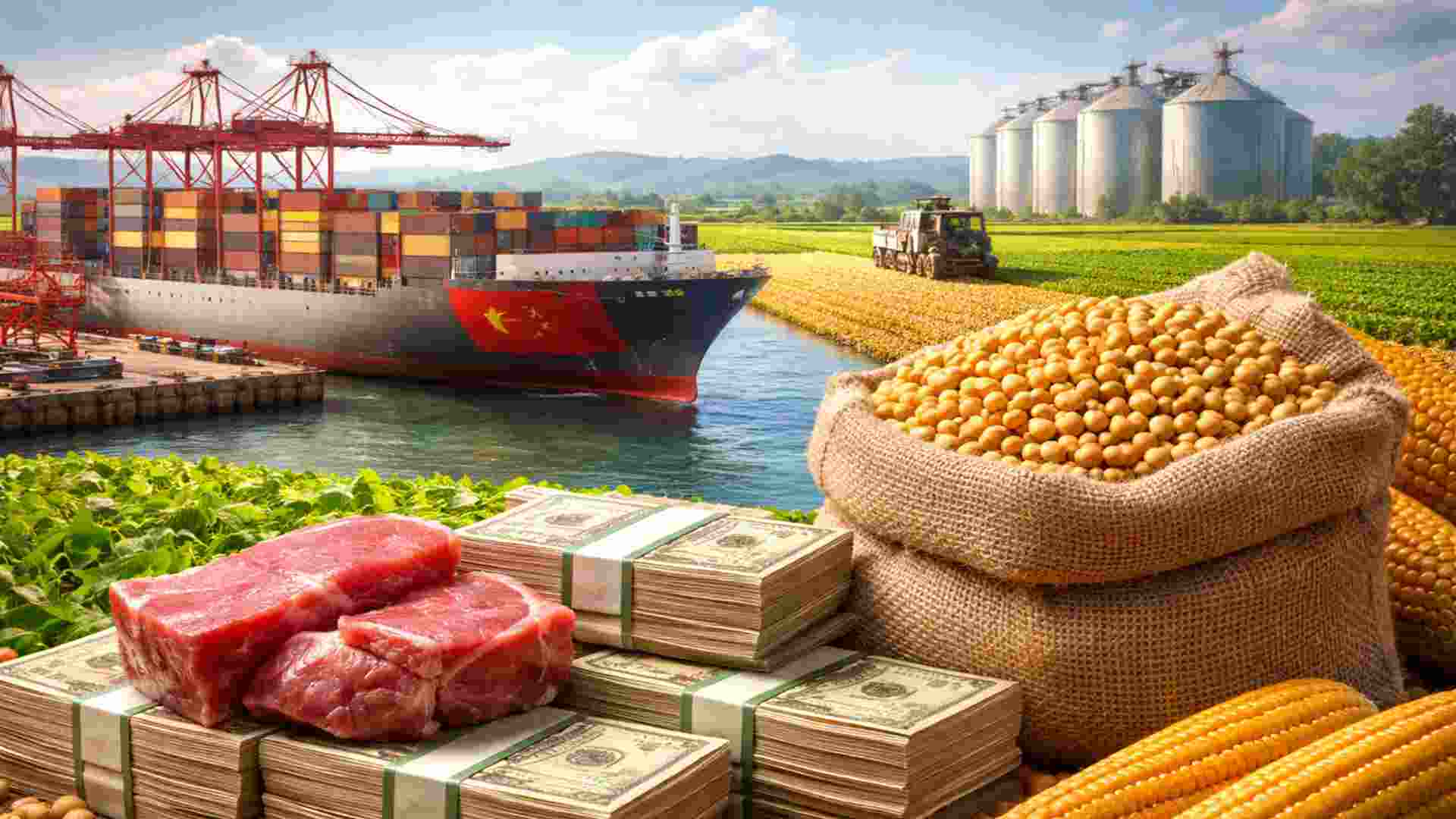
With US$ 55.3 billion in purchases and an increase of 11.3% in one year, China strengthened its position as the main engine of Brazilian agriculture in 2025, helped to lead the sector to a record US$ 169.2 billion in exports, and opened space for new products beyond traditional commodities
The Brazilian agriculture reached a new level in exports to China in 2025, in a move that reinforced the centrality of the Asian market for the sector and helped lead the national agribusiness to a historic result. Sales to the country grew by 11.3% in value compared to 2024, with an absolute variation of US$ 5.62 billion, the largest increase among all buyers.
Brazilian agribusiness exports totaled US$ 169.2 billion in 2025, an increase of 3% compared to the previous year. With this performance, the sector accounted for 48.5% of all that Brazil exported during the period, consolidating a record year for external trade in agriculture.
China leads purchases and expands weight in Brazilian agriculture
China was the clear leader among the destinations for Brazilian agriculture, with US$ 55.3 billion in purchases and a 32.7% share of sector exports. Following was the European Union, with US$ 25.2 billion and 14.9% of the total, a volume less than half of that absorbed by the Chinese market.
-
Brazilian nanotechnology surprises by transforming soybean seeds into intelligent structures that accelerate germination and may change the future of agricultural productivity in the country.
-
Brazil reaches historic record of judicial recoveries in 2025, with 2,466 companies in crisis and agribusiness leading the financial collapse.

-
From 13 borrowed cows to millions of liters per year: Argentine producer transforms small beginnings into an empire with technology, management, and high productivity of cows.

-
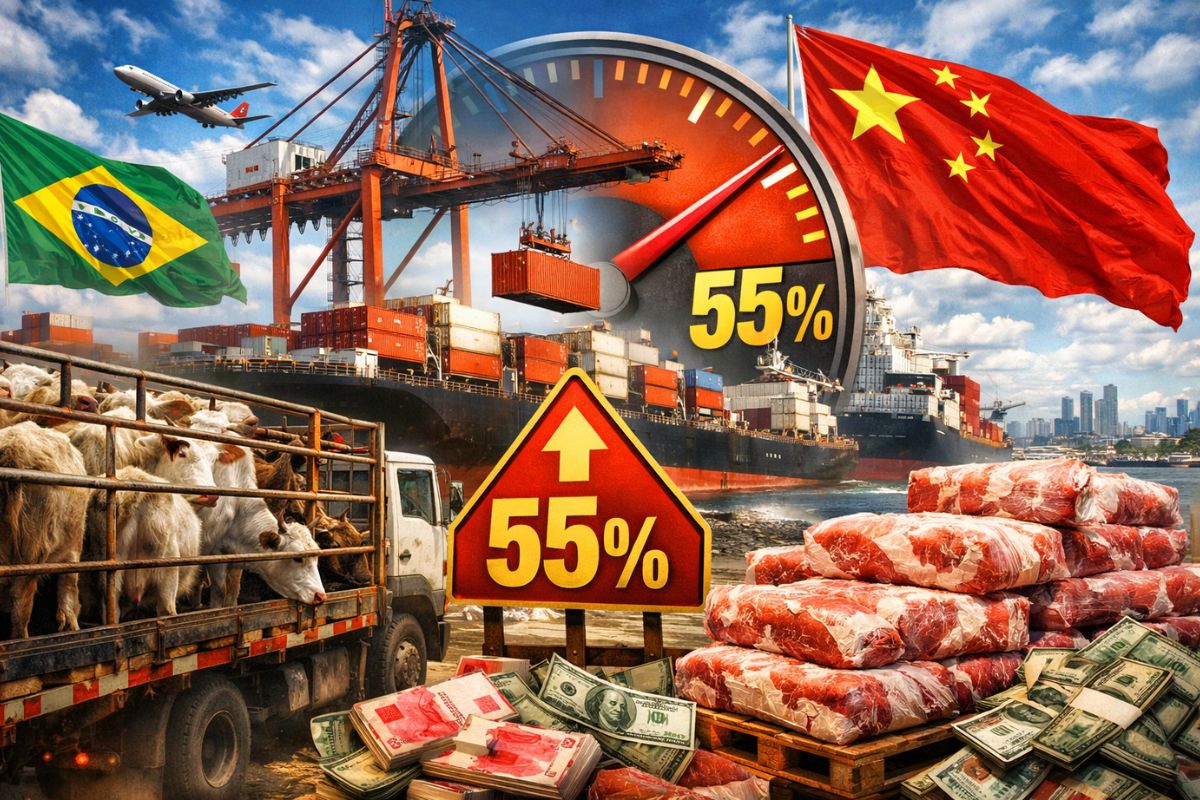
In just two months, Brazil exported 372 thousand tons of beef to China, and now the sector is racing against time before the quota of 1.1 million tons runs out and a 55% tariff comes into effect, changing everything.
The result reinforced a significant trade relationship for Brazilian agriculture, primarily supported by soybeans, beef, and cellulose. At the same time, the export agenda began to incorporate more specialized items with higher added value, expanding the reach of shipments to the Asian market.
DDGS opens new export front for China
One of the recent milestones of this diversification was the shipment of DDGS, a co-product generated in the production of corn ethanol and used in animal feed. The first Brazilian loads arrived in China in early April, after being shipped from the Port of Imbituba, in Santa Catarina.
The ship transported 62 thousand tons of the product to the port of Nansha, in Guangzhou, southern China. The opening of this market, realized in May 2025, was the result of long sanitary negotiations and the efforts of the productive sector, with support from the National Corn Ethanol Union, Unem.
Brazil’s entry into this segment also changed a scenario where the United States dominated the supply of DDGS to the Chinese market.
As a result, Brazilian agriculture began to occupy a relevant space in a trade of agricultural inputs that had been predominantly supplied by another international competitor.
New products reinforce diversification of Brazilian agriculture
Another recent advancement occurred with poultry by-product meal, an input widely used in animal nutrition. The first container of the product was sent to China after the opening of the Chinese market in April 2023, following demand presented by the Brazilian Association of Animal Recycling, Abra.
The shipment confirmed a commercial movement to utilize by-products of the national industry, transformed into new sources of revenue. The process brought together the productive sector and the Ministry of Agriculture and Livestock in initiatives aimed at expanding the export agenda.
The cases of DDGS and poultry by-product meal highlighted a growing pattern of action, where sector entities help to drive market openings. In 2025, the diversification of products increased exports of non-traditional items by about 15% and helped Brazilian agribusiness face challenges such as tariffs, cases of avian influenza, and the decline in international prices of some commodities.
As a result, Brazilian agriculture not only preserved the volume of sales to China but also expanded the variety of products sent to the Asian country. Each new item incorporated into the agenda consolidated a movement of commercial expansion with less dependence on traditional commodities and a broader presence in global trade.







Seja o primeiro a reagir!