





 Portuguese
  English
  Spanish
  4 min of reading
  0 comments


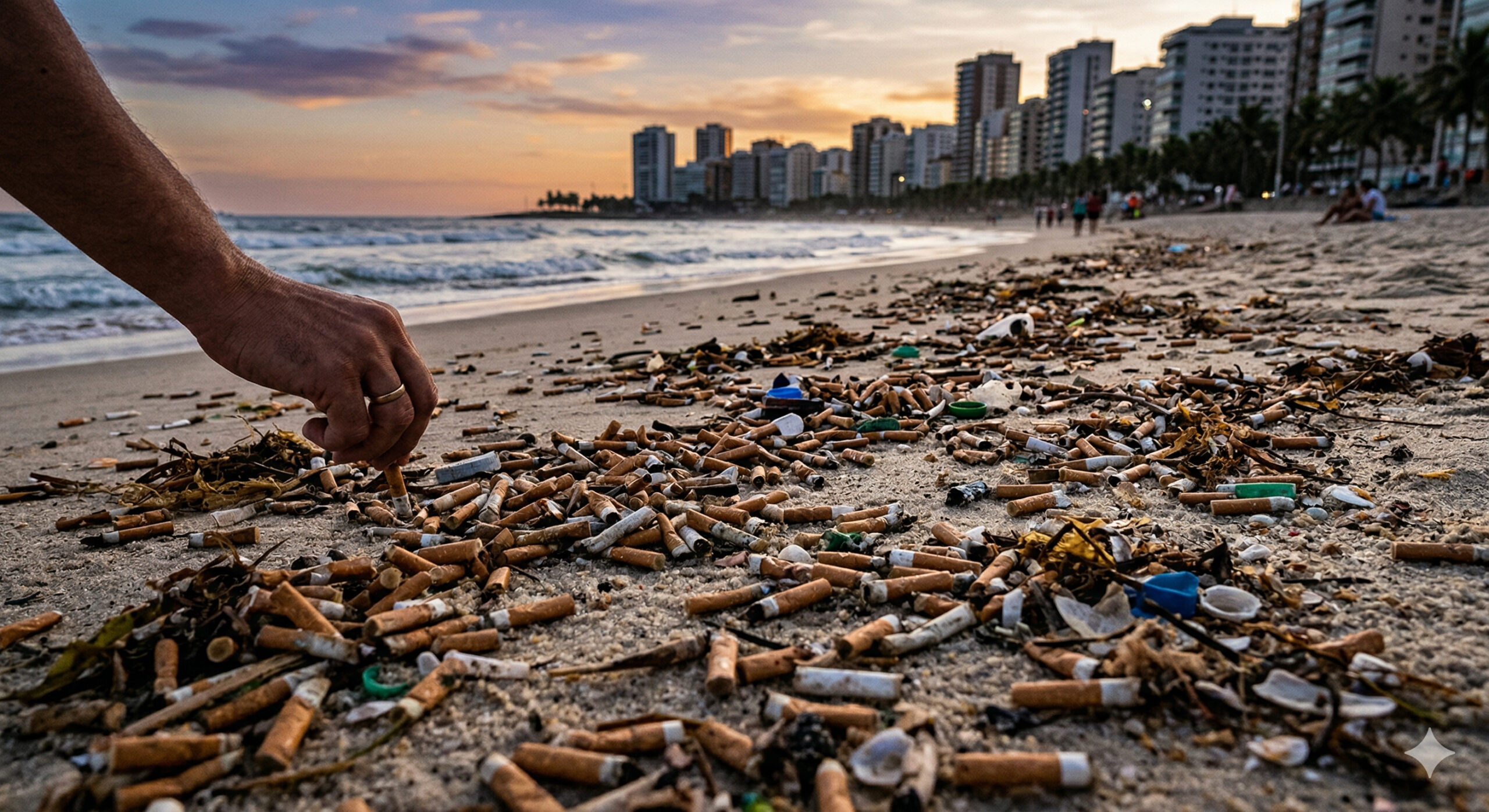
Cigarette butts place Brazilian beaches among the most polluted in the world, with levels up to 40 times above the global average.
In 2023, surveys analyzed by outlets such as CNN Brasil, based on international coastal monitoring data, indicated that Brazil ranks among the countries with the highest concentration of cigarette butts on beaches. According to a report from CNN Brasil, based on an international study with data from 55 countries, the density of waste on the Brazilian coast can reach up to 8.85 butts per square meter, a value considered extremely high.
The most striking data is that this concentration can be up to 40 times higher than the global average, which is around 0.24 butts per square meter. This level of pollution places several Brazilian beaches among the most contaminated in the world for this type of waste.
This scenario reveals an important change in the composition of coastal waste, where small residues, often ignored, begin to represent a dominant portion of the environmental problem, potentially accounting for more than half of the total waste in some analyzed locations.
-
2,000-Year-Old Machine Gun: Roman weapon found in Pompeii fires arrows at 109 m/s with an automatic gear mechanism, leaving perfect geometric patterns on the walls and proving its real use in the siege of 89 B.C.

-
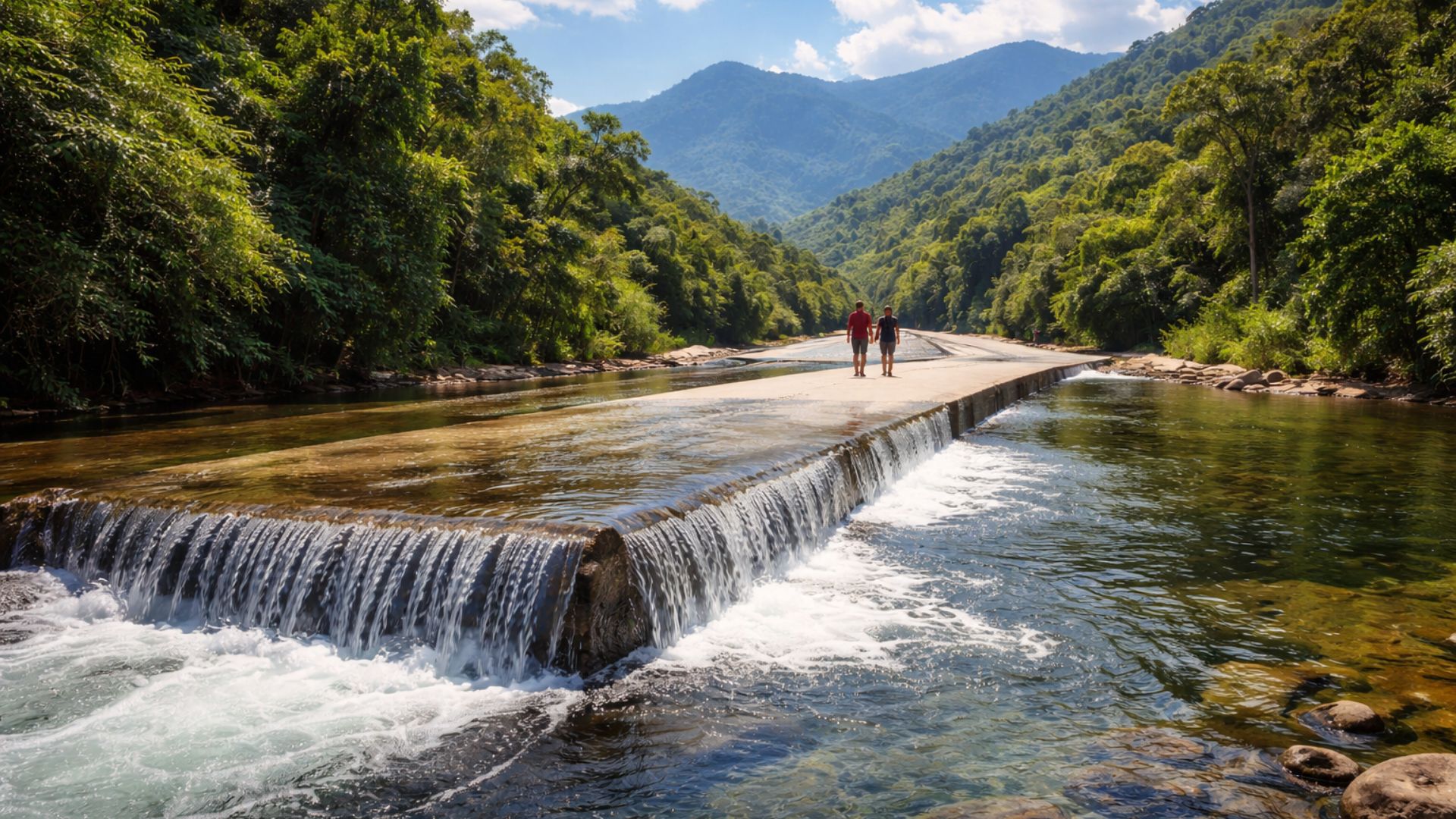
Petrobras builds inverted bridge and the project becomes a tourist attraction: unique structure allows the river to flow over the road and replaced precarious crossings.
-
Archaeologists find in Egypt mummies with tongues made of gold buried over 2,000 years ago, a rare discovery surprises researchers and reveals an unusual funerary practice.

-
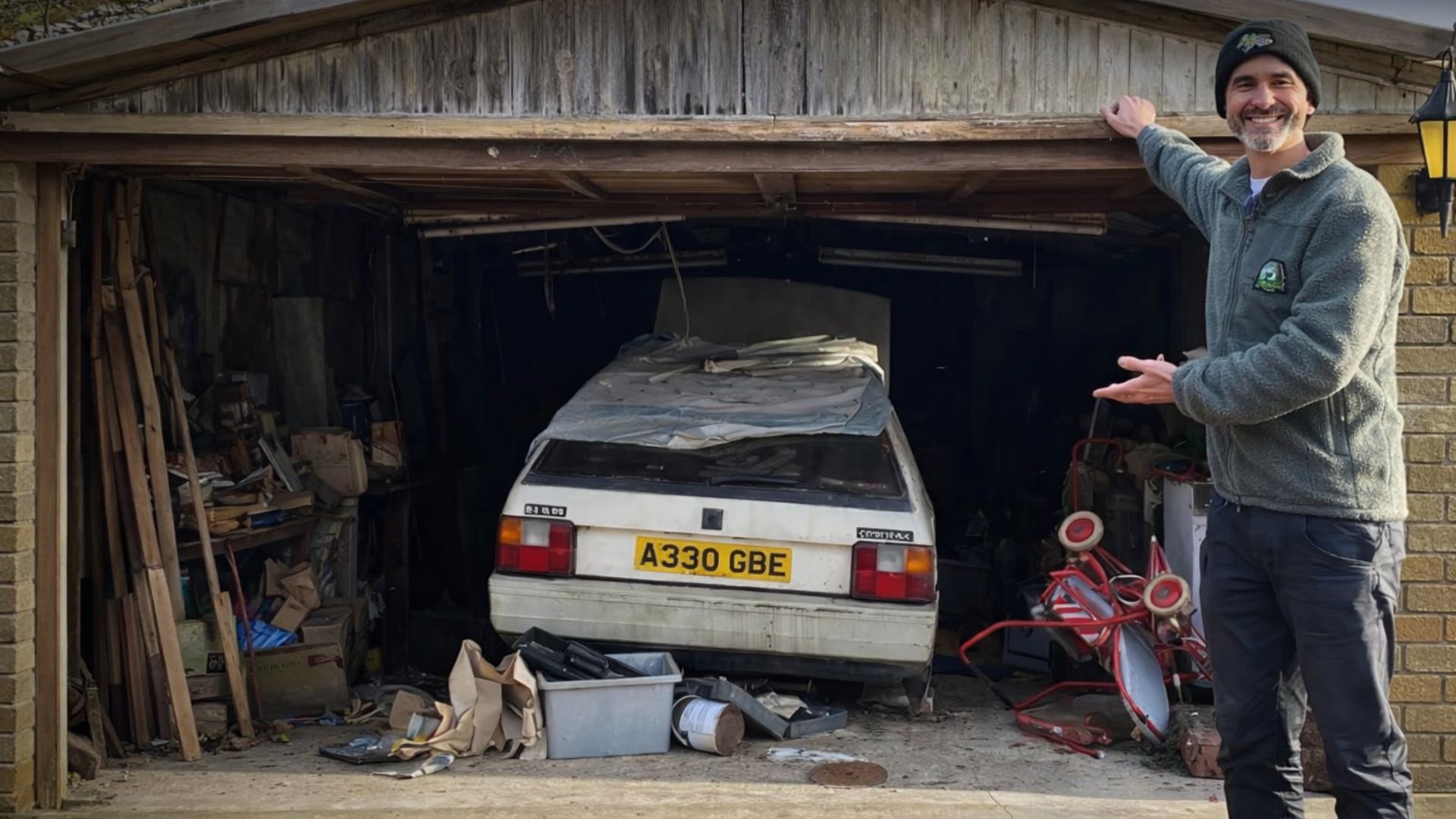
Man ‘forgets’ locked car for 38 years and now has a relic that few in the world possess.

Butts are already the most found item on various beaches in the country
Cigarette butts, although small, are now one of the most abundant wastes on Brazilian beaches. Surveys conducted during cleanup campaigns show that this material can represent the largest portion of the waste collected.


In some cases, the share of butts reaches almost 70% of the total waste found, surpassing larger plastics, packaging, and other types of debris. This significant volume turns discarded cigarettes into one of the main vectors of coastal pollution in the country.
The problem is exacerbated by the behavior of direct disposal on the sand or in urban areas near the coast, from where the waste is carried to the sea by rain and surface runoff.
Cigarette filters contain plastic and toxic substances
Contrary to what many believe, cigarette butts are not biodegradable. The filters are primarily made of cellulose acetate, a type of plastic that can take years to decompose.
During this process, the filters release chemical substances accumulated during the use of the cigarette, including heavy metals and toxic compounds.
These contaminants can seep into the soil and reach the marine environment, affecting living organisms and water quality. The combination of high quantity and slow degradation makes butts one of the most persistent wastes in coastal ecosystems.
Direct impact on marine fauna and coastal ecosystems
Butts pose a direct risk to marine fauna. Small organisms may ingest fragments of this waste, mistaking them for food.
Fish, birds, and invertebrates are among the affected animals, which may suffer from poisoning or digestive system blockage.
Moreover, the chemical compounds released by butts can alter water quality and compromise entire food chains.
This impact adds to other types of pollution already present in the oceans, increasing the pressure on coastal ecosystems.
Small size complicates collection and worsens the problem
One of the main challenges related to butts is their small size. Unlike bottles or packaging, this waste is difficult to detect and remove.
Even in cleanup actions, a large portion of butts remains in the sand, accumulating over time. This characteristic makes the problem less visible but more persistent, creating a continuous buildup of pollution. Additionally, the fragmentation of filters over time further complicates their removal.
Data analyzed in international reports indicate that Brazil holds a negative highlight in the global ranking of pollution by butts on beaches. The combination of high population density in coastal areas, intense tourism, and improper disposal contributes to this scenario.
The country ranks among those with the highest levels of this specific type of waste, highlighting a structural problem of management and awareness.
This positioning reinforces the need for public policies aimed at reducing and controlling this type of pollution.
Lack of proper disposal and environmental education amplifies impact
A large part of the problem is associated with disposal behavior. Butts are often thrown directly on the ground, without the use of appropriate containers.
In urban areas near the coast, this waste is transported by rain to drainage systems and, subsequently, to the sea.
The absence of adequate infrastructure and awareness campaigns contributes to the continuation of the problem. Even in places with trash bins available, improper disposal is still common.
Solutions include technology, legislation, and behavior change
Various initiatives have been discussed to tackle the problem. Among them are the development of biodegradable filters, awareness campaigns, and regulatory measures.
Some cities have already implemented specific programs for collecting butts, in addition to educational campaigns aimed at proper disposal.

However, the scale of the problem requires a combination of solutions involving technology, public policies, and behavior change. Reducing the consumption of disposable products and improving waste management are also relevant factors.
The massive presence of cigarette butts on Brazilian beaches reveals an environmental problem that, despite being discreet in appearance, has a significant impact. With levels that can be dozens of times higher than the global average, this waste turns the coastline into one of the areas most affected by persistent pollution.
The combination of high production, improper disposal, and slow degradation makes butts one of the main environmental challenges today, requiring coordinated responses to reduce their impact on coastal ecosystems.




Seja o primeiro a reagir!