Portuguese
 Spanish


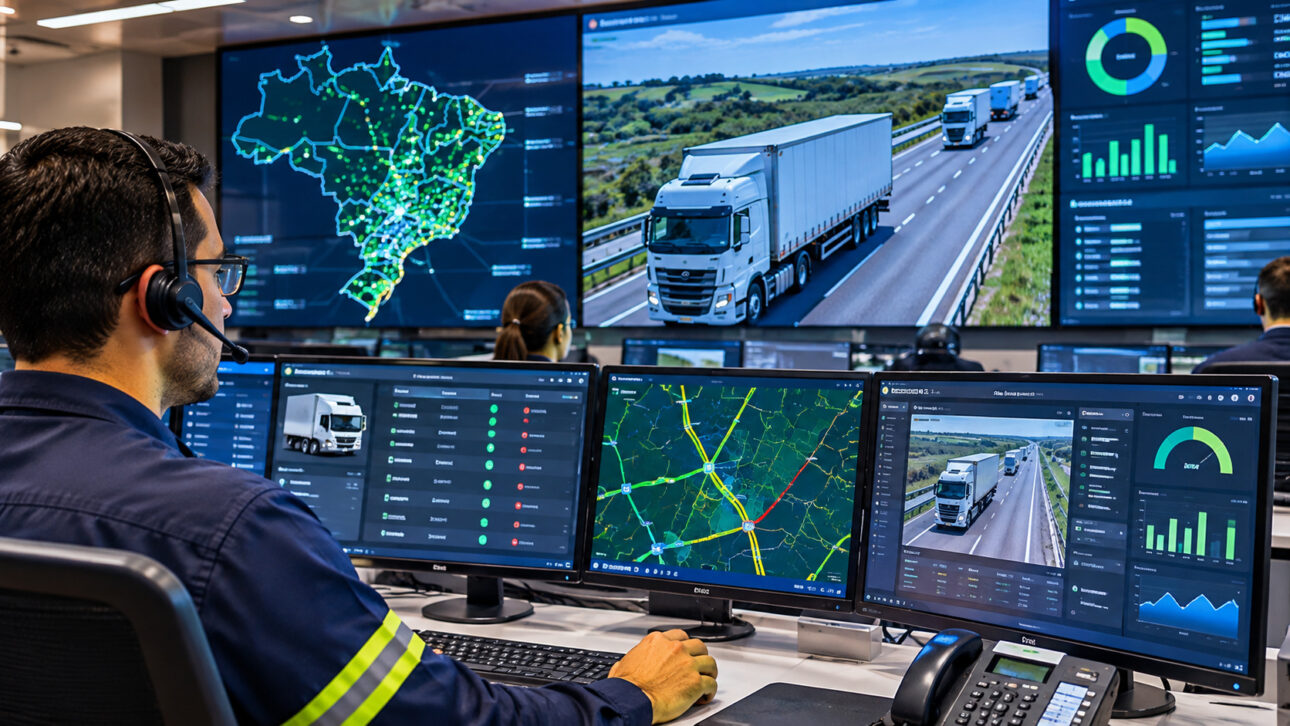

Atvos expands digital operations center to detect driver fatigue, combine camera and sensor data, and recommend stops to prevent accidents.
A truck hauls sugarcane as cameras and sensors monitor the driver’s behavior. If the equipment detects signs of fatigue, an artificial intelligence system could assess the alert and initiate communication to recommend a safe stop. This technology is already part of the logistics operations of Atvos, a Brazilian biofuels producer that has expanded its monitoring to cover an operation with more than 93,000 trips a month.
In a report published on November 19, 2026, Tecnologística said the company uses a control center called Torre IA Safety to bring together information from cameras, fatigue sensors, satellite tracking, and equipment installed in trucks. The project has two targets: effectively address 95% of identified alerts and achieve an average response time of up to 30 seconds in critical situations. Atvos itself introduced the initiative in October, and it drew renewed attention in the logistics industry in November.
Atvos expands safety monitoring to an operation with 93,000 trips a month
The company first began using artificial intelligence in ethanol transportation, an operation involving about 2,400 trips a month. It later expanded the technology to sugarcane transportation, which accounts for more than 93,000 trips a month.
-
Why a Newark ground stop can delay your flight before it leaves another city

-
China’s TMS-10 Enters Final Assembly for Supersonic Testing in 2026, Aiming for Mach 2, Low Sonic Boom, and Fast Beijing–Shanghai Flights in About 30 Minutes

-
China transforms jet into flying hospital with sterile surgical center, adaptable medical structure, and capacity to provide care to remote regions.

-
Brazil Welcomes Spanish Wamos Air and Nigerian Air Peace, Potentially Transforming International Routes and Increasing Competition



The new system monitors vehicles using information generated during trips. Data is sent to the digital control center, which identifies incidents and organizes alerts by risk level.
The technology was developed to support contract drivers and partner trucking companies. Atvos plans to use the information to guide safety decisions while transporting raw materials and products.
Cameras and sensors look for signs of driver fatigue
One of the main goals of Torre IA Safety is to identify situations that could impair a driver’s attention. These include signs of fatigue, a condition associated with tiredness and a reduced ability to react.
The trucks use cameras and sensors that record information relevant to safety. When a device detects a potentially concerning situation, the system generates an alert for review.
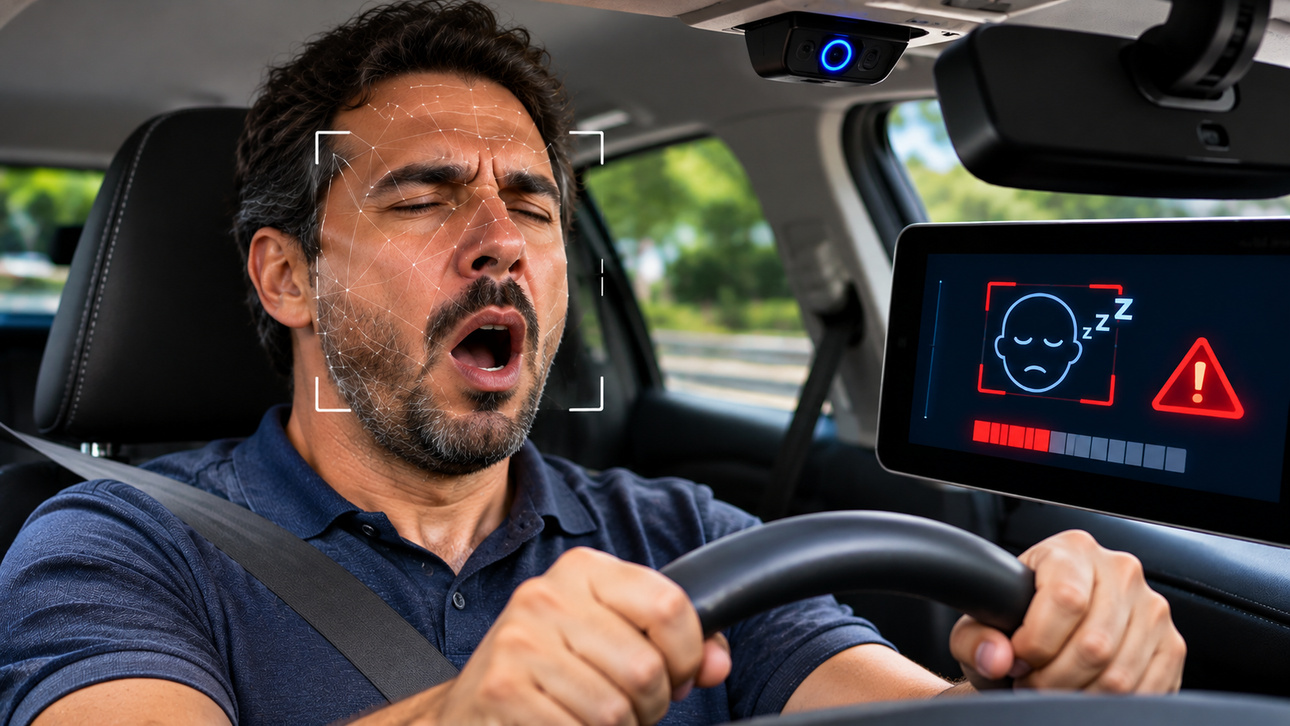
Artificial intelligence analyzes the incoming data and classifies the risk level. Depending on the incident, the control center may advise the driver or request support from the trucking company responsible for the vehicle.
The system is designed to act before a dangerous situation leads to an accident. However, the company has not disclosed a verified reduction in accidents attributable to the new tool.
Artificial intelligence could contact truck drivers directly
Torre IA Safety uses artificial intelligence agents to communicate with drivers. These systems can interpret alerts and talk with drivers by radio or phone, depending on the situation detected.
When a critical alert occurs, the tool activates the corresponding safety procedure. The truck driver may receive instructions while the carrier is notified of the incident.
Atvos said the automated communication was designed to resemble a human conversation. The goal is to reduce the time between identifying a risk and beginning to respond.
The steps taken depend on the type of alert recorded. The system does not eliminate the need for the teams responsible for the operation to assess the situation and take action.
System sets target of an average response time of up to 30 seconds
The company has set a target of an average of up to 30 seconds to contact drivers in critical situations. The clock measures the time to communicate the alert, not the time needed to resolve the entire incident.
The distinction matters because a fatigue-related situation may require the truck driver to find a suitable place to pull over. Stopping and resting do not necessarily happen within the first few seconds after contact.
The project also sets a target of effectively addressing 95% of deviations identified by artificial intelligence. This involves monitoring alerts and taking the measures specified in safety procedures.
Drivers may be told to pull over and rest
When the sensors detect signs of fatigue, the procedure calls for contacting the driver and advising them to pull over. The carrier may also be contacted to provide support during the incident.
The measure is intended to prevent drivers from continuing to drive in conditions considered dangerous. The system also records information that the teams responsible for safety can analyze.
Andréa Ramos, Atvos’s vice president of commercial and logistics, said the tool is intended for prevention and education. The goal, she said, is not to punish drivers, but to identify risks and recommend measures to protect people.
This monitoring may also help identify recurring situations on particular routes or in specific operations, making it possible to review procedures used by carriers.
Satellite tracking and vehicle data work together
Along with cameras and sensors, the digital control center brings together satellite tracking information. This feature makes it possible to monitor truck locations and link alerts to the trips being made.
Another component is telematics, a technology that collects data on how vehicles operate and move. This information helps provide insight into operating conditions without relying solely on accounts given afterward.

Bringing the data together allows the system to assess different signals before classifying an incident. Teams can use the records to investigate problems and improve safety procedures.
Support fleet could add 1.1 million trips a month
The technology is expected to expand beyond trucks transporting sugarcane and ethanol. The company also plans to gradually add vehicles used to support its operations.
This fleet accounts for approximately 1.1 million trips per month, according to figures presented by the company. Integration will make it possible to monitor other activities tied to the operation of its industrial facilities.
Expansion will proceed gradually as the systems are integrated. The 1.1 million trips therefore represent an operation planned for the next phase, not coverage that has already been confirmed across the entire fleet.
The company also plans to include transportation for workers between its facilities, extending the technology beyond cargo movement.
Next phase would cover light-vehicle fleet making 2.6 million trips a month
Another planned phase covers the light vehicles used in Atvos operations. This fleet makes approximately 2.6 million trips per month, more than the number recorded for sugarcane and ethanol transportation.
Integration will allow monitoring procedures to be applied to different types of travel. Equipment and alerts will need to be adapted to the characteristics of each operation.
The company has eight operating units and plans to expand monitoring of transportation associated with these facilities. Expansion is expected to follow the implementation of the necessary systems and procedures.
Technology to be used in logistics at one of the leading biofuel producers
Atvos produces ethanol, sugar and energy from sugarcane. Its operations depend on the continuous transportation of raw materials from agricultural areas to industrial facilities.
This work involves heavy truck traffic, especially during harvest and processing periods. Trip scheduling affects the supply of feedstock to mills and the operation of industrial production lines.
Digital monitoring could help the company identify risks without unnecessarily disrupting the flow of cargo. The tool’s effectiveness, however, will depend on the quality of its alerts and the actions taken after each incident.
Atvos also plans to use the records to improve coordination among partner trucking companies and the teams responsible for logistics.