Portuguese
 Spanish


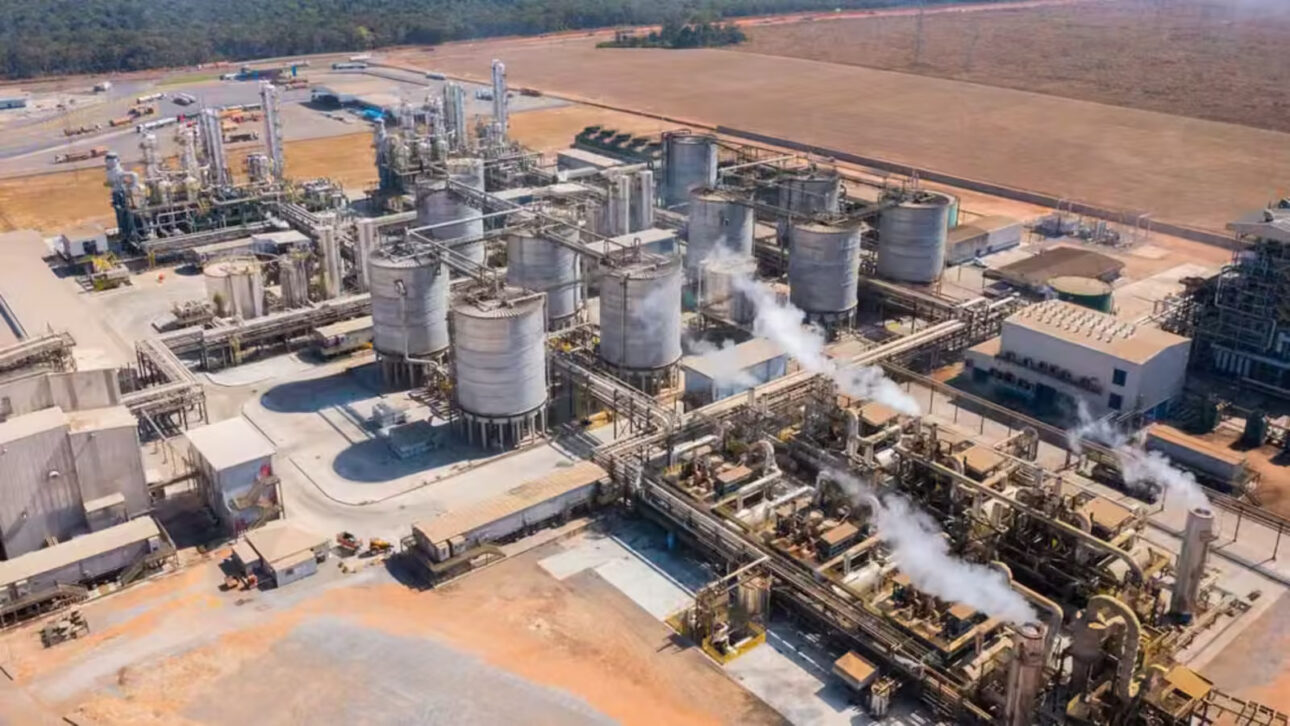

Biofuel and solar power expansion transformed the state’s energy mix, while a Federal University of Mato Grosso study identified 48,100 kilometers of power lines that could be upgraded to meet rising demand
One Brazilian state is emerging as a leader in biofuels and renewable energy. Mato Grosso increased its primary energy production 4.2-fold from 2015 to 2024, began generating more electricity than it consumes, and expanded biofuel production. However, studies by the Federal University of Mato Grosso identified problems with electricity distribution and found 48,100 kilometers of power lines with potential for modernization.

Corn ethanol is changing the state’s energy production
The expansion of the biofuel industry has changed Mato Grosso’s energy profile. According to the Mato Grosso State and Mesoregions Energy Balance (BEEMT 2025), primary energy production grew 4.2-fold from 2015 to 2024.
-

-
-
-


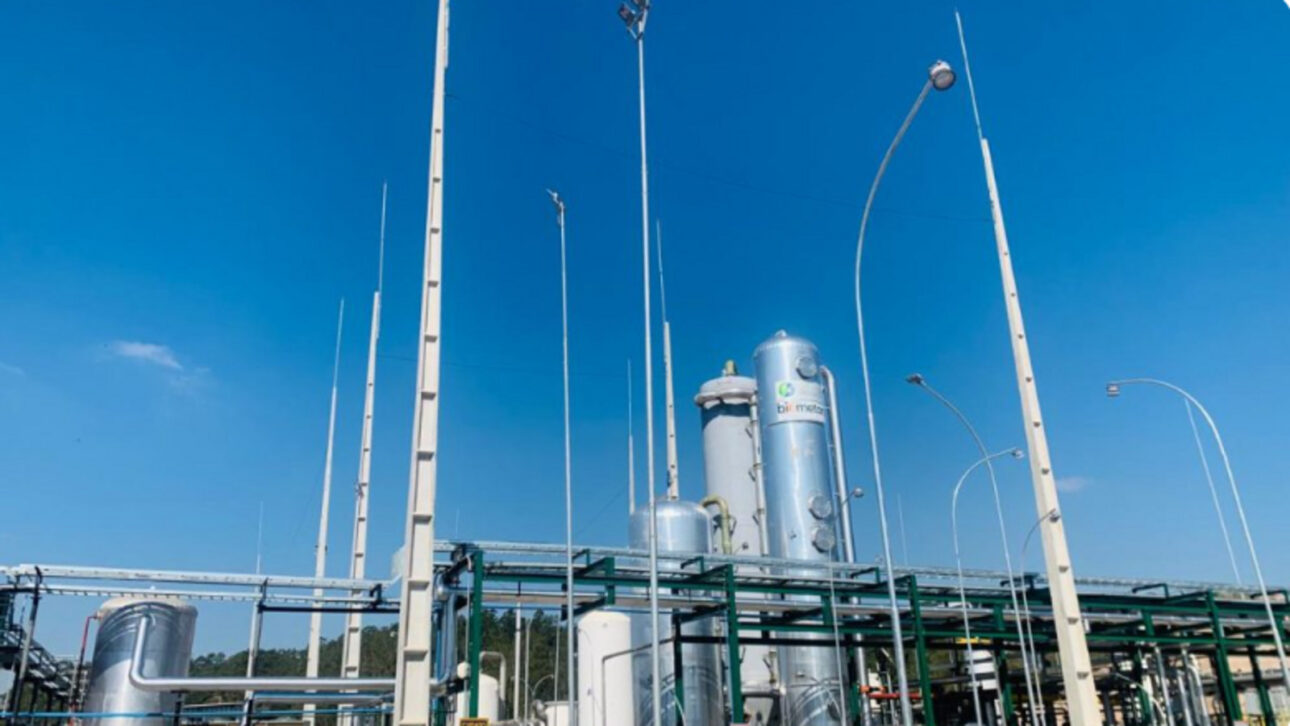
Over the same period, state energy consumption rose by an average of 8% a year. The findings were presented by the Mato Grosso State Secretariat for Economic Development (Sedec-MT) at a workshop held in Cuiabá on November 25.
Corn is the standout. Data presented by Sedec-MT show that processing the grain is one of the main drivers of this transformation.
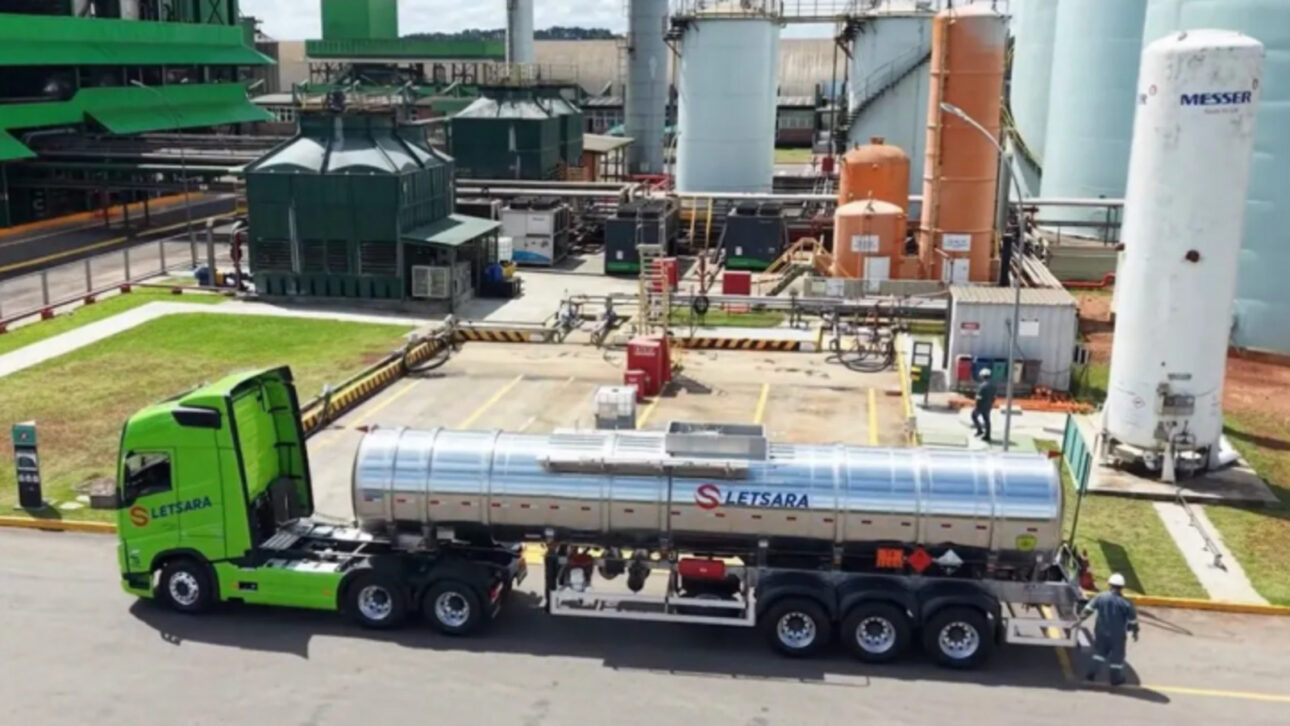
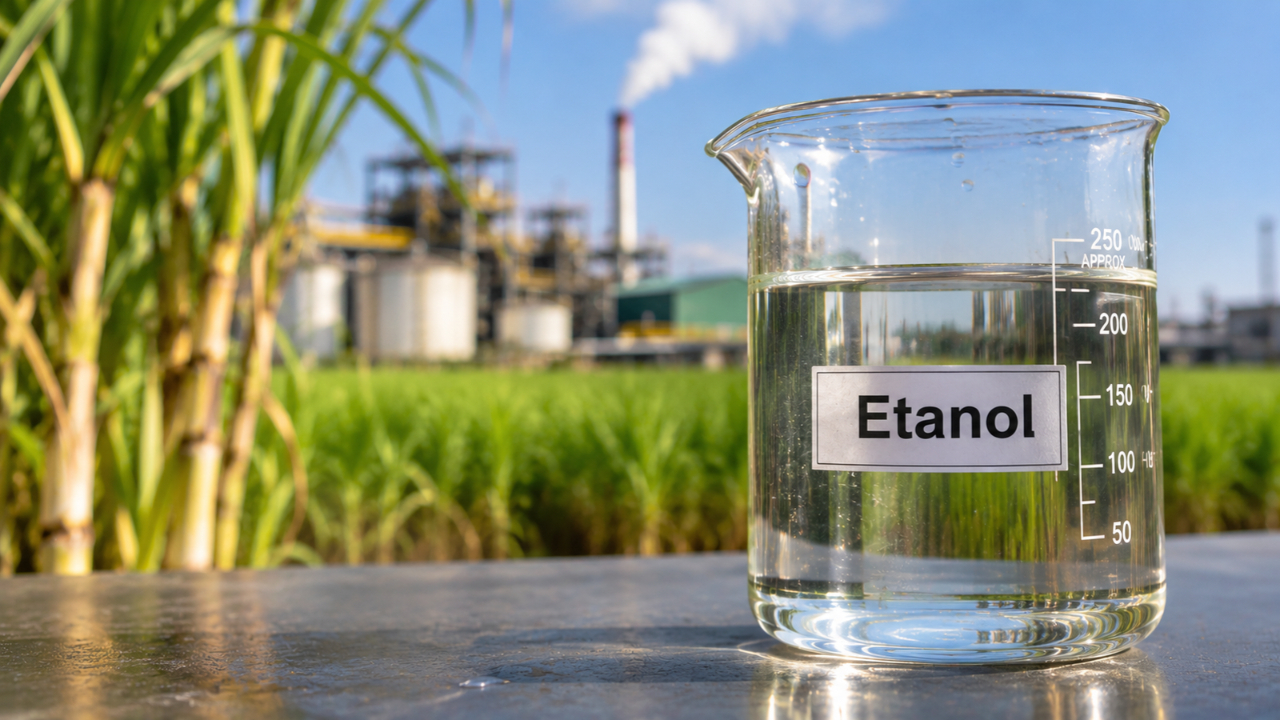
Ethanol accounted for 45.4% of all secondary energy production in the state in 2024. This category includes energy products made by converting primary sources, such as fuels and electricity.
The growth of biofuels has also changed the state’s position in the energy market. Mato Grosso has shifted from being an energy consumer to an exporter, importing fossil fuels while selling renewable fuels, bioenergy, and hydroelectricity.
Significant growth: Solar power output rises 103-fold in six years
Another striking figure concerns electricity generation. In 2024, Mato Grosso produced 78% more electricity than it consumed, expanding its generating capacity.
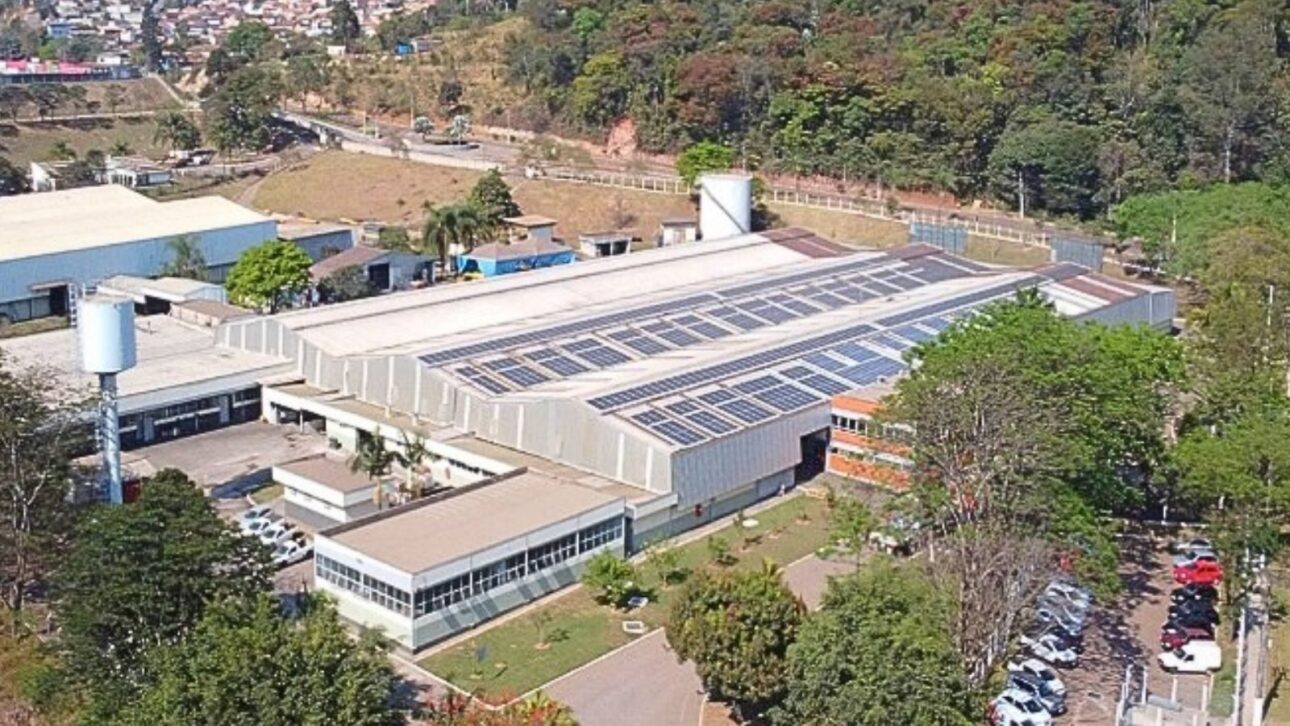
Solar photovoltaic power also grew rapidly. Between 2018 and 2024, its output increased 103-fold, according to a report prepared by the Federal University of Mato Grosso (UFMT).
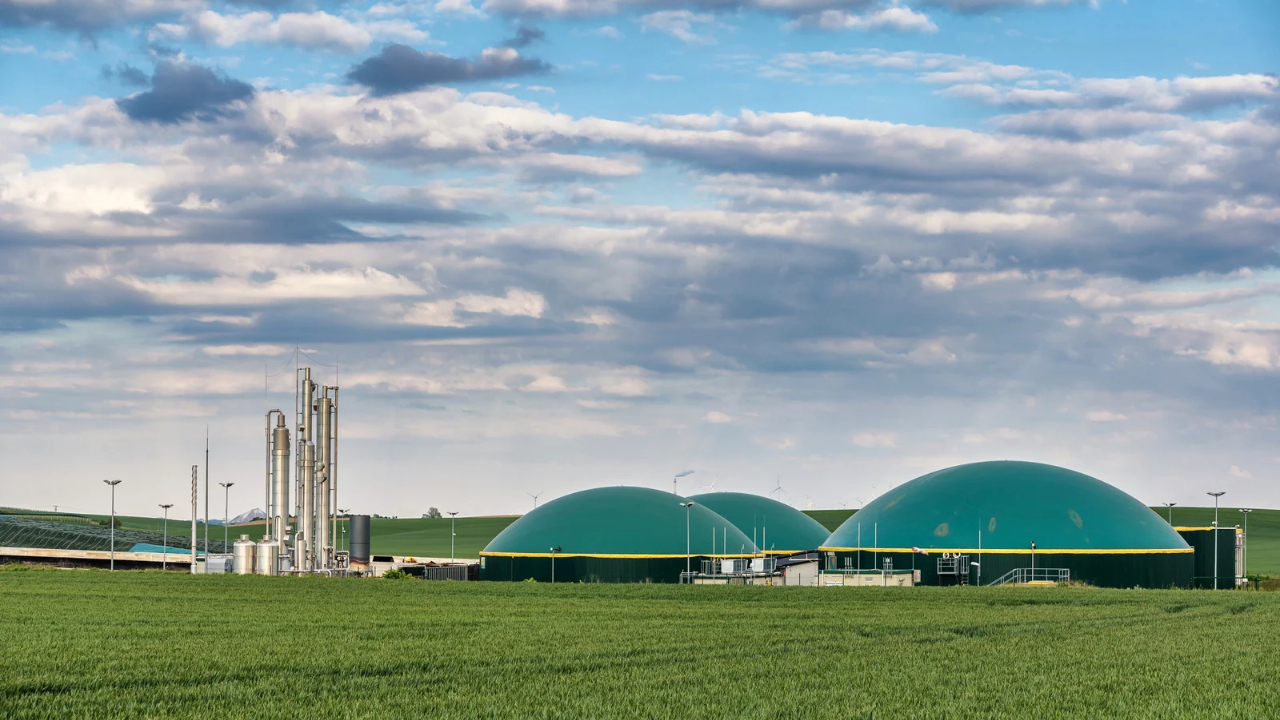
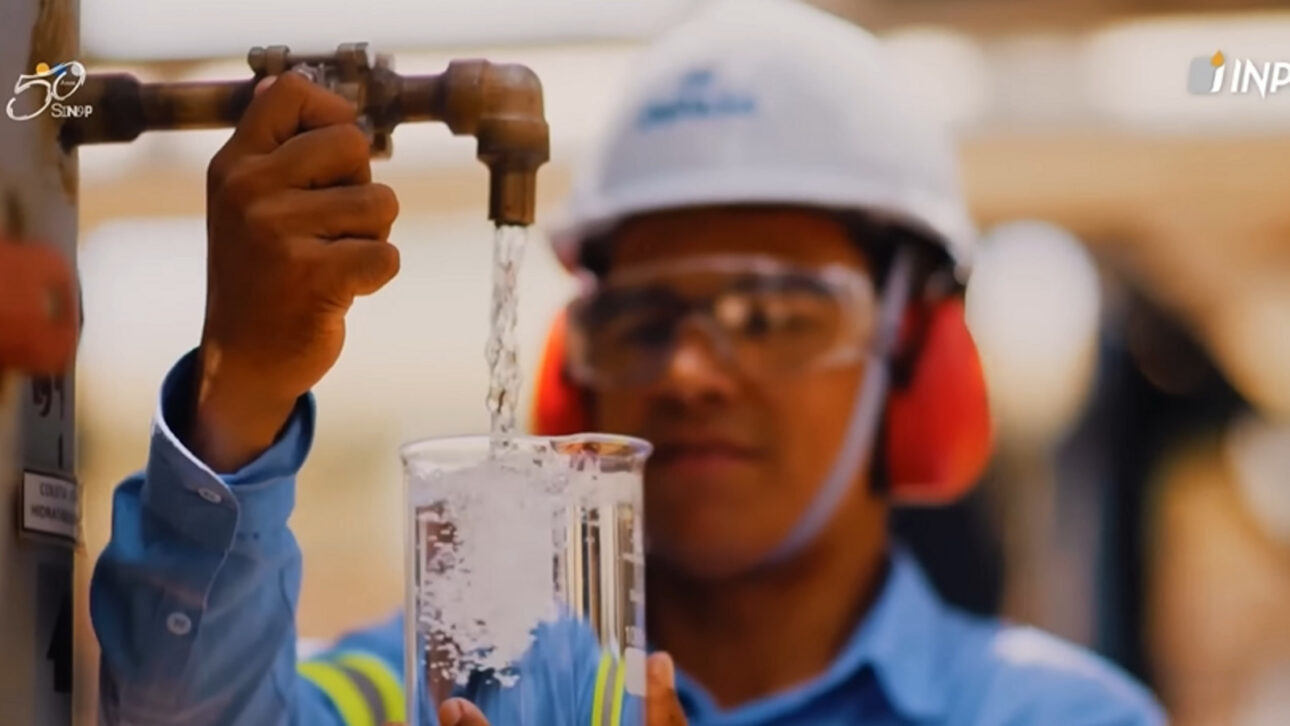
The study also identified the potential to produce biomethane from agricultural and agro-industrial waste. The estimated volume is equivalent to approximately 3 billion liters of diesel per year.
Biomethane is a renewable fuel produced by purifying biogas, which can be generated as organic waste decomposes. Its potential puts waste from agricultural activity among the resources analyzed by the researchers.
Nearly 70% of distribution lines are single-phase
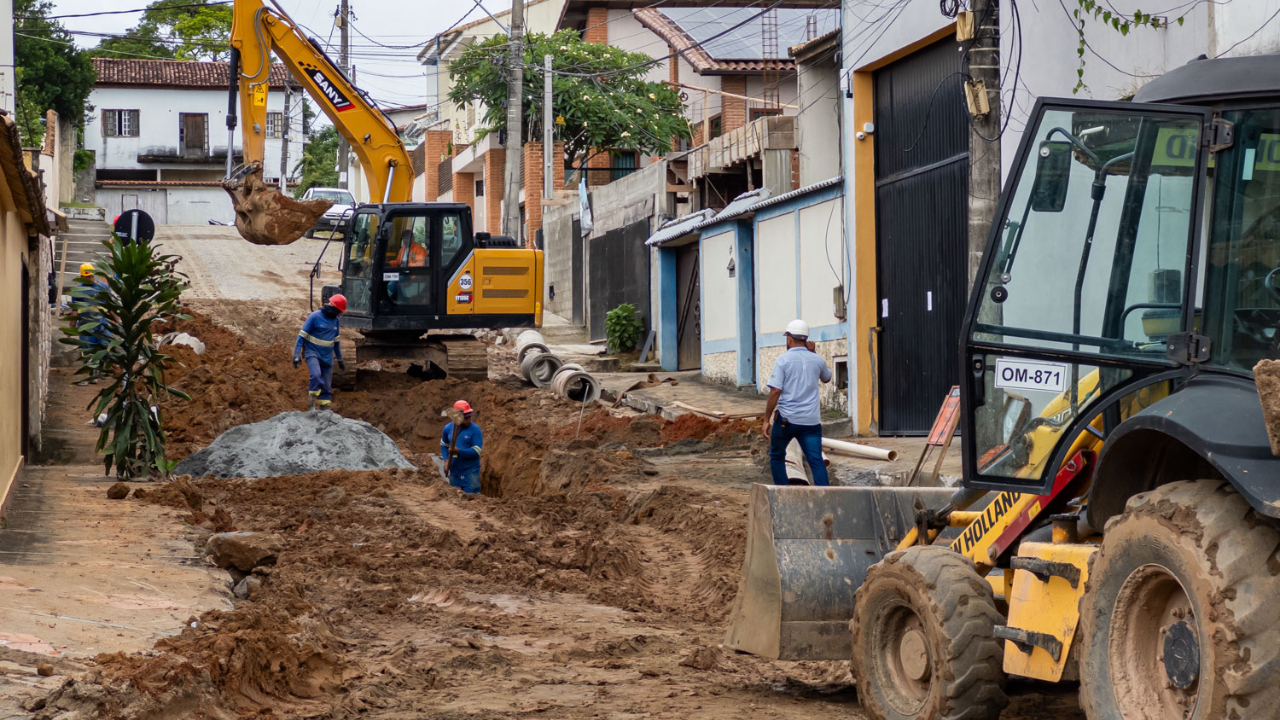
While generation is growing, the infrastructure that delivers electricity to consumers has limitations. A second UFMT study examined the 88 electrical service areas that make up Energisa’s distribution system in Mato Grosso.
The researchers also conducted 21 power-quality measurement campaigns across the state’s five mesoregions. Problems identified included frequent outages, voltage fluctuations and delays in restoring service.
The survey found that nearly 70% of the 204,500 kilometers of medium-voltage distribution lines are single-phase. This type of line uses one electrical phase and can have limitations in meeting certain power demands.
Of the total analyzed, 48,100 kilometers have the technical potential to be converted to a three-phase system, which uses three phases and can serve larger electrical loads.
MT Trifásico program targets 5,000 kilometers of lines by 2030
The assessment could guide investments under the MT Trifásico program, which aims to install at least 5,000 kilometers of three-phase lines in rural areas by 2030.
Another tool presented by UFMT was the Analytical Electrogeographic Map (MEA). The digital platform lets users view substation capacity, locate areas with supply problems and identify places where investment is needed.
The assessments will also help track Energisa’s expansion plan. The company is the utility responsible for electricity distribution in the state.
The company expects to invest R$8.01 billion from 2026 through 2029. The technical data could help the state government monitor the upgrades and identify areas where the electric power infrastructure needs reinforcement.