Portuguese
 Spanish


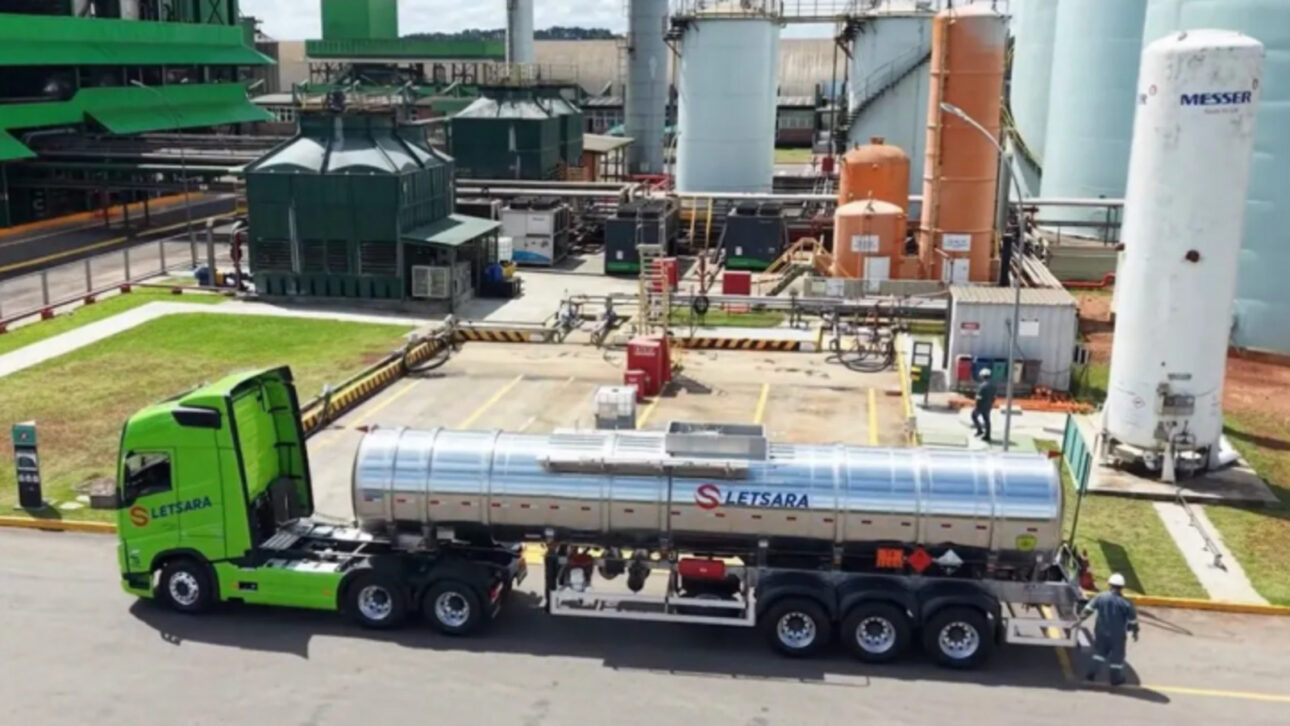

Carrier Letsara uses 2026 Volvo FH B100 Flex trucks to transport sodium methylate between Argentina and Brazil while tracking fuel consumption, performance and emissions reductions with Be8 BeVant renewable fuel
Volvo FH B100 Flex trucks operated by carrier Letsara have begun running on the Argentina-Brazil route using only biofuel. The vehicles transport sodium methylate, a raw material used to make the fuel itself, in an operation designed to measure reductions in emissions from road transport.
Trucks run on renewable fuel without engine modifications
The operation connects Evonik’s facility in Puerto General San Martín, in Argentina’s Santa Fe province, with Be8’s plant in southern Brazil. The product being transported is used as a catalyst in the production of the biodiesel that is used to make Be8 BeVant.
The companies say the trucks can run on 100% renewable fuel without replacing the vehicles or modifying their engines. Letsara, a carrier based in Ijuí, in the southern Brazilian state of Rio Grande do Sul, is responsible for the operation.
-
Brazil’s Ethanol Supply Set to Hit Record in 2026, With 4 Billion Extra Liters to Maintain the E32 Blend and Reduce Gasoline Imports by 900 Million Liters

-
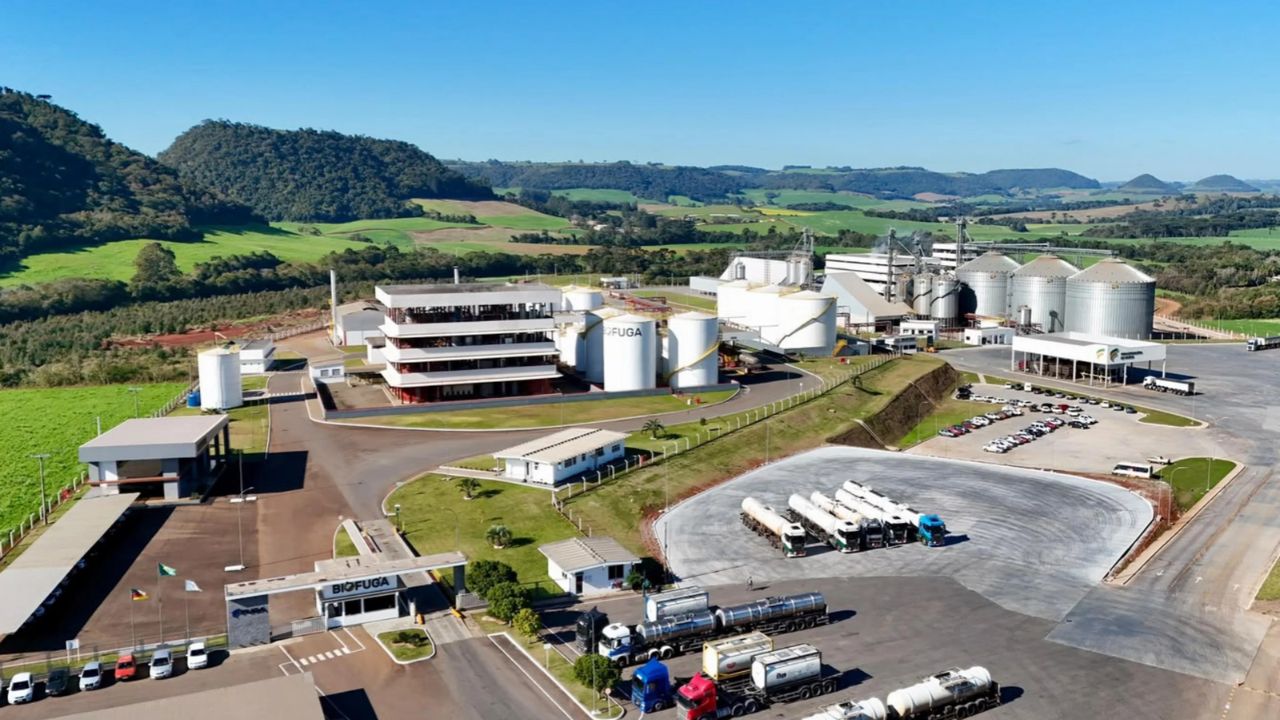
Grupo Fuga invests R$135 million to more than double biodiesel plant capacity in a Rio Grande do Sul town of 3,000 residents

-
Brazil’s ANP certifies five new biomethane plants in four states, total facilities authorized to issue origin certificates now eight
-
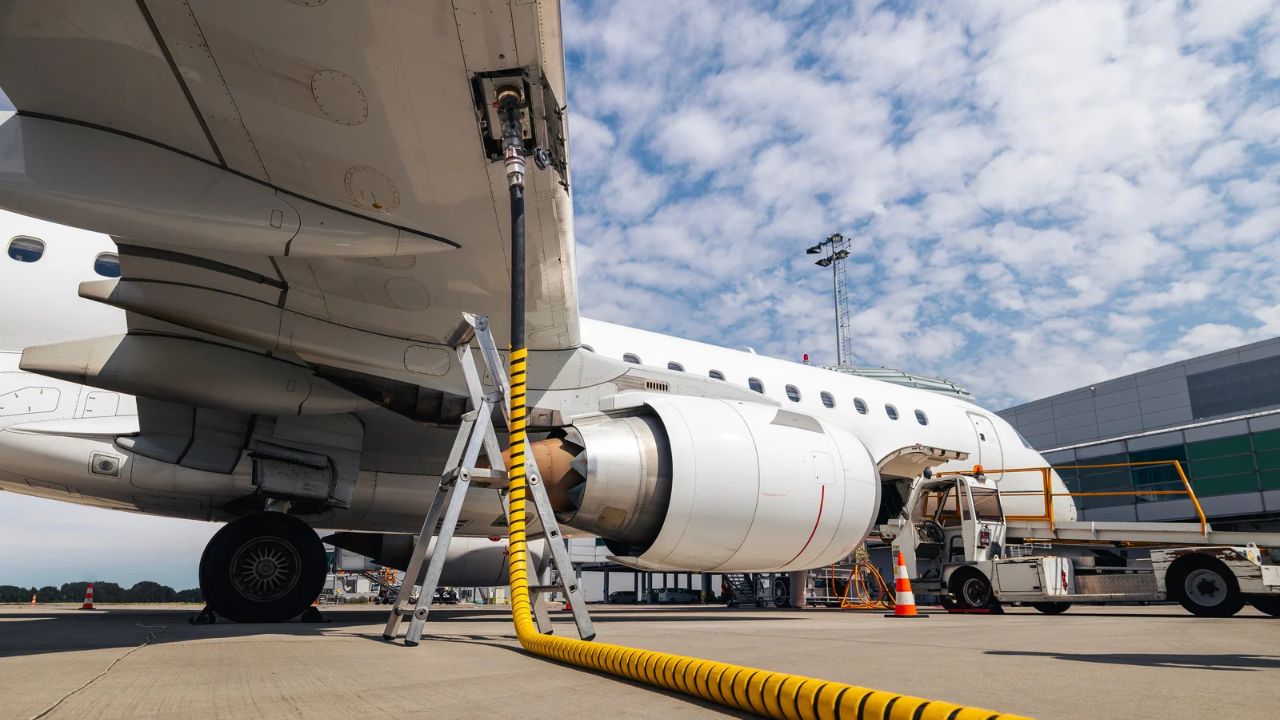
Airlines urge government to delay SAF adoption in Brazil as supply constraints and costs challenge environmental targets set for 2027


The fleet uses 2026 Volvo FH B100 Flex models, designed to run on pure biofuel. The vehicles are equipped with monitoring cameras and driver-fatigue control systems.
The carrier also has its own fueling station at its headquarters, which supports the renewable-fuel operation.


Be8 BeVant can reduce greenhouse gas emissions by 99%
Be8 says Be8 BeVant delivers performance equivalent to conventional diesel and can reduce greenhouse gas emissions by 99% while the vehicle is in use.
The figure is based on the GHG Protocol methodology, which is used to account for emissions of gases that contribute to global warming. The comparison is with fossil diesel.
Letsara also reports potential reductions of up to 90% in black smoke and 85% in particulate matter, the tiny particles released during combustion that can harm air quality.
The results will continue to be tracked during the operation. The company is recording average fuel consumption, mileage, the volume of diesel displaced, vehicle performance and maintenance costs.
Transport operation will also measure avoided emissions
Monitoring covers incidents during trips, estimates of avoided emissions and measurements of black smoke. The indicators will make it possible to compare the operational and environmental performance of trucks running on the renewable fuel.
Vagner Tozzi Junior, Letsara’s commercial manager, says the initiative aims to reduce the fleet’s environmental impact without compromising transportation safety or quality.
He says the data collected will guide decisions on the company’s next steps and whether to expand its use of biofuel.
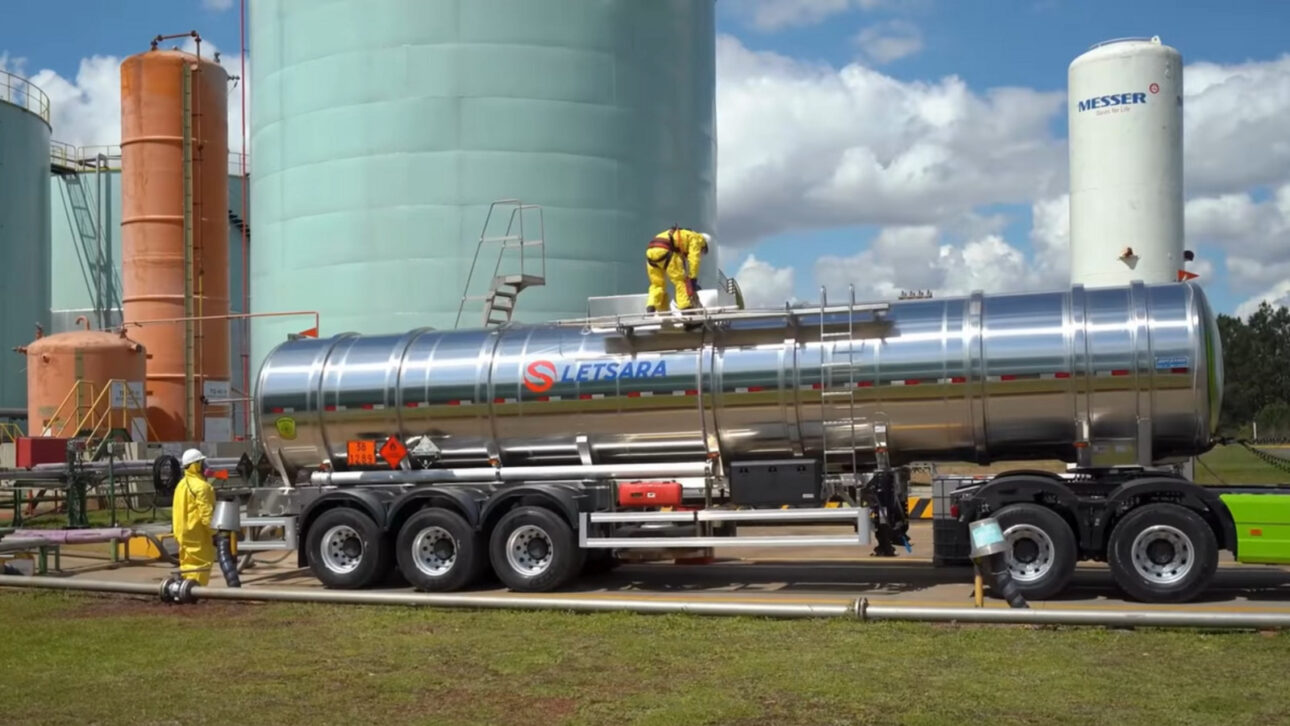
Evonik supplies the raw material used to make the fuel
The operation also involves Evonik, which manufactures the sodium methylate transported by the trucks. The product acts as a catalyst, a substance that speeds up chemical reactions during biodiesel production.
After further processing, the biodiesel is used to make Be8 BeVant. This means that the logistics operation transporting an input used to produce the fuel is itself switching to a renewable alternative.
Letsara was founded in 1988 and operates in Brazil, Argentina, Chile, Paraguay and Uruguay. The company has more than 1,350 pieces of equipment and approximately 900 employees.
Its operation moves about 700,000 tons of cargo a year across approximately 35,000 trips. These figures illustrate the scale of the logistics network that could be considered if the use of biofuel expands.