Portuguese
 Spanish


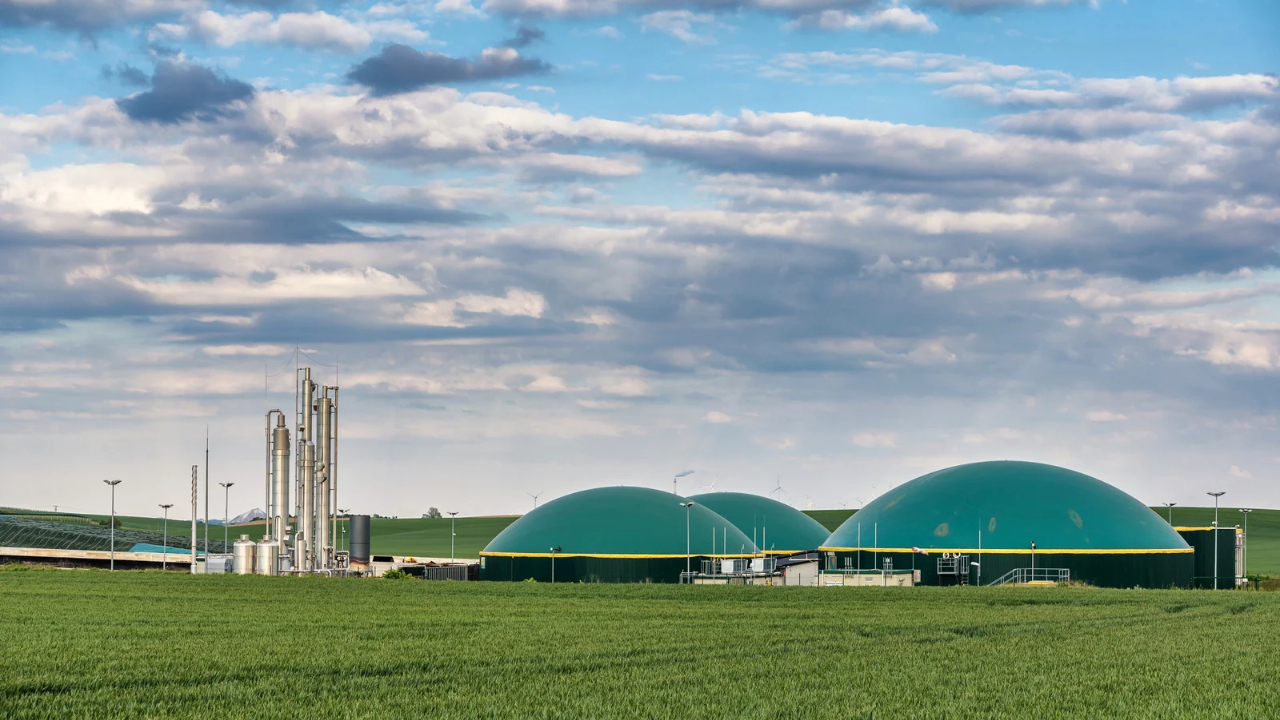

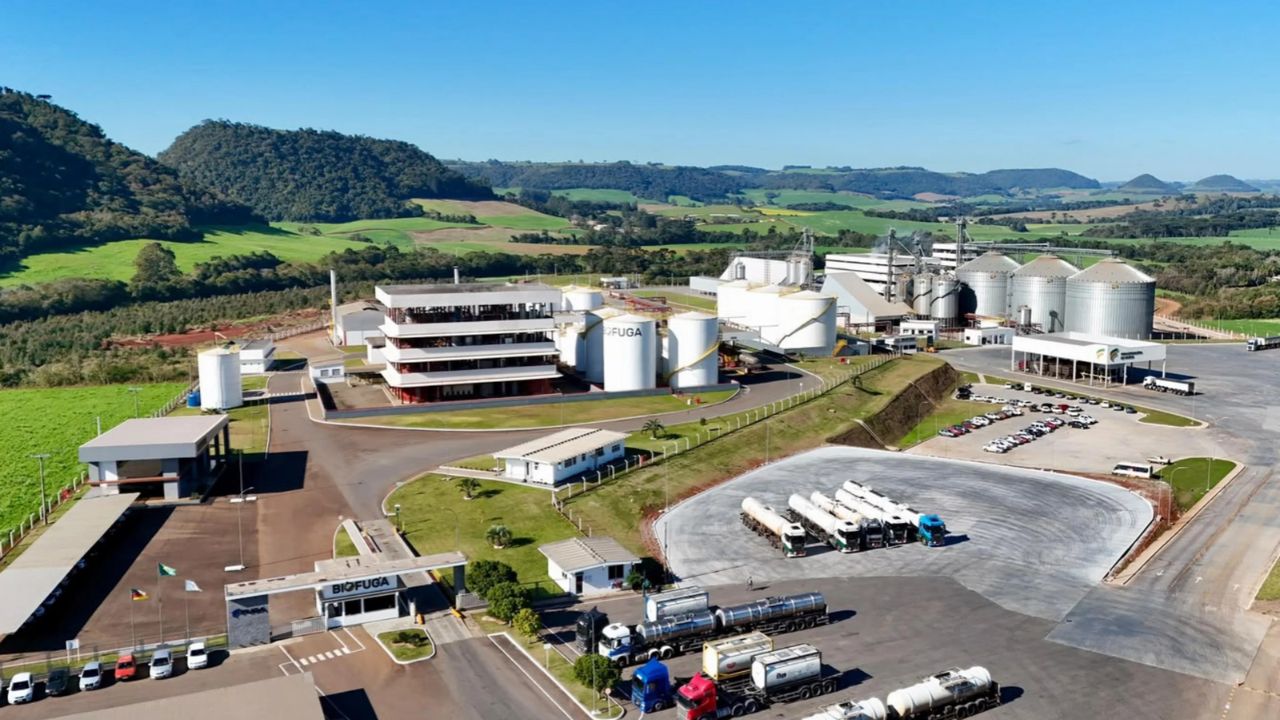
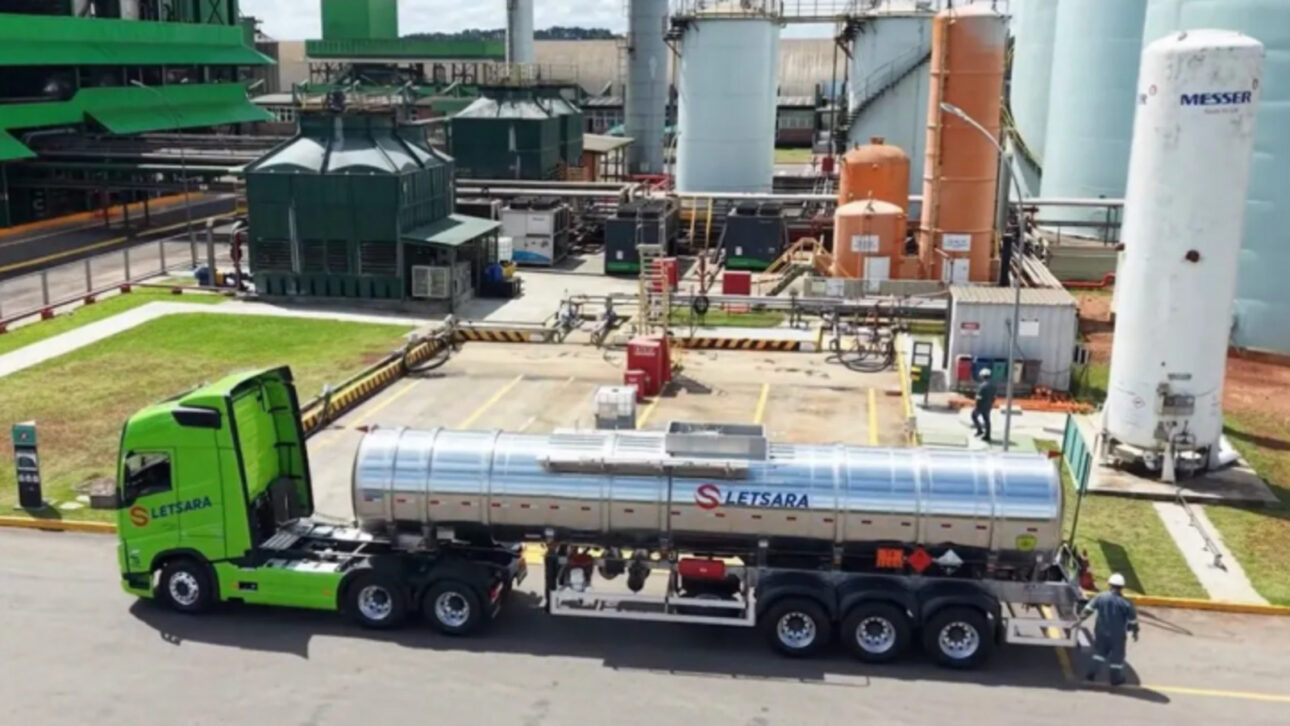
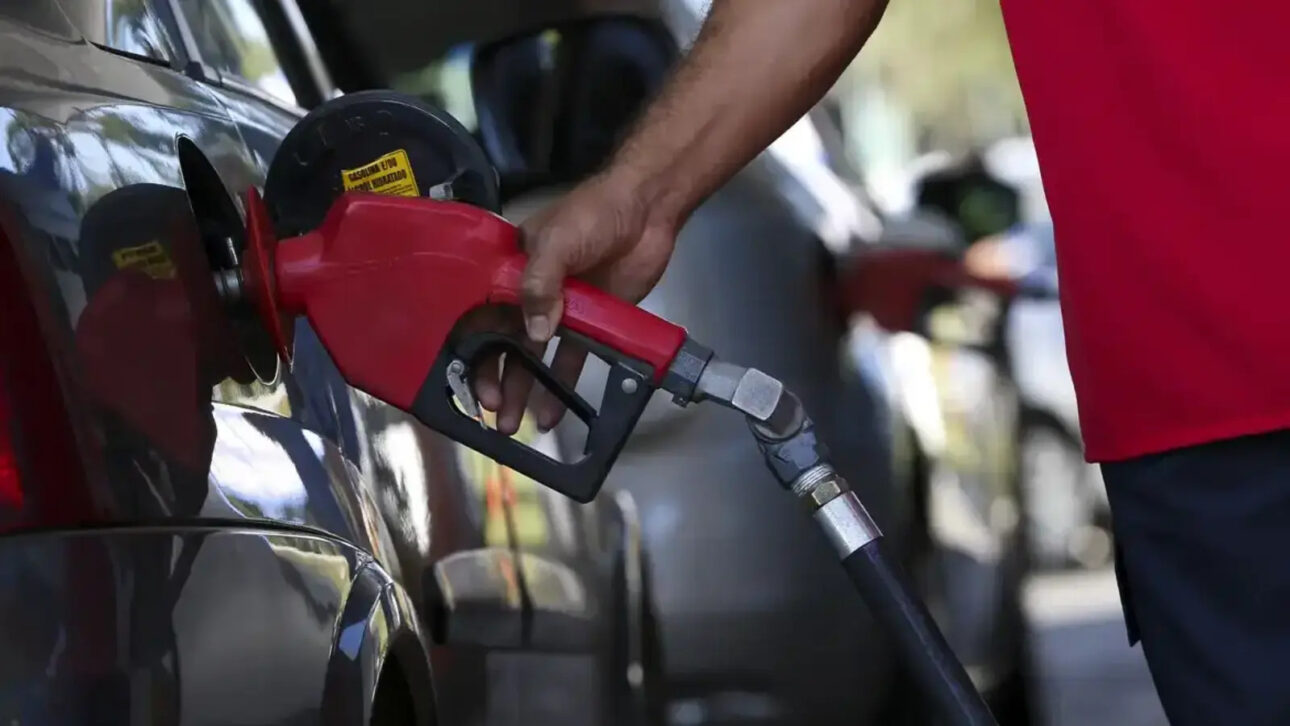
With nine plants operating, São Paulo is encouraging the use of biomethane in trucks and buses to reduce diesel-related emissions.
São Paulo is home to nine of Brazil’s 21 operating biomethane plants, with capacity to produce about 700,000 cubic meters per day, equivalent to half of the country’s installed capacity. Expanding the use of this fuel in road transport was discussed Wednesday (25) by the State Council for Energy Policy (CEPE), during a technical visit to the University of São Paulo (USP) and the council’s final regular meeting of 2026.
One of the São Paulo state government’s priorities is to reduce dependence on diesel, which is responsible for more than 20% of the state’s greenhouse gas emissions.
Vehicle tax exemption and expanded biomethane production in São Paulo
Since 2025, trucks and buses powered by biomethane and compressed natural gas (CNG) have been exempt from São Paulo’s vehicle ownership tax (IPVA). The tax break will remain in effect through December 2029. Since it was introduced, the State Department of Motor Vehicles (Detran) has recorded an increase in registrations for these vehicles.
-

-

-
-
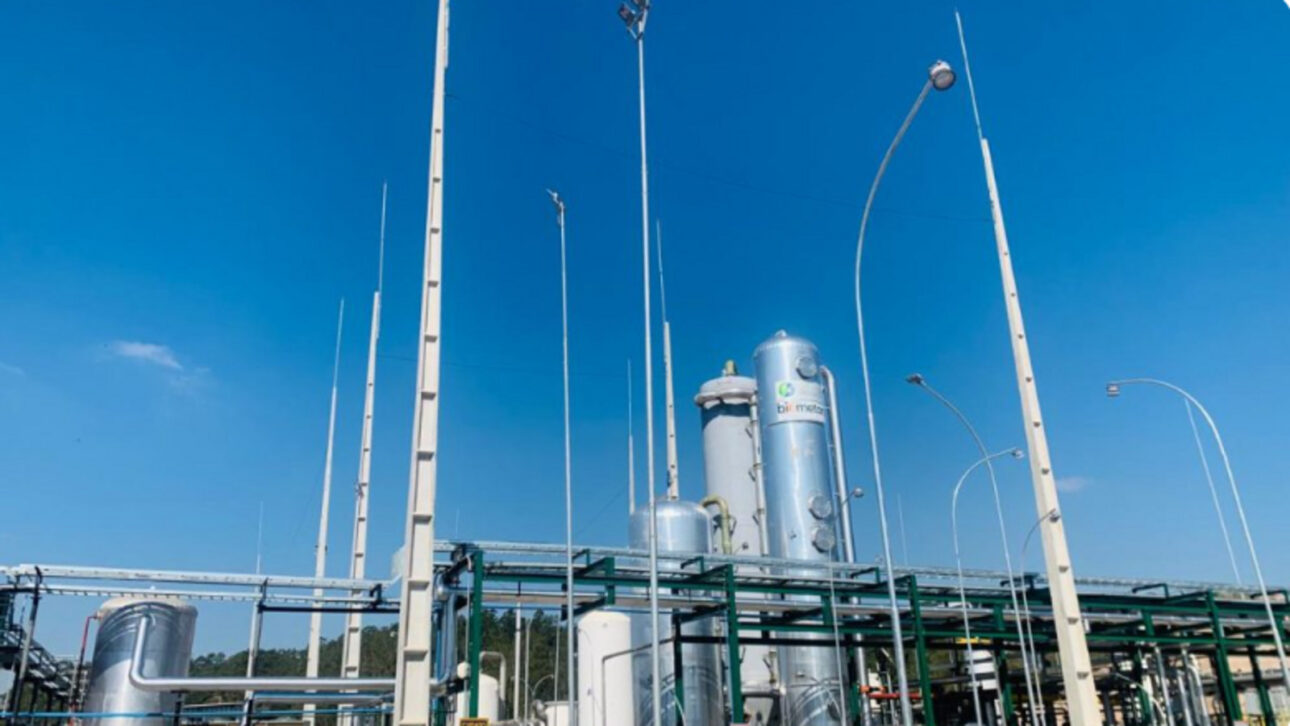
The outlook for fuel production was also presented at the CEPE meeting. Laís Almada, director of oil, natural gas and biofuels, said 39% of the growth projected for Brazil’s biomethane market through 2028 is expected to take place in São Paulo.
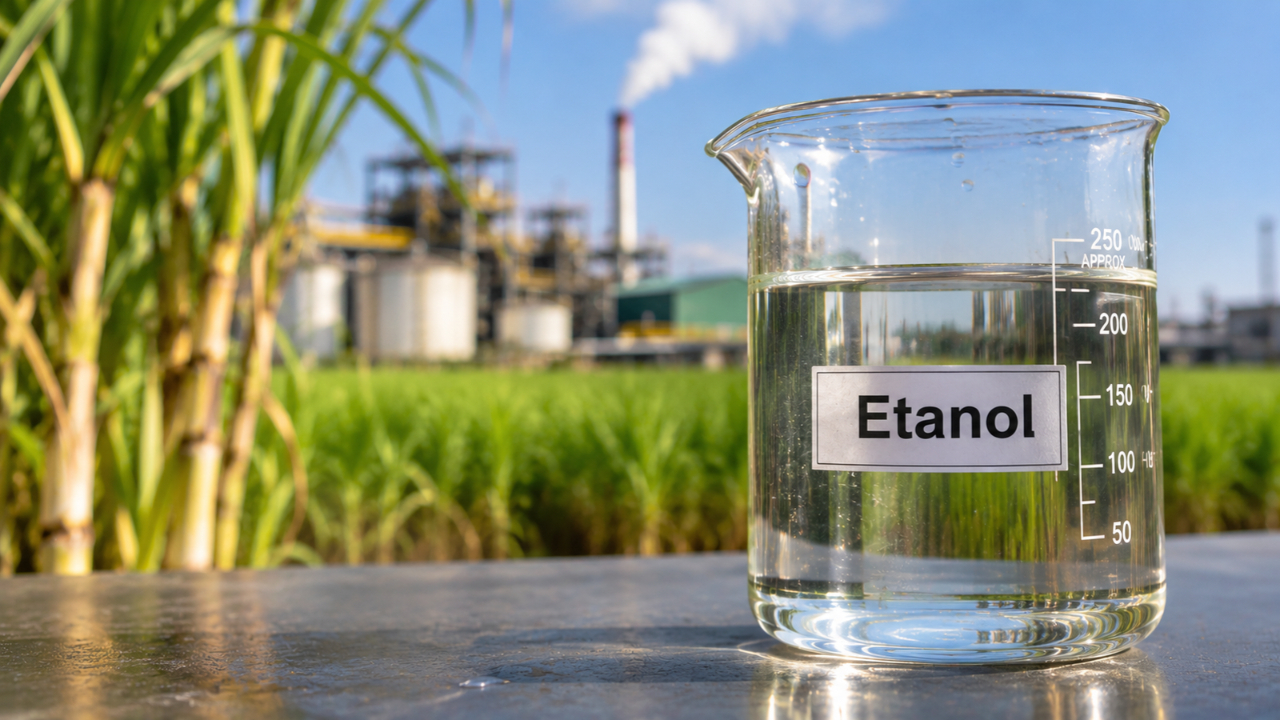
Fuel distribution, however, is one of the issues that must be addressed to meet demand. In the sugar-energy sector, for example, the seasonal sugarcane harvest affects how much of the plants’ production capacity can be used.
That is one of the issues examined in the study “The Biomethane and Digestate Value Chain in São Paulo,” developed by a consortium formed by Amplum Biogás, Instituto 17 and PSR, with full funding from Swedfund International AB, the Swedish government’s development finance institution.
The initial findings, presented by consortium representative Leidiane Mariani, cover ways to increase the value of biofertilizers, the organization of regional biofuel hubs and logistics for transporting production, with a focus on the Ribeirão Preto and Araçatuba regions.
The study’s final findings will be presented to the council in the third quarter of 2027. The work is part of discussions on using waste for energy and the state’s targets for replacing diesel by 2050.
USP plant puts five tons of organic waste to use every day
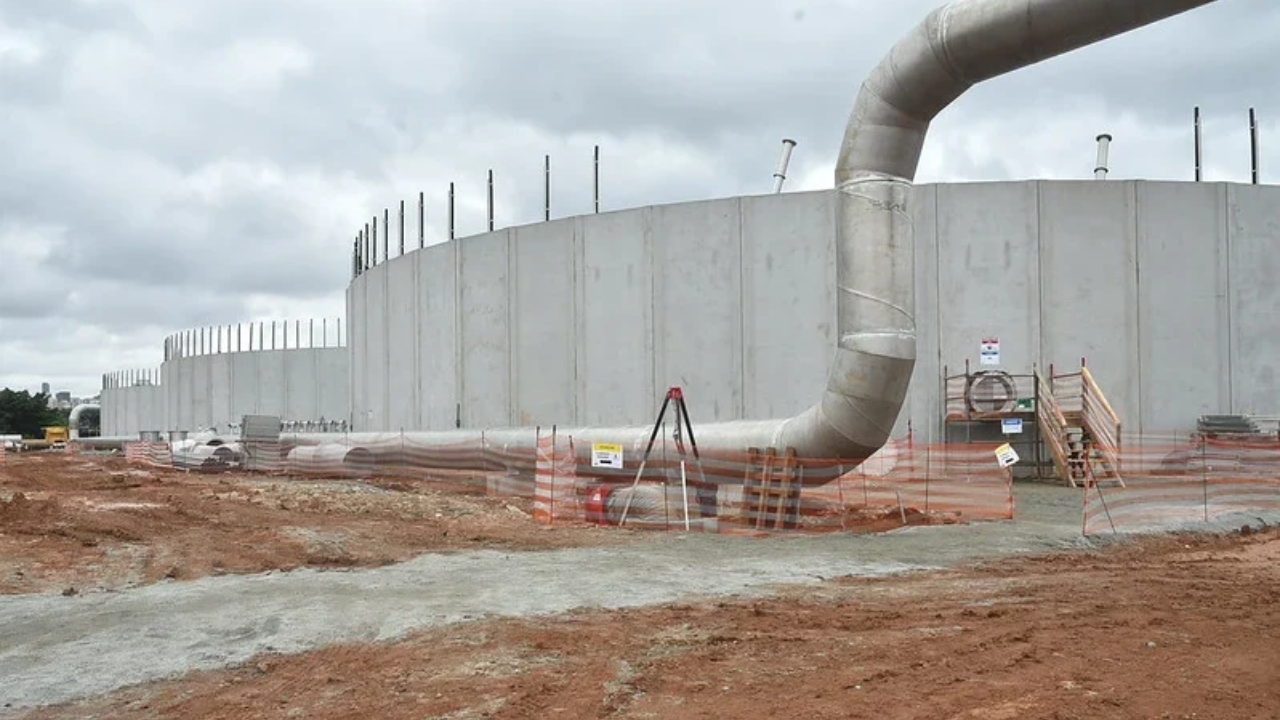
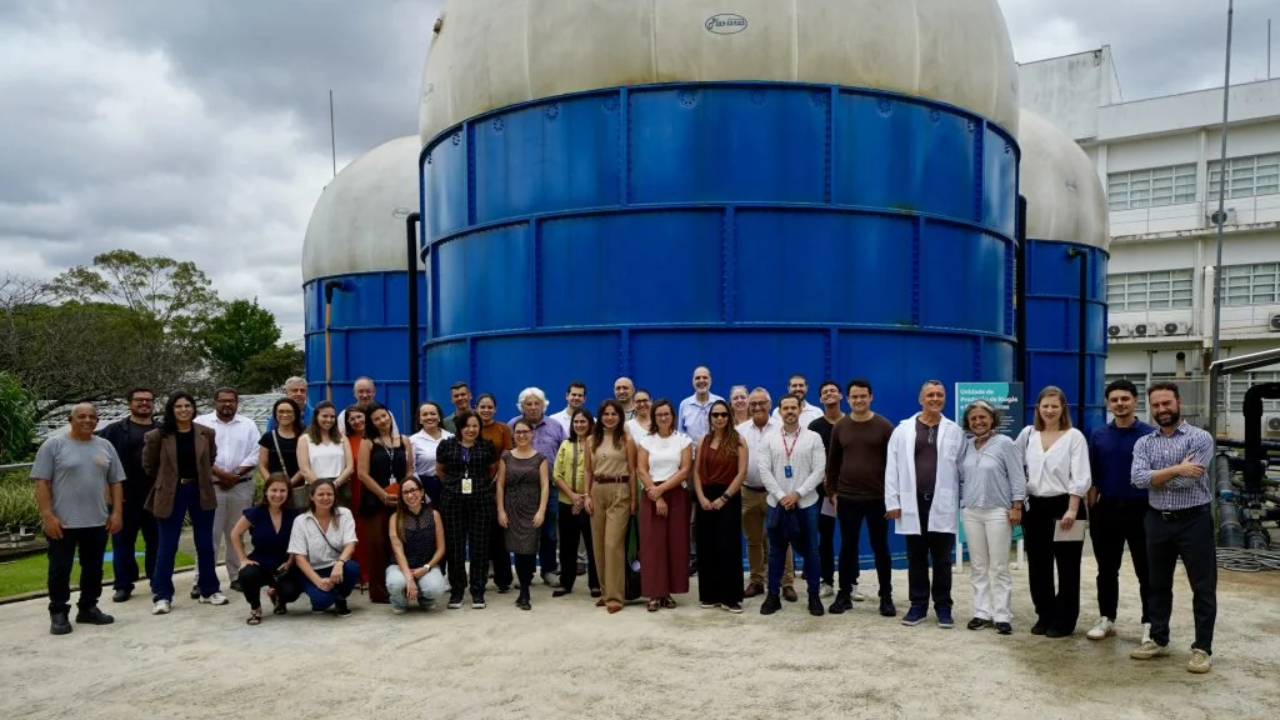
In the state capital, an experimental facility run by USP’s Institute of Energy and Environment (IEE) shows how materials that would normally end up in landfills can instead be used to produce fuel, electricity and agricultural inputs.
Visited by CEPE members, the facility processes five metric tons of solid organic waste each day, sourced from CEAGESP, São Paulo’s wholesale produce market, partner companies and the university dining hall.
The waste is treated using a modular anaerobic digestion system comprising two reactors, which receive the material after it has been sorted and shredded.
Ildo Luís Sauer, a full professor at USP and the project lead, explained that about 20% of the volume processed becomes biogas. The rest is digestate, which is used as fertilizer in agriculture.
The products obtained at the facility have different applications:
- Biomethane: fuel for vehicles such as buses and trucks, after carbon dioxide (CO₂) is removed from the biogas using a molecular sieve;
- Biofertilizers: used in agricultural experiments focused on growing vegetables;
- Biogas: used to generate electricity, with the possibility of supplying the campus, local and national power grids.
Luiz Carlos Pereira da Silva, a professor at Unicamp and a CEPE board member, said the experience shows that the model can be replicated in municipalities across different Brazilian states.
The visit gave representatives of the São Paulo state government an opportunity to learn about the project’s technical and economic conditions and gather information for developing public policies. Discussions on the state’s energy future will continue in March 2027, when the presentation of the São Paulo Ten-Year Energy Plan 2034 (PPDE 2034) is scheduled. The plan is being developed by Semil together with a team contracted from USP.