






 Portuguese


The National Sustainable Navigation Fuel Program was included in the agenda for the CNPE meeting scheduled for September 2, 2026. The 26 recommendations encompass port infrastructure, certification, financing, taxation, research, and logistics, with expectations to also increase demand for biofuels, including ethanol and biodiesel, in Brazilian maritime transport.
Brazilian biofuels may gain a new demand front in maritime transport if the National Sustainable Navigation Fuel Program advances, which has been included on the agenda for the upcoming meeting of the National Energy Policy Council (CNPE). The proposal includes recommendations to create a market, adjust regulations, and prepare ports, producers, and certification systems for lower-carbon fuels used by vessels.
The program’s inclusion in the scheduled meeting for September 2, 2026 was reported by Eixos in an article published on August 20. The text derives from a report approved by the CNPE in April and includes 26 recommendations covering areas from infrastructure and logistics to taxation, financing, research, quality, and alignment with the International Maritime Organization’s (IMO) methodologies.
September Program Aims to Open Maritime Market for Biofuels
The National Sustainable Navigation Fuel Program should not yet be treated as an already approved policy. What is confirmed so far is its inclusion on the CNPE agenda, a step that could shape a specific policy aimed at reducing emissions in maritime transport.
-
Airplane fuel made from human sewage, without crude oil and without planting soy, corn, or sugarcane: British company transforms treatment plant sludge into biocrude, refines the material into SAF, and signs a 15-year agreement to supply commercial flights.

-
Corn ethanol attracts R$ 23 billion in 21 new plants and prepares for a nearly 50% jump in Brazilian production by 2027, even with high interest rates.

-
Ceará brings together 7 giants and R$ 66 billion to transform Pecém into the largest green hydrogen hub in Brazil, with final decisions expected by the end of 2026.
-
H2A to Invest $570 Million in 22 Biomethane Plants in Brazil, Converting Agricultural Waste into 700 Tons of Renewable Fuel Daily


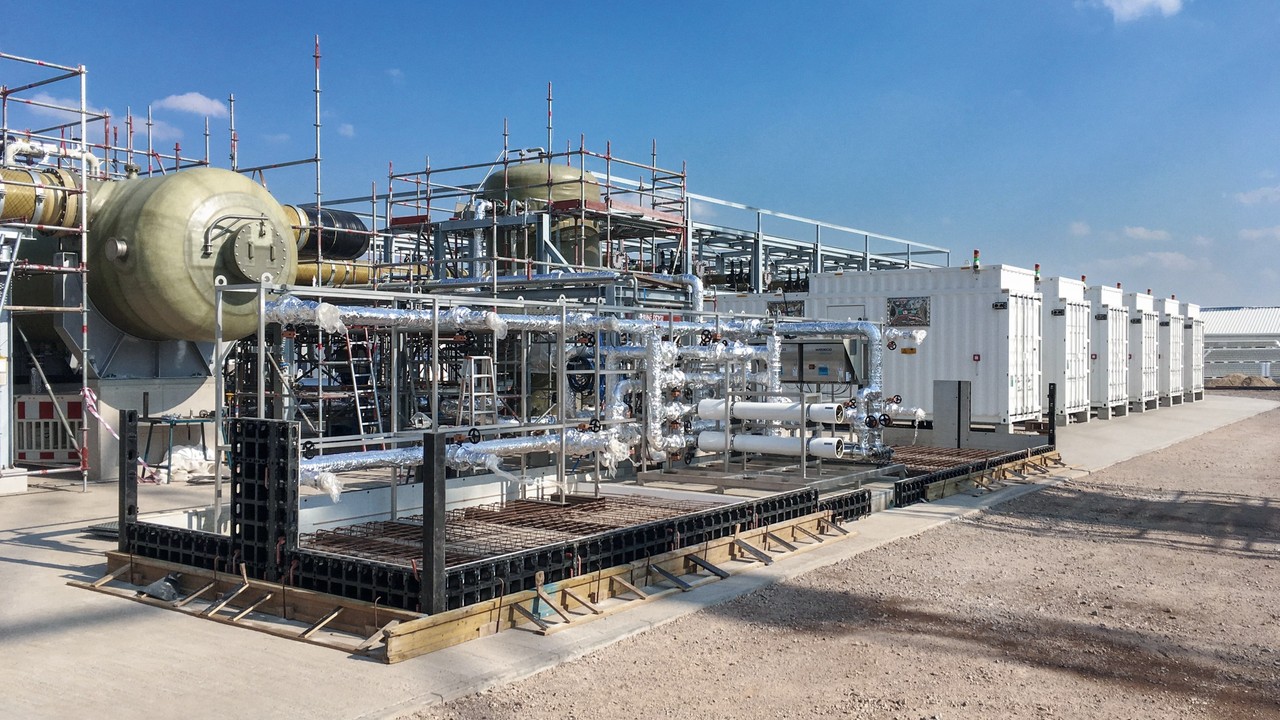

The material describes expectations to create conditions to increase demand for biofuels and other low-carbon alternatives in the fueling of ships. This would position the maritime sector alongside other areas already pursued by the renewable energy industry.
The 26 Recommendations Go Far Beyond Fuel Selection

The report serving as the foundation for the upcoming program distributes the 26 proposals across areas such as decarbonization goals, alignment with the IMO, financing, research and development, taxation, certification, governance, infrastructure, and logistics.
The challenge, therefore, is not simply putting ethanol or biodiesel into a ship. To achieve scale, the supply chain needs to integrate production, quality standards, documentation, port infrastructure, refueling, and internationally recognized environmental criteria.
Certification is One of the Bottlenecks the Government Wants to Address
Among the recommendations is the establishment of support and training mechanisms to enable Brazilian producers to meet the certification schemes required in the international navigation environment.
This point is strategic because a fuel may be available in Brazil and still face barriers to being recognized as a low-carbon solution on international routes. The proposal also envisions closer ties between the RenovaBio program and lifecycle analysis methodologies used by the IMO.
Ethanol and Biodiesel Appear Among the Alternatives Considered
The document mentions incentives for research, development, and innovation projects for sustainable marine fuels. The list includes alternatives such as hydrogen, low-carbon methanol, and ammonia, in addition to liquid biofuels.
This group includes ethanol and biodiesel, products for which Brazil already has an established production chain. The potential to transfer part of this capacity to maritime transport is one of the elements that make the program relevant for Brazil’s bioenergy sector.
Industry Already Tests Renewable Fuels Ahead of New Policy
Even before a definition from the CNPE, companies have already been making moves to use ethanol and biodiesel in the fueling of vessels. The source itself cites partnerships and tests that aim to demonstrate the viability of these alternatives.
These initiatives serve as market preparation while the regulation is still being adjusted. However, they do not imply that large-scale commercial use is consolidated or that all technical and regulatory hurdles have been resolved.
ANP Also Reviews Rules for Fuels Used by Vessels
In parallel to the discussions at the CNPE, the National Agency of Petroleum, Natural Gas and Biofuels (ANP) launched Public Consultation and Hearing No. 15/2026 in July to review the specifications and marketing rules for marine fuels.
The ANP proposal includes the recognition of biodiesel at concentrations of up to 100% for regular marine use, in addition to the possibility of marketing B100 directly to legal entities for self-consumption in vessels, subject to applicable regulations.
Public Consultation Ends on September 10, and Hearing Will Be on the 23rd
There is a scheduling point that requires precision. A report from Eixos associates September 23 with the consultation process, but the official ANP page states that the public consultation runs from July 28 to September 10, 2026, while the public hearing is scheduled for September 23.
This regulatory review addresses the quality, traceability, certification, blending, and marketing of marine fuels. The ANP also plans to address alternative fuels that have not yet been regularly included, such as ethanol, methanol, ammonia, and hydrogen, for uses that are subject to the agency’s specific regulations.
Port Infrastructure May Determine if the Market Truly Scales
One of the 26 recommendations directly addresses the adequacy of port infrastructure. This is relevant because the transition depends not only on fuel availability but also on storage, handling, fueling, and quality control at the points where ships operate.
Without a prepared logistics chain, Brazilian production may exist without automatically converting into maritime fuel available at scale. Therefore, infrastructure and logistics appear in the same set of measures as financing and certification.
Objective is to Elevate Brazil from Supplier to International Hub
The report outlines the intention to create a more predictable regulatory environment, attract private capital, and enhance Brazil’s positioning in the energy transition of navigation. The ambition extends beyond merely exporting raw materials or finished fuels.
The proposal is for the country to also occupy a significant position in the supply, certification, refueling, and development of renewable fuels for international navigation. This connects energy policy, ports, the biofuels industry, and external commercial strategy.
September May Determine How Much of this Opportunity Truly Materializes
The meeting of the CNPE on September 2 places the topic in an important decision-making stage, but there will still be subsequent challenges even if the program moves forward. Specific rules, investments, port adaptations, certifications, and decisions from the IMO will continue to influence the pace of market formation.
Brazil already has significant production of ethanol and biodiesel; now, the discussion revolves around whether this foundation can be converted into a competitive advantage in low-carbon maritime refueling. In your opinion, should the country prioritize the biofuels market for ships or focus investments first on land transportation? Share your thoughts in the comments.


