Portuguese
  Spanish


The tank of every truck driving across Brazil is about to receive a larger dose of soybean oil: the government has begun testing to increase the biodiesel blend in diesel from 15% to 16% this year, in a move that directly connects the gas station pump to the farms of the Midwest.
The change has a technical name, moving from B15 to B16, but the effect is quite tangible. Each liter of diesel sold in the country would contain 16% biodiesel, almost all of it produced from soybean oil. It’s more renewable fuel in the tank and less pure petroleum derivative running on the roads.
I confess that this is one of those topics that seem boring at first glance, but that affect a lot of things at the same time: freight prices, soybean demand, diesel import costs, and even city pollution. All of this fits within a single percentage point.
Where this blend ladder comes from
The requirement to mix biodiesel in diesel is not new, but it has been rising step by step. Since August 1, 2025, the country has adopted B15, with 15% biodiesel, following the schedule set by the so-called Future Fuel Law. The idea has always been to gradually increase the content as the industry proves that engines can handle the change without issues.
-
Brazil’s July Bolsa Família Payments May Include Extra $150 and $50 for Families with Children, Pregnant Women, and Updated CadÚnico Registration

-
Brazilian Woman Buys €1 House in Sicily, Clears 50 Truckloads of Debris, and Transforms Ancient Ruin into Inspiring Life Project by 2026

-
Havan Competitor Expands in Brazil with 170 Stores, Offering Everything from Stationery to Asian Food and Focusing on Affordable Products to Attract Shoppers

-
Norway’s $2 Trillion Dilemma: How Oil Revenue Created a Massive Savings Fund with Too Much Money to Spend




Now the goal is to take the next step. The government confirmed the intention to approve the increase to 16% by 2026, and the final decision is in the hands of the National Energy Policy Council, the CNPE, which is awaiting technical reports before making the final call.
Why tests come first
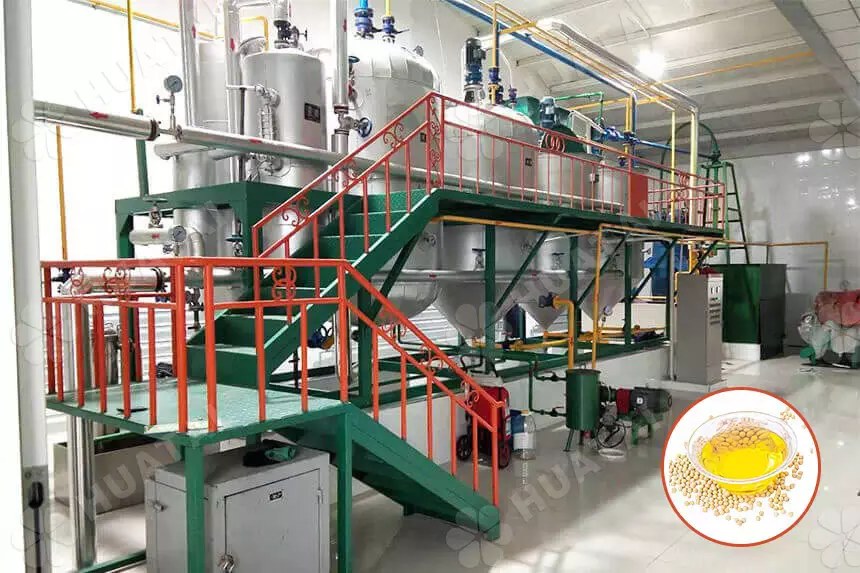
Before pouring more biodiesel into the pumps, the government started a rigorous battery of tests this month. The caution has a reason. In previous years, blend increases raised complaints about residue buildup and sludge formation in older engines, something that concerns truck drivers who depend on their vehicles for work.
That’s why the decision relies on technical reports that certify that B16 can circulate without damaging the engine. Nobody wants to repeat the scenario of fleets being grounded due to substandard fuel. We know that, for truck drivers, a day with the vehicle in the shop is a day without income.
The link with soy and price
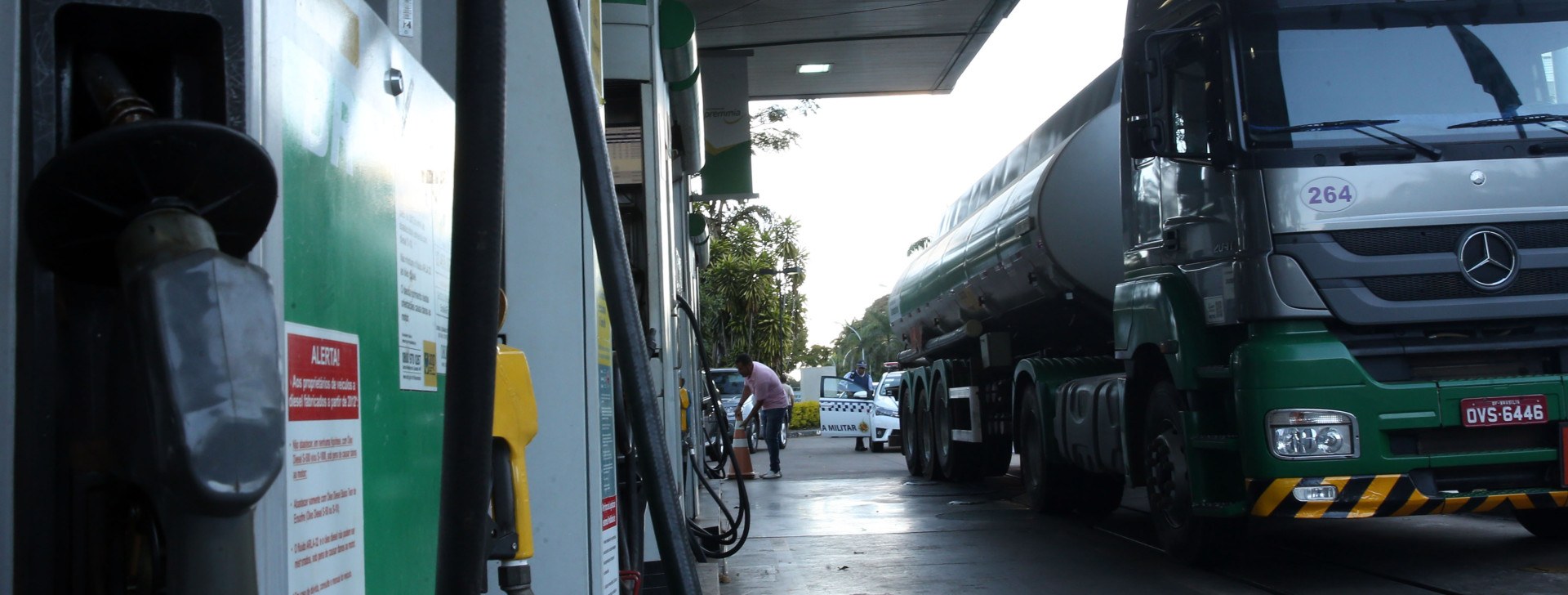
Here is the detail that ties everything together. If B16 comes into effect, the demand for biodiesel could exceed 10.7 million cubic meters per year, an increase of almost 11%, which would require up to 8.6 million tons of soybean oil. In other words, one more point of blend means much more soy ending up in the tank instead of the plate or export.
It’s no wonder that agribusiness entities, such as the Agriculture Confederation, have been advocating for the blend increase as a way to offload the bumper crop and help stabilize diesel prices, which partly depend on imported fuel. It’s biofuel, agriculture, and pricing policy all in the same tank.
What still needs to happen to become reality
None of this is set in stone. B16 only becomes mandatory when the CNPE formalizes the change, and that depends on the technical reports currently being produced. If the tests give the green light, the new diesel could reach the pumps before the end of the year.
I’m keeping an eye on it because this percentage point carries more weight than it seems. The B16 diesel is, at the same time, an energy, agricultural, and environmental move, and a good reminder that, in Brazil, what fuels the truck is increasingly born on the farm.
Are you in favor of putting more biodiesel in truck tanks, or do you fear it will make diesel more expensive and wear out engines?