





 Portuguese
 Spanish


The iron ore freight rate on the Tubarão (Espírito Santo state)-to-Qingdao, China, route stood at US$35.8 per metric ton on Nov. 13, 2026, down 1.2% from Oct. 30 and up 17.2% from Oct. 16, according to Kallanish data published Nov. 19 and 21
The iron ore freight rate for Brazilian ore shipped from the port of Tubarão, in Vitória, Espírito Santo state, to Qingdao, China, stood at US$35.8 per metric ton on Friday, Nov. 13, 2026.
The figure was published by the Ukrainian website Finway on Saturday, Nov. 21, and earlier by GMK Center, also from Ukraine, on Thursday, Nov. 19. GMK Center attributes the route-specific figures to consulting firm Kallanish.
The Nov. 13 rate was 1.2% below the level recorded on Oct. 30. Compared with Oct. 16, it was up 17.2%.
-
Uruguay launches $102 million freight rail service on a 265-km line, aiming to bring southern Brazil cargo to the port of Montevideo via a route to Rivera on the Rio Grande do Sul border

-
CMA CGM removes Manaus from service via Panama Canal, rerouting Asia cargo to Free Trade Zone through Rio de Janeiro transshipment in 11 days
-
Brazil’s Sorghum Shipments to China Reach 1.64 Million Metric Tons from August to October, Boosting Demand for Panamax Ships as Santos Handles 46% of Cargoes
-
Maersk ends partnership with CMA CGM on Asia–East Coast South America route while maintaining direct service from Itapoá to Northern Europe


For Brazil, the figure affects the bottom line of mining companies that sell to China.
In September, rising iron ore freight rates led Usiminas, Itaminas and CSN Mineração to cut production in Minas Gerais, as reported by Bloomberg Línea.
How much it cost to ship iron ore from Tubarão to Qingdao in November
The Tubarão-to-Qingdao route underpins the Baltic Exchange’s C3 rate, a benchmark for freight rates on Brazilian iron ore exports to China.
The rate of US$35.8 per metric ton applies to Nov. 13.
On Oct. 30, the rate was slightly higher, before falling 1.2% over the following two weeks.
On Oct. 16, it was lower, accounting for the 17.2% increase over the month.
Journalist Melnyk Oleksii is bylined on Finway’s Nov. 21 article. Its market outlook comes from Indian consulting firm BigMint.
What higher freight rates mean for Brazilian mining companies
The freight rate determines how much sellers have left after exporting iron ore. On Sept. 15, 2026, Bloomberg Línea examined the impact on mining companies in Minas Gerais.
In that report, the Baltic Exchange’s C3 rate, which tracks iron ore freight on Capesize vessels from Tubarão to Qingdao, stood at US$42.12 per metric ton on Sept. 14.
That was close to its highest level since 2021.
The figures come from two different sources. The Baltic Exchange recorded US$42.12 on Sept. 14, while Kallanish recorded US$35.8 on Nov. 13.
Bloomberg Línea cited three reasons for the September increase: the war in the Middle East, which disrupts trade flows and raises fuel costs; bad weather in the Pacific, which reduced vessel availability;
and stronger demand for iron ore shipments.
Artur Bontempo of Prime Trading told the agency that the amount received by Brazilian producers on a free-on-board (FOB) basis had fallen by more than US$18 per metric ton.
Iron ore futures have been below US$100 per metric ton almost continuously since July.
Usiminas, Itaminas and CSN cut production as freight rates rose
Usiminas suspended operations at Samambaia, in Minas Gerais, on Sept. 2, 2026.
Daniel Sasson of Itaú BBA estimated that the shutdown reduced the company’s mining output by 30% to 35%.
Itaminas said it would shut down a wet-processing plant in October and place one-third of its employees on leave. The company exports 90% of its output.
Thiago Toscano, Itaminas’ chief executive, said independent mining companies are hit harder. They do not have the logistical support available to their larger competitors.
On September 29, Bloomberg Línea reported CSN Mineração’s production cut.
The company reduced production of lower-grade iron ore at the dry plant at the Pires Complex and revised its 2026 production forecast.
CSN Mineração said the measure could be reversed at any time if margins improve. On the day, CSN shares fell 9.85%, while CSN Mineração shares dropped 5.74%.
Bloomberg Línea posted a video summary of its September report on YouTube on September 16, 2026.
The video’s text mentions the shutdown at Samambaia on September 2 and Itaminas’ plan for October.


Tubarão ships more iron ore to China in 2026
Vale’s Tubarão port has increased shipments to China this year.
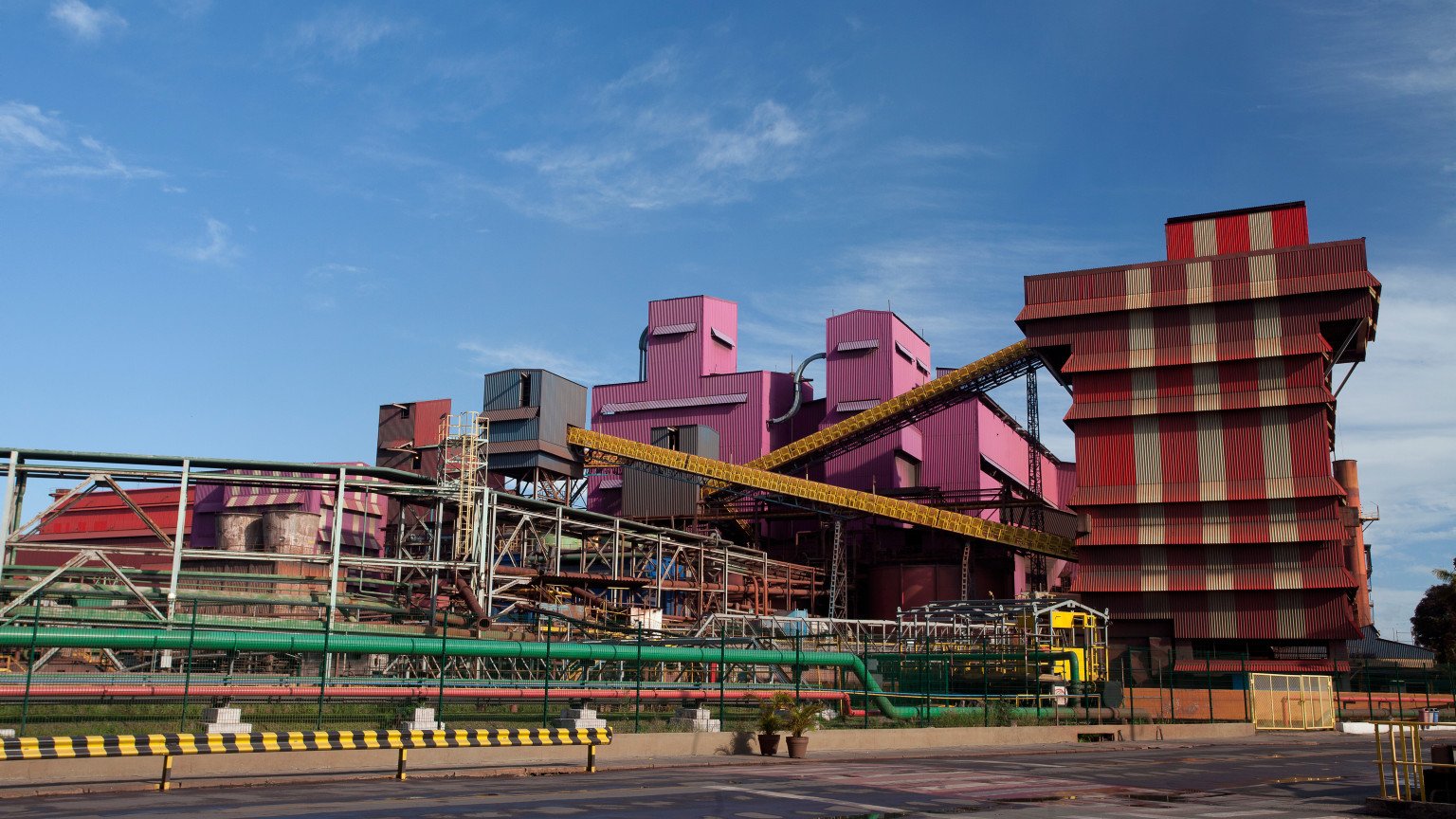
From January through September 2026, it shipped 40.07 million metric tons to China, up 6.59 million metric tons, or 20%.
The data come from the Signal Ocean platform and were published by the website Cyprus Shipping News on November 9.
Over the same period, Ponta da Madeira, in Maranhão state, shipped 78.80 million metric tons to China, down 11%.
Tubarão’s November schedule totaled about 10.7 million metric tons. It included 38 calls by conventional Capesize vessels, carrying 6.32 million metric tons, and 12 calls by VLOCs, carrying 3.96 million.
Pellets accounted for about 59% of the tonnage listed for Tubarão in the October 28 survey. Vale produced 88.4 million metric tons in the third quarter, 6% less than a year earlier.
China’s Mysteel posted a record of Brazilian exports in English on X on July 22, 2026.
The post says Brazil exported 42.2 million metric tons of iron ore in June, including 32.1 million metric tons to China, which accounted for 75.9% of the total.
Freight from Australia to China also rose
On the route from Western Australia to Qingdao, the freight rate stood at US$15.1 per metric ton on November 13.
That was unchanged from late October and 23.3% higher than on October 16.
During the week of November 9-13, miners concluded deals at US$15 and US$16 per metric ton at the Australian ports of Port Hedland and Dampier.
The two figures are comparable, both reported by Kallanish on November 13: US$35.8 per metric ton from Tubarão and US$15.1 from Western Australia.
Capesize vessel index fell 1.6% on November 17
The Baltic Exchange’s Capesize vessel index fell 72 points, or 1.6%, on November 17, to 4,486 points. It was the lowest level since November 10.
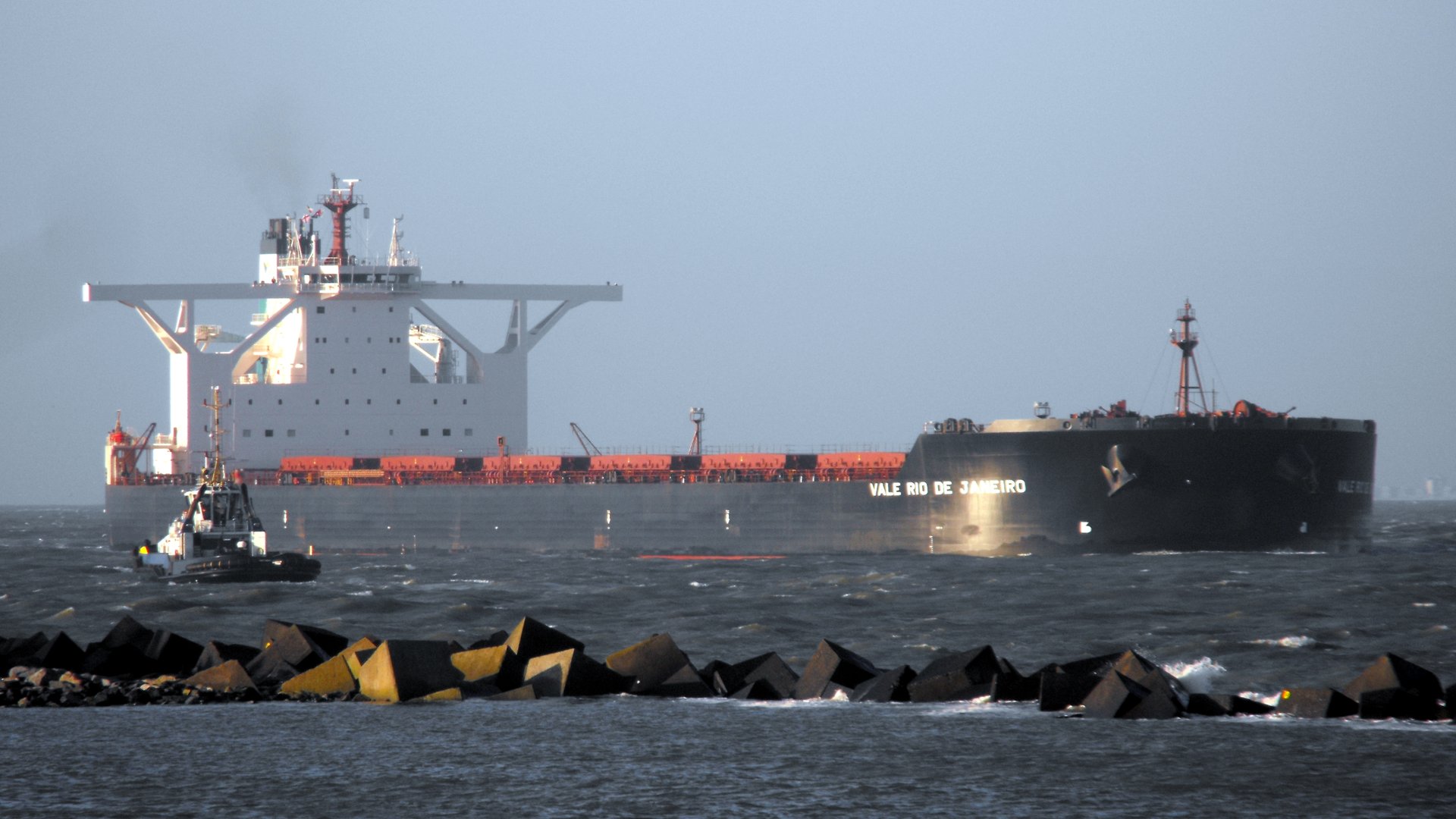
The index tracks vessels carrying about 150,000 metric tons of iron ore and coal. The Baltic Dry Index, the broader dry bulk index, fell 28 points to 2,893 on the same day.
GMK Center described the first week of November as mixed. The Pacific was under pressure, while routes from southern Brazil and West Africa to China improved, with several deals concluded.
In the following week, November 9-13, Capesize vessels continued to gain, led by the Pacific. Shipments from southern Brazil and West Africa to China did not get the same boost.
On November 9, 2026, Capital Link published the monthly analysis by Greek shipbroker Doric Shipbrokers, in English.
In the video, Vasilis Mouyis and Michael Voutsinas say the physical dry bulk market was steady in the week ended November 6.
Both cite rising demand for cargo, conflict-related route diversions and port congestion as factors supporting freight rates.

Capesize rates fell 4.6% for the week
The Capesize index ended Friday, November 20, at 4,502 points, down 0.3% on the day and 4.6% for the week.
The figure is from the Baltic Exchange, in a Reuters report published by Baird Maritime.
A Capesize vessel’s average daily earnings fell by US$114 to US$37,324. The overall index closed at 2,898 points, down 2.8% for the week.
Iron ore futures rose Friday on expectations that steelmakers would replenish their inventories toward year-end.
For the week, however, contracts posted losses amid weak demand and high port inventories.
China’s iron ore imports fell in October
Chinese data help explain demand for the vessels.
RedboxGlobal posted on X on November 10, 2026, in English, that China imported 105.66 million tonnes of iron ore in October, down from 109.82 million tonnes in September.
China is the main destination for Brazilian iron ore. In June, it accounted for 75.9% of Brazil’s iron ore exports, according to Mysteel’s survey.
What could move freight rates in the coming weeks
BigMint expects the near-term Atlantic market for Capesize vessels to depend on steady cargo demand from Brazil and South Africa. Competition for available vessels is also a factor.
In the Pacific, the main factors are new orders from Australian miners and vessel positioning.
For Brazilian exporters, the iron ore freight rate on the Tubarão route still depends on this competition for vessels in the Atlantic.


