Portuguese
 Spanish


Tire manufacturers in Brazil sold 29.1 million units from January through October 2026, down 10.4% and the lowest volume since 2019. Imports already account for 71% of the replacement market, according to ANIP.
Brazil’s tire industry sold more than 3 million fewer tires in the first 10 months of 2026 than in the same period last year. Sales of passenger-car, light commercial vehicle and truck tires made in Brazil fell 10.4%, to about 29.1 million, the lowest January-to-October total since 2019.
A report released by the National Association of the Tire Industry (ANIP), Brazil’s tire industry association, on November 26 points to a combination of headwinds for domestic manufacturers: lower year-to-date sales, lost market share to imports and especially intense pressure in the replacement market. Even after a strong rebound in October, the annual decline remained in double digits.
Sales fell by 3.3 million units in just 10 months
ANIP’s data show 29,155,524 tires sold from January through October 2026, compared with 32,531,774 in the same period of 2025. That is a difference of 3,376,250 units across domestic passenger-car, light commercial vehicle and truck tires tracked in the report.
-
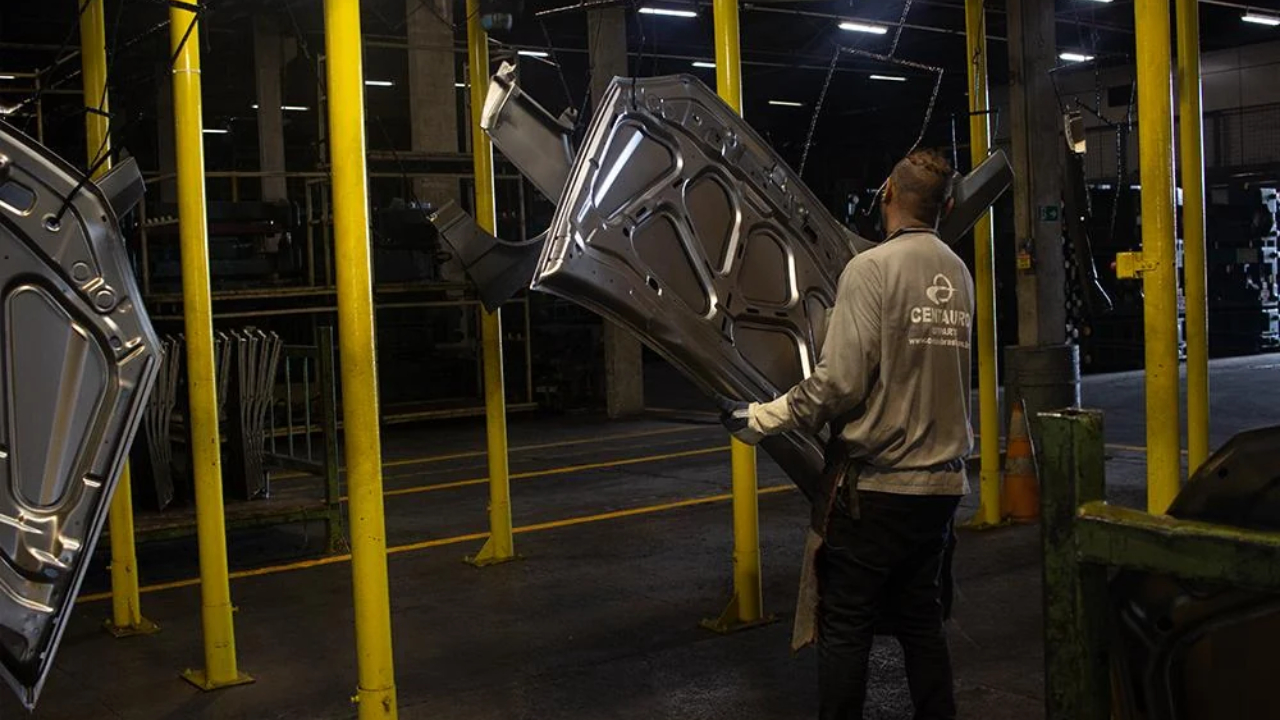
Manufacturer invests R$25 million in Guarulhos, modernizes plant and adopts anticorrosion coating for hoods on the Onix, HB20, Strada and Polo

-
Ford confirms Bronco Basecamp with more than 400 hp and up to 1,200 km of range for Brazil in 2027

-
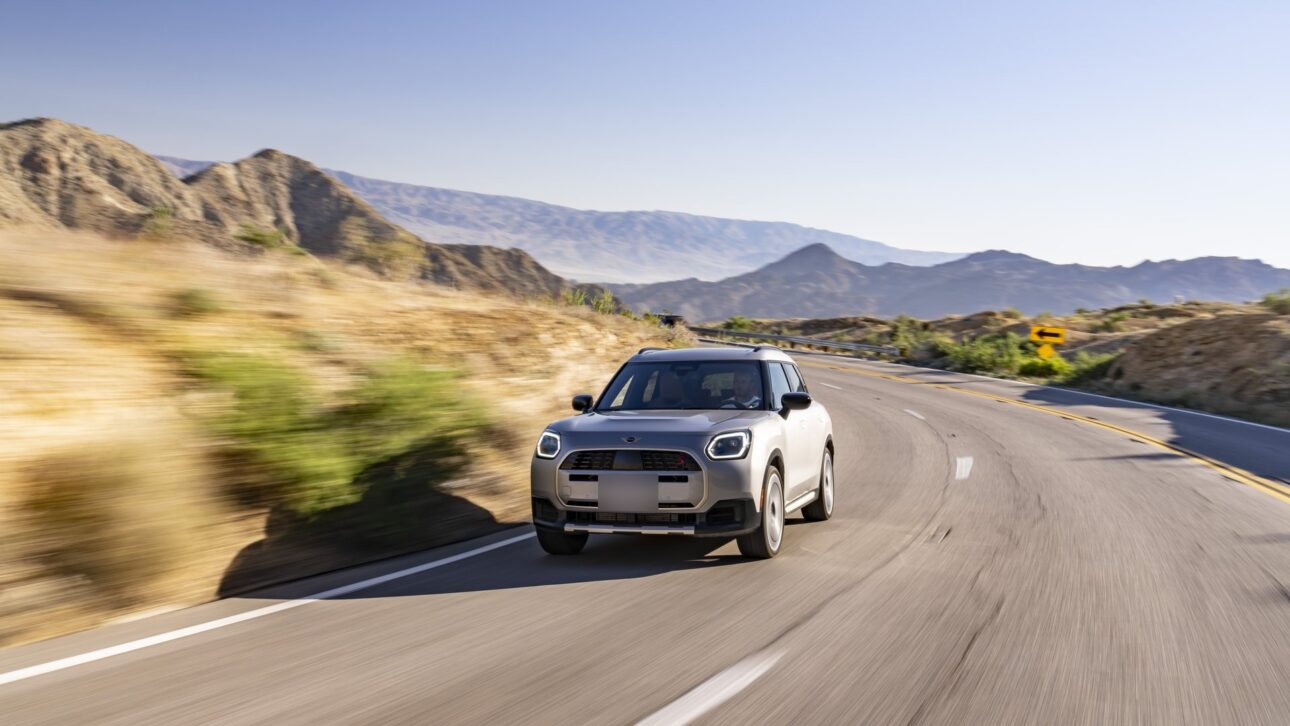
MINI SUV with 204-hp turbo engine, all-wheel drive, and panoramic sunroof arrives in Brazil for R$334,990, accelerating from 0 to 100 km/h in 7.4 seconds

-
BMW F 900 GS Sport arrives in Brazil for R$79,990 with an 895cc twin-cylinder engine producing 90 hp, a six-speed transmission with Shift Assistant Pro, an Akrapovič exhaust, heated grips and keyless ignition

The decline deepened as the year progressed. In the first half, manufacturers operating in Brazil had sold 17.8 million tires, down 6.8% from the 19.1 million sold from January through June 2025. Four months later, the cumulative decline had widened to 10.4%.
The report measures sales of products made in Brazil through the channels tracked by the association. The 10.4% decline therefore reflects the performance of the domestic industry, not an equivalent drop in all tire purchases by Brazilian consumers, who also buy imported products.
Replacement sales fell more than deliveries to automakers
The replacement market, where tires are bought to replace those already used on cars and trucks, contracted 13.5% through October. Deliveries by domestic manufacturers to automakers for new vehicles fell 4.5% year over year.
Domestic manufacturers continue to supply vehicles built in Brazil, but face stiffer competition when owners shop for new tires at retailers, distributors and automotive service centers. The sharpest contraction came in this replacement channel.
The replacement market was already under pressure in August. At the time, ANIP had reported a 13.3% decline in domestic sales through that channel, alongside an increase in imports. The October year-to-date results kept replacement sales as the industry’s main commercial weak spot.

Imported tires came to account for 71% of the replacement market
The association said that in October 2026, foreign-made tires captured 71% of Brazil’s replacement market. Tires made in Brazil accounted for the remaining 29%. In 2020, imports held just 26% of that market.
The trend was already evident in foreign trade data. From January through June, tire imports rose 81.2% from the same period in 2025, ANIP said. For January through August, the association reported a 58.3% increase, from 21.6 million to 34.2 million units.
These percentages cover different periods and should not be added to the decline in domestic sales. Market share reflects the ratio between tires made in Brazil and imported tires sold through a specific channel; import volume tracks goods entering the country.
ANIP President Rodrigo Navarro said competition from foreign products, particularly those from Asia, had widened the trade imbalance. The organization questions the prices charged by some importers and calls for stronger enforcement of technical and environmental requirements.
Brazilian agricultural tires also lost ground
The November report points to an even more difficult picture for agricultural tires: domestic manufacturers held 24% of this segment, the association said. That share is below the 29% recorded for the replacement market tracked by the industry.
Agricultural tires, used on farm machinery and equipment, have distinct characteristics and markets. The 29.1 million units reported for the first 10 months, meanwhile, comprise passenger-car tires, light commercial vehicles, and truck tires. These figures cover different segments and must be distinguished to interpret the indicators.
October sales rose 38.5%, but did not reverse the year’s decline
Despite the negative year-to-date result, sales by Brazilian manufacturers rebounded in October. They sold 38.5% more domestically made tires than in September, according to the report presented by ANIP.
The monthly recovery was strongest for passenger-car tires, which rose 47.2% from the previous month. Truck tires increased 5.9% over the same period, a more modest gain among products used on trucks and buses.
The indexes compare October with September 2026. They do not mean October sales exceeded those in October last year, nor do they change the January-to-October results. Even after the monthly rebound, the industry had lost more than 3.3 million tires year to date.
Import tariff reached 30% and inspections were stepped up
ANIP, Brazil’s tire industry association, said the government raised the import tariff on passenger-car tires to 30% in early November. The group also highlighted the resumption in October of non-automatic import licensing, a mechanism used to review documents and identify potential trade irregularities.
The Integrated Foreign Trade System (Siscomex) explains that this system allows authorities to conduct a preliminary review of transactions when violations are suspected, including discrepancies in information declared by importers. The measure does not amount to a general ban on foreign tire imports.
Because the tariff increase took effect in November, its impact is not reflected in the October sales comparison. Rodrigo Navarro said the association expects to begin seeing the effects of the new measures in December. October’s 38.5% increase came before the tax hike.
Nineteen factories and 35,000 direct jobs depend on the industry
The sector represented by ANIP includes 11 manufacturers and 19 factories across seven Brazilian states. The association’s corporate overview says the industry supports about 35,000 direct jobs and is part of a network that accounts for another 500,000 indirect jobs.
The facilities are spread across São Paulo, Bahia, Rio de Janeiro, Paraná, Santa Catarina, Rio Grande do Sul and Amazonas. Manufacturing involves suppliers of natural rubber, carbon black, chemical derivatives, steel and textile fibers, as well as distribution and tire retreading operations.
ANIP says the continued loss of domestic market share could undermine investment decisions and the use of industrial capacity. The October survey does not quantify factory closures or layoffs specifically caused by the 10.4% decline.

Industry awaits upcoming results to gauge the measures’ impact
November and December sales will show whether the rebound seen in October continued. They will also indicate whether changes to tariffs and import controls shift Brazilian manufacturers’ share of the replacement market.
For now, the confirmed result is 29.1 million domestically made tires sold in 10 months, down 10.4%, with foreign brands accounting for 71% of the replacement market. The October recovery gave the sector some breathing room, but cumulative sales in 2026 remained at their lowest level for that period since 2019.