
Project manager Takeshi Hoshino says Japan ultimately wants lunar water for rocket fuel, and on November 25 his JAXA team showed how the LUPEX rover will hunt for it, driving a test machine over rocks and a fake crater in Tokyo ahead of a planned fiscal 2028 launch.
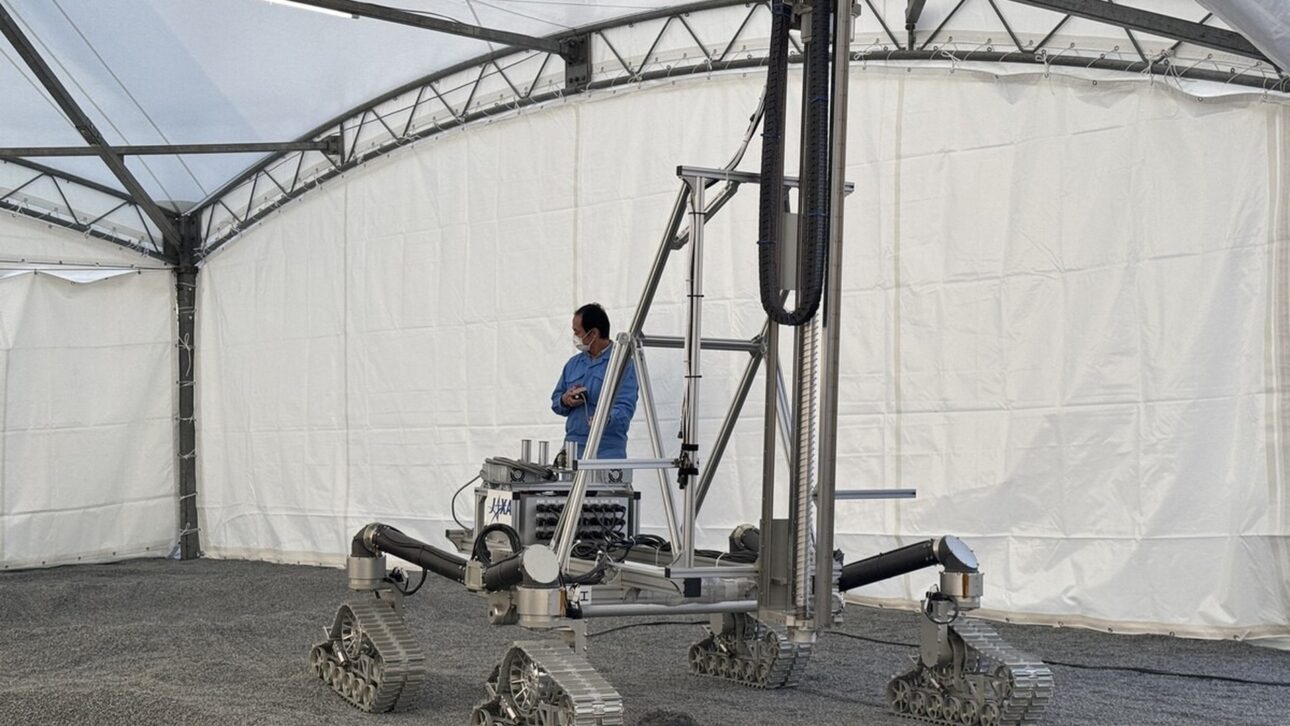
The demonstration took place at JAXA’s Chofu Aerospace Center in western Tokyo, according to Jiji Press, which reported that reporters watched a trial run of the testing rover for the Lunar Polar Exploration mission.
LUPEX is a joint mission with India, which is in charge of developing the lander, Jiji Press and The Japan Times reported. Japan supplies the rover and the rocket, according to Asia Daily.
The rover will carry observation and drilling equipment to the lunar south pole, where water is believed to exist, and is slated to launch on Japan’s H3 rocket in fiscal 2028, according to both outlets.
-
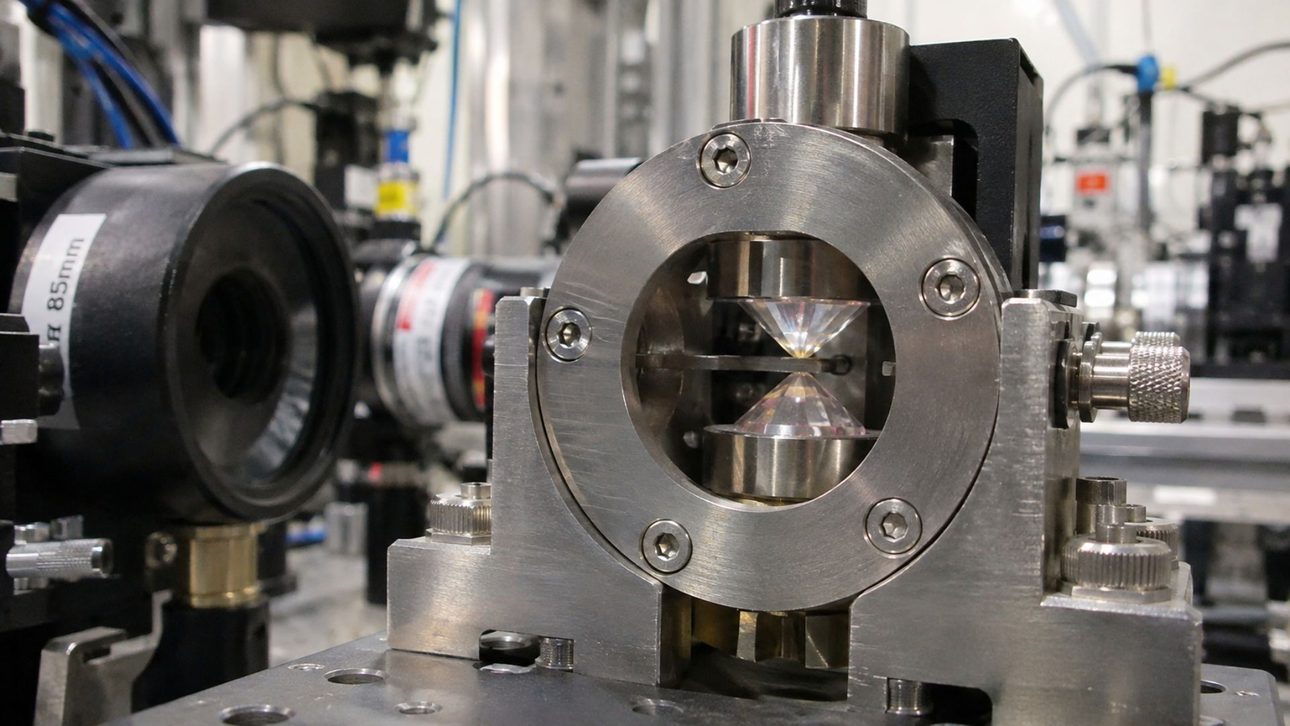
At Sirius, two diamonds compress a microscopic sample while X-rays reveal its structure in a Brazilian experiment reaching pressures above 100 gigapascals on the EMA beamline

-
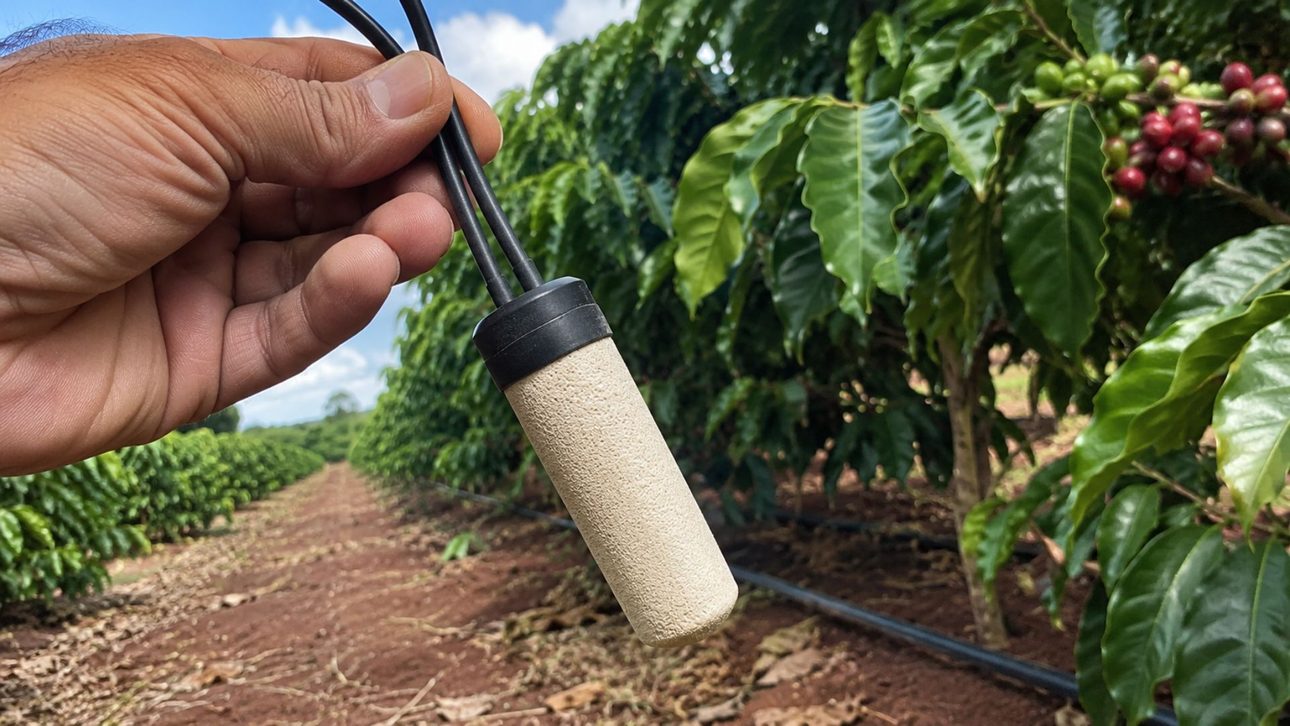
A 6-by-2-centimeter sensor guides irrigation and helped a coffee farm cut water use from 70,000 to 50,000 liters per hectare
-
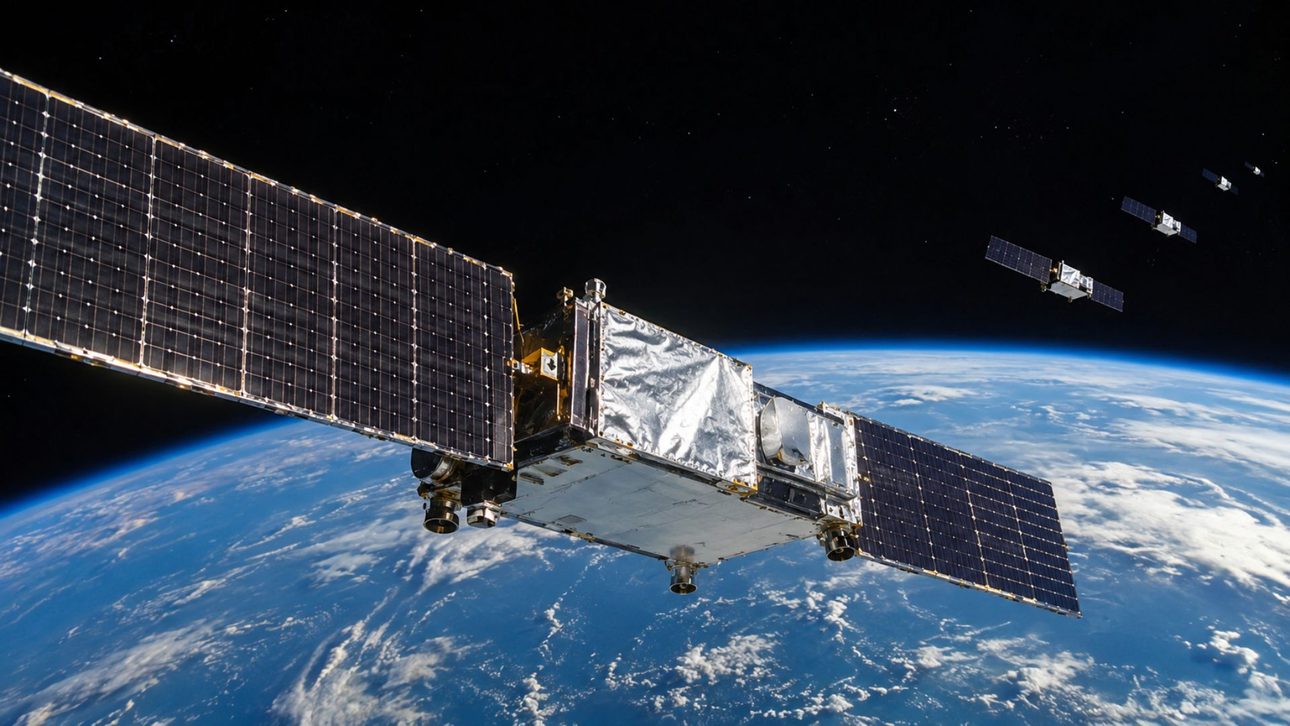
SpaceX receives partial radio authorization for project of up to 1 million data-processing satellites, with regulatory deadline for the first to operate by November 2033
-
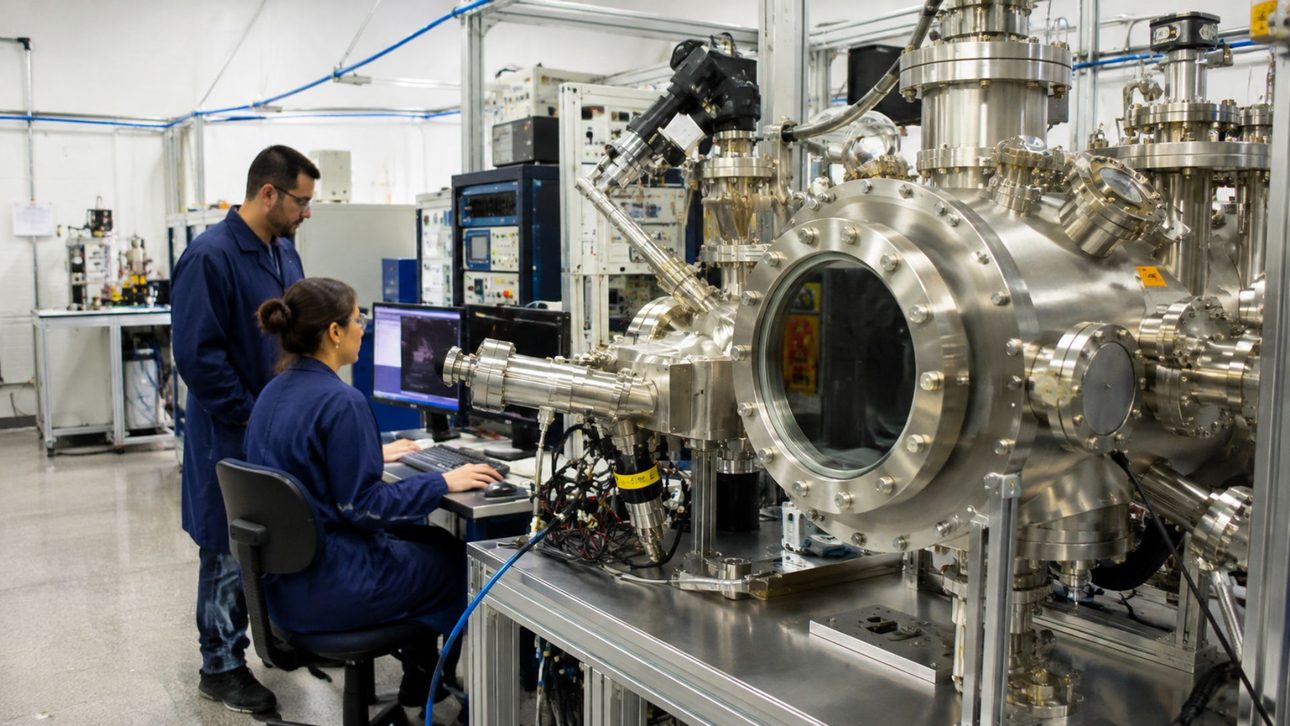
To measure graphene properties and analyze gases used in industry, Brazil’s Inmetro opens seven-laboratory complex in Xerém with 1,240 square meters of indoor space
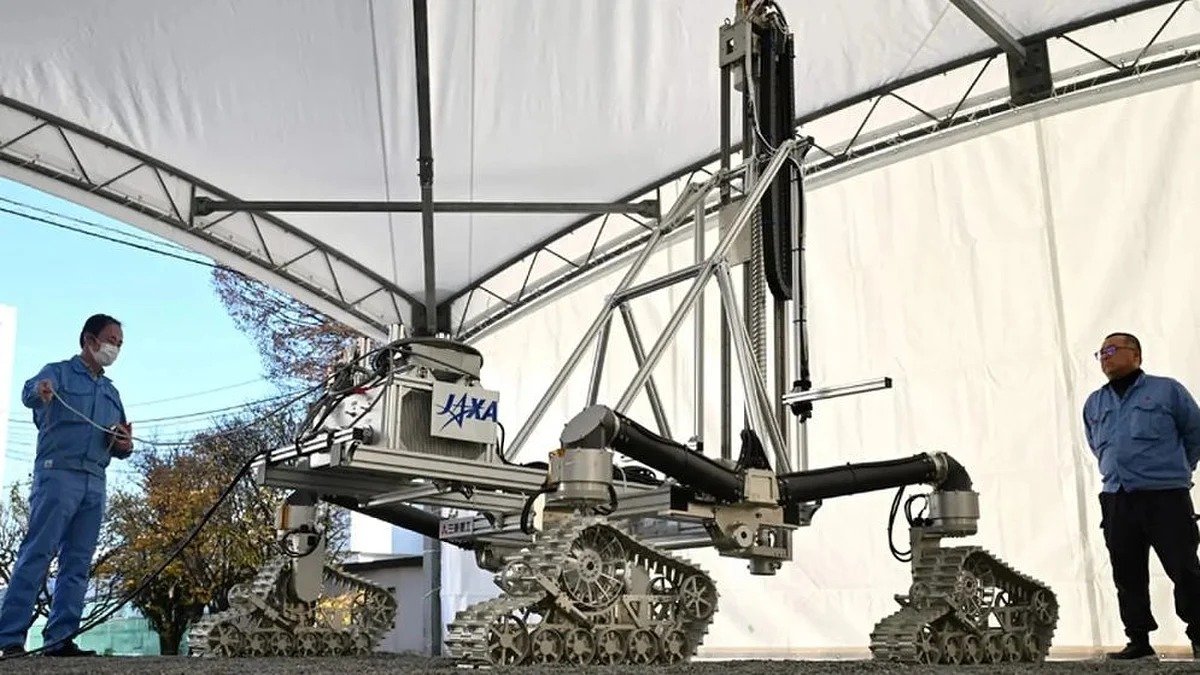
Four legs, four tracks and a fake crater
At the demonstration run, the rover moved slowly on caterpillar tracks attached to its four legs, The Japan Times reported. It crossed rocks and a depression built to simulate a lunar crater without difficulties.
The machine was developed to evaluate how a rover travels over regolith, the fine dust that covers the Moon’s surface, and to support work on drilling technology that can look for water beneath it, Jiji Press said.
Hoshino told reporters that earlier trials went beyond flat ground, including “climbing slopes using a single leg, continuous driving using two legs, and mobility trials under vacuum conditions,” according to Asia Daily’s account of the briefing.
Why the project manager talks about fuel
“Using a rover as a means of transportation is important as we move to the next stage of exploration beyond pinpoint landing missions,” Hoshino said, as quoted by The Japan Times. He added that drilling technology will also be useful for building a base on the Moon.
Asia Daily reported a blunter goal from the same briefing: “We ultimately want to use lunar water for rocket fuel.” Water split into hydrogen and oxygen can feed engines, and the oxygen can also be breathed.
Hoshino explained that the International Space Station recycles more than 90 percent of the water its crew uses, but a rocket burning hydrogen and oxygen throws water out of its exhaust, so that loop cannot be closed, the outlet said.
A 350-kilogram machine for a 100-day job
The flight version is expected to weigh about 350 kilograms with its instruments aboard and to work on the surface for about 100 days, with a full year as the optimistic ceiling, according to Asia Daily.
It will launch from the Tanegashima Space Center in Kagoshima Prefecture. Japan’s fiscal 2028 runs from April 2028 to March 2029, and a mission profile cited by the outlet gives 2028 to 2029 as the launch window.
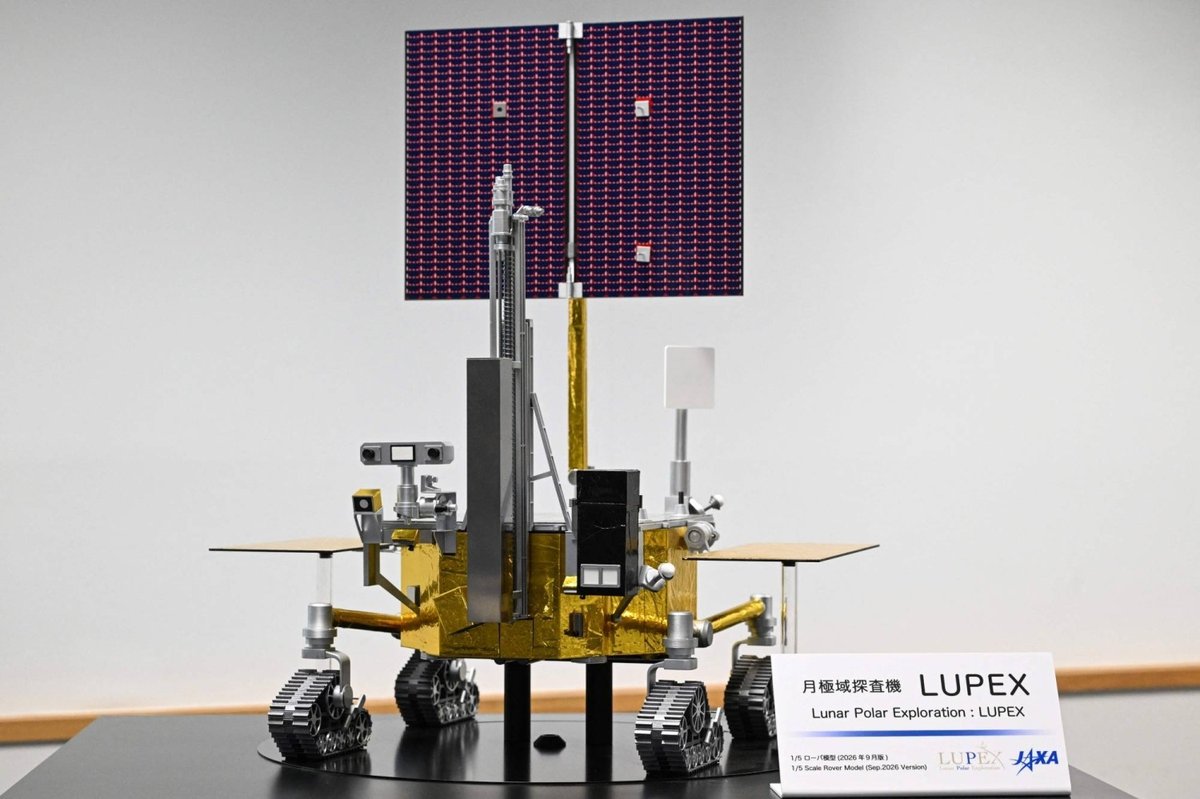
A smaller model of the rover, built at one-fifth scale, was also put on display in Tokyo, according to the photo caption published by The Japan Times with an AFP-Jiji picture.
A drill aimed at soil that never saw the Sun
JAXA describes the drill as reaching more than a meter below the surface, so samples come from soil never exposed to sunlight, Asia Daily reported. A mission profile puts the target depth at 1.5 meters.
The instruments are meant to answer three questions about lunar water: where it is, how much there is, and what form it takes. Permanently shadowed crater floors near the pole stay near minus 200°C, cold enough to keep ice frozen.
Japan, India, the United States and Europe all have sensors on the payload list, according to the outlet. They include a NASA neutron spectrometer that looks for hydrogen up to a meter underground and EMS-L, a European instrument that measures surface gas pressure.
India’s contributions listed by Asia Daily include WaSSPeR, a radar that scans up to 1.5 meters below the rover, and PRATHIMA, a probe pushed 20 to 30 centimeters into the ground to detect ice mixed into the soil.
An overweight rover goes back to the drawing board
Some of the payload is still described as candidate instruments. A rover found to be overweight is being redesigned, so the final set of sensors can change before launch, Asia Daily reported.
The redesign dropped radioisotope heater units in favor of insulation that keeps warmth in during the lunar night, a stretch of roughly 14 Earth days without sunlight, when solar panels cannot supply power.
The rover is also too heavy to ride inside the lander the way India’s Chandrayaan-3 rover did. It will travel on the outside and be lowered to the ground with a crane arrangement, according to the same report.
India’s side of the machine
India lists LUPEX as Chandrayaan-5. ISRO reworked the lander from the Vikram design that flew on Chandrayaan-3 in 2023 and added landing technology derived from JAXA’s SLIM probe, Asia Daily reported.
The heavier lander needs a bigger engine, and ISRO’s Liquid Propulsion Systems Centre developed one producing 3.1 kilonewtons of thrust. The lander must carry at least 420 kilograms of payload, according to the outlet.
The complete spacecraft will weigh about 6,650 kilograms at launch, and Mitsubishi Heavy Industries, which builds the H3, is also manufacturing the rover, Asia Daily said.
A ridge between two craters
The tentative target sits on a raised ridge between the Shackleton and de Gerlache craters, at 89.45 degrees south, according to the report. Images from Chandrayaan-2’s orbiter show the area strewn with small boulders.
Inoue Hiroka, a researcher on the LUPEX project team at JAXA’s Space Exploration Center, says choosing the exact spot is one of the biggest problems left, because level ground with sunlight and a clear communications path is scarce, Asia Daily reported.
NASA is also aiming its astronauts at the same region, a plan that has drawn debate inside its own crew corps, as covered in NASA’s plan to land astronauts at the lunar south pole.
What the mission costs Japan
A document prepared by Japan’s science ministry for the Space Activities Commission, dated April 24, 2024, puts Japan’s development cost at about 24.8 billion yen, not counting operations, according to Asia Daily.
India’s Union Cabinet approved the mission on March 14, 2025, and the two space agencies signed an implementing arrangement in August 2025, the outlet reported in its timeline of the project.
Where the hunt for lunar ice stands
Nobody has yet measured the ice the mission is chasing, Asia Daily noted. Other rovers have been designed around the same question, including Europe’s first lunar rover built to look for hidden ice.
For now, the Tokyo trial shows a machine that can crawl over rocks and climb out of a fake crater. Turning that into a working drill on a frozen ridge is the job left for 2028 and beyond.
Should Japan and India spend billions to find out whether ice at the Moon’s south pole can really become rocket fuel?