Portuguese
 Spanish


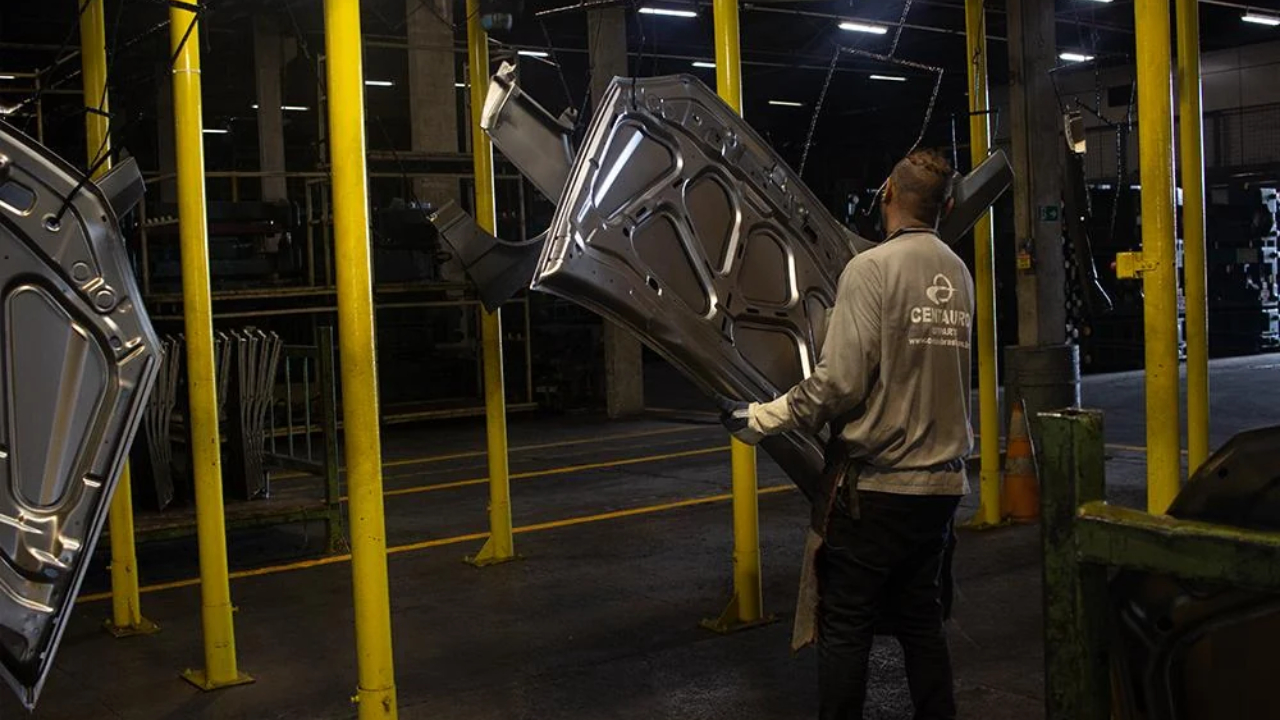

Centauro Auto Parts announced about R$25 million in upgrades to its 20,000-square-meter plant in Guarulhos, São Paulo. The plan includes overhauling presses, adding machinery and installing anticorrosion KTL coating for parts used in mainstream vehicles.
A Brazilian manufacturer of hoods and other body panels for vehicles such as the Chevrolet Onix, Hyundai HB20, Fiat Strada and Volkswagen Polo has invested about R$25 million to modernize its operation in Guarulhos, in Greater São Paulo. Centauro Auto Parts’ investment covers upgrades to presses, the purchase of machinery and the installation of a new anticorrosion coating line.
The company detailed the investment on November 26, 2026. The project is taking place at an industrial complex covering about 20,000 square meters. Its biggest new feature is KTL technology, which applies a gray protective coating to metal parts before they reach body and paint shops, potentially reducing preparation steps.
R$25 million boosts modernization at factory with a 56-year history
Centauro develops components for the automotive aftermarket, which serves vehicles needing repairs after collisions or replacement body parts. The factory is in the Bonsucesso neighborhood of Guarulhos and supplies a network of distributors and retailers serving several regions of Brazil.
-
Ford confirms Bronco Basecamp with more than 400 hp and up to 1,200 km of range for Brazil in 2027

-
MINI SUV with 204-hp turbo engine, all-wheel drive, and panoramic sunroof arrives in Brazil for R$334,990, accelerating from 0 to 100 km/h in 7.4 seconds

-
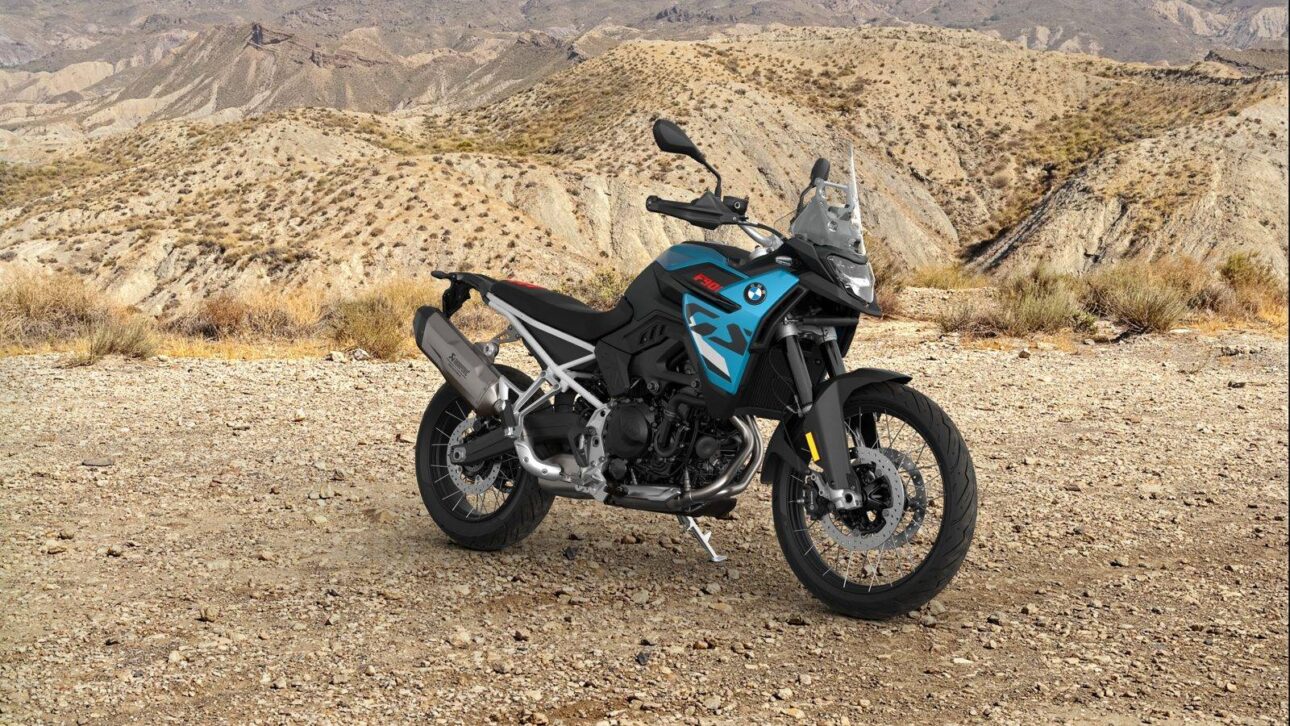
BMW F 900 GS Sport arrives in Brazil for R$79,990 with an 895cc twin-cylinder engine producing 90 hp, a six-speed transmission with Shift Assistant Pro, an Akrapovič exhaust, heated grips and keyless ignition
-
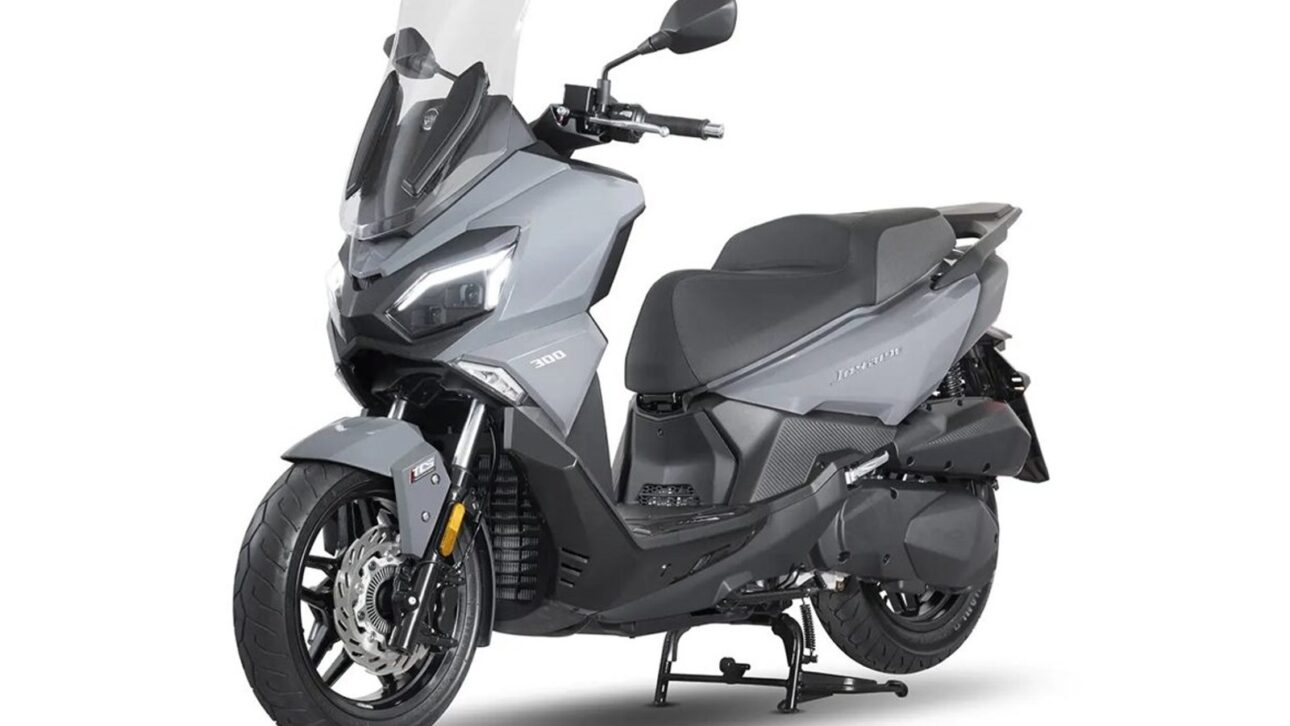
Dafra launches new-generation SYM Joyride 300 scooter in Brazil with a 278-cc, 26-hp engine, LED headlights, ABS and unchanged R$27,990 price with freight included


Chief Executive Renato Fonseca said the funding is part of a growth strategy built around technology, industrial efficiency and product improvements. The company described the investment as a step in upgrading its production infrastructure, with a focus on the competitiveness of domestic auto parts manufacturing.
The announced figure is approximate. The company did not publicly break down the amount allocated to machinery, press overhauls and coating, or disclose a specific number of new jobs directly tied to the project.
Upgraded presses and new machinery reshape body-panel manufacturing
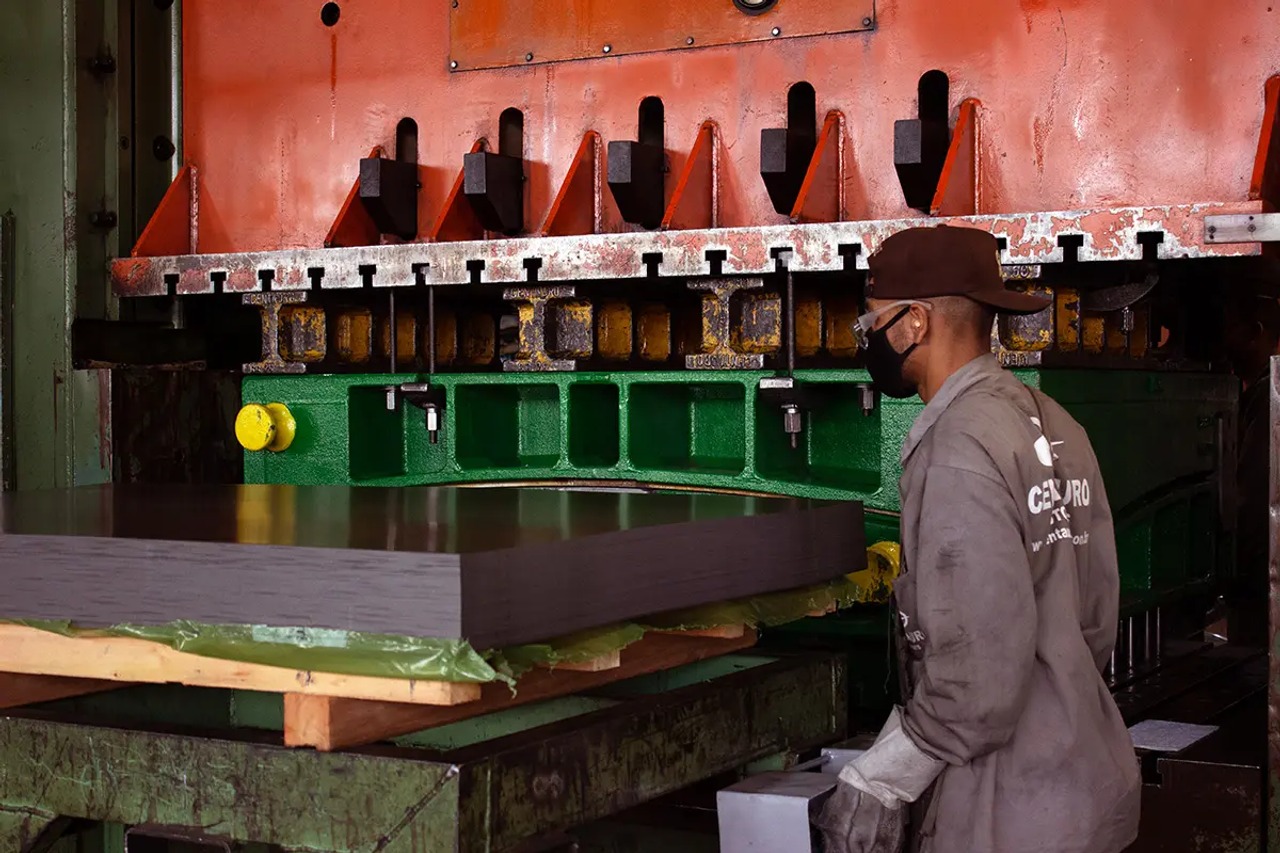
One part of the modernization is the retrofit of presses, meaning upgrades to existing industrial equipment. Rather than necessarily replacing an entire system, the factory can renew components and controls, extending the service life of machines used to shape sheet metal.
In its official description of its services, Centauro says it operates a heavy stamping shop with mechanical and hydraulic presses for forming steel parts. The plant also has equipment for three-dimensional laser cutting, used to cut and pierce components precisely.
Manufacturing begins with sheet-metal preparation, followed by stamping and trim cutting, and includes joining components through welding. A hood, for example, must have the right shape and mounting points to fit the body of the vehicle on which it will be installed.
The manufacturer explains that batches are inspected throughout the stamping and welding stages. The machinery upgrades are intended to improve process repeatability and prevent variations that make it harder for repair shops to fit the parts.
KTL line immerses parts in paint to create a barrier against corrosion
The most visible change is in the paint finish. Centauro has installed a KTL cathodic dip coating line, a process in which metal parts are immersed in a water-based paint solution and an electric current is applied to deposit the coating on their surfaces.
According to the technical explanation published by Centauro, dip application reaches folds, corners and internal areas that are harder to coat using conventional exterior painting methods. After preparation and the bath, the part undergoes thermal curing to set the protective layer.
The result is a gray anticorrosion primer that serves as a base for the finishing paint later applied by the body shop. The color also distinguishes parts treated on the new line, replacing the appearance associated with the manufacturer’s previous process.
The company highlights the coating’s resistance to moisture, salt and environmental agents. The goal is to protect body panels during storage, transport and use, while also providing a more uniform surface for repair work.
Body shop preparation could be up to 70% faster, manufacturer says
Centauro says the new finish can cut part preparation time by up to 70%, depending on the methods each body shop uses. The stated percentage applies to surface preparation, not to the time needed to complete an entire vehicle repair.
With the primer applied and cured at the factory, technicians can move on to inspecting the part, fine sanding and applying the final color. The part’s condition on arrival, the type of repair and the paint system used continue to affect the time actually required.
The company’s own sales materials link the process to lower material consumption and the elimination of some steps previously performed at the body shop. The stated savings are the manufacturer’s estimate and vary with each procedure.
Hoods for the Onix, HB20, Strada, Argo, Polo and Virtus already receive the treatment
The new technology has already been announced for hoods designed for widely driven vehicles in Brazil: the Chevrolet Onix, Hyundai HB20, Fiat Strada, Fiat Argo, Volkswagen Polo and Volkswagen Virtus. These are replacement parts compatible with those models, sold through Centauro’s distributors.
The presence of these parts in the catalog does not mean they are manufactured by automakers. Centauro operates in the independent auto parts market, supplying replacement body panels to repair shops, specialty stores and consumers who need to replace damaged components.
The selection is broad because different model years and versions of the same car may use distinct hood or fender designs. The application catalog identifies which part numbers fit each generation, helping prevent fitment problems during repairs.
Earlier plan called for R$21 million in investment; updated figure now reaches R$25 million
The modernization did not stem from a one-off decision. In a 2025 corporate post, Centauro had already planned to invest R$21 million through 2026 in improvements, including the installation of an anticorrosion KTL coating line, laser-cutting machines, industrial tools and changes to distribution center operations.
In an update presented in November 2026, the announced figure rose to about R$25 million, with a focus on presses, new equipment and coating. The figures reflect communications made at different points in the industrial plan and should not be added together as if they were separate investments.
The earlier announcement also called for modernizing material handling and increasing mechanization in logistics operations. The more recent statement, by contrast, focuses on changes directly related to production and body panel finishing.
Brazilian company maintains more than 4,000 products and exports to 20 countries
Founded in 1970, Centauro began by chrome-plating bumpers and started manufacturing auto parts in 1974. The company’s published history records its move to its current facility in Guarulhos in 1977 and the start of exports in 1993.
Its catalog includes more than 4,000 products for light and heavy vehicles, including hoods, fenders, panels, floor pans and truck cab components. The company says it sells parts in more than 20 countries across the Americas, Europe and Africa.
The company’s quality management system is based on the ISO 9001:2015 standard, and it also holds certifications for body panel products. The industrial modernization is taking place within a supply chain serving distributors, repair shops and vehicle repair companies.
New fender packaging extends protection all the way to the repair shop
The changes also extend to distribution. Centauro announced individual packaging for fenders, made from recyclable materials and provided at no additional charge to buyers. The aim is to protect the surface of the parts during transportation and storage, reducing the risk of damage before installation.
For the manufacturer, the challenge is now to combine the precision achieved in stamping with preserving the finish until the part reaches its point of use. Hoods with gray primer are already in the distribution network, while the company continues to upgrade its production facilities in Guarulhos.
The November announcement did not provide detailed projections for production growth or a single completion date for all the upgraded equipment. The concrete result announced so far is the addition of KTL coating to replacement parts, alongside an investment program worth about R$25 million.