





 Portuguese
  English
  Spanish
  3 min of reading
  1 comment


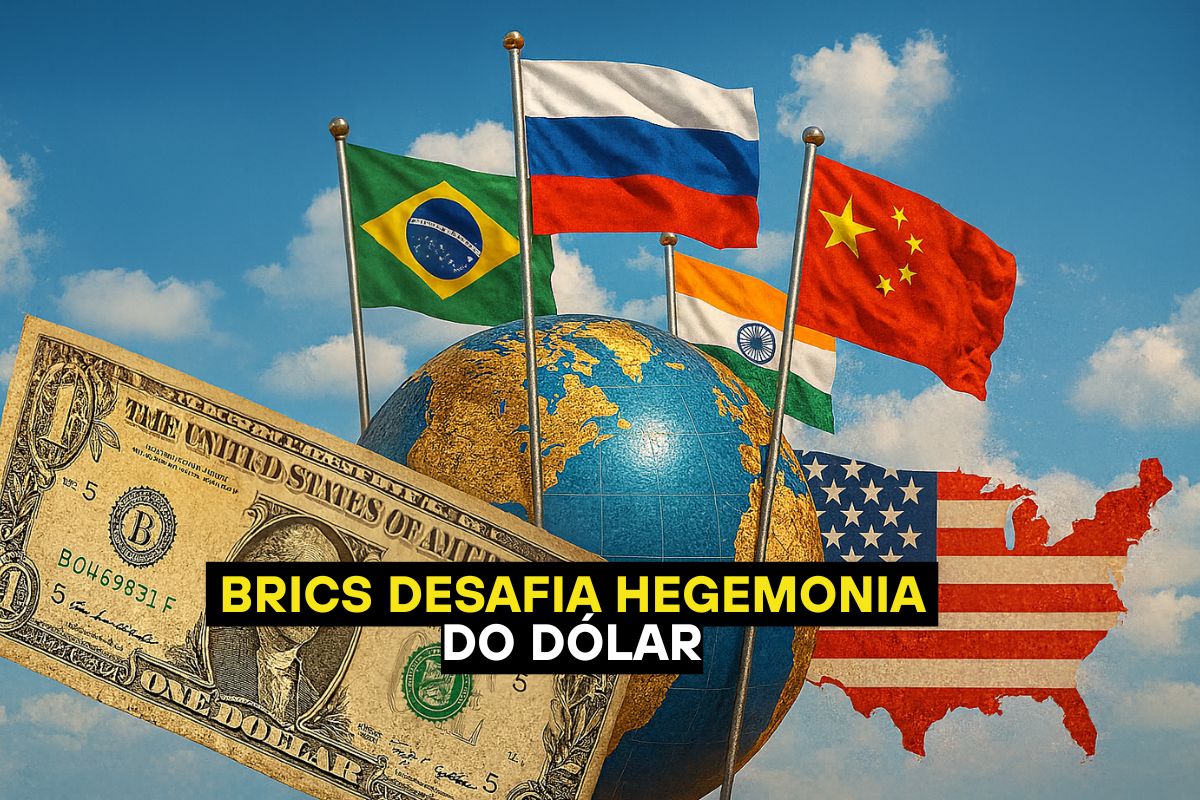


Block Already Represents 40% of Global GDP, Unites Half of the Global Population and Pushes for a Multipolar Order.
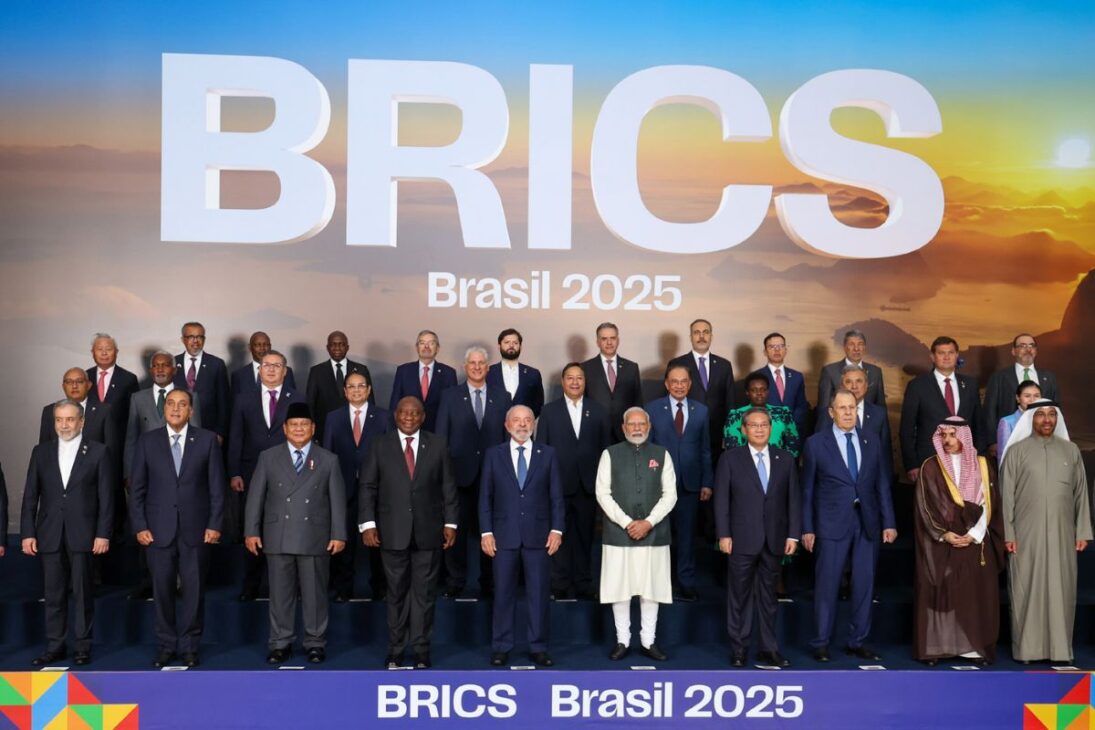
The BRICS Challenges the West in 2025 by consolidating itself as one of the most relevant economic and political blocs on the planet. According to an analysis published by Countercurrents, the group expanded to 11 countries now accounts for 40% of global GDP and almost half of the global population, numbers that challenge the supremacy of the G7 and the historical dominance of the dollar.
This advance does not occur abruptly, but rather through a gradual erosion of the unipolar order that marked the post-Cold War era.
While the United States and Europe face economic stagnation, an aging population, and debt crises, the BRICS bet on productive integration, trade in local currencies, and institutional alternatives to the IMF and the World Bank.
-
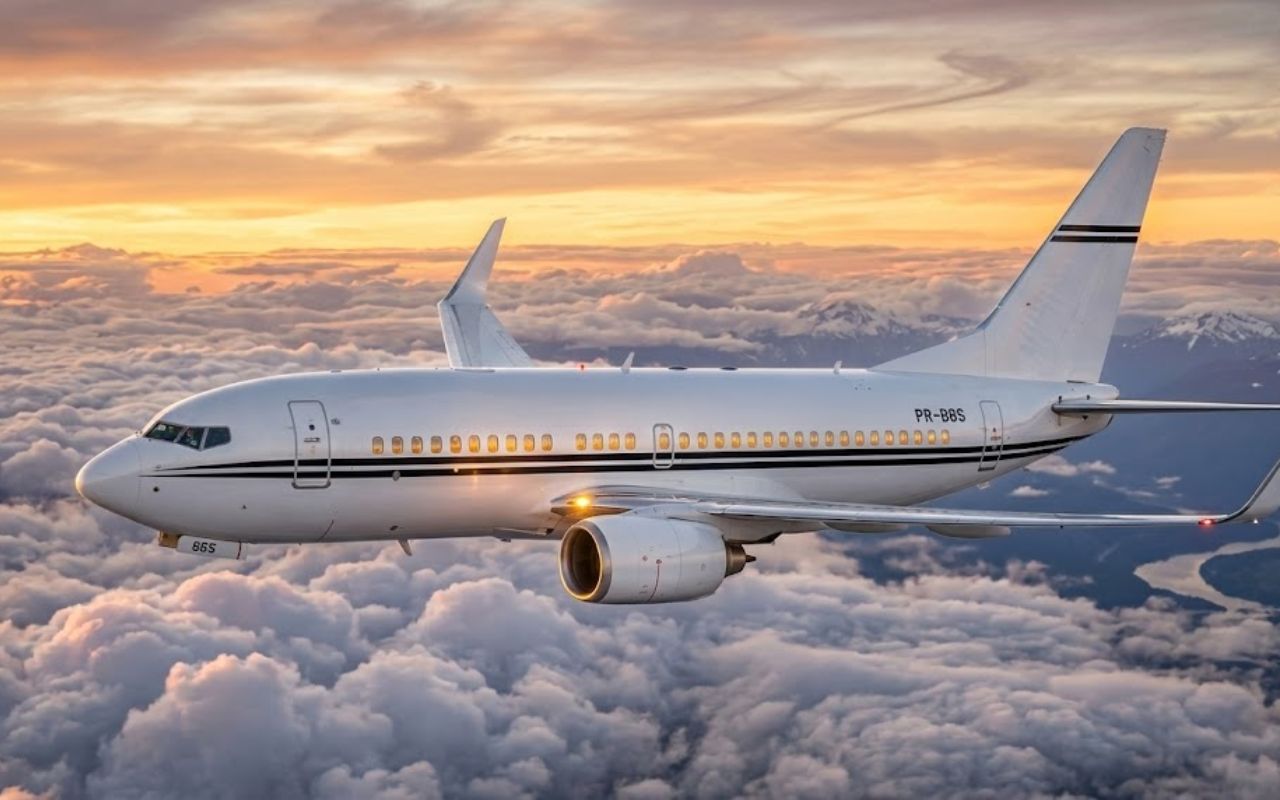
The largest executive jet in Brazil belongs to the Safra Family and is for sale: it is a 2002 Boeing BBJ, with a range of 11,500 km, 80 m² of interior space, a master suite, an office, and capacity for 18 passengers.
-
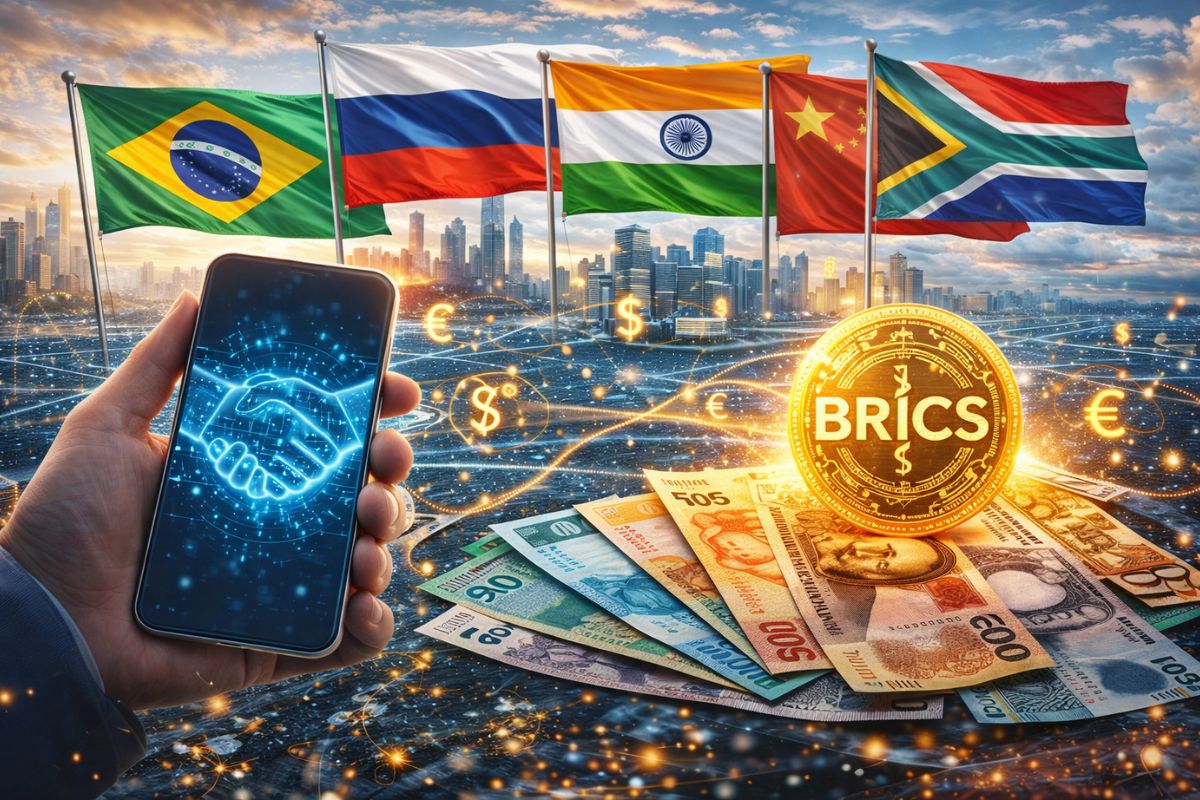
BRICS is building its own payment system that could be operational by 2030, and experts say it could increase trade between the countries by up to 10% per year and add 3% to the GDP of each member of the bloc.
-
Government suspends over 3 million traffic fines in Brazil and drivers breathe a sigh of relief.

-
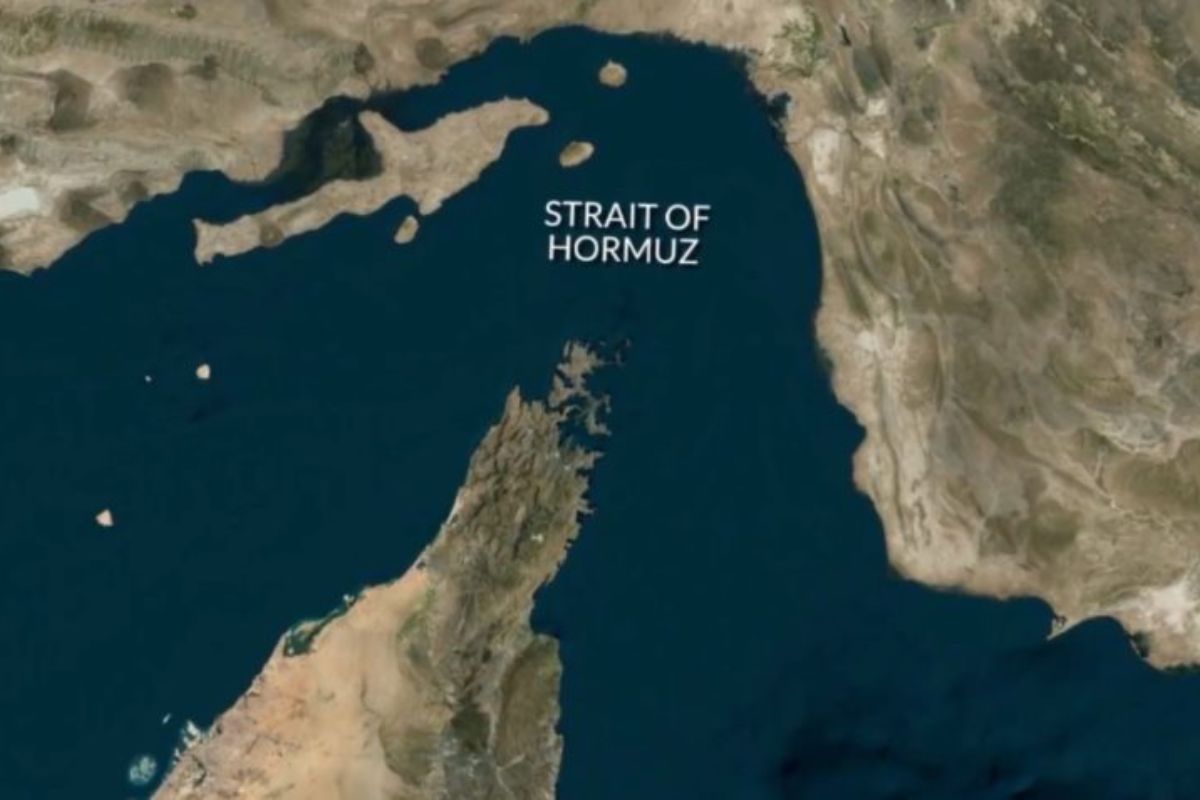
Iran has just approved toll charges for ships in the Strait of Hormuz and has completely prohibited the passage of vessels from the United States and Israel in the world’s most important maritime route for the global energy market.

What Is at Stake in the Global Dispute
The West is still trying to impose tariffs and diplomatic pressures to curb the bloc’s expansion, but the effect has been the opposite. The unity of the BRICS is born from pragmatism: protecting sovereignty, reducing dependence on Washington, and strengthening its own value chains.
In strategic sectors such as energy, the BRICS+ countries control more than 40% of global oil exports.
The entry of Saudi Arabia has intensified the pressure against the petrodollar, with negotiations already underway for contracts denominated in local currencies. This signals a historic break in how international trade is financed.
Energy, Climate, and Technological Transition
It’s not just about oil. China dominates global production of solar panels and batteries, India is emerging as a powerhouse in renewable energy, and Brazil presents itself as the climate guardian of the Amazon.
Meanwhile, South Africa is seeking funding to shift from coal to renewables, leveraging the New Development Bank, created as an alternative to the Bretton Woods system.
These initiatives indicate that the BRICS does not want to be just a consumer of Western technology, but a leader in the next energy and digital wave.
The Rio Declaration of 2025 reinforced this point by including artificial intelligence in the strategic agenda, advocating governance under multilateral UN principles, rather than under the monopoly of Silicon Valley.
A Post-Western Order in Construction
The BRICS is not free from contradictions. Rivalries such as China vs. India and Brazil’s global identity dilemmas test internal cohesion. Still, the bloc remains strong. Its strength comes less from ideology and more from a shared conviction that the world needs to be multipolar.
As highlighted by South African President Cyril Ramaphosa, the BRICS presents itself as “a powerful force for a fairer, more inclusive, and multipolar world order.” This moral legitimacy is central to its narrative: not only competing for economic space but rewriting the rules of the global game.
What is underway is not a sudden collapse of the West, but a process of gradual replacement of hegemonies with plurality.
The BRICS is today a draft of a new international architecture: imperfect, unequal, but inevitably more representative.
And you, do you believe that the advance of the BRICS will be enough to redefine the world order and reduce the dominance of the dollar?
Leave your opinion in the comments; your vision can enrich this debate that affects the economy of all of us.






Your blog is a shining example of excellence in content creation. I’m continually impressed by the depth of your knowledge and the clarity of your writing. Thank you for all that you do.