





 Portuguese
  English
  Spanish
  3 min of reading
  0 comments


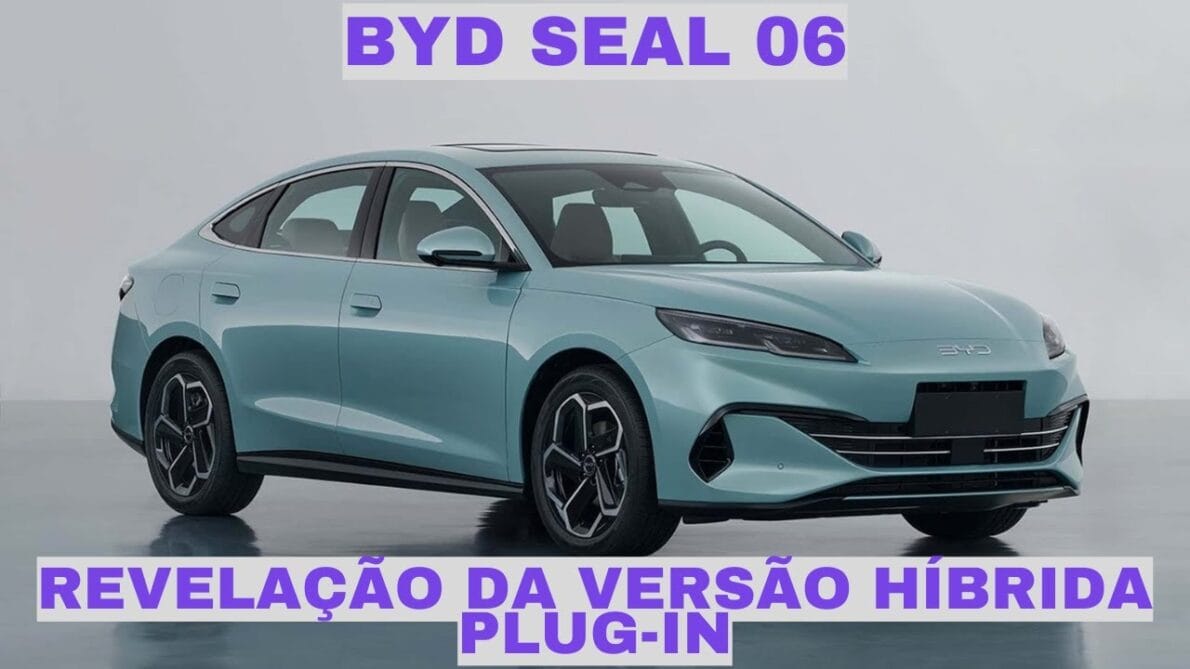
New Hybrid Car: BYD Seal 06 Was Presented by the Brand and May Arrive in Brazil Soon. The New Sedan from BYD Has DM-i Technology and Delivers a Range of 2,000 km.
The BYD Seal 06, a variant of the largest electric sedan available in Brazil, initially stood out for its DM-i hybridization technology. However, it was recently revealed that this model will mark the debut of the fifth generation of BYD’s plug-in system, boasting an impressive range of up to 2,000 km. In comparison, the BYD Song Plus, another hybrid vehicle from the brand, can travel 1,100 km on just one tank of fuel.
BYD Sedan Delivers Up to 100 Horsepower

The BYD Seal 06 will feature the DM-i system, which will allow the sedan to travel from São Paulo to Salvador without refueling and still have reserve left at the end. Fuel consumption would be 33.3 km/l using both the combustion engine and the onboard energy, achieving a mileage that only some older diesel cars could perform in Europe.
Considered by BYD as fifth generation, the DM-i system that will be used in the hybrid car has a 1.5 gasoline engine with only 100 horsepower, which is less than the 110 horsepower available in the Song Plus, for example.
-
An irregular parking case gains attention after a Mercedes Classe A was removed in such a strange way that it even raised doubts about damage to the car.

-
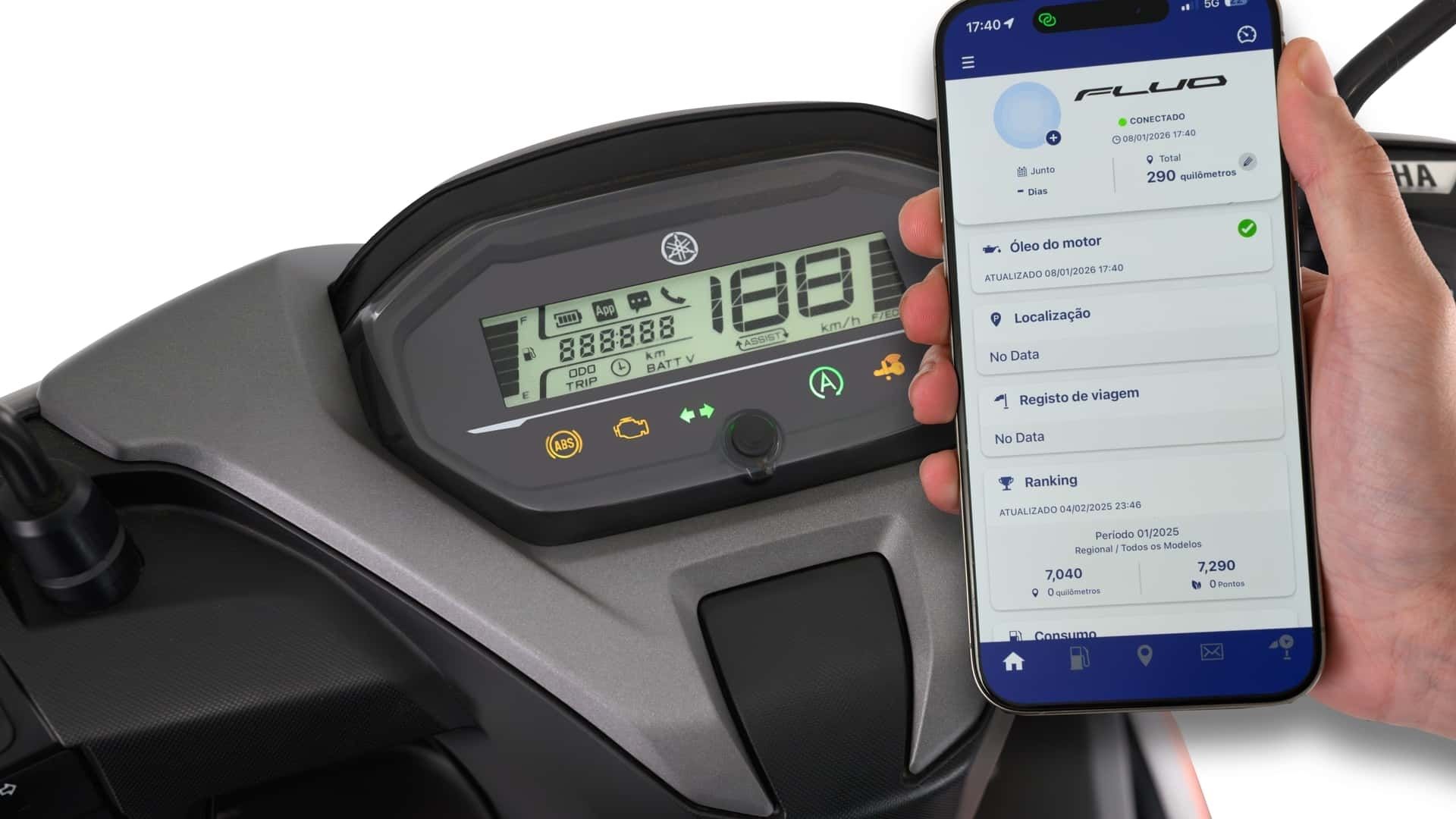
Costing R$ 16,000, the new Yamaha features a 125 cc hybrid engine with electric assistance, delivers 8.3 hp, includes ABS, optimized fuel consumption, Y-Connect connectivity, 25 liters of storage space, and a surprising 4-year warranty in the urban segment.
-
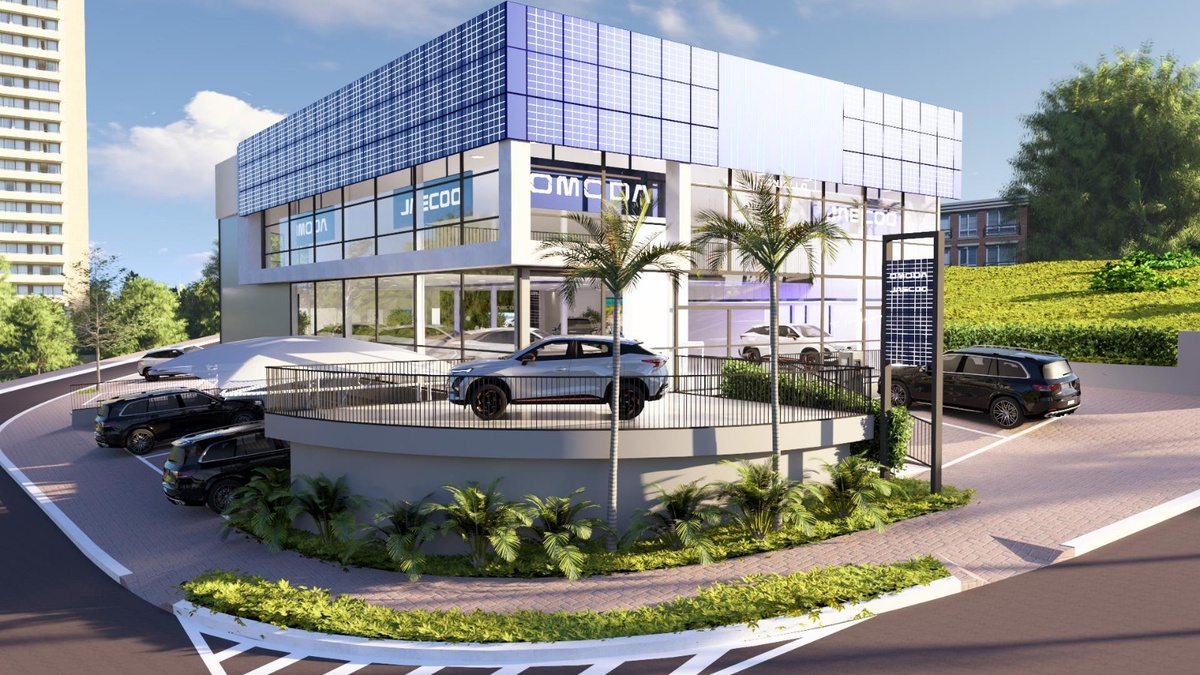
OMODA & JAECOO grows in Europe in 2026 with an integrated strategy of sales, innovation, local production, and technological advancement in the United Kingdom, Italy, and Spain.
-
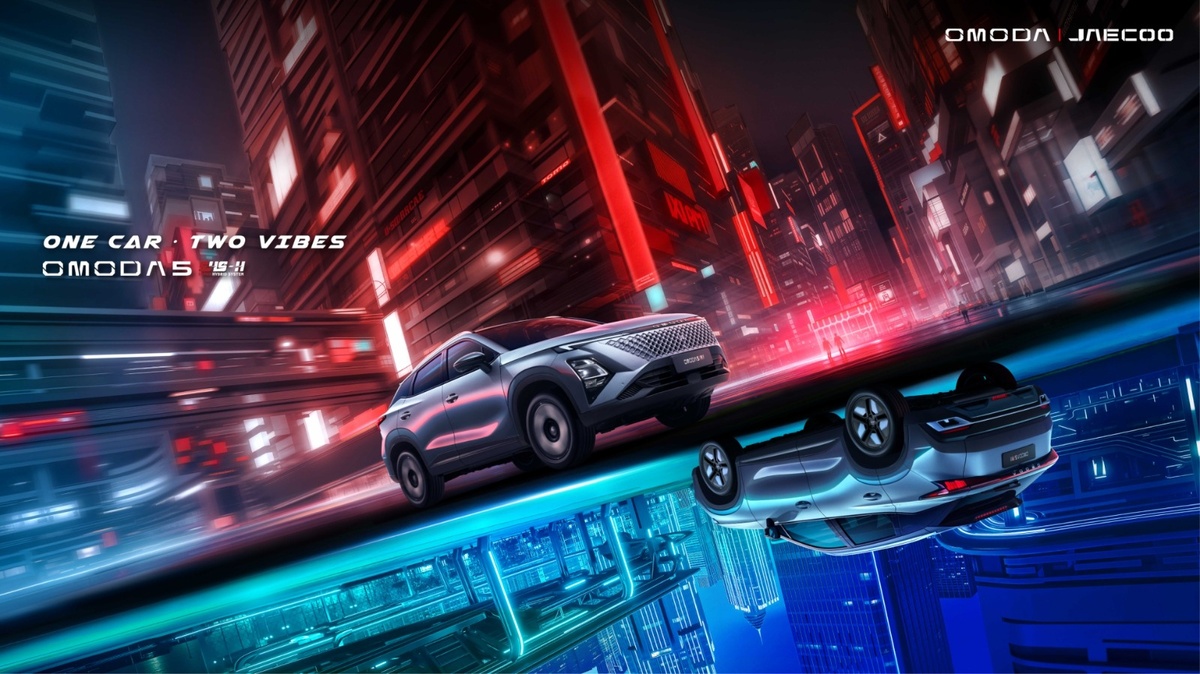
OMODA & JAECOO expands after-sales service in Brazil with competitive maintenance, a 7-year warranty, and high availability of parts for technological SUVs.

Two versions of the new BYD sedan will be offered, one with an electric motor of 162 horsepower and a lithium battery sufficient for 60 km of range, while the more powerful version of the BYD Seal 06 has 217 horsepower and a range of 90 km in electric mode.
With a length of 4.830 m, a width of 1.875 m, a height of 1.495 m, and a wheelbase of 2.790 m, the hybrid car has a fairly straightforward plug-in hybrid architecture, considering only these details, but its efficiency is truly impressive.
New Sedan from BYD May Arrive in the Brazilian Automotive Market Soon
The Beijing Auto Show is approaching, and the BYD Seal 06 is likely to be shown to the world, especially to Brazil, as the Chinese brand is bringing Brazilian journalists to the grand dragon showcase. Once launched in China later this year, the chances of it arriving here before the end of the year are high, as well as the confirmation of its production in the country, aiming to compete with the Toyota Corolla Hybrid.
With a range of 2,000 km and a price between 180 and 200 km, the new hybrid car has the potential to surpass the Japanese and take the lead after years in the midsize sedan segment. The two known versions of this DM-i version of the BYD Seal 06 could expand the model’s price range to between R$ 150,000 and R$ 200,000. Finally, with local production, the use of flex technology should drive down the impressive price with ethanol but will please the market.
BYD Already Sells Twice as Much as Fiat
According to the global car sales ranking data for 2023, published by Car Industry Analysis, from analyst Felipe Munoz on Instagram, the star of last year was BYD, which rose to 9th place and knocked Mercedes out of the top 10 ranking.
With 2.885 million cars sold (light commercial vehicles), BYD has shown itself to be a global phenomenon. The Chinese brand, which only manufactures electric and hybrid cars, ranks 9th and its sales are double that of Fiat, an unbeatable brand in Brazil, which is only in 18th place worldwide. Fiat also confirmed that it is the number 1 brand of Stellantis.
The victory once again went to Toyota, with a global sales record of 9.483 million cars, a considerable distance from the global runner-up, Volkswagen, which recorded 5.276 million light vehicles.








Seja o primeiro a reagir!