Portuguese
  Spanish


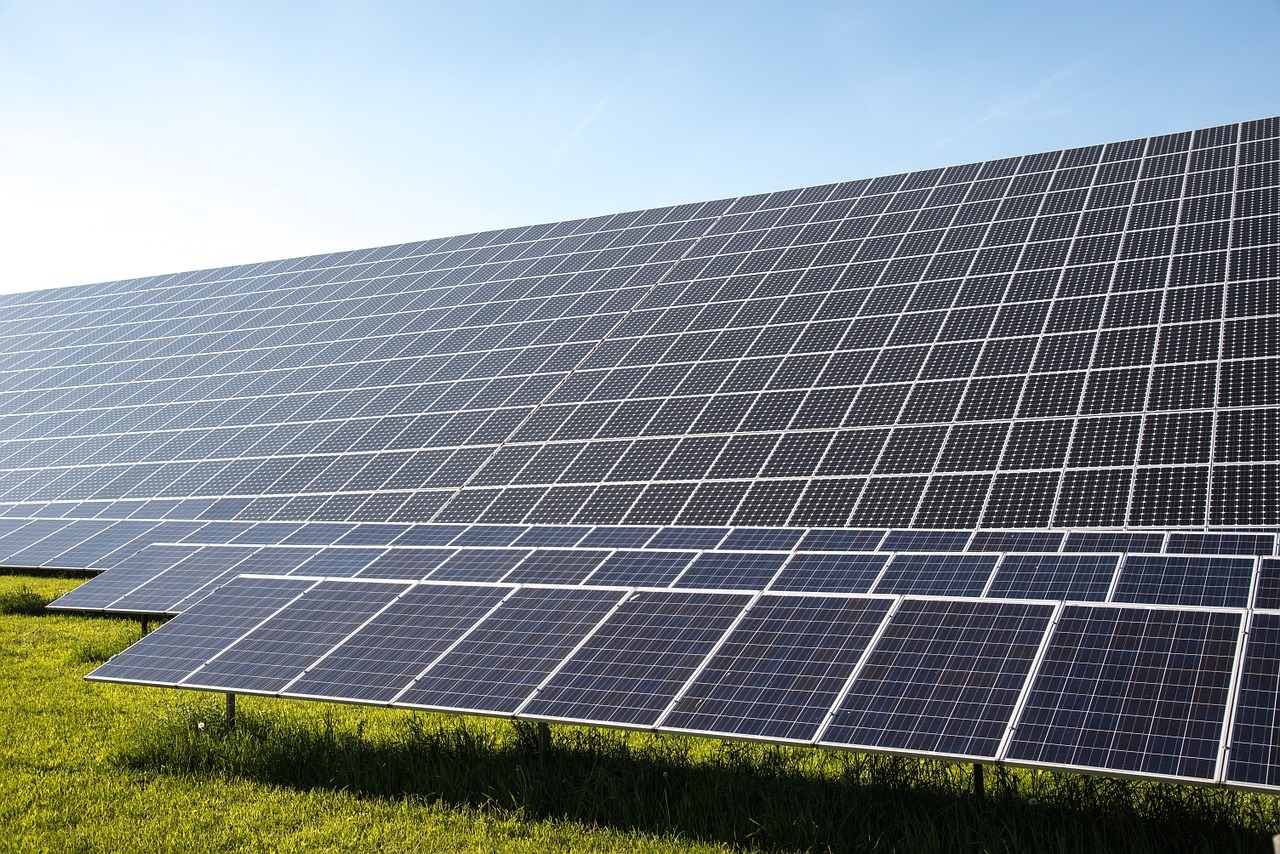

A Joint Venture Between Gerdau and Shell, After Cade’s Approval for Its Creation, Will Be Responsible for Investments and Exploration in the Solar Energy Market in Brazil, Focusing Mainly on the Solar Park Located in Minas Gerais.
The General Superintendence of the Administrative Council for Economic Defense (SC/Cade) approved last Friday, (06/01), the creation of the joint venture between Gerdau and Heze I Holding S.A., owned by Shell. Thus, the new company formed by the union of both will be responsible for the exploration of a solar power generation park in Janaúba, Minas Gerais, focusing on expanding the market in Brazil.
Joint Venture Between Gerdau and Shell Will Be Essential for the Company’s Focus on the Solar Energy Market, Leveraging Growth in the National Territory
Brazil has become a world leader in harnessing solar energy as an alternative and renewable energy source, and in recent years, various companies have been investing in the segment in the national territory. Now, it is Gerdau’s turn to invest its resources to harness the high potential for resource generation in Brazil through the investment in the creation of the joint venture with Shell.
Gerdau has a strong presence in the Brazilian market linked to the electric energy segment, with a large portfolio of steel production for use in industries and economic sectors such as construction, automotive, agriculture, energy, industrial, and manufacturing.
-
Brazil saved US$ 32.4 billion in 2025 by switching from fossil to renewable energy and only ranked behind China and the United States on the IRENA global podium.

-
Fired during apartheid and with a little borrowed money, an electrician started with a borrowed truck and transformed electrical services into a group connected to energy, real estate, and infrastructure in South Africa.

-
Wood has ceased to be just a construction material in Yale research and has become insulation for electrical transformers that face intense heat, aging, and increasing pressure from the renewable energy-powered grid.
-
More than 1,000 residents of a remote island in Kiribati now have clean water and electricity with solar systems operated by the community itself.


Shell, on the other hand, is a multinational group operating in the oil, natural gas, and fuels market worldwide, in addition to being widely present in the manufacture and commercialization of chemical products with a focus on energy generation and commercialization.
Therefore, although they have somewhat distinct focuses in the international market, the companies share a strong common interest and have been focusing on energy generation in recent years. Thus, the creation of a joint venture between them will result in a new company closely linked to the renewable market, such as solar energy.
Consequently, the company will primarily focus on investing in Brazilian territory, as the country is a global reference in harnessing the sun for energy production, and it will be primarily responsible for the exploration of a solar power generation park in Janaúba, Minas Gerais.
Cade Approved the Development of the Joint Venture Between the Companies Without Restrictions as the Union Poses No Risks to the Solar Energy Market in Brazil
The final opinion of Cade in support of the creation of the joint venture between Shell and Gerdau for the exploration of a solar power generation park in Janaúba, Minas Gerais, was significantly motivated by the lack of indications of risks to the energy market in Brazil.
This occurs because the companies have low market shares in the analyzed markets, with distinct focuses so far in Brazilian territory.
Thus, the General Superintendence of Cade conducted surveys and confirmed that the market shares held by the Shell Group and Gerdau Group in the generation of electricity in Brazil is less than 10%. The energy commercialization sector is also not strongly tied to the companies, which is why Cade does not believe there could be a market concentration or strong influences on supply and demand processes.
Should the Cade Tribunal not call for a contrary vote against the companies’ merger process, within a final period of 15 days, Shell and Gerdau will be able to proceed with the finalization of the joint venture creation and should soon begin investments in the solar energy market in Brazil.