





 Portuguese
  English
  Spanish
  4 min of reading
  0 comments



Discover How Oil and Gas Training Shapes Professionals for One of the Most Strategic Sectors in the World, with Historical Context and Future Vision.
Oil and gas training is a fundamental topic for anyone looking to understand the behind-the-scenes of one of the most influential industries on the planet.
If you want to work in the sector or just comprehend its economic and social importance, knowing the training of professionals is essential.
In this article, we will explore how the need for training in this area arose, which sectors are involved, and why this training remains relevant even in the face of current challenges.
-
The rise in oil prices could ensure an extra revenue of R$ 100 billion for the Federal Government, indicates a recent economic study.

-
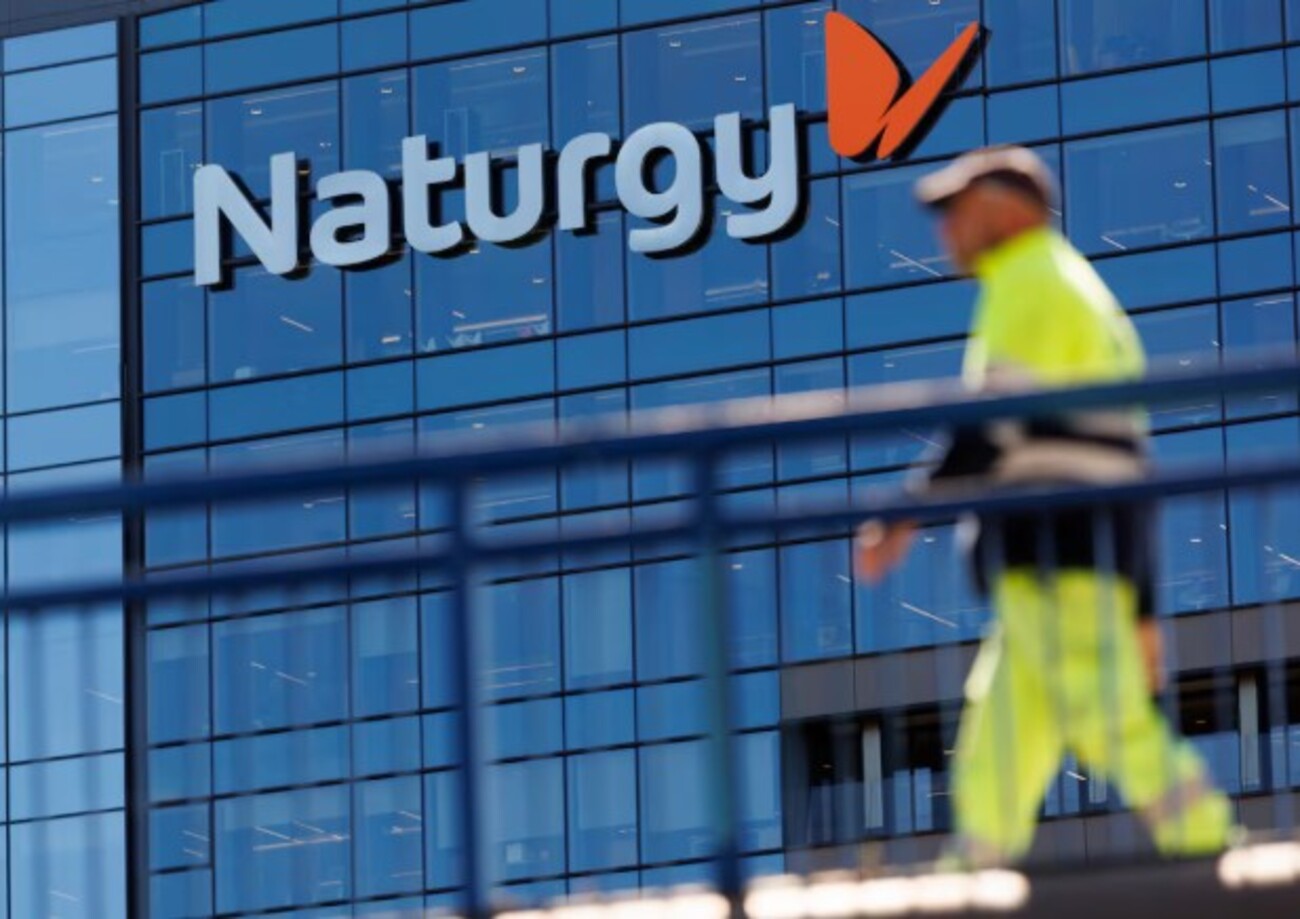
Naturgy begins an investment of R$ 1.6 million to expand the gas network in Niterói and benefit thousands of new residences and businesses.
-
A major turn in the Justice system suspends tax increases and directly impacts oil and gas companies in Brazil by affecting costs, contracts, and financial planning, leaving uncertain what could happen to the sector if these costs had increased.

-
Brava Energia begins drilling in Papa-Terra and Atlanta and could change the game by reducing costs in oil while increasing production and strengthening competitiveness in the offshore market.


The history of the modern oil industry began in the mid-19th century.
According to the U.S. Department of Energy (DOE), the first commercially viable well was drilled by Edwin Drake in 1859, in Pennsylvania, an event that marked the beginning of commercial oil exploration worldwide.
This historical milestone laid the foundation for the development of an industry that would revolutionize the global economy.
In the early decades, worker training happened almost exclusively practically, without much formal structure.
However, with the advancement of technology and the increasing complexity of processes, the urgent need for specialized technical and higher education programs arose.
In Brazil, for example, training in the area gained momentum with the creation of Petrobras in 1953.
As reported by the Brazilian Institute of Oil and Gas (IBP), the Brazilian state-owned company invested heavily in technical and academic training for national professionals, reducing dependence on foreign labor and fostering the development of the sector in the country.
The growth of major international oil companies, known as “Big Oil,” also contributed to this demand for qualified professionals.
As the IBP highlights, these companies needed specialized teams to operate in various regions of the world, manage complex projects, and ensure operational safety.
Therefore, training became a fundamental pillar for the sustainable development of the industry.
Multidisciplinary Training and Current Sector Demands
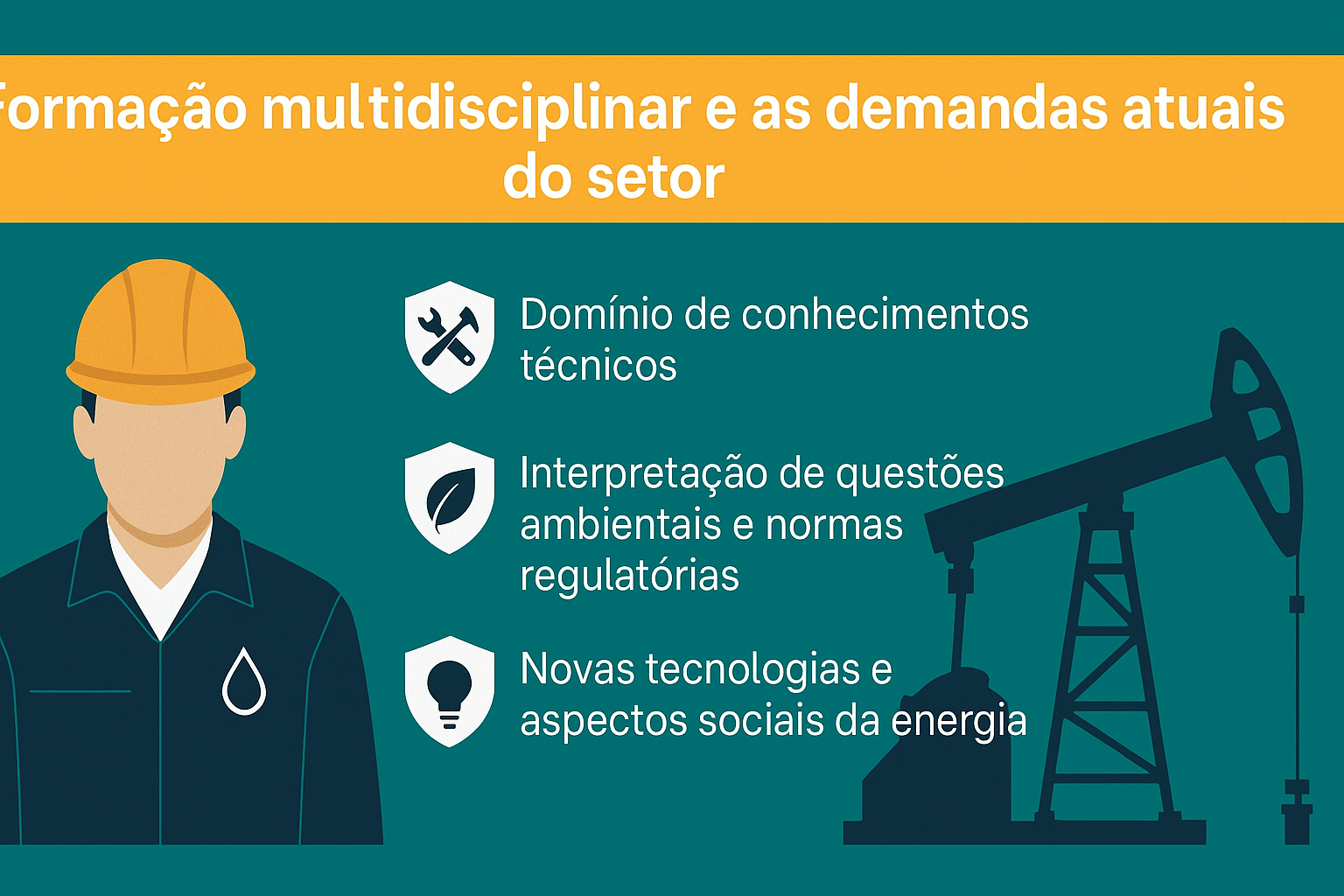
Today, oil and gas training requires multidisciplinary education.
This means that professionals must master technical knowledge, but also understand environmental issues, regulatory standards, new technologies, and social aspects related to energy.
A petroleum engineer, for example, needs to understand everything from reservoir formation to extraction and production processes.
A operations technician, on the other hand, must be prepared to handle equipment and respond quickly to risk situations.
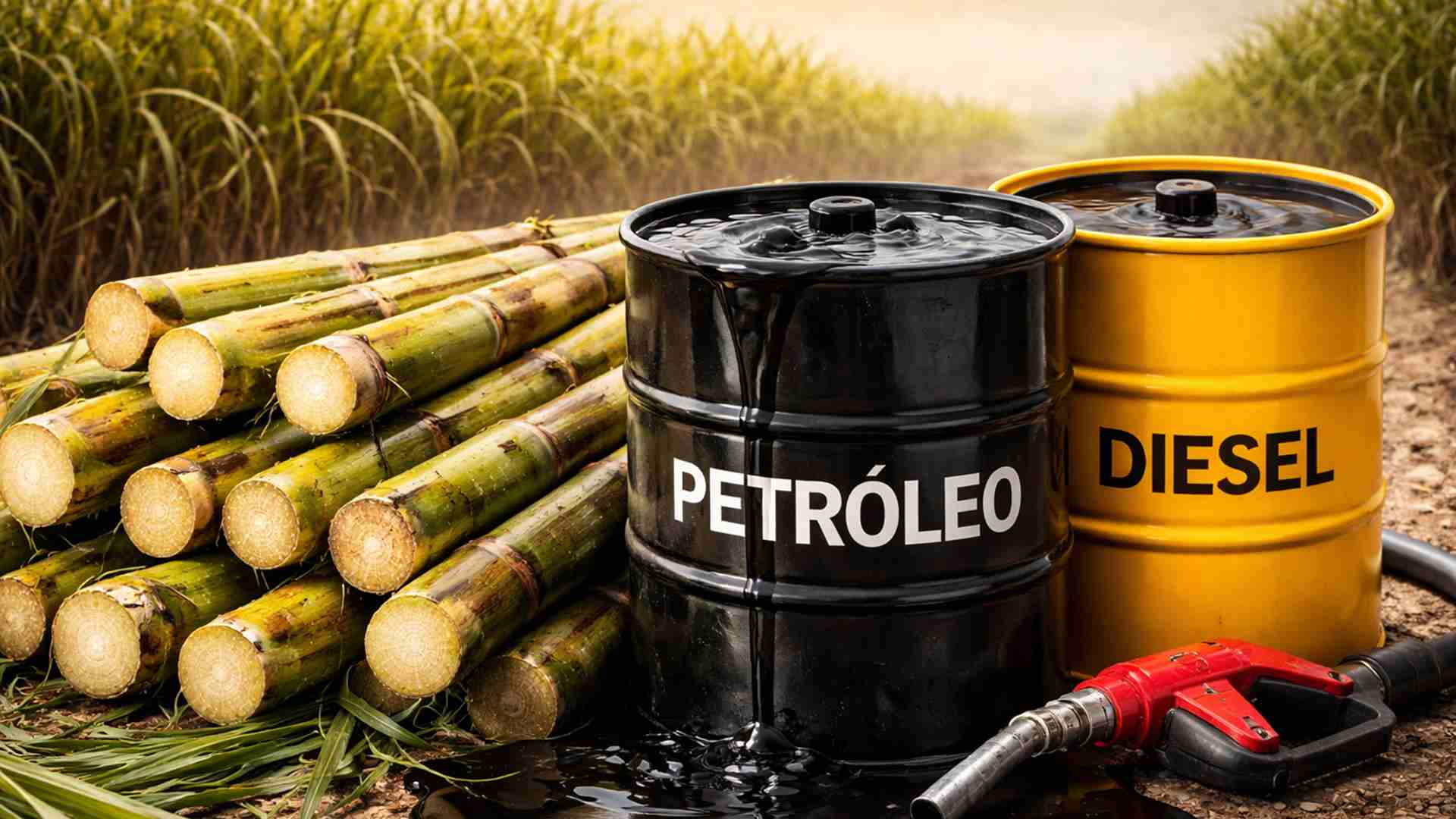
Furthermore, the sector encompasses the entire production chain, from exploration to the distribution of derivatives like gasoline, diesel, and natural gas.
According to the Ministry of Mines and Energy (MME), adequate training is essential at all these stages to ensure efficiency and safety.
In recent decades, sustainability has gained prominence in training.
The sector needed to adapt to minimize environmental impacts, meeting the demands of Brazilian and international regulations. The MME emphasizes that, starting in the 1990s, there was a tightening of environmental standards, forcing companies and professionals to adopt more responsible practices.
Today, training includes sessions on emission reduction, waste management, and ecosystem protection, especially in offshore operations, which require special care.
Despite the advances in renewable energy, oil and natural gas remain essential for the global energy matrix.
The International Energy Agency (IEA) reports in its 2023 report that these sources account for more than half of global energy consumption, highlighting the ongoing importance of the sector and consequently, of training.
Countries with large reserves, such as Brazil, maintain a constant demand for trained professionals to operate advanced technologies and ensure safety.
Transforming Technologies and Paths for Training

The oil sector is undergoing constant technological evolution. New tools such as automation, data analysis, artificial intelligence, and remote monitoring are transforming operational routines.
Therefore, training needs to keep pace with these changes. Courses and training programs must update professionals to handle these innovations.
Moreover, digitalization allows for remote control of operations, which requires digital skills from workers.
In Brazil, various institutions offer training for this sector.
The National Service for Industrial Training (SENAI) and federal universities provide technical and higher education courses. According to the IBP, there are also corporate programs that keep employees aligned with best practices and standards.
Safety is another central focus in training, as the industry deals with flammable materials and high-risk environments.
Professionals need to master not only technical aspects but also international standards and safety protocols, reinforcing the importance of both theoretical and practical training.
Training, Employability, and Contribution to the Country

Training directly impacts employability in the sector. Even in times of economic instability, the oil and gas industry offers opportunities for qualified professionals.
According to the Brazilian Institute of Geography and Statistics (IBGE), the sector accounts for about 10% of Brazil’s industrial GDP, demonstrating its economic importance.
Moreover, the internationalization of operations allows Brazilian professionals to work abroad, expanding their opportunities.
Investing in training is not just a job search; it’s a contribution to national development.
A strong sector with a qualified workforce generates jobs, taxes, and boosts the economy.
Throughout history, we have seen that countries investing in technical and academic training in the energy sector tend to grow more sustainably and safely, according to studies by the IBP and the MME.
Thus, training in the oil and gas sector remains a key piece in facing the energy challenges of the present and future.
In summary, training is not just a concept but a continuous and essential process for the success of the industry and the formation of professionals prepared to act in a constantly transforming sector.









Seja o primeiro a reagir!