





 Portuguese
  English
  Spanish
  3 min of reading


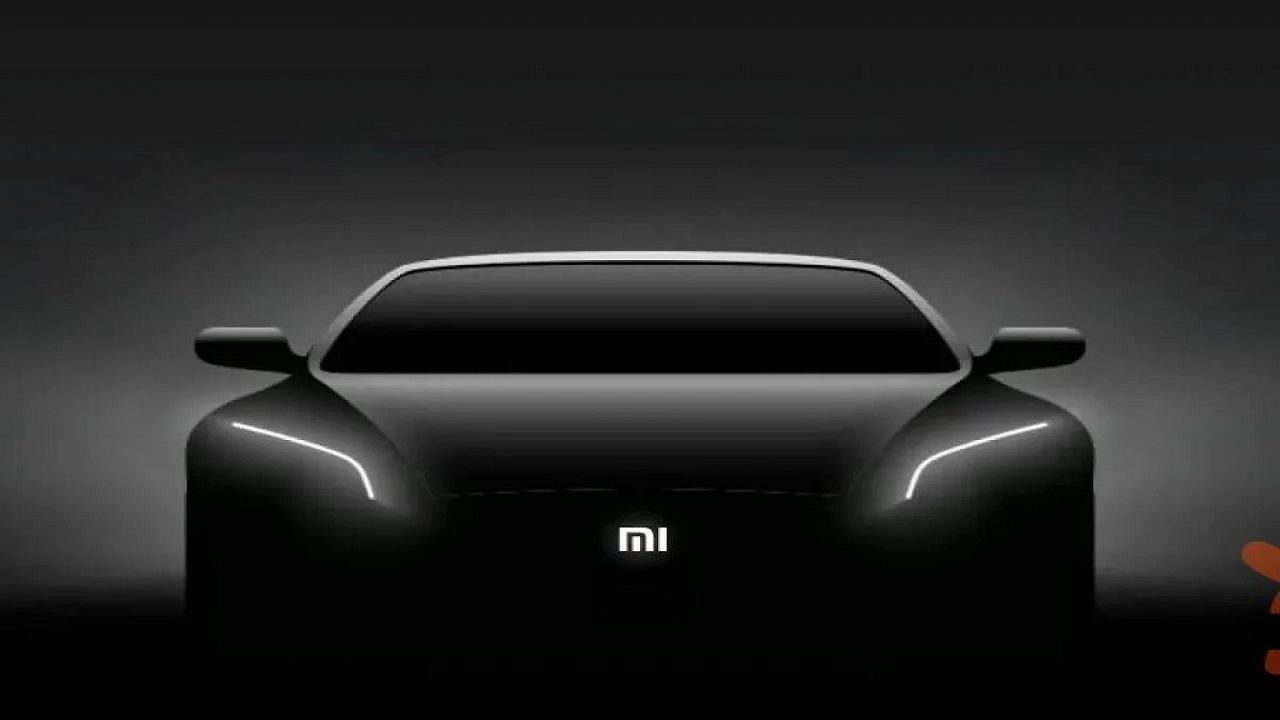
The News Comes Via Chinese Press And The Whole World Is Already Waiting For The Launch Of Xiaomi’s Electric Car. Check Out The Details Below.
After officially establishing an automotive division in early 2021, the Chinese manufacturer Xiaomi, also famous for making smartphones that have won the hearts of people worldwide, will officially present its first electric car prototype in mid-August, something totally innovative. The news circulated widely around the globe after the Chinese press took charge of the announcement.
Xiaomi Will Launch Electric Car Prototype
The electric car prototype from the Chinese manufacturer Xiaomi will still go through several necessary stages to complete the vehicle’s development process before entering production, which is expected to happen only in 2024.
According to the Chinese press, Xiaomi’s electric car will be a super luxurious and well-equipped model. It is estimated that the car will come with an autonomous driving system.
-
The German economist Wolf-Peter Schill has no doubts: “Electric cars are already far superior to cars with internal combustion engines.”

-
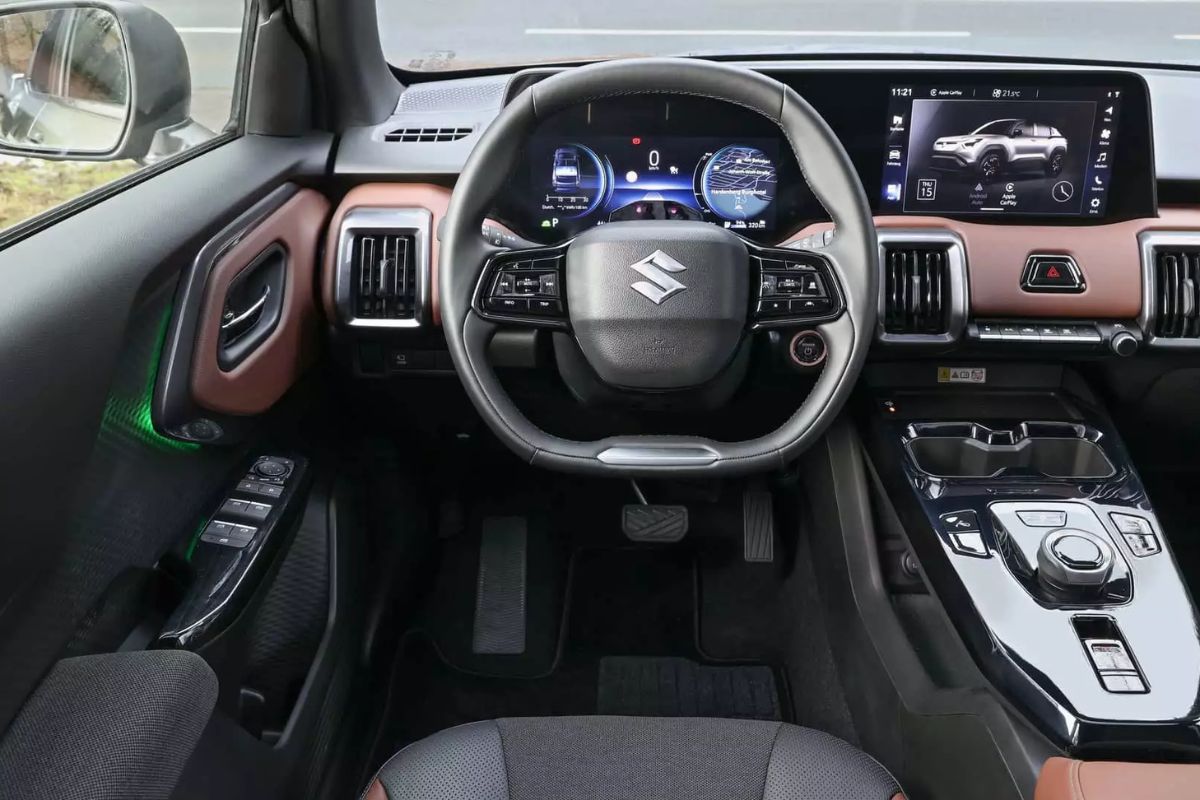
The 2026 electric Vitara arrives in Brazil and proves that Suzuki is not leaving: 4×4 traction, 184 hp, 61 kWh LFP battery, 293 km range, R$ 259,000, and a trunk capacity of 224 L.
-
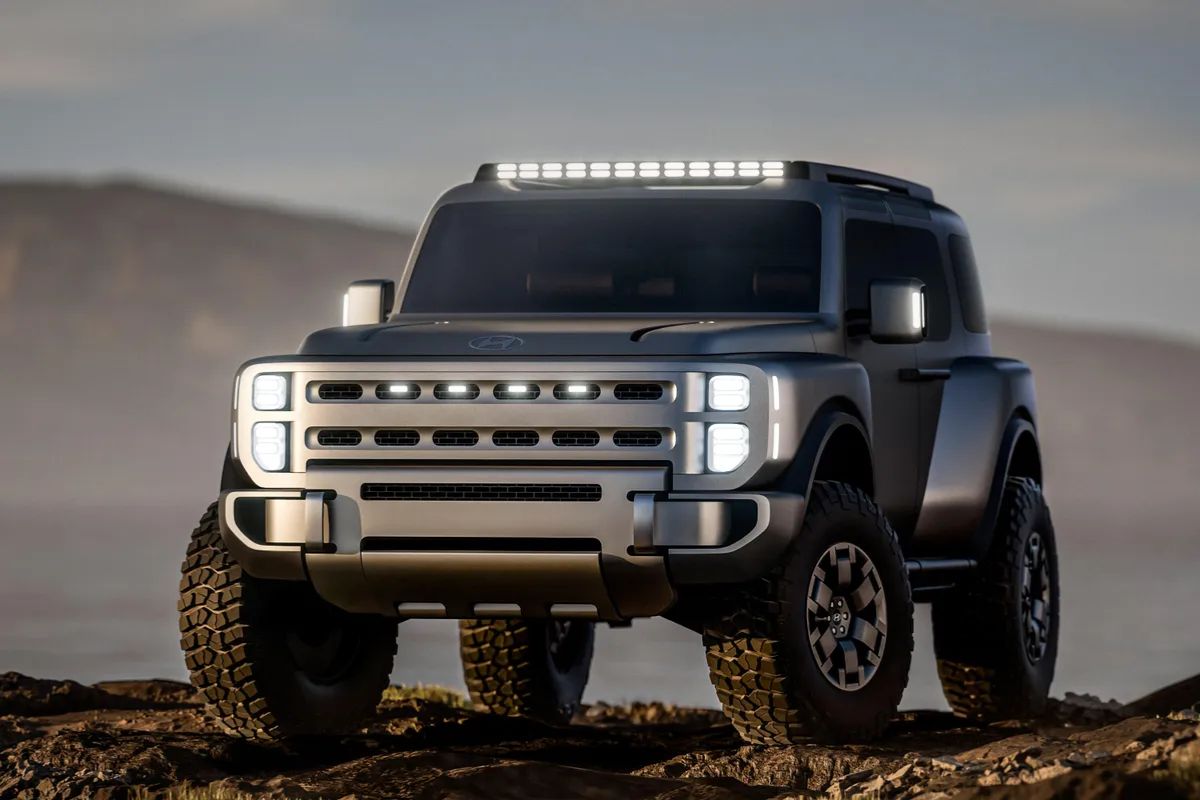
Hyundai has unveiled the Boulder, a square SUV with a body-on-frame design, 37-inch mud tires, and carriage-style doors that seems to be made to take on the Ford Bronco and the Scout Traveller in the United States.
-
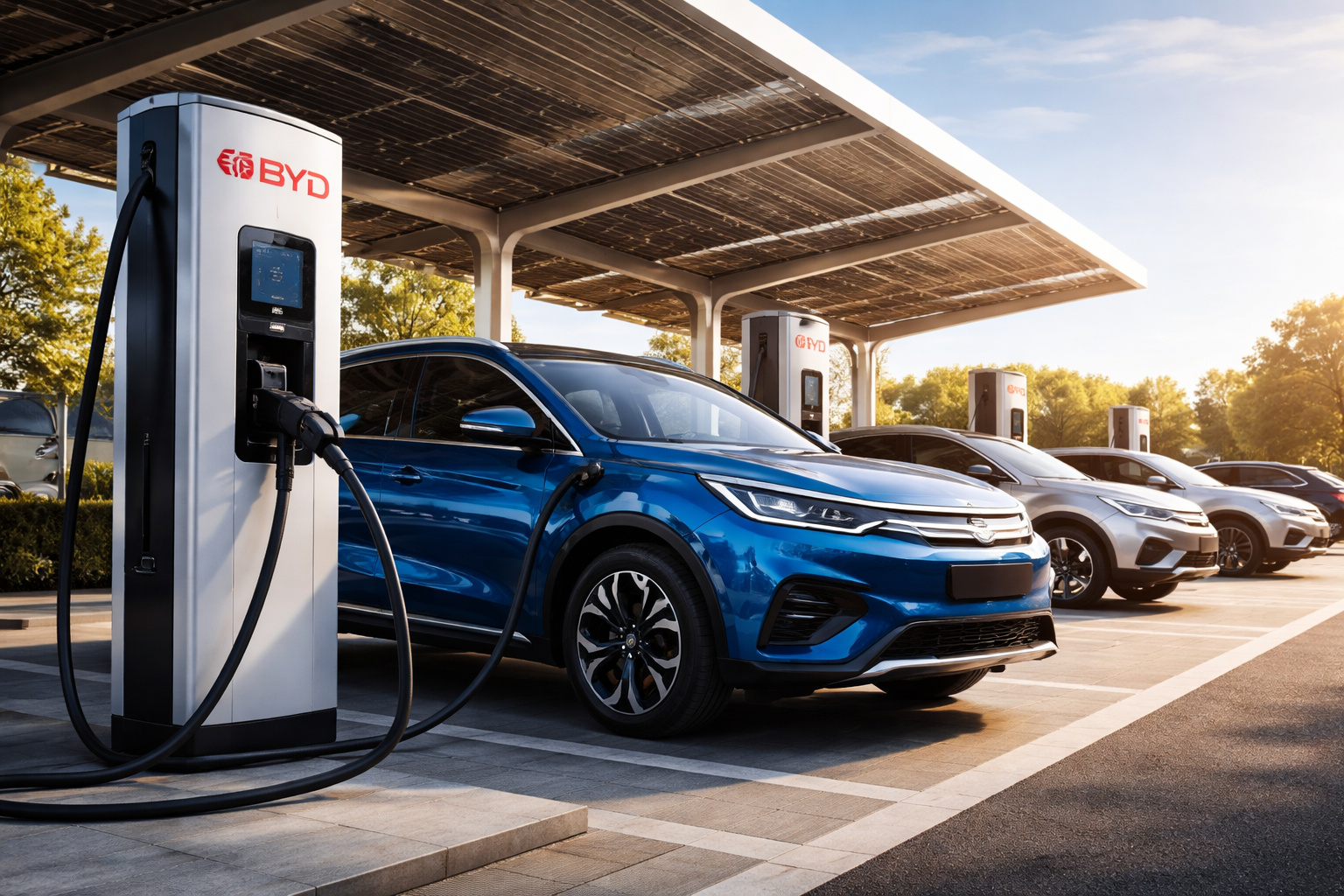
Largest public charging network in Brazil: BYD reaches 125 fast chargers and accelerates national expansion of electric mobility.

Furthermore, according to the Chinese media, the electric car’s design was entirely crafted by the Chinese studio HVST Automobile Design, a specialist in the field.
Investment in Xiaomi’s Electric Car Prototype
The excitement of the Chinese manufacturer in the electric car sector is so great that the initial investment in Xiaomi EV Company Limited at the time was around 10 billion yuan, which amounts to approximately R$ 8 billion at current values.
Xiaomi promises that by 2031, it will apply an investment worth US$ 10 billion (R$ 54 billion). All this investment will be directed both to the construction of a development center and to product development, not to mention the establishment of a factory with the capacity to produce 150 thousand electric cars initially, in Yizhuang, on the outskirts of the capital Beijing.
However, Xiaomi is not the only giant electronics manufacturer in China that decided to invest in electric car production. Another major Chinese manufacturer, Huawei, took a more conservative approach and partnered with a car manufacturer to launch the Seres SF5 model, an electric SUV created by a startup from the United States on behalf of the Chinese manufacturer.
Learn More About Xiaomi
Xiaomi is currently among the largest electronics manufacturers in the world, known primarily for its powerful and low-cost smartphone lineups. The startup and manufacturer was founded in 2010 in China by Lei Jun, who is the CEO and the 25th richest person in the Asian country, according to Forbes Magazine.
As for the meaning of the manufacturer’s name, it comes from the combination of “Xiao,” which means “small” in Mandarin, and “Mi,” which means “rice” in Mandarin. Although this theory has never been confirmed, many say that Xiaomi is named so because its desire is as present in people’s lives as a bowl of rice.
Xiaomi’s first product was launched in mid-April 2010: the first version of MIUI, featuring a unique interface inspired by Android 2.2 Froyo, which is still updated by the manufacturer today. Regarding the first smartphone launched, the Xiaomi Mi 1 hit the market in August 2011. Today, the Mi line has reached its 11th model, released in 2021.
Apart from the Mi line, there are other even more powerful lines, such as the Pocophone lineage and the Redmi line. In addition to smartphones and other portable electronics, Xiaomi also offers other products on the market, such as televisions, printers, smart home products, laptops, and recently announced its gradual entry into the automotive market as well.








Seja o primeiro a reagir!